BU RISE Essays Guide 2026
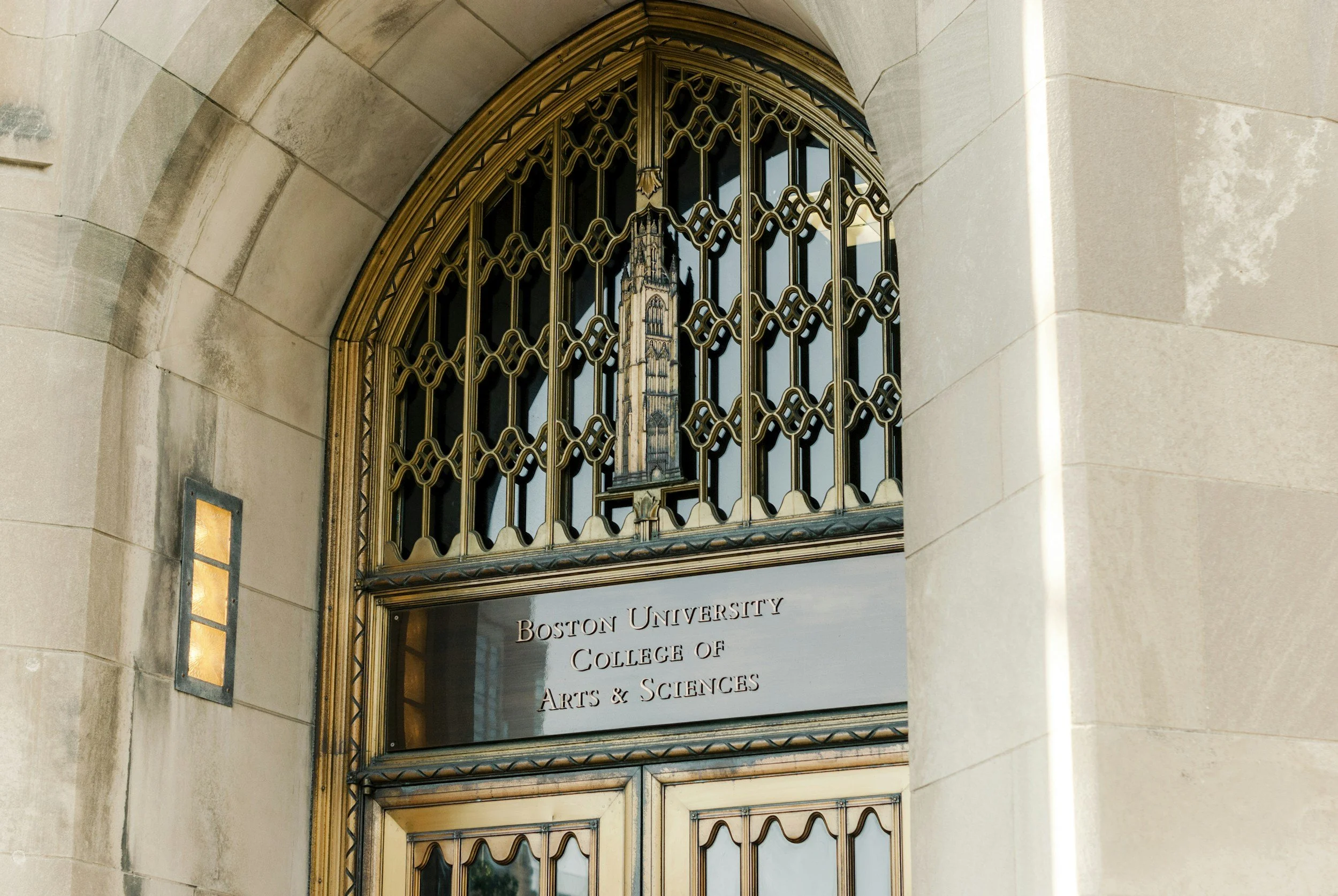
BU RISE is a competitive and intensive six-week summer research program that accepts high school juniors who have either demonstrable aptitude for research or have shown they can push themselves academically as far as their available resources enable them to. It has two tracks: the internship and the practicum. The internship is the harder of the two to get into, but participants in it get to spend more hours than those in the practicum doing hands-on supervised research and have vastly more flexibility in the fields they can choose to do research in. The internship is ideal for those who see themselves in academia. If someone wants to explore research from the perspective of industry, the practicum is best. Both paths carry weight in the college admissions process. As a result, it is an opportunity that all high school juniors who meet the aforementioned criteria should apply for. This article will tell you how to approach the numerous essays that they ask you to write as part of your application.
1. Please describe why you want to be a part of the RISE program. (200 words)
As with all essays of this nature, specificity is key. Being vague, silly, or whimsical for the sake of whimsy will not suffice for a serious research program like RISE. There are a limited number of valid goals and aspirations a young researcher should expect from this program. These include: learning how to navigate peer-reviewed literature; understanding how statistics can be used to generate insights from data and quantify how reliable or meaningful those insights are; learning to communicate scientific findings effectively to both colleagues and laypeople; identifying a problem that sparks your imagination due to the depth and complexity of its exploration and related challenges; fostering the desire to push your limits by tackling problems that have yet to be solved; and increased knowledge in a particular subject area.
I may have overlooked a few other valid motivations, but as you can see from the examples provided, the only truly valid ones are intimately tied to the research process itself. The key isn't to cram all of these motivators into your essay. Instead, focus on selecting the reasons that you prioritize the most given your lived experiences and show the reader a snippet of those experiences to establish a strong personal motivation for those reasons. Conclude this essay with a vivid picture of who you will be as a researcher after participating in the RISE program, showing the reader a clear vision of how you will have strengthened one or two technical skills that are essential to being a scientist.
2. Please provide examples of academic achievements that illustrate your research background and interest. (250 words)
This essay doesn’t need to be pretty. The key for this essay is to clearly convey your roles and responsibilities, highlight your personal contributions and accomplishments, and explain the outcomes of your research endeavors. For each experience you mention, make sure to specify the exact questions your group was addressing.
When discussing programming languages, be sure to mention the specific packages you are proficient in, such as PyTorch or NumPy, and explain the types of mathematical calculations or models you can build using those skills.
If you’re applying to this program as a long shot and have only one formal research experience, take a cue from the earlier essay and describe that experience as vividly and passionately as possible. Instead of merely listing your skills, demonstrate how you used them in your research to solve problems and achieve results.
For all applicants, it is crucial to conclude the essay by reflecting on how the skills you’ve developed and the experiences you’ve gained have shaped your aspirations as a researcher.
3. Please explain why you selected your subject of research interest. Students who selected Practicum as their first choice should explain why you are most interested in either computational neurobiology or data science. (300 words)
To stand out from other applicants, you want to begin this essay with a short anecdote that is unique to you alone and demonstrates a personal connection to your subject of interest. This can be a story about you wondering how something worked, a revelation you had while watching a documentary, or a life-altering event that gave you an ironclad goal in your life which can be best achieved through studying this subject. Once you establish a strong personal reason that will differentiate your connection to your subject of interest from that of others, you can start nerding out about this favorite subject. Bonus points if you talk about why some of the contemporary challenges/questions this subject is trying to answer interest you. Additional bonus points if you can conclude the essay with a vivid picture of how you intend to apply the findings from this research interest to create positive, tangible change in the world, one that you can articulate a strong, personal motivation for advancing.
4. (Only for internships applicants) List up to three professors at Boston University whose research interests align with your own and explain why. (max 250 words)
Similar to the previous essay, the key is to provide a short personal anecdote or reason that is unique to you and your lived experiences, making you feel a strong connection to the research of the three professors you list in this essay. Each professor should be given their own personal connection, unless their work is very similar. After including a personal reason, you should then delve into why their work appeals to you intellectually, and how you possess the technical skills that will allow you to help them achieve their research goals, and how doing so will l help you achieve your goals.
If you want help applying to RISE or any other summer research program, or would just like someone to help you strengthen your overall extracurriculars, schedule a free consultation with an admissions expert today.