Using AI to Write College Admissions Essays
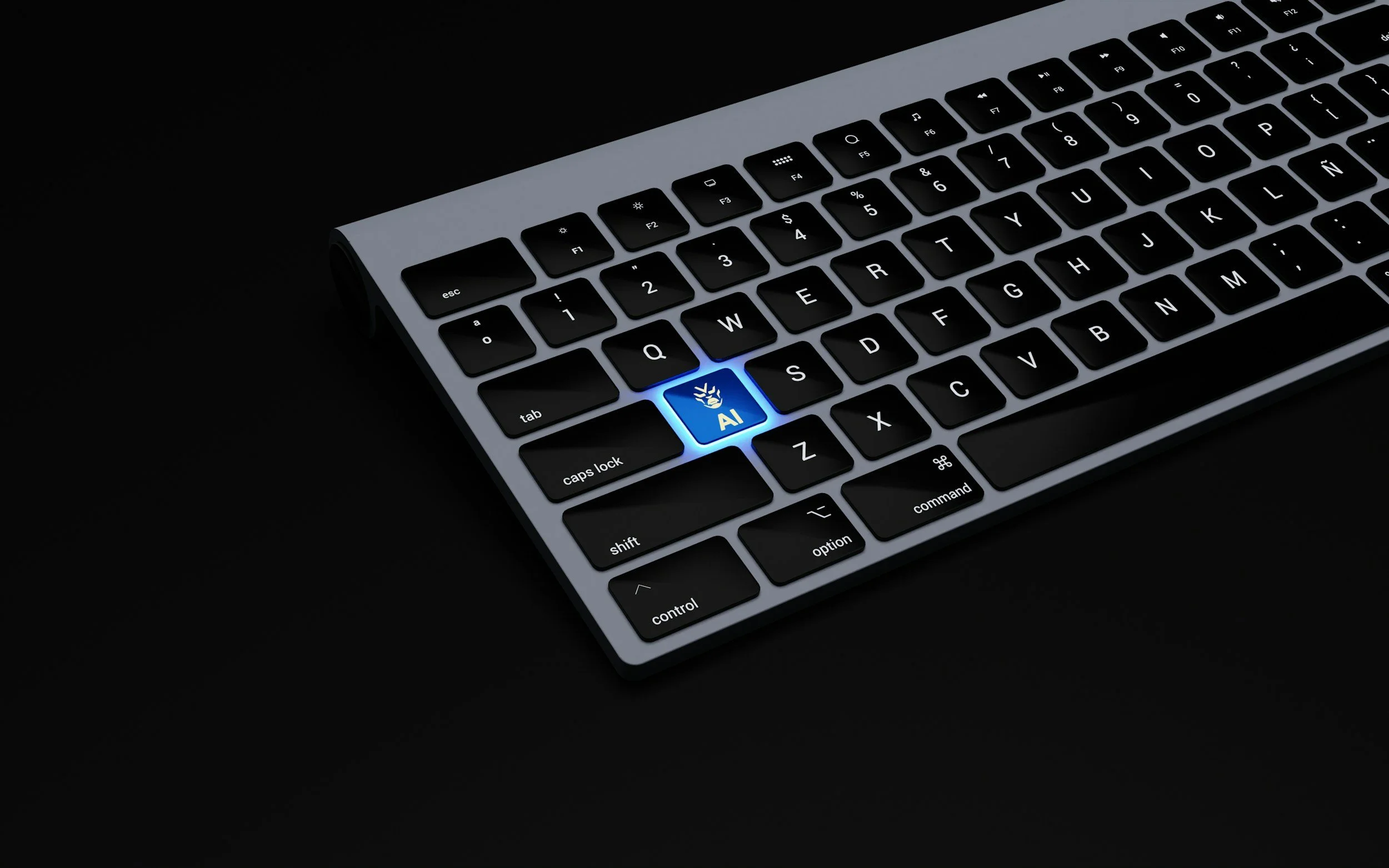
DON'T!
As a matter of fact, don't even use AI to review your essays.
I know this is a controversial take. I know it's tempting, you're stressed, the stakes are high, and ChatGPT is right there, ready to "help." But if you're a high school student aiming for a top-tier college or competitive summer program, using AI to write or even review your work is a massive mistake. Here's why.
AI Learned from the Wrong Essays
The sample essays floating around the internet, the ones AI was trained on, are often overly flowery, dramatic, and frankly weird. These aren't what admitted students actually write. They're marketing materials, cherry-picked by consultants to sell books and courses. When AI "polishes" your essay, it's pushing you toward a style that admissions officers have seen thousands of times and have learned to tune out. You're not getting closer to admission; you're getting closer to the rejection pile.
The Engagement Trap
Here's something most students don't realize: AI tools are optimized for engagement, not accuracy. These companies make money when you keep using their product. So what happens when you paste your perfectly good essay into ChatGPT and ask for feedback?
It finds something wrong. Every single time.
Even if your essay is already compelling, authentic, and ready to submit, the AI will manufacture criticism. It has to, that's how it keeps you coming back. You enter a feedback loop of endless revisions, each one stripping away more of your original voice, each one pulling you further from the essay that actually worked. You started with something genuine and ended with something sterile, all because an algorithm needed to justify its existence.
The Stochastic Parrot Problem
Let's get technical for a moment, because this matters.
AI doesn't understand your essay. It can't. At its core, AI is what researchers call a "stochastic parrot,” a sophisticated pattern-matching system that predicts what words should come next based on statistical probability. It has no comprehension of meaning, no grasp of narrative arc, no appreciation for the vulnerability you showed in paragraph three.
When you ask AI for feedback on your essay, it doesn't read your work and think, "Hmm, this transition is weak." Instead, it generates what feedback would typically look like for an essay of this type. It outputs the most probable criticism, not an actual diagnosis of your specific writing.
This is a crucial distinction. The AI isn't confirming that your essay has problems, it's outputting what problems would exist if your essay had problems. It's hallucinating faults that may not be there, presenting them with the confidence of a seasoned admissions consultant. And unless you have twenty years of professional writing experience, you can't tell the difference between a legitimate insight and a confident hallucination.
The "Ear Test" You Can't Pass
Even if your AI-assisted essay sneaks past detection software like GPTZero, it won't pass the "ear test." Admissions officers read thousands of essays every cycle. They've developed an instinct for authenticity, and AI suggestions have a particular smell.
When AI "improves" your writing, it white-washes your voice. It replaces the grit, personality, and unique rhythm of a teenager's perspective with a sterile, polished sheen. The result looks identical to every other applicant who used the same prompts. You wanted to stand out; instead, you blended in with the algorithm-generated masses.
The Blind Leading the Blind
Here's the fundamental problem: AI doesn't have access to what actually works.
The essays that get students into Harvard, MIT, and Stanford? Those live in private files at admissions offices and consulting firms. They're not published online. They're not in AI training data. Current AI tools are operating in the dark, making confident pronouncements based on publicly available samples that often represent the worst of admissions writing, not the best.
For an inexperienced writer, relying on current AI tools is the definition of the blind leading the blind.
What Admissions Officers Actually Want
Admissions officers aren't looking for perfection. They're not searching for the most eloquently constructed sentences or the most sophisticated vocabulary. They want to meet you, the real, unpolished, genuinely interesting person behind the application.
Your authentic voice, with all its teenage quirks and imperfections, is your greatest competitive advantage. It's the one thing no other applicant can replicate. Don't trade it for a generic algorithm's idea of what a college essay should sound like.
The irony is brutal: in trying to optimize your essay, you optimize away the very thing that would have gotten you in.
At Cosmic College Consulting, our team includes PhD-level experts who actually understand the technical content our STEM students write about, and humans who can recognize authenticity because we've spent years in admissions, not milliseconds processing tokens. If you want real feedback from people who know what works, schedule a complimentary consultation with an admissions expert today.