SAT Score Needed To Get Into Dartmouth 2026
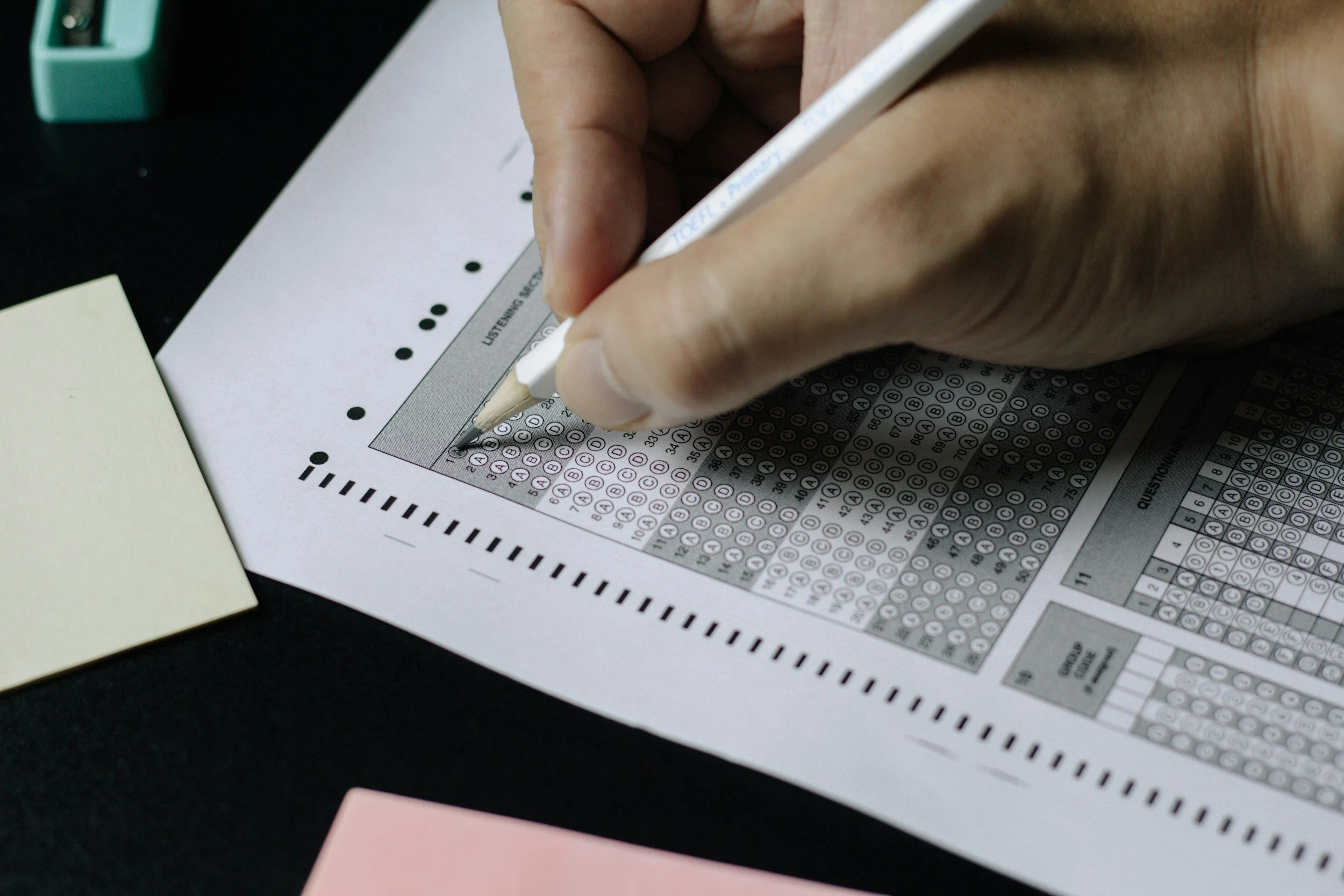
Dartmouth College reinstated its standardized testing requirement in 2024 after a faculty working group concluded that SAT and ACT scores are an "essential method" for identifying students who will thrive academically. If you're applying to Dartmouth, your SAT score matters, but how much, and what score do you actually need?
The short answer: aim for the mid-1500s. The more nuanced answer involves understanding Dartmouth's score ranges, the concept of diminishing returns, and how test scores fit into the broader admissions picture.
Dartmouth's Current SAT Score Range
For recent admitted classes, Dartmouth's middle 50% SAT range falls between approximately 1500 and 1570. The median sits around 1530-1540, meaning half of admitted students score above this mark and half below. The average SAT for recent incoming classes hovers around 1540.
To put this in perspective: 75% of admitted students score 1500 or higher. If your SAT falls below this threshold, you're in the bottom quartile of the admitted class academically, which doesn't disqualify you, but means other parts of your application need to carry significant weight.
How Dartmouth's Standards Have Changed
Dartmouth's score expectations have risen dramatically over the decades. In 1990, the average SAT of admitted students was around 1310, and the acceptance rate hovered near 20%. An SAT in the mid-1300s was considered excellent and gave applicants a legitimate shot at admission.
Today, with acceptance rates around 6% and average SAT scores nearly 230 points higher, a 1400 that would have been competitive thirty years ago now falls well below the admitted student median. The average SAT for incoming freshmen has climbed by roughly 95 points in the past decade alone. Students admitted to Dartmouth today typically score in the 99th percentile nationally.
The Diminishing Returns of Higher Scores
Here's what most applicants don't understand: the relationship between SAT scores and admission probability isn't linear. Raising your SAT from 1200 to 1400 has a substantially larger impact on your chances than raising it from 1500 to 1600. Beyond the mid-1500s, additional points yield diminishing returns.
Dartmouth's own internal data supports this. Applicants in the highest score band (around 1570+) had nearly double the acceptance rate of those in the mid-1500s, but once you're in that elite bracket, higher scores don't keep conferring significant gains. The improvement in admit rate becomes negligible above roughly 1550.
Many admissions officers view scores in the 1550+ range as essentially equivalent to a perfect score for evaluation purposes. A 1550 and a 1600 signal the same thing: this student has the academic chops for Dartmouth's rigorous curriculum. Beyond that threshold, decisions hinge on other factors.
What Different Scores Mean for Your Application
SAT 1520: This sits around the median for admitted students. It demonstrates excellent ability and puts you in contention, but it's fairly average among Dartmouth's admitted profiles. You're competitive, but not differentiated, other parts of your application need to shine.
SAT 1550: You're now at the 75th percentile for Dartmouth admits, solidly in the top quartile academically. This score "checks the box" for academic strength. The practical difference between 1520 and 1550 is relatively small, perhaps one or two more questions correct. Admissions officers are unlikely to choose one applicant over another purely because of a 30-point gap at this level.
SAT 1570: You're in the top 1% of test-takers and at the very high end of Dartmouth's range. Internal data suggests this bracket confers a noticeable advantage, applicants scoring 1560-1600 were admitted at roughly twice the rate of those in the 1510-1550 range. This likely represents the point where SAT advantages largely max out.
SAT 1600: A perfect score catches attention, but in terms of admission probability, it's only marginally better than a 1570. Even with a perfect 1600 and a 4.0 GPA, estimated admission chances sit around 16%, higher than the baseline rate, but still meaning roughly 84% of such applicants are rejected. Most admissions officers effectively group 1550-1600 together as "top scores."
International Applicants Face Higher Bars
Dartmouth holds all students to the same academic standards, but international applicants face fiercer competition for fewer spots. While Dartmouth's classes are typically 9-15% international students, the effective admit rate for internationals may be 2-3% in years when the overall rate is around 6%.
For international candidates, extraordinarily high SAT scores become even more crucial just to remain competitive. The average SAT of admitted international students often approaches the maximum, with most successful applicants clearing the 1550-1600 threshold alongside exceptional credentials elsewhere. The diminishing returns principle still applies, a 1580 versus 1540 probably doesn't make or break an international application, but the baseline expectation is simply higher.
The Strategic Takeaway
The sweet spot for Dartmouth applicants is the mid-1500s. At this level, you've demonstrated the academic ability Dartmouth expects, and you're within their competitive range. Obsessing over the last 30-50 points beyond 1550 is generally not worth the effort, those additional points provide minimal admissions ROI.
Once your SAT reaches Dartmouth's upper range, your time is better spent strengthening other parts of your application: essays that reveal genuine insight, recommendations that speak to your character and intellectual curiosity, and activities that demonstrate depth rather than breadth.
Dartmouth will certainly reward the effort of a high score. But it will reward other qualities even more once that score threshold is met. A 1550 with compelling essays and a demonstrated passion will outperform a 1600 with generic application materials virtually every time.
The SAT opens the door. Everything else determines whether you walk through it.At Cosmic College Consulting, we help academically driven students build application strategies that go beyond test scores. If you're targeting Dartmouth or other highly selective schools, schedule a consultation with an admissions expert to discuss how we can help you present your strongest possible candidacy.