UCSB RMP: Research Mentorship Program
UC Santa Barbara's seven-week mentored research program.
Spend 35 to 50 hours a week on university-level research with a UCSB mentor, earn 8 university credits, and present your findings at a formal academic symposium.
3.80
Minimum Weighted GPA
7
Weeks, Six on Campus
35+
Research Hours per Week
8
University Credits
The Full Research Experience
RMP places you inside a working UC Santa Barbara research group. You choose a project, and a mentor who is a graduate student, postdoctoral researcher or faculty member guides you through six weeks of full-time research on campus.
The program opens with a virtual component from June 14 to 17, 2027, where mentors present their projects and you select the one you want to join. Research starts the day after the Welcome Event on campus. Alongside your project you take two courses. Introduction to Research teaches you to write a formal research paper, and Presentation Techniques covers talks, posters and elevator pitches. The courses include the GRIT talks, a lecture series given by UCSB researchers. You finish with a technical research paper and a presentation at a formal academic symposium.
What Sets RMP Apart: You Choose Your Project
During the virtual component, mentors present the research projects available that summer and you choose among them. Topics change every year with the mentors who take part, so the projects follow current work at UCSB. You apply to the program first and select your project once you are admitted.
🔬
University-Level Research
You dedicate 35 to 50 hours a week to your project and learn university-level research methods from your mentor.
🎓
8 University Credits
Two interdisciplinary research courses earn you 8 letter-graded units of UC Santa Barbara credit that become part of your permanent record.
📖
Research Paper and Symposium
You write a technical research paper describing your findings and present your work at a formal academic symposium at the end of the program.
🌊
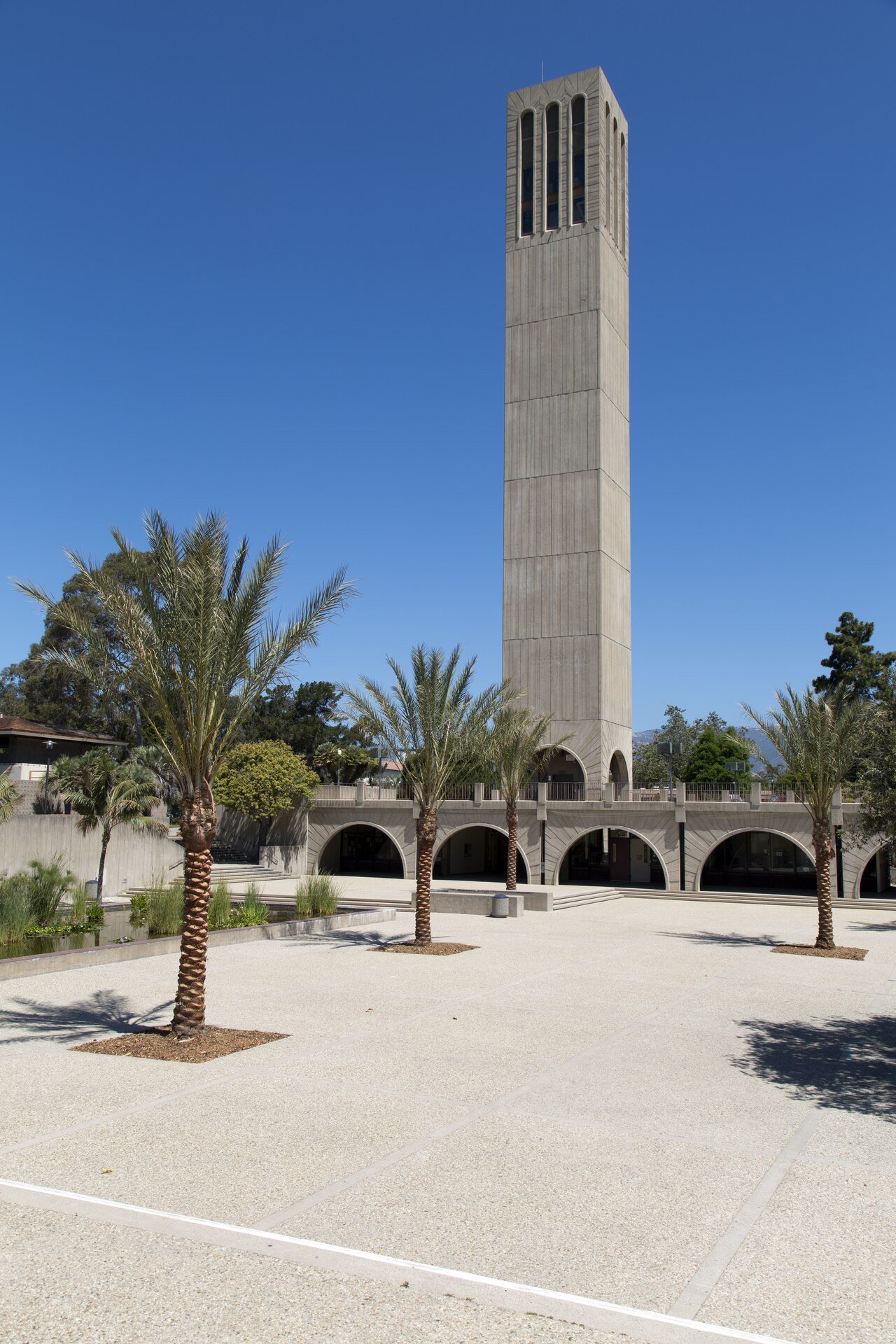
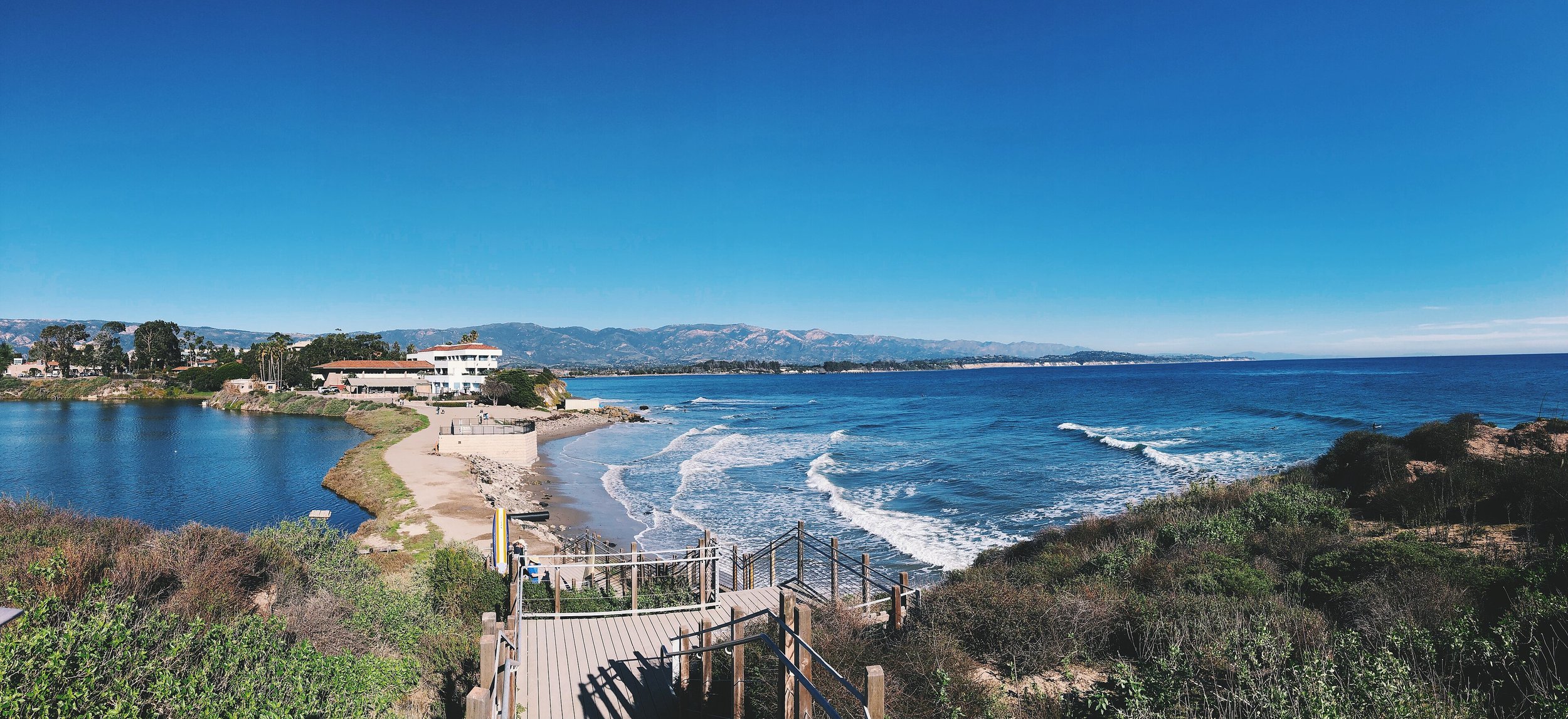
Campus Life by the Ocean
You are a registered UCSB student for the summer, with access to the library and the Recreation Center. Residential students live in Santa Cruz Residence Hall, which has beach access.
Two Ways to Attend: Residential or Commuter
Every RMP student does the same research and takes the same courses. The choice is where you live during the six weeks on campus.
Residential
Live on Campus
Live in Santa Cruz Residence Hall, near academic and recreation facilities
Double or triple rooms with ocean, campus and mountain views
Supervised by Summer Discovery, with a staff office open 24 hours a day
Meal plan at the De La Guerra dining commons
Activities run by Summer Discovery staff
Move in June 20, 2027 and move out August 1, 2027
2026 total cost: $13,274
Commuter
Live at Home
For students who live within a 60-minute drive of campus
In 2026, commuters attended a local high school and lived between Lompoc and Ventura
Travel to campus daily, weekends included
Join all on-campus programming and social events
Same research project, mentor and courses as residential students
Use of the UCSB library and Recreation Center
2026 total cost: $5,675
All students attend Development Workshops with researchers, Drop-In Hours with program staff and Friday Mixers. RMP asks for your full attention, so other courses and programs are set aside for the seven weeks.
Research Areas: Find Your Field
RMP projects span the sciences, engineering, social sciences and humanities. The exact list changes each summer with the mentors who take part, and the fields UCSB lists include the ones below.
Biochemistry
Biology
Chemistry
Computer Science
Earth Science
Ecology
Economics
Education
Engineering
Environmental Policy
Geography
Marine Biology
Mathematics
Media Arts and Technology
Neuroscience
Physics
Psychology
Statistics
Humanities and Social Science Fields
RMP also lists projects in Anthropology, Chicana/o Studies, Global Studies, History, Music and Sociology.
You choose your project during the virtual component, after you hear each mentor describe their work.
The Competitive Reality
UC Santa Barbara keeps RMP's acceptance rate unpublished. Outside estimates range from about 2.5% to 6%. Every student works with a mentor, which keeps the cohort small, and admission is rolling, meaning applications are reviewed and decided as they arrive.
~5%
Estimated Acceptance Rate
24
Research Fields Listed
3 to 6
Weeks to a Decision
Mar 8
2027 Application Deadline
Program Costs (Summer 2026)
RMP charges tuition, and UCSB plans to post 2027 pricing in early December 2026. The 2026 figures below show what to expect:
$5,600
Tuition and Fees
$7,599
Housing and Meals
$1,000
Enrollment Deposit
$75
Application Fee
The $1,000 deposit counts toward tuition and program fees. In 2026 the totals came to $5,675 for commuters and $13,274 for residential students. A limited number of need-based scholarships are available, with priority for California residents, and admission is need-blind, meaning your ability to pay plays no part in the decision.
The RMP Application: One Statement and Four Short Responses
RMP reviews each application as a whole: your transcript, optional AP scores and your writing. Recommendation letters left the review in 2026, so your own words carry your case. The prompts below come from the 2026 application.
500 words
Personal Statement: Your Research Question
Propose a process-based research question, meaning a question about how something works or changes. Then explain how you would investigate it and why RMP is the right setting for the work. Describe the steps you would take and the evidence you would need, so the reader can follow how you think through a problem.
150 words
Short Response 1: What Sparked Your Curiosity
Describe an idea or experience that sparked excitement or personal growth. Choose one specific moment and show what you did next because of it.
150 words
Short Response 2: Ethical Research
Explain what ethical research means to you and how you would apply it. Tie your answer to the work you want to do, such as reporting data honestly or crediting the people whose work you build on.
150 words each
Short Responses 3 and 4: Skills and Setbacks
One response asks which skills you hope to develop at RMP. The other asks which barriers and setbacks you expect and how you would address them. Name real gaps in your experience and give a concrete plan for each.
Application Timeline for Summer 2027
RMP admits on a rolling basis, so an early application brings an early decision. Plan around these dates:
December 15, 2026
Applications open. Start your personal statement early, since a strong research question takes several drafts.
January 2027
Reviews begin once transcripts can include fall 2026 grades. Your transcript must show your full high school record.
March 8, 2027
Application deadline. Submit the online application and pay the application fee by this date.
Three to Six Weeks Later
Decision by email. UCSB notifies you when your application is complete, and your decision follows about three to six weeks after that notice.
June 14 to 17, 2027
Virtual component. You meet the mentors online, hear them describe their projects and choose yours.
June 20, 2027
Move-in day for residential students. Six weeks of research on campus begin with the Welcome Event.
End of July 2027
Closing events. You present your research at the academic symposium. Residential students move out on August 1, 2027.
How Cosmic Prepares You for RMP
RMP's personal statement asks you to propose a research question and a way to investigate it. Our admissions consultants are PhD scientists who have designed and run research projects, so we help you build a question that is specific, feasible and your own.
Our Consultants Are Scientists.
We hold PhDs and have mentored students in research. We know what a well-formed research question looks like and how to explain a method clearly in 500 words.
What We Provide
-
The personal statement asks you to propose a process-based research question, meaning a question about how something works or changes. We help you narrow a broad interest into a question you could investigate in six weeks.
-
In 500 words you present your question, your plan to investigate it and your reasons for choosing RMP. We give you line-by-line feedback across drafts so the statement is clear, specific and written in your own voice.
-
The four short responses cover what excites you, ethical research, the skills you want to build and how you handle setbacks. We help you answer each one with specific moments from your own experience.
-
RMP lists projects in fields from marine biology to music, and you choose yours after hearing each mentor describe their work. We help you identify the fields where your background prepares you to contribute.
-
RMP reviews applications as they arrive, starting in January. We help you finish early with a complete transcript and polished writing, so your decision arrives sooner and your summer plans settle early.
Ready to Start Your RMP Application?