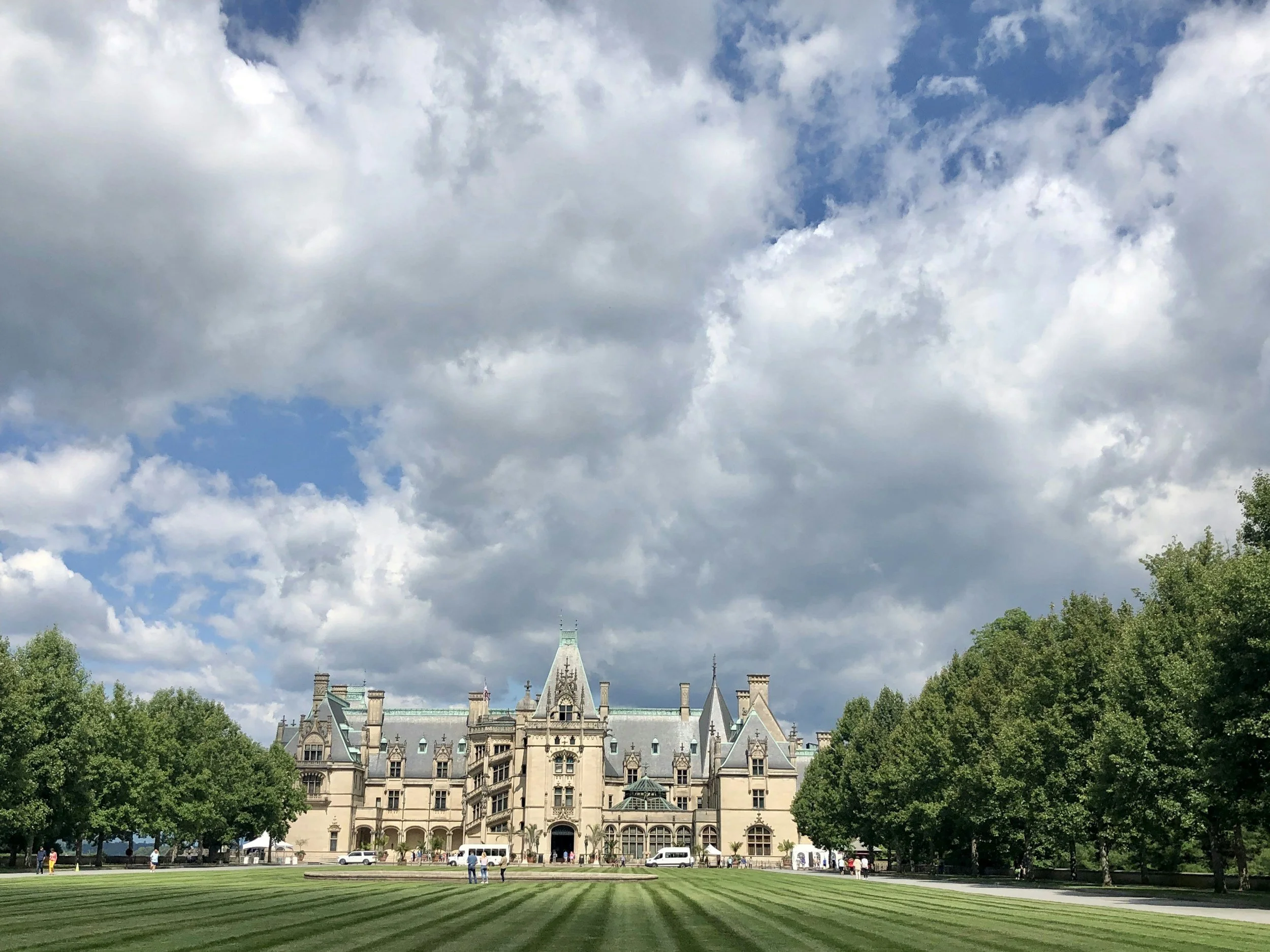
Best US Colleges 2026

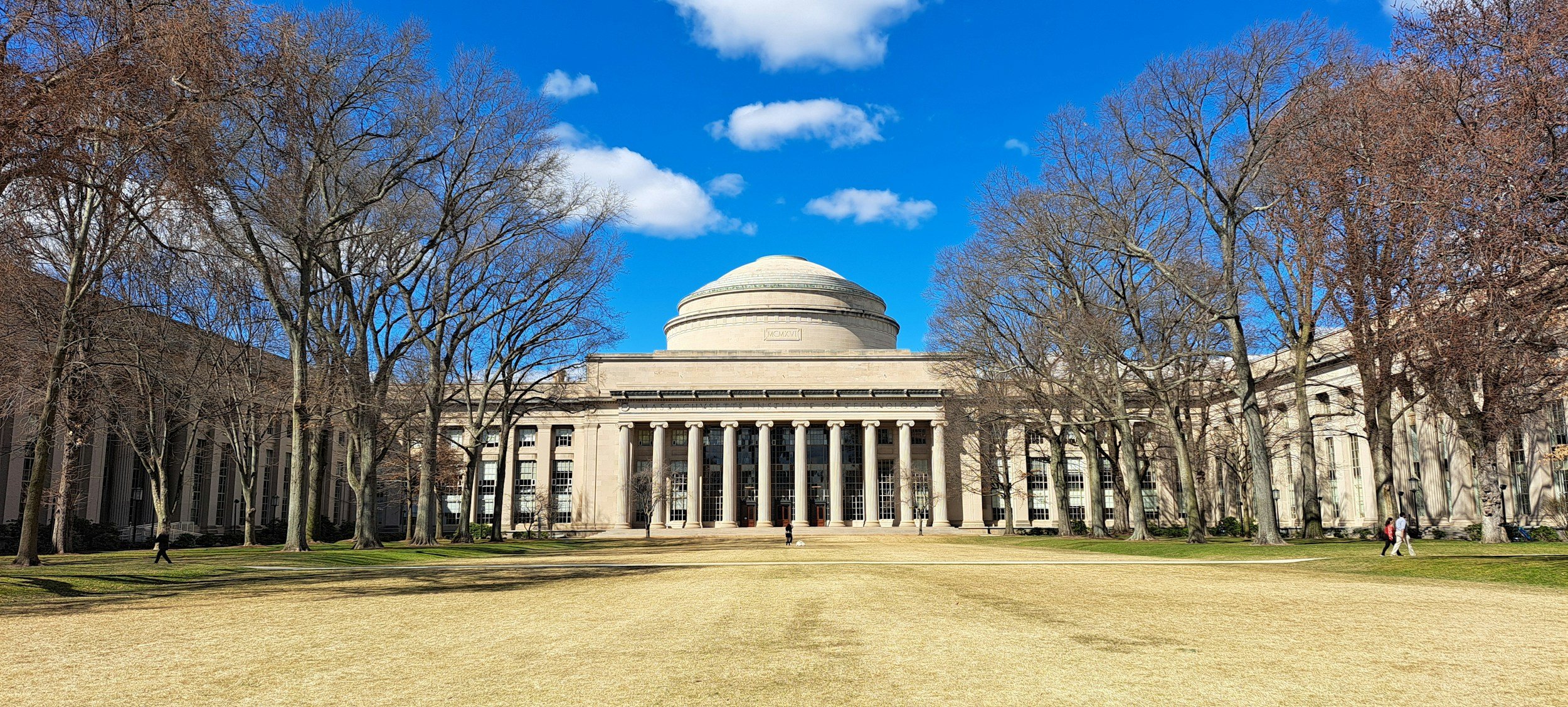
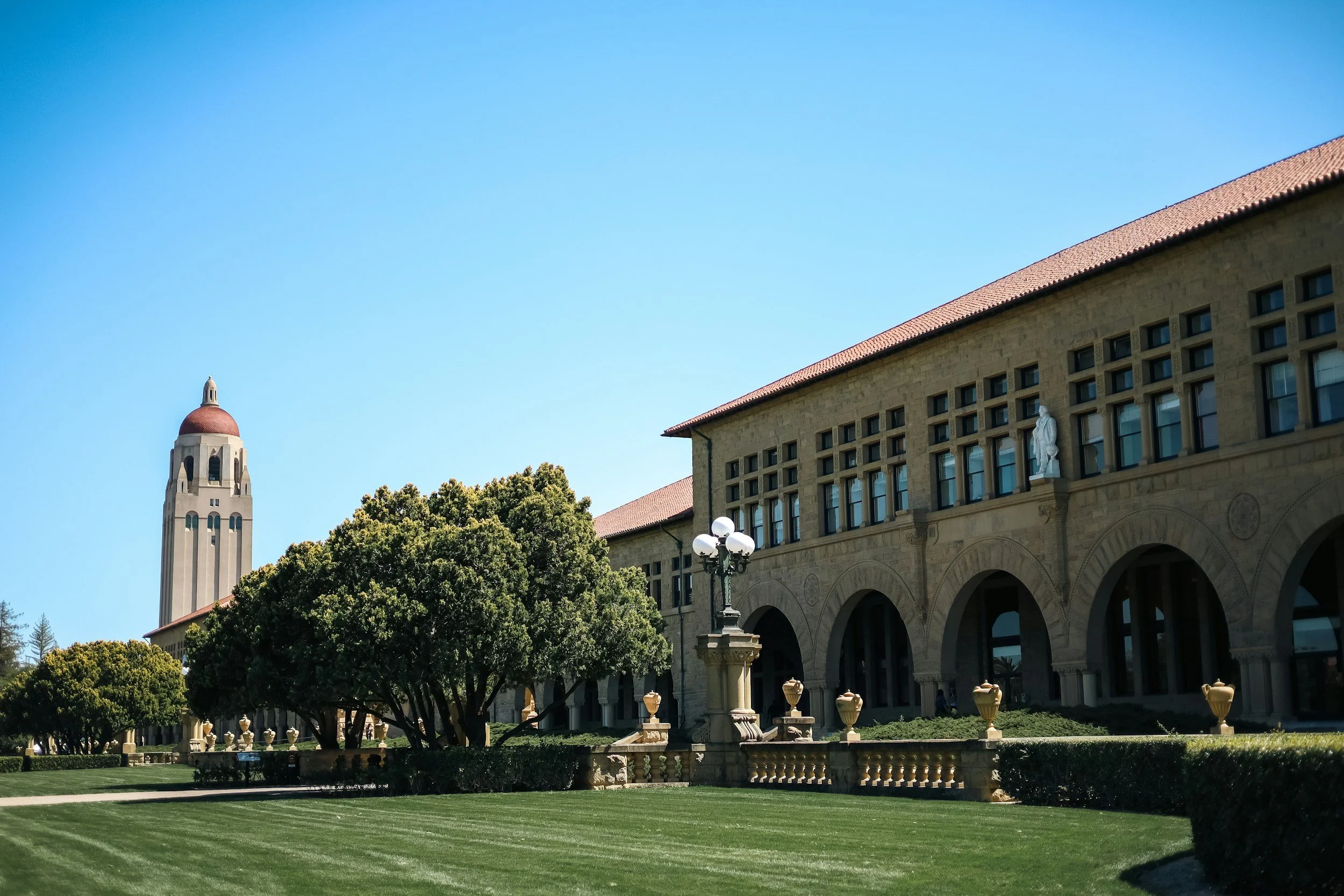
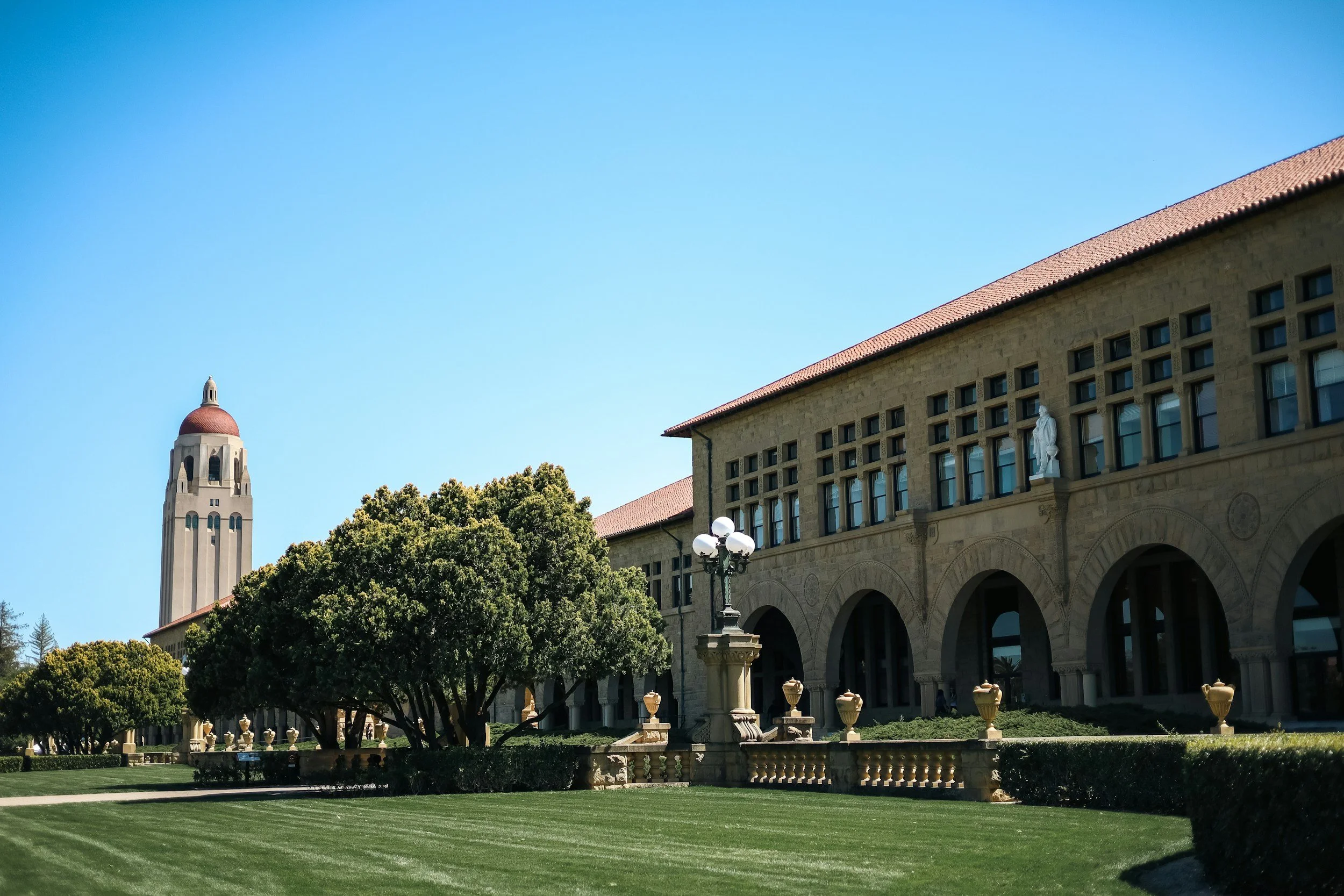
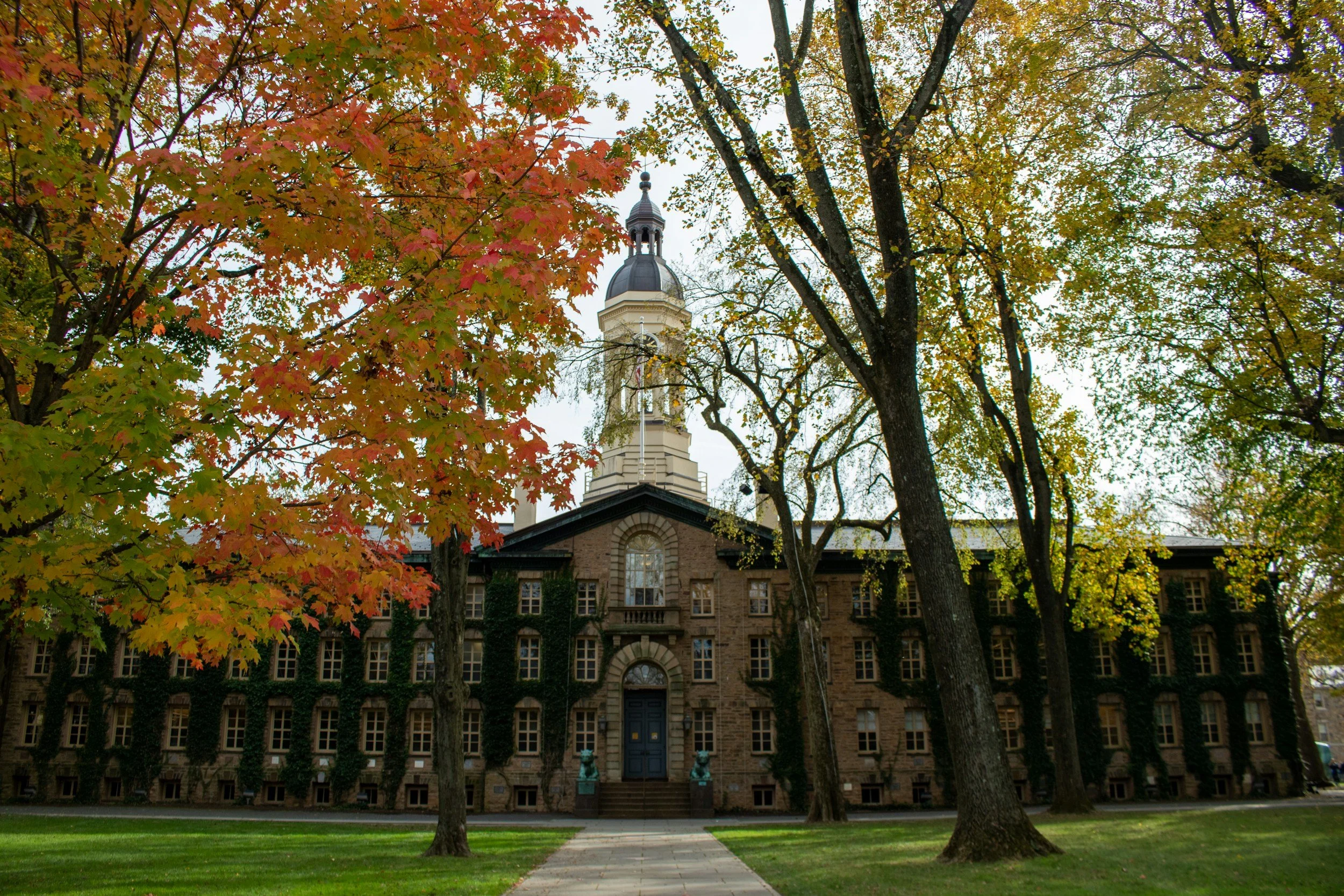
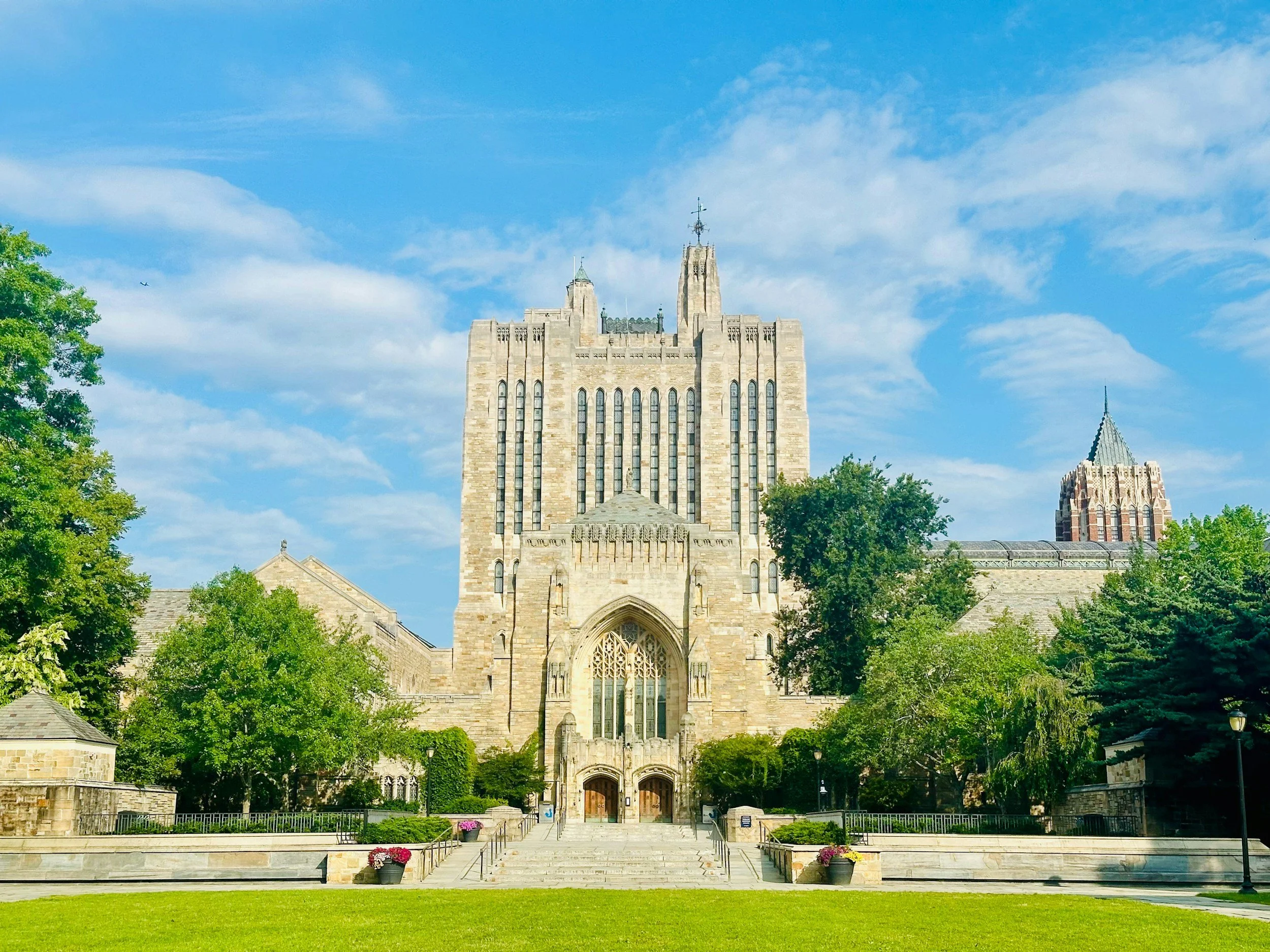
Generally, in no particular order, Harvard, Yale, Princeton, MIT, Stanford, and Caltech are the best U.S. colleges.
But what makes them "the best"? And are they necessarily the best for you? The answer depends significantly on your academic goals, particularly whether you're targeting high-powered STEM industry careers, research-focused PhD pathways, or both.
Two Distinct (But Overlapping) Excellence Pathways in STEM
When we evaluate top colleges for STEM students, we're really looking at two overlapping but distinct excellence frameworks:
Industry Outcomes: Strong near-term career prospects in high-demand engineering and STEM majors, characterized by robust employer recruiting, competitive starting salaries, and access to premium internship and co-op experiences.
PhD Pipeline Strength: Exceptional preparation for graduate school and research careers, measured by doctorate production rates, research funding intensity, and undergraduate research opportunities.
The six institutions mentioned above excel at both, but they're not alone, and the right choice depends on which pathway matters more to you.
The PhD Pipeline: Where Research Culture Runs Deep
If your goal is a research career or STEM PhD, the single most defensible cross-institution metric is the S&E doctorate yield ratio from the National Center for Science and Engineering Statistics (NCSES). This measures the number of science and engineering doctorate recipients per 100 bachelor's degrees awarded nine years earlier.
Here's where it gets interesting: Caltech's doctorate yield ratio is 40.9, meaning roughly 41 out of every 100 graduates eventually earn a STEM PhD. This is the highest rate among research universities and reflects an institution where research culture isn't just available, it's the default.
For context:
MIT: 17.8 (exceptionally high for a large research university)
Princeton: 10.8
Harvard: 9.5
Stanford: 9.1
Cornell: 9.0
Yale: 8.4
Carnegie Mellon: 8.0
What do these numbers tell us? These institutions don't just allow undergraduate research, they've built cultures where research mentorship, lab access, and faculty time are deeply embedded in the undergraduate experience. Students at these schools are more likely to develop research identity, earn co-authorship on publications, and build the relationships that translate into strong graduate school applications.
Research Funding: The Infrastructure Behind Opportunity
Research dollars don't directly predict your individual experience, but they're a strong proxy for lab density, equipment quality, and the sheer number of funded research positions available to undergraduates.
Based on FY 2024 data, here are the engineering research expenditure leaders:
Johns Hopkins: $1,712M (largest engineering R&D footprint, particularly strong in biomedical engineering)
Georgia Tech: $1,135M (engineering-centric powerhouse)
Texas A&M: $497M
Penn State: $472M
UT Austin: $419M
MIT: $414M
For total R&D across all fields:
University of Michigan: $936M (highest total R&D among all institutions)
Wisconsin-Madison: $831M
UIUC: $812M
Purdue: $814M
UC Berkeley: $806M
Here's the practical implication: institutions with very high research expenditures typically have abundant funded lab environments, even if access depends on departmental culture and proactive mentorship-seeking by students.
Industry Outcomes: Where the Money Meets the Major
For students targeting high-paying engineering and tech careers immediately after graduation, three factors matter most:
Employer recruiting density - which companies come to campus and how hard they compete for talent
Experiential learning infrastructure - structured co-op and internship programs
Curriculum-to-industry alignment - especially in computing, electrical/computer engineering, and data science
Research on campus recruiting shows that where firms choose to recruit significantly affects both matching outcomes and wage premiums. This is why MIT, Stanford, Carnegie Mellon, and Berkeley have such strong tech placement, they're not just producing excellent CS graduates; they're embedded in recruiting ecosystems where top firms engage in directed, competitive hiring.
For traditional engineering disciplines (mechanical, electrical, civil, chemical), the evidence on co-op and internship participation is clear: students with structured experiential learning show measurably better employment outcomes and starting salaries, even after controlling for selection effects.
The Major-Specific Reality Check
Here's what many "best colleges" lists miss: outcomes vary dramatically by major, even within the same institution.
The cleanest way to compare career outcomes is through the U.S. Census Bureau's Post-Secondary Employment Outcomes (PSEO) data, which provides earnings percentiles (25th, 50th, 75th) and employment counts by institution, major, and cohort. The catch? Coverage is incomplete, only about 29% of graduates are captured because it depends on institutional partnerships.
For institutions not covered by PSEO, you'll need to evaluate campus-specific first-destination reports. Look for:
Knowledge rate (what percentage of graduates have known outcomes, not just survey response rate)
NACE-aligned reporting standards (standardized categories for employed, grad school, seeking, etc.)
Major-level disaggregation (not just college-wide averages)
A 95% "employment rate" with a 40% knowledge rate isn't impressive, it likely just means most graduates didn't respond to the survey.
Beyond the Top Six: The Next Tier of Excellence
While Harvard, Yale, Princeton, MIT, Stanford, and Caltech represent pinnacle institutions, several others combine elite outcomes with distinct advantages:
For CS/Engineering Industry Outcomes:
Carnegie Mellon - Extraordinary CS outcomes, project-based culture
Georgia Tech - Massive engineering scale, strong co-op tradition
UC Berkeley - Top-tier CS/EE ecosystem with robust West Coast recruiting
UIUC - Elite CS program, strong pathways to both industry and grad study
University of Michigan - Highest total R&D, scaled research opportunities
For Research-Focused Students:
Johns Hopkins - Unmatched biomedical research environment
Cornell - Strong yield ratio (9.0) with broad engineering offerings
UChicago - Exceptional in theoretical sciences and math-to-PhD pathways
Harvey Mudd - Extremely high doctorate yield among undergraduate-focused institutions
For Dual Optionality (Industry + PhD): The sweet spot institutions are those with both high doctorate yield and strong industry recruiting:
MIT (17.8 yield, elite recruiting)
Stanford (9.1 yield, Bay Area ecosystem)
Berkeley (6.2 yield, massive scale + top recruiting)
Carnegie Mellon (8.0 yield, exceptional CS placement)
The Bottom Line for Decision-Making
If you're optimizing for industry outcomes in CS, computer engineering, electrical engineering, or data science: prioritize institutions with demonstrated recruiting density in your target sectors, validate major-specific salary distributions through PSEO or audited first-destination reports, and verify structured internship access.
If you're optimizing for STEM PhD pathways: focus on institutions with high doctorate yield ratios and verify undergraduate research access structures, not just total R&D spending. Ask about honors thesis programs, summer research funding, lab onboarding processes, and faculty mentorship norms.
If you want both options preserved: choose institutions that combine high engineering/computing ecosystems with strong doctorate yield (MIT, Stanford, Berkeley, Carnegie Mellon, Cornell, Johns Hopkins) and then validate department-level culture through conversations with current students and recent graduates.
The "best" college isn't determined by US News rankings or prestige alone, it's the institution where your specific major, career goals, and learning style align with proven outcomes data and structural support systems. That's why evidence-based college selection always starts with clarifying your goals, then working backward to the institutions that demonstrably deliver for students with your profile and ambitions.
If you want help getting into the best college that fits your needs and goals, schedule a free consultation with an admissions expert today.