How Covid Changed College Admissions?

When COVID-19 shut down the country in spring 2020, it didn't just disrupt classrooms and cancel SAT sittings, it triggered one of the most significant stress tests elite college admissions has ever seen. Five years on, the landscape looks nothing like it did before. Here's what actually changed, what stuck, and what it means for your student today.
The Testing Earthquake — and Its Complicated Aftershocks
The most visible COVID-era change was the collapse of standardized testing requirements. When the College Board canceled major SAT administrations in spring 2020, colleges had a choice: hold firm on test requirements or adapt. They adapted, fast. By the 2020–21 cycle, 89% of Common App member institutions had dropped testing requirements, compared to roughly one-third the year before.
The numbers tell the story starkly. Among Common App applicants, the share who submitted any test score dropped from 73% in 2019–20 to just 40% in 2020–21. For a system that had long treated the SAT and ACT as near-universal comparability signals, that was a seismic shift.
But here's the part many families miss: test-optional was never meant to be permanent. What looked like an ideological pivot was, for most schools, an emergency measure. And the retreat from test-optional is already well underway.
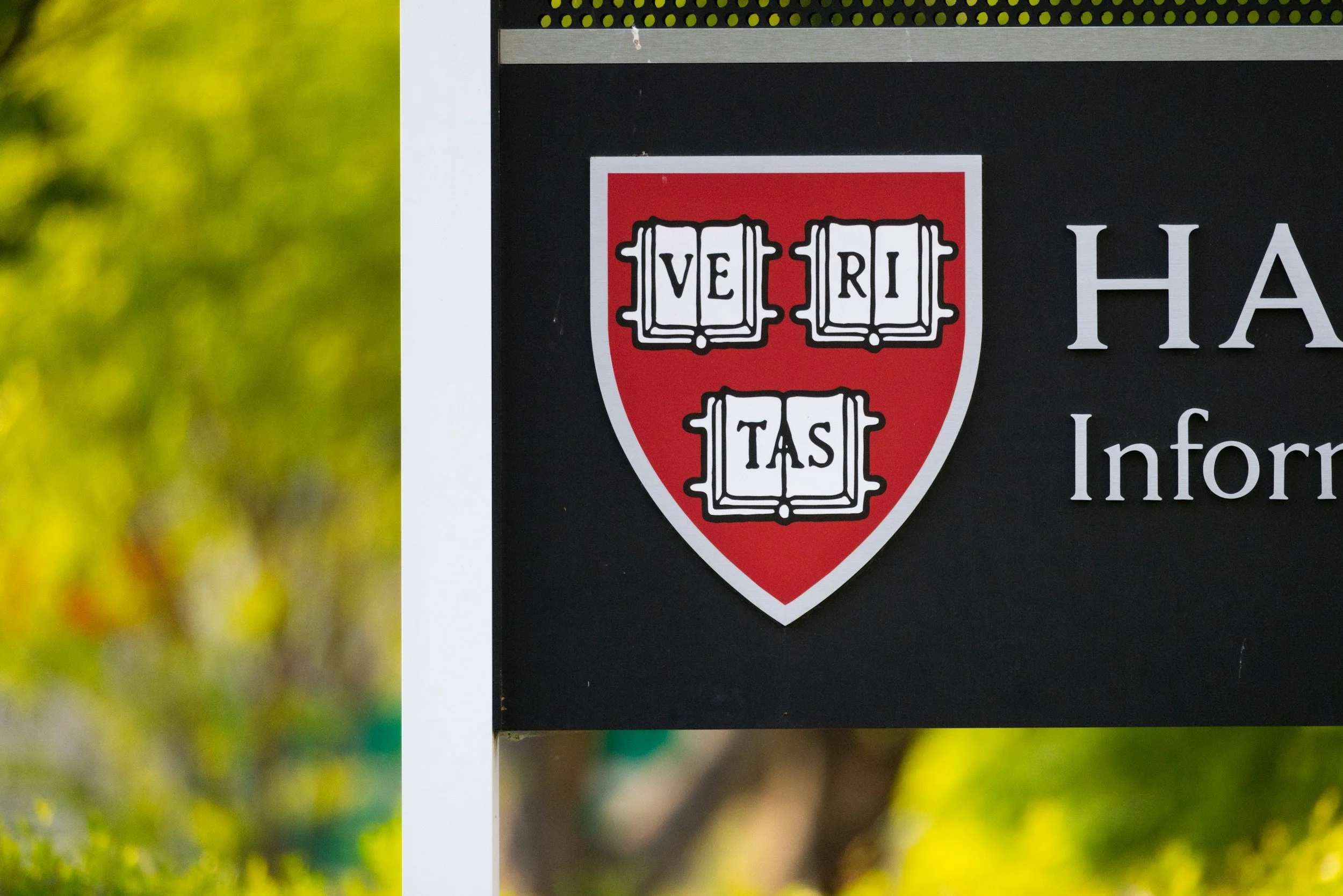
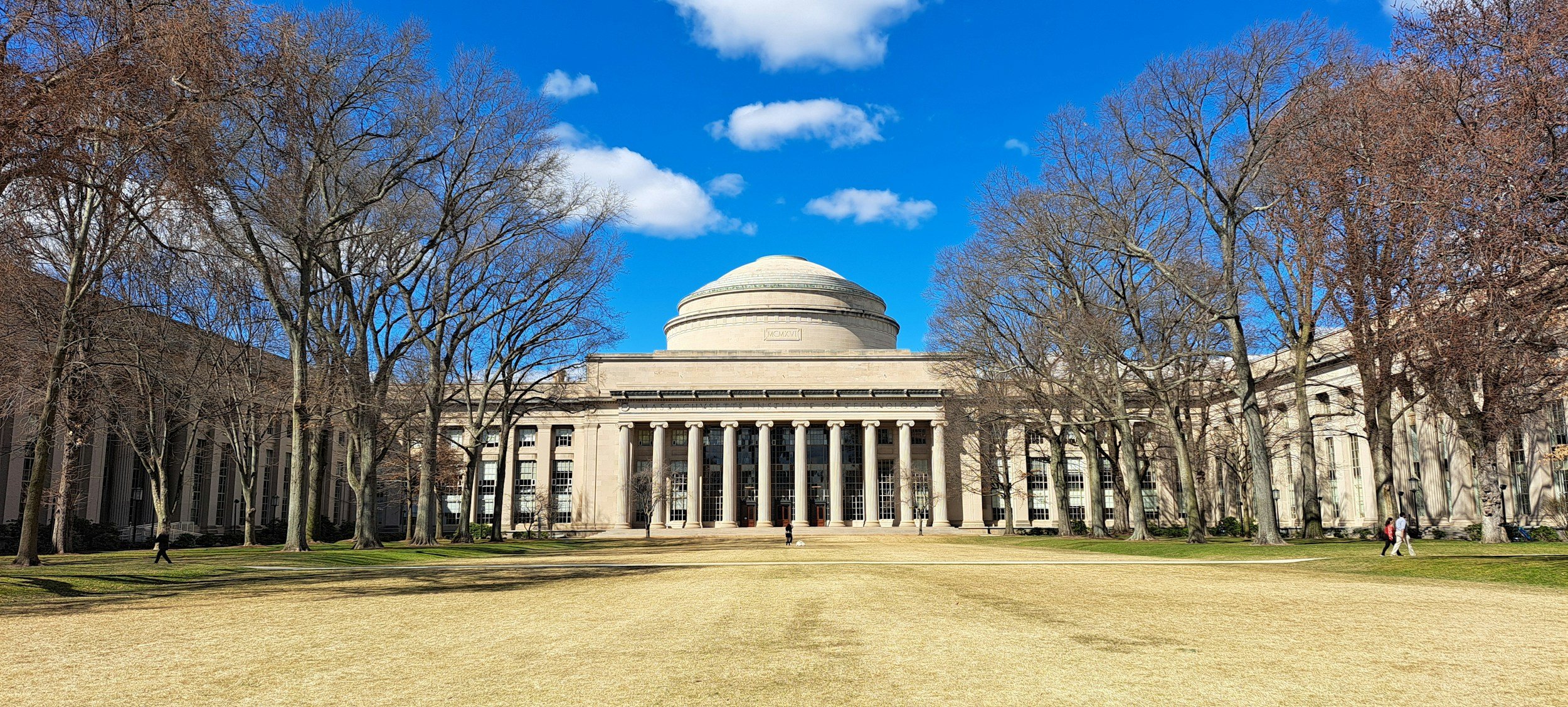
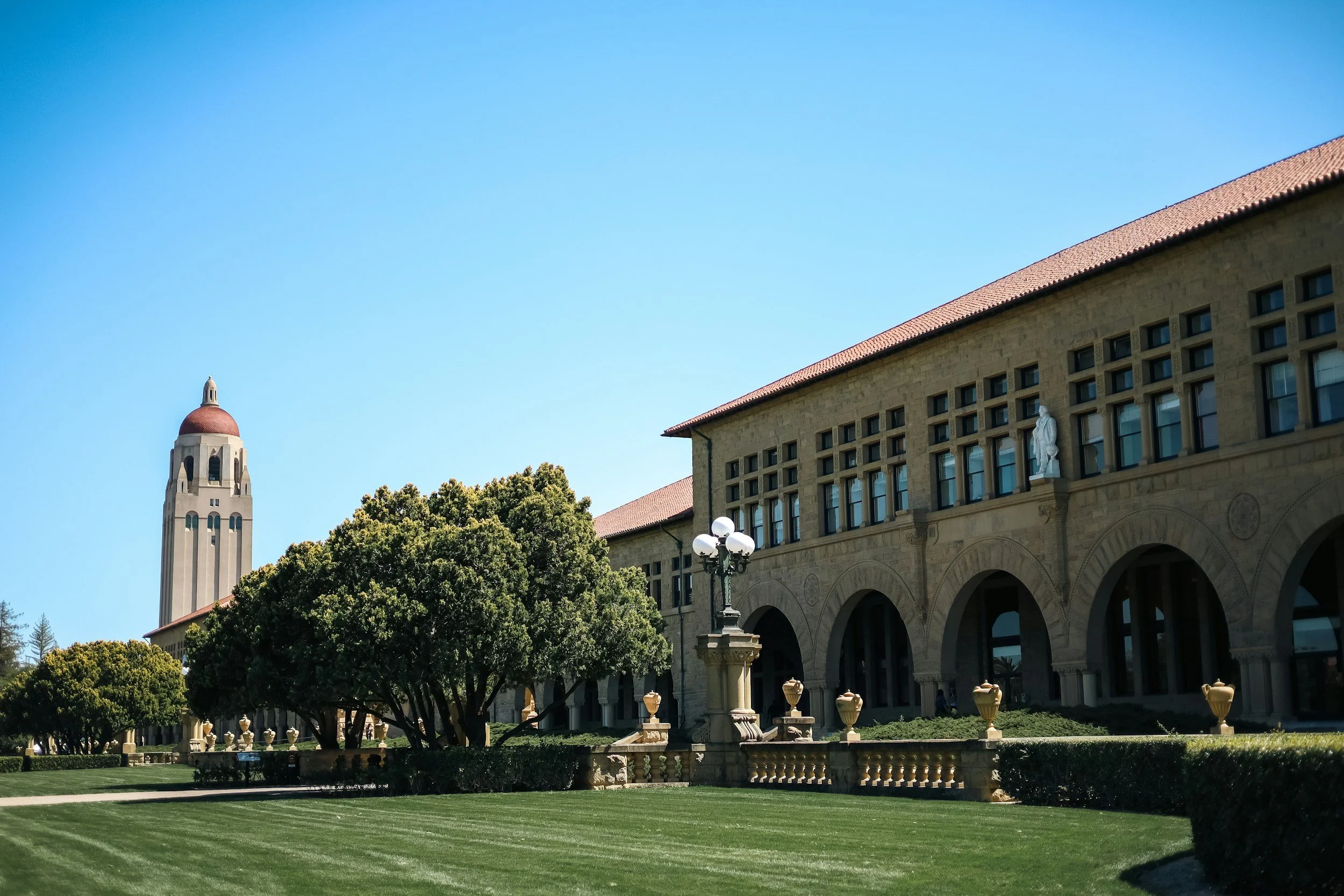
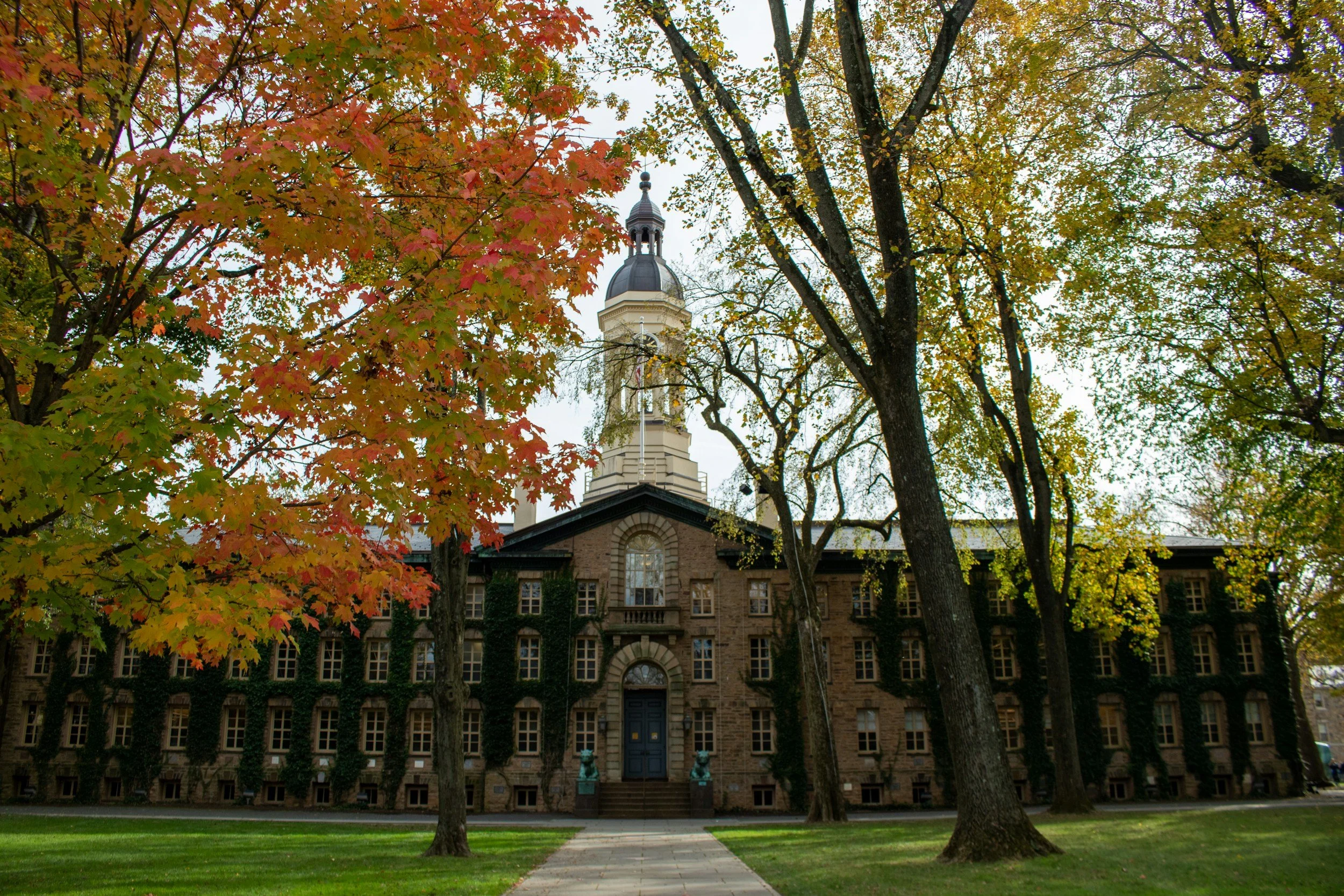
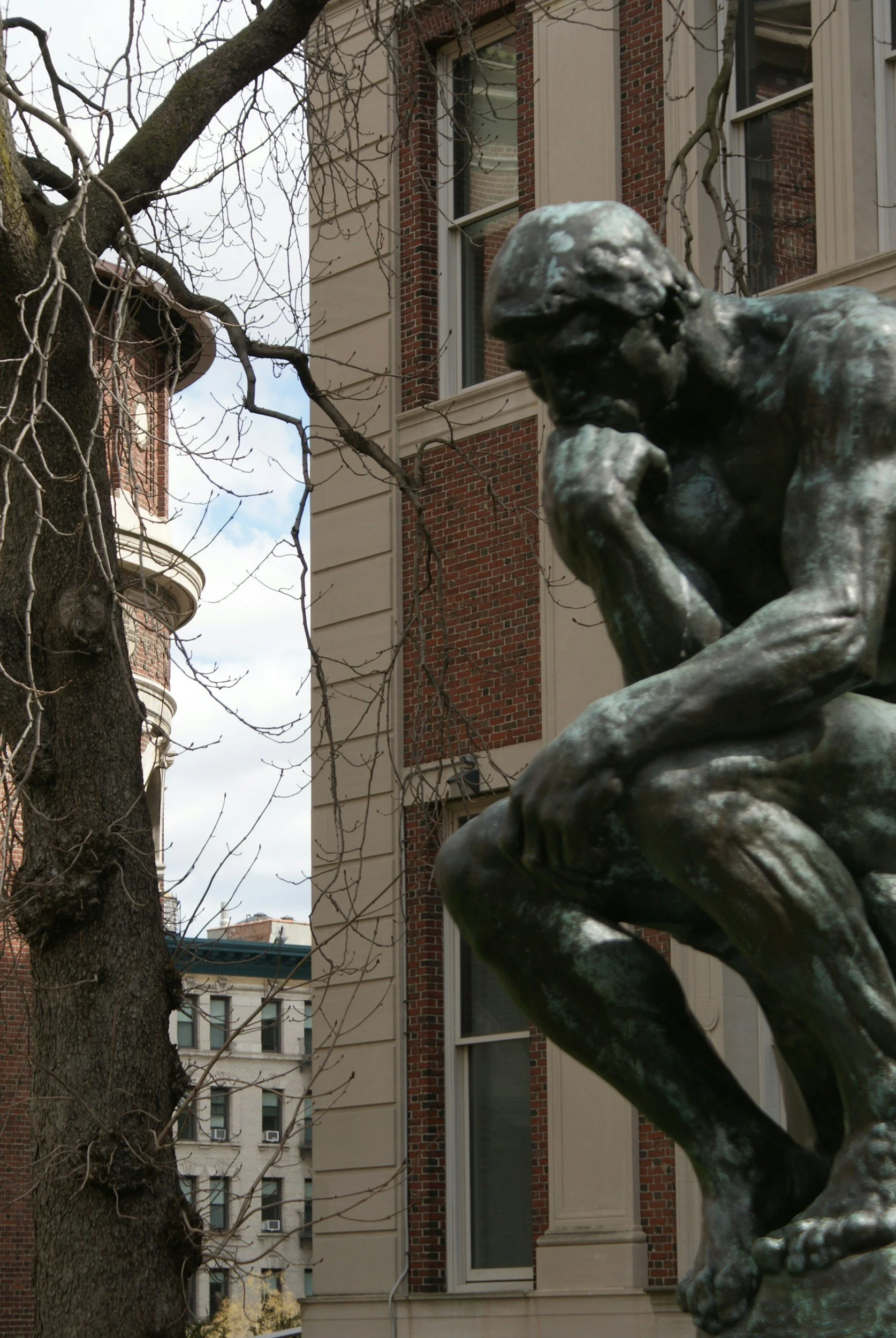
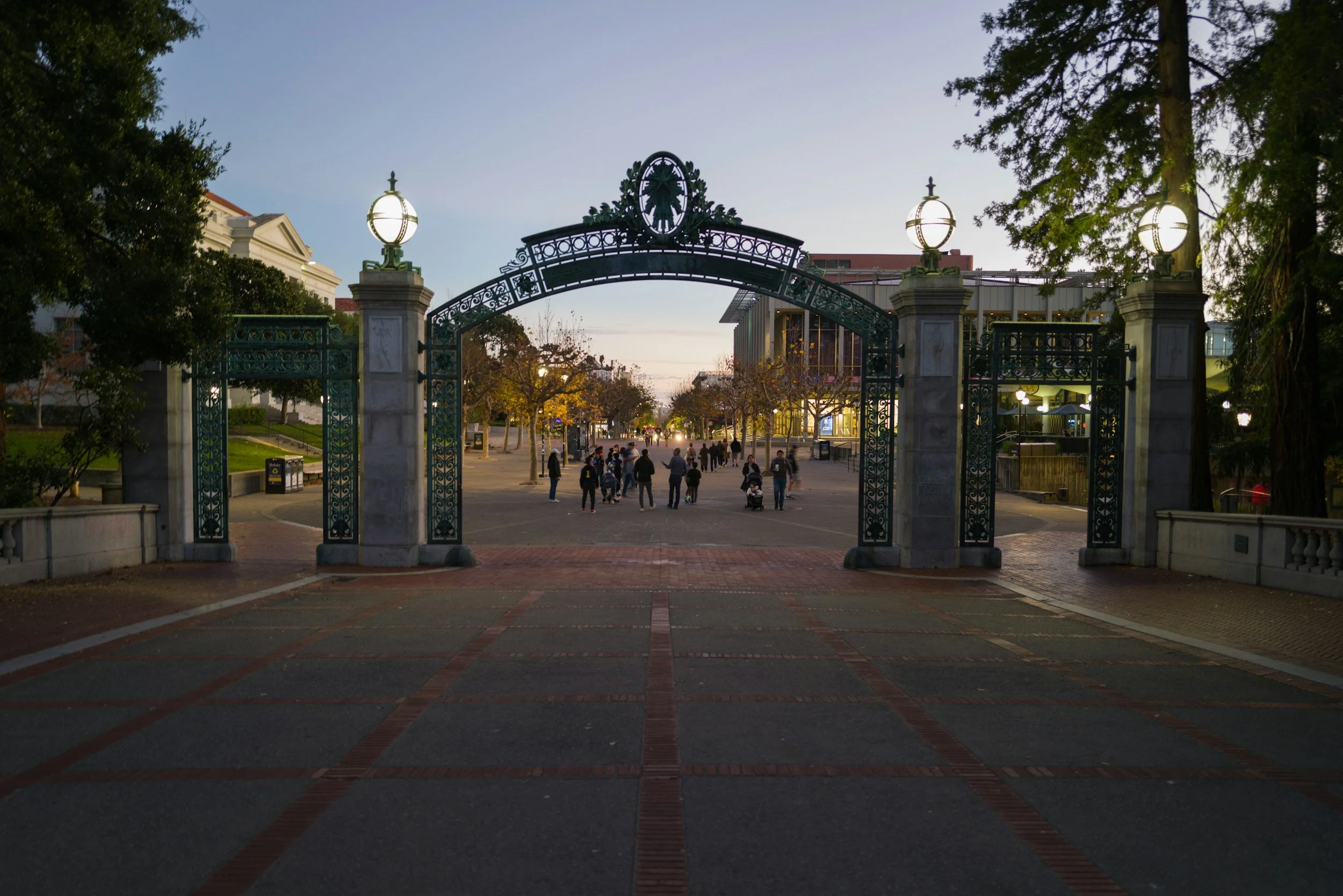
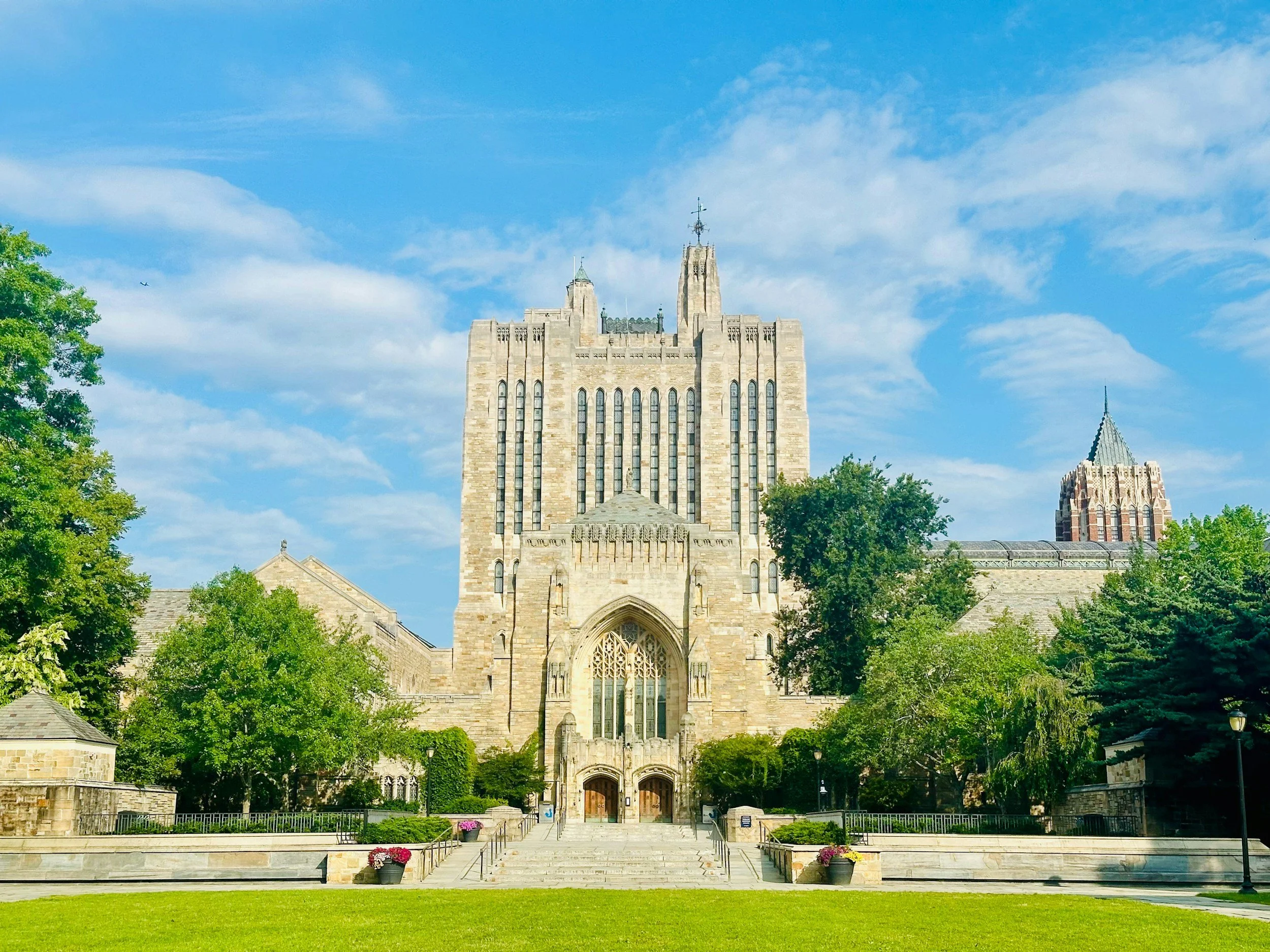
As of today, most of the most selective schools have reinstated testing requirements or announced plans to do so. Harvard, MIT, Yale, Stanford, Dartmouth, Penn, Caltech, Cornell, Johns Hopkins, and Brown all require scores, or have announced that they will. Princeton, Northwestern, Duke, Columbia, and a handful of others remain test-optional. UCLA and UC Berkeley are permanently test-free under UC system policy.
The strategic implication is significant: applicants targeting the same "Top 20" tier now face dramatically different testing expectations depending on which schools are on their list. A student applying to MIT, Harvard, Stanford, and Yale is essentially in a test-required world. Knowing the difference, and preparing accordingly, is one of the highest-leverage moves a family can make right now.
Applications Exploded — and Competition Got Fiercer
One of COVID's most lasting effects had nothing to do with any single policy change. When testing barriers dropped and "why not apply?" became a reasonable student mindset, application volumes surged. A large College Board consortium study found that applications to selective institutions grew by roughly 38% between fall 2020 and fall 2024, approximately half a million additional applications flooding into already highly competitive pools.
To put that in concrete terms: Harvard received 47,893 applications for the Class of 2029 and admitted 2,003 students, roughly a 4% admit rate. Columbia had 60,247 applicants for 1,483 spots.
The counterintuitive result: when testing barriers drop and applications surge, it doesn't necessarily become easier to get in. It often becomes harder, because more qualified students are now in the pool.
How Holistic Review Actually Changed
The phrase "holistic review" pre-dates COVID by decades. But COVID forced admissions offices to operationalize it in new ways. When test scores became optional and extracurriculars were disrupted, no summer programs, no sports seasons, no community service hours, admissions committees had to lean harder on the components that remained.
Three inputs gained significant weight during this period. First, the academic record in context: course rigor, GPA, and school profile became even more central when test scores were absent. Second, essays and recommendations: in a world where everyone's extracurriculars looked thin, your story and how others described you mattered more. Third, context and circumstances: COVID normalized the practice of explaining hardship. The Common App eventually replaced its pandemic-specific prompt with a permanent "challenges and circumstances" section, making contextual storytelling a standard feature of elite applications, not an emergency addendum.
This shift is permanent. The infrastructure COVID built, formalized hardship explanations, context-aware evaluation frameworks, more explicit policies around accommodations, didn't disappear when campuses reopened. It became standard operating procedure.
The Enrollment Uncertainty Problem — and How Schools Solved It
Beyond testing, COVID created a practical crisis in enrollment management: admitted students weren't just deciding between schools. Many were deciding whether to attend at all, or whether to defer. Stanford noted that a larger-than-usual share of admitted students delayed enrollment in fall 2020. More than 400 colleges extended their May 1 deposit deadline to June 1 or later that year.
The response was a set of tools that remain with us: longer waitlists used as uncertainty buffers, more sophisticated yield modeling, expanded deferral policies, and greater deposit deadline flexibility. Princeton's data for fall 2022 illustrates how volatile this can get, thousands of students were placed on the waitlist, and zero were ultimately admitted from it, because enrollment projections held. That kind of swing is now part of the landscape every applicant navigates.
What This Means for Students Applying Today
The COVID era produced one of the most consequential periods of change in elite admissions history, and most of it has already happened. What remains is a more complex, more stratified landscape that rewards students who understand it and punishes those who apply a one-size-fits-all strategy.
A few things are clear. Test scores are back at most of the most selective schools, and the trend is toward reinstatement, not away from it. Students targeting Harvard, MIT, Yale, or Stanford should treat the SAT or ACT as non-negotiable. Essays and contextual narrative have permanently increased in weight, your student's story, told well, matters more than it did in 2019. And the post-2023 legal landscape means that first-generation status, socioeconomic context, and the authentic texture of a student's background are now among the primary signals admissions offices can legally consider in pursuit of diversity.
Finally, waitlists and enrollment uncertainty remain elevated features of the post-COVID system. Families should understand that waitlist outcomes are not purely merit-based, they are enrollment management decisions made in real time, and they can swing dramatically from year to year.
The rules have changed. Your strategy should too. If you need help navigating this brave new world of college admissions, schedule a free consultation with a college admissions expert today.