Colleges in NYC 2026
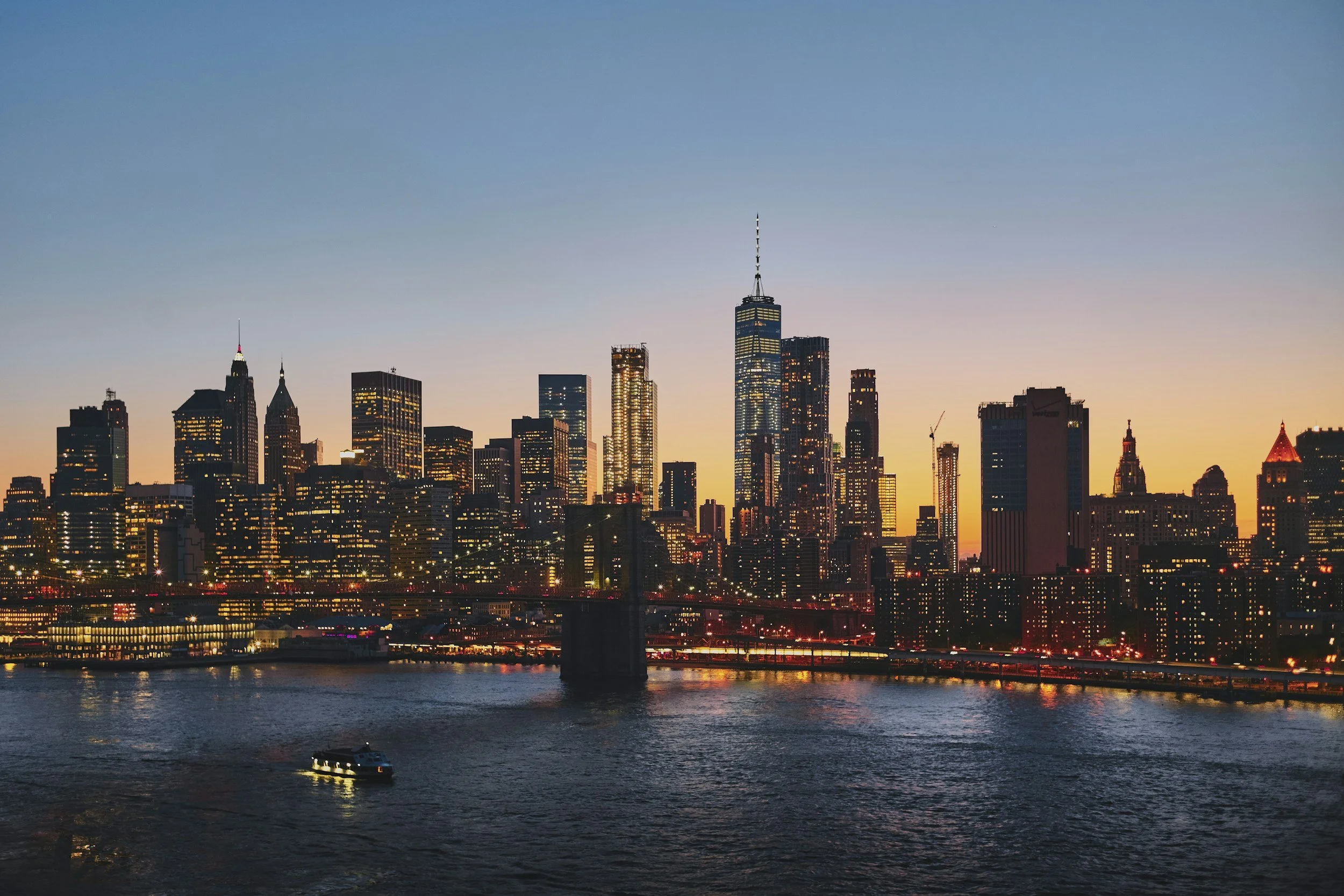
New York City is home to roughly 130 accredited, degree-granting colleges and universities. That is the highest concentration of higher education institutions in any city in the world. And yet, most lists you will find online cover the same 15 or 20 schools and call it a day.
This is the complete list. Every four-year university, every community college, every standalone medical school, every graduate-only program, every conservatory, every seminary, and yes, every accredited yeshiva in the five boroughs, ranked from the most selective to the least. If you are applying to college or graduate school in New York City, this is the only list you need.
The Most Selective Institutions in NYC (Under 15% Acceptance Rate)
The most competitive schools in New York City are not the ones most people think of first. The hardest doors to walk through in this city belong to standalone medical and biomedical graduate programs clustered on the Upper East Side and in the Bronx.
Icahn School of Medicine at Mount Sinai (Manhattan) sits at the very top with an acceptance rate of approximately 3%. This is a graduate-only medical school, and it is statistically harder to get into than any undergraduate program in the city.
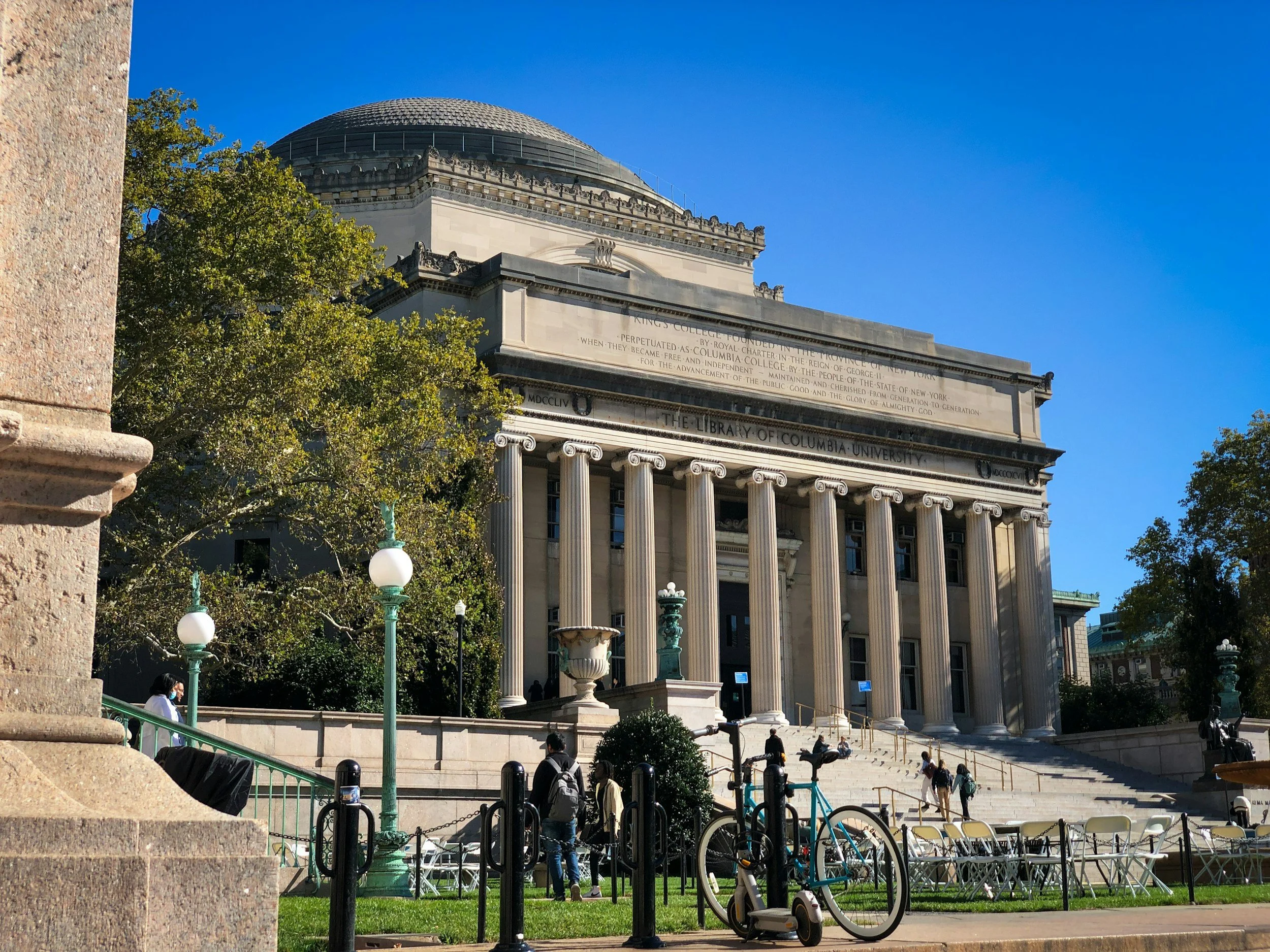
Columbia University (Manhattan) comes in at roughly 4%, making it the most selective undergraduate institution in NYC by a wide margin. If you are targeting Columbia, you are competing with applicants from around the world for one of the smallest acceptance rates in the Ivy League.
Albert Einstein College of Medicine (Bronx) and Weill Cornell Medicine (Manhattan) both hover around 4% as well. These are graduate medical programs affiliated with major research hospitals, and their selectivity rivals or exceeds the most competitive undergraduate schools in the country.
Gerstner Sloan Kettering Graduate School (Manhattan) accepts roughly 5% of applicants into its biomedical PhD programs. This tiny school operates within Memorial Sloan Kettering Cancer Center and is one of the most specialized graduate institutions in the world.
New York University (Manhattan) has seen its acceptance rate plummet in recent years and now sits at approximately 8%. NYU's transformation from a safety school for Ivy League applicants to a single-digit acceptance rate institution is one of the most dramatic selectivity shifts in modern admissions history.
CUNY School of Medicine (Manhattan) also lands around 8%. This is a combined BS/MD program, and it is far and away the most selective program in the entire CUNY system. If you are a New York City resident interested in medicine and want a tuition break, this is the golden ticket, but the odds reflect that.
Rockefeller University (Manhattan) accepts roughly 8% of applicants to its PhD programs. Rockefeller is a graduate-only biomedical research institution, and its faculty includes more Nobel laureates per capita than virtually any other university on earth.
The Juilliard School (Manhattan) comes in at about 9%. Juilliard is the most selective performing arts conservatory in the country, and its admissions process is driven almost entirely by audition, not GPA or test scores.
Barnard College (Manhattan) accepts approximately 10% of applicants. As Columbia's affiliated women's college, Barnard offers access to Columbia's resources while maintaining its own distinct identity and admissions process.
Macaulay Honors College (multi-borough) also hovers around 10%. This is CUNY's flagship honors program, and students who earn admission receive a full-tuition scholarship plus a laptop and opportunities fund. Macaulay students attend classes at one of eight participating CUNY campuses, including Hunter, Baruch, Brooklyn College, and City College.
The Cooper Union (Manhattan) rounds out this elite tier at roughly 13%. Cooper Union is one of the most unique schools in the country, offering programs only in art, architecture, and engineering to a tiny student body in the East Village.
Selective but Reachable (15% to 50% Acceptance Rate)
This tier includes some of the best-known graduate programs in the city along with the most competitive CUNY senior colleges.
Cornell Tech (Manhattan, Roosevelt Island) accepts about 15% of applicants to its graduate programs in computer science, information science, and related fields. This is Cornell University's NYC campus, and it operates as a distinct entity from the Ithaca campus.
CUNY School of Law (Queens) has an acceptance rate of approximately 25%. It is the only public law school in New York City and focuses on public interest law.
Craig Newmark Graduate School of Journalism at CUNY (Manhattan) accepts roughly 35% of applicants. This is one of the most affordable journalism graduate programs in the country and has built a strong reputation since its founding in 2006.
American Academy of Dramatic Arts (Manhattan) comes in at about 36%. This is the oldest English-language acting school in the world, and its alumni list includes some of the most recognizable names in Hollywood.
SUNY College of Optometry (Manhattan) has an acceptance rate of approximately 40%. It is the only public optometry school in New York State.
Manhattan School of Music (Manhattan) accepts about 42% of applicants. Like Juilliard, admissions here are audition-driven, but the acceptance rate is meaningfully higher.
Lehman College (Bronx) is currently the most selective CUNY senior college for undergraduates at approximately 44%. Lehman has been tightening its admissions standards in recent years.
Teachers College, Columbia University (Manhattan) accepts roughly 45% of graduate applicants. Teachers College operates as a semi-independent graduate school affiliated with Columbia and is widely considered one of the top education schools in the world.
Brooklyn Law School (Brooklyn) has an acceptance rate of about 46%. It is a standalone private law school not affiliated with any university.
Baruch College (Manhattan) rounds out this tier at approximately 50%. Baruch is one of the most popular CUNY schools, and its Zicklin School of Business is one of the largest business schools in the country. If you want a strong business education in NYC without private school tuition, Baruch is the play, but getting in is no longer a given.
The Middle of the Pack (50% to 75% Acceptance Rate)
This is where you will find the majority of NYC's four-year colleges, including many CUNY senior colleges, well-known private universities, and specialized art and design schools.
Brooklyn College (Brooklyn) and Hunter College (Manhattan) both sit at roughly 54%. These are two of the most storied CUNY campuses, and both have seen their acceptance rates fluctuate significantly over the past decade.
Fashion Institute of Technology (Manhattan) accepts about 55% of applicants. FIT is part of the SUNY system and offers some of the most competitive fashion and design programs in the country at public school prices.
New York Law School (Manhattan) also comes in around 55%. Do not confuse this with NYU School of Law. New York Law School is a separate, standalone private institution in Tribeca.
Yeshiva University (Manhattan) has an acceptance rate of approximately 56%. YU is the flagship institution of Modern Orthodox Jewish higher education in the United States, and its Albert Einstein College of Medicine (listed separately above at 4%) is its most selective unit.
John Jay College of Criminal Justice (Manhattan) accepts about 57% of applicants. John Jay has seen one of the most dramatic acceptance rate increases in the CUNY system, rising from around 34% just a few years ago to its current level.
City College of New York (Manhattan) sits at approximately 58%. CCNY is the original CUNY campus, founded in 1847, and its engineering and architecture programs remain highly regarded.
York College (Queens) and Fordham University (Bronx and Manhattan) are both around 59%. Fordham is a private Jesuit university with campuses in the Bronx (Rose Hill) and Manhattan (Lincoln Center), and at 59% it occupies a very different selectivity tier than most people assume.
New York School of Interior Design (Manhattan) accepts about 60% of applicants. NYSID is the only standalone college in the region dedicated exclusively to interior design.
Helene Fuld College of Nursing (Manhattan) has an acceptance rate of roughly 62%. This is a small, standalone private nursing school.
The New School (Manhattan) also comes in around 62%. The New School encompasses Parsons School of Design, the College of Performing Arts (which includes Mannes School of Music), Eugene Lang College, and several graduate divisions.
Touro University (Manhattan and Queens) accepts approximately 63% of applicants across its various programs, which include an osteopathic medical school.
NYC College of Technology (Brooklyn) sits at about 68%. City Tech is the largest public college of technology in the Northeast and is part of the CUNY system.
Queens College (Queens) accepts roughly 69% of applicants. Queens College has a beautiful suburban-feeling campus in Flushing and strong programs in music, education, and the sciences.
Empire State University (Manhattan), formerly SUNY Empire State College, has an acceptance rate of about 71%. This SUNY school specializes in flexible programs for adult learners.
St. Joseph's University New York (Brooklyn) comes in at approximately 72%.
Pratt Institute (Brooklyn) accepts about 73% of applicants. This is a significant shift from just a few years ago, when Pratt's acceptance rate was closer to 53%. If you are an art and design applicant, Pratt has become considerably more accessible.
SUNY Maritime College (Bronx) has a 74% acceptance rate. Maritime is unique in the SUNY system, with a campus at Fort Schuyler in Throgs Neck and a training ship docked on the East River.
SUNY Downstate Health Sciences University (Brooklyn) accepts roughly 75% of applicants across its various health science programs.
Less Selective Private Institutions (75% to 100% Acceptance Rate)
This tier includes many well-known private colleges and universities in NYC that accept the majority of their applicants.
Pace University (Manhattan) has an acceptance rate of approximately 76%. Pace's downtown Manhattan location near City Hall makes it popular with students who want a traditional college experience in the Financial District.
Metropolitan College of New York (Manhattan) and Guttman Community College (Manhattan) both come in around 77%. Guttman is notable for being a CUNY community college that is not open admissions. It uses a selective model capped at roughly 1,000 students, making it unique within the system.
Manhattan University (Bronx), formerly Manhattan College, accepts about 79% of applicants. This is a private Lasallian Catholic institution in the Riverdale section of the Bronx.
Marymount Manhattan College (Manhattan) and New York Institute of Technology's Manhattan campus both sit at approximately 81%.
LIM College (Manhattan), University of Mount Saint Vincent (Bronx), Medgar Evers College (Brooklyn, CUNY), and St. John's University (Queens) all come in around 83%.
St. Francis College (Brooklyn) accepts about 84% of applicants. This small Franciscan college in Brooklyn Heights recently became tuition-free for eligible students.
Vaughn College of Aeronautics and Technology (Queens) has an acceptance rate of roughly 85%. Vaughn is located adjacent to LaGuardia Airport and specializes in aviation, engineering, and technology.
Wagner College (Staten Island) accepts approximately 88% of applicants. Wagner is the only traditional four-year private college on Staten Island.
Mercy University's Manhattan campus comes in at about 89%.
Long Island University Brooklyn accepts roughly 91% of applicants. LIU Brooklyn has a campus in Downtown Brooklyn and competes in NCAA Division I athletics.
School of Visual Arts (Manhattan) has an acceptance rate of approximately 92%. Like Pratt, SVA has seen its acceptance rate climb significantly in recent years, rising from about 72% to its current level.
Berkeley College's NYC campus (Manhattan) rounds out the ranked institutions at roughly 98%, making it essentially open admissions in practice while not officially so.
Open Admissions Institutions
These 14 institutions accept all or nearly all applicants who hold a high school diploma or equivalent. They are listed alphabetically.
American Academy McAllister Institute (Manhattan) is one of the only colleges in the country dedicated to funeral service education.
Boricua College operates campuses in Manhattan, Brooklyn, and the Bronx. Founded in 1974 to serve the Latino community, it maintains an open admissions policy across all three locations.
The six CUNY community colleges form the backbone of open-access higher education in the city: Borough of Manhattan Community College (Manhattan), Bronx Community College (Bronx), Hostos Community College(Bronx), Kingsborough Community College (Brooklyn), LaGuardia Community College (Queens), and Queensborough Community College (Queens). Collectively, these schools enroll over 80,000 students.
College of Staten Island (Staten Island, CUNY) is unusual in being a CUNY senior college that operates on a near-open admissions basis.
DeVry College of New York (Manhattan) is a for-profit institution offering career-focused programs.
Mandl School: The College of Allied Health (Manhattan) offers open-admissions programs in allied health fields.
New York Film Academy (Manhattan) is a for-profit school offering programs in film, acting, and performing arts.
Plaza College (Queens) is a for-profit school focused on business and health programs.
St. Paul's School of Nursing (Queens and Staten Island) is a for-profit nursing school with campuses in two boroughs.
Graduate-Only Schools That Do Not Report Acceptance Rates
A significant number of NYC institutions are graduate-only and do not publicly report standardized acceptance rates. These include some of the most prestigious and specialized programs in the city.
CUNY Graduate Center (Manhattan) is the doctoral-granting institution of the CUNY system, offering PhD programs across dozens of disciplines. CUNY Graduate School of Public Health and CUNY School of Professional Studiesround out the CUNY graduate offerings.
Bank Street College of Education (Manhattan) is one of the most respected graduate schools of education in the country, particularly known for its progressive approach to child development and teacher training.
Bard Graduate Center (Manhattan) focuses on decorative arts, design history, and material culture.
Richard Gilder Graduate School at the American Museum of Natural History (Manhattan) offers a PhD in Comparative Biology and an MAT in Earth Science, making it one of the only graduate programs in the world embedded inside a natural history museum.
Sotheby's Institute of Art (Manhattan) offers graduate programs in art business and art history.
New York Academy of Art (Manhattan) is a graduate-only school focused on figurative fine art.
Relay Graduate School of Education (Manhattan) focuses on teacher preparation.
IE New York College (Manhattan) opened in 2024 in SoHo as a branch of Spain's IE University, offering graduate business and management programs.
Seminaries and Theological Institutions
NYC hosts several major seminaries that serve different religious traditions.
General Theological Seminary (Manhattan) is one of the oldest Episcopal seminaries in the country. Union Theological Seminary (Manhattan) is an interdenominational Protestant institution affiliated with Columbia University. Hebrew Union College-Jewish Institute of Religion (Manhattan) is the seminary of Reform Judaism. HJ International Graduate School (Manhattan, formerly the Unification Theological Seminary) offers interreligious graduate programs. None of these institutions report conventional acceptance rates.
NYC's Accredited Yeshivas: The Hidden Giant of NYC Higher Education
One of the most distinctive and underappreciated features of New York City's educational landscape is its massive network of over 30 accredited rabbinical colleges and yeshivas. Almost all of them are in Brooklyn, and collectively they represent one of the world's great centers of Talmudic scholarship. These institutions are accredited by the Association of Advanced Rabbinical and Talmudic Schools (AARTS) and grant recognized Talmudic degrees, but none reports acceptance rates in the traditional sense because admissions serve specific religious communities.
Brooklyn is home to approximately 28 of these institutions, including Beth HaTalmud Rabbinical College, Central Yeshiva Tomchei Tmimim Lubavitz (serving the Chabad-Lubavitch movement), Mirrer Yeshiva Central Institute (one of the largest yeshivas in America, with roots tracing to 19th-century Lithuania), Mesivta Torah Vodaath Rabbinical Seminary, Rabbinical Academy Mesivta Rabbi Chaim Berlin, Talmudical Seminary of Bobov, Talmudical Seminary Oholei Torah, United Talmudical Seminary (one of the central educational institutions of the Satmar Hasidic community), and dozens more.
Manhattan has one: Mesivtha Tifereth Jerusalem of America on the Lower East Side.
Queens has four, including Rabbinical Seminary of America/Yeshivas Chofetz Chaim in Flushing and Yeshiva Shaar HaTorah in Kew Gardens.
The Bronx has one: Yeshiva of the Telshe Alumni in Riverdale.
Most of these institutions grant First Talmudic degrees (roughly equivalent to a bachelor's degree) and some offer advanced rabbinical ordination.
What This List Tells You About Applying to College in NYC
A few patterns stand out when you look at all 130-plus institutions together.
First, the most selective schools in NYC are not the famous undergraduate brands. They are standalone medical and biomedical graduate schools. If you define "hardest to get into" by acceptance rate alone, Icahn, Albert Einstein, and Weill Cornell all beat Columbia.
Second, the CUNY system spans nearly the full selectivity spectrum. You can apply to the CUNY School of Medicine at 8% and CUNY community colleges at 100%. Macaulay Honors at 10% and the College of Staten Island at open admissions. No other public university system in the country has this kind of range within a single city.
Third, acceptance rates at many NYC schools have shifted dramatically in just a few years. NYU went from a school that accepted more than half its applicants to a single-digit acceptance rate institution in under two decades. Pratt went from 53% to 73%. SVA went from 72% to 92%. John Jay went from 34% to 57%. If you are relying on acceptance rate data from even three or four years ago, you may be building your college list on outdated assumptions.
Fourth, Manhattan dominates. Roughly 70 of the city's 130-plus institutions are headquartered in Manhattan. Brooklyn comes second with about 40, though this count is inflated by the borough's concentration of yeshivas. Queens hosts around 12, the Bronx about 10, and Staten Island just 3.
If you are building a college list that includes NYC schools, the range of options is unlike anything you will find anywhere else. But range also means complexity. Knowing where you fall in this spectrum, and which of these schools actually fits your profile, your goals, and your application narrative, is the difference between a strategic list and a random one.
Work With Us
At Cosmic College Consulting, we help academically driven students build college lists that reflect reality, not wishful thinking or outdated data. If you want expert guidance on where you actually stand and how to position yourself for the NYC schools (or any schools) that match your ambitions, schedule a free consultation.