Easiest Tier 1 School to Get Into 2026
Students often ask a deceptively simple question: Which Tier 1 college is easiest to get into?
When people ask this, they usually mean the most elite universities in the United States. In this category, the list is fairly stable:
Harvard
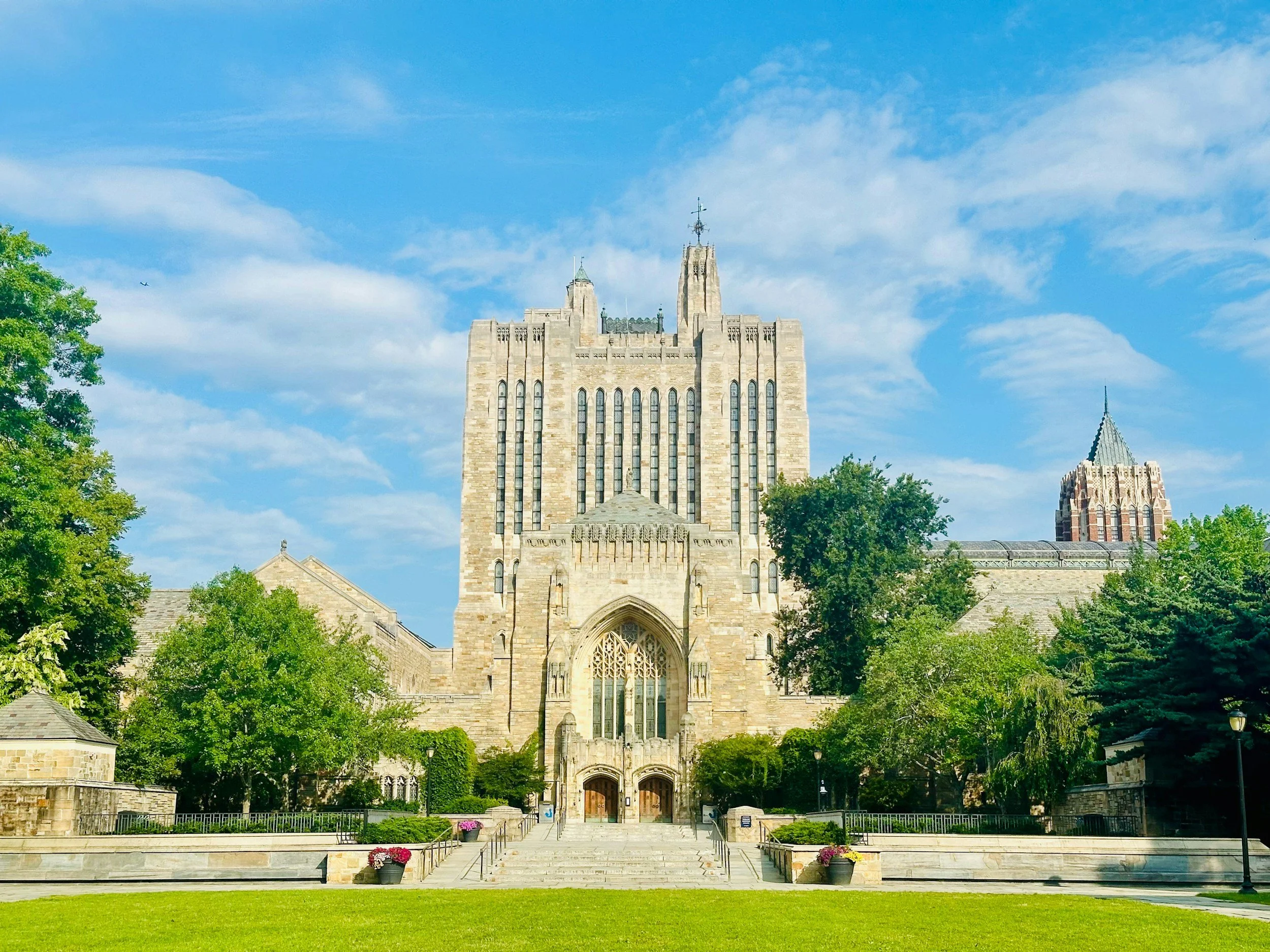
Yale
Princeton
MIT
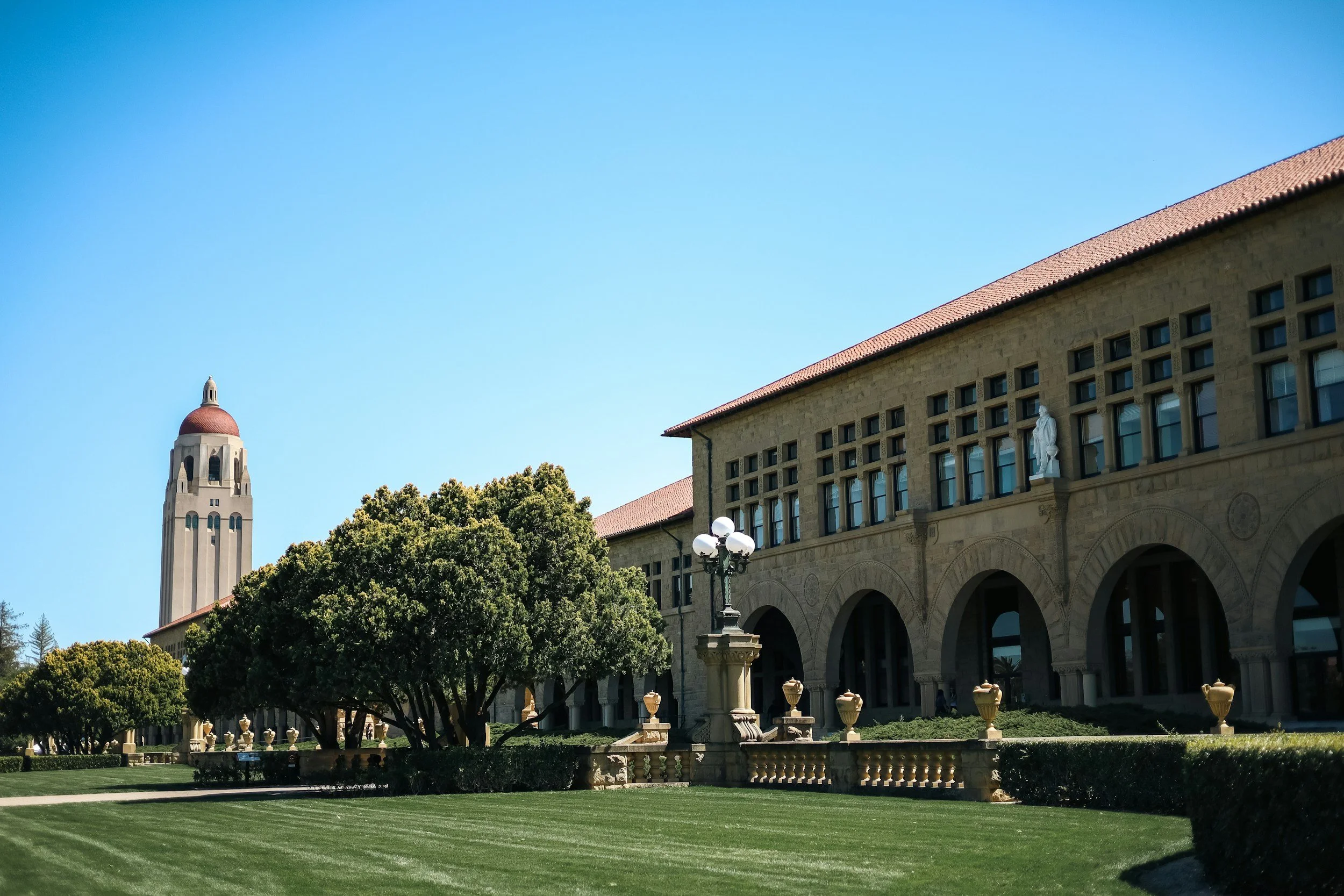
Stanford
Caltech
These institutions sit at the very top of global higher education. They attract extraordinary students from around the world and admit only a tiny fraction of applicants each year.
But asking which one is easiest to get into is actually the wrong question.
Why the Question Itself Is Misleading
All Tier 1 schools are looking for essentially the same caliber of student.
They want students who demonstrate exceptional academic ability, intellectual curiosity, initiative, and meaningful impact. Whether the student is conducting physics research, leading a large nonprofit, winning national competitions, or building software used by thousands of people, the bar is extremely high at all six schools.
Admissions officers at these universities are not simply trying to identify students who can succeed academically. They are selecting among thousands of students who could succeed academically.
Because of this, the applicant pools at these institutions are remarkably strong. The same student who is competitive for Harvard is usually competitive for Yale, Princeton, Stanford, MIT, and Caltech as well.
That is precisely why these schools form a Tier 1 group in the first place.
So from a practical standpoint, the idea that one of them is meaningfully easier than the others is misleading.
However, if we take a very lazy approach and simply compare acceptance rates, we can attempt to answer the question numerically.
Looking at the Numbers (2021–2026 Admissions Cycles)
Across recent admissions cycles from roughly 2021 through the most recent early results for the Class of 2030, overall acceptance rates at Tier 1 schools have generally fallen into the following ranges.
Caltech: roughly 2–3 percent
Harvard: roughly 3–4 percent
Stanford: roughly 3–4 percent
Yale: roughly 3–5 percent
MIT: roughly 4–5 percent
Princeton: roughly 4–5 percent
These numbers fluctuate slightly from year to year as application volumes change and universities adjust class sizes. But the pattern is fairly consistent.
MIT and Princeton usually have the highest overall acceptance rates within this Tier 1 group, generally hovering in the mid four percent range. Yale sometimes reaches similar levels in certain cycles, but often sits slightly lower.
Harvard and Stanford typically fall closer to the mid three percent range, while Caltech is usually the most selective by raw acceptance rate.
If someone insists on ranking them purely by odds of admission, the results usually look something like this.
Least selective (relatively speaking)
MIT or Princeton
Middle
Yale and Stanford
Most selective
Harvard and Caltech
But even this ranking should be treated with extreme caution.
Early Admissions Complicate the Picture
Early admission programs add another layer of confusion.
Several Tier 1 schools offer restrictive early action programs. MIT offers nonrestrictive early action. Caltech does not operate the same type of early program as the Ivy League schools. Princeton and Stanford historically have released less detailed early data in recent years.
When early data is available, acceptance rates often look dramatically higher.
For example, in recent cycles Yale has admitted roughly 10 to 11 percent of applicants through its Single Choice Early Action program. MIT’s Early Action acceptance rate has generally been around 5 to 6 percent.
At first glance this might make Yale appear significantly easier in the early round.
In reality, early applicant pools are heavily self-selected and typically include a large number of recruited athletes, institutional priorities, and students with extremely strong academic profiles.
In other words, early admission is not easier. The pool is simply different.
A Major Problem With the Data
One of the biggest challenges in answering the question “Which Tier 1 school is easiest to get into?” is that several of these universities deliberately withhold admissions statistics.
Over the past decade, a growing number of elite institutions have stopped releasing detailed admissions data in order to reduce the obsession with acceptance rates.
Here is exactly what each Tier 1 school currently publishes, and what it does not.
Harvard
Harvard historically released its Restrictive Early Action (REA) acceptance rate immediately after early decisions were announced.
However, Harvard has recently changed its reporting policy and now often waits until later in the admissions cycle to publish full statistics through institutional reports such as the Common Data Set or later admissions summaries.
As a result, during the admissions season itself it may be impossible to know:
the early acceptance rate
the regular decision acceptance rate
until months after decisions are released.
Princeton
Princeton has gone further than Harvard in limiting transparency.
In recent admissions cycles, Princeton declined to release early action admissions statistics entirely, including:
number of early applicants
number of early admits
early acceptance rate
Admissions officials explicitly stated the reason: they did not want to “discourage prospective students” by emphasizing extremely low admit rates.
Because of this policy, Princeton’s early action acceptance rate must often be estimated indirectly, which makes precise comparisons difficult.
Stanford
Stanford was actually one of the first elite universities to stop publishing admissions statistics.
Beginning in 2018, Stanford announced it would no longer release detailed admissions data, including:
early action acceptance rates
total applicants in some cycles
round-by-round admissions statistics
The university said the goal was to reduce the “outsized emphasis placed on admission rates.”
As a result, analysts often rely on student newspaper reporting or indirect estimates rather than official admissions releases.
Caltech
Caltech publishes very limited admissions breakdowns compared to many universities.
While the overall acceptance rate can be calculated from Common Data Set information, Caltech generally does not release detailed early round statistics, meaning we cannot reliably compare:
early acceptance rates
early vs regular decision advantage
This again makes direct comparisons across Tier 1 schools incomplete.
The Only Tier 1 Schools That Consistently Release Early Data
Among the Tier 1 schools, the two institutions that have been the most consistent in releasing early round statistics in recent cycles are:
Yale (Single-Choice Early Action)
MIT (Early Action)
These universities routinely publish:
early applicant totals
early admits
early acceptance rate
which is why analysts often use them as reference points when discussing early admissions.
Why This Matters
Because multiple Tier 1 schools withhold critical admissions data, any attempt to determine the “easiest” school based purely on statistics is necessarily incomplete.
We often lack:
early action acceptance rates
regular decision acceptance rates
applicant pool breakdowns
for several of the most selective universities in the world.
In other words, the data used to rank these schools is not only noisy—it is missing key pieces entirely.
The Real Answer
If we force ourselves to answer the question using only raw numbers, MIT and Princeton usually appear to have the highest acceptance rates within the Tier 1 group.
But the honest answer is that no Tier 1 school is meaningfully easier to get into than the others.
All six institutions are selecting from essentially the same pool of extraordinary students. The differences in acceptance rates often reflect variations in application volume, institutional priorities, and reporting practices rather than meaningful differences in admissions difficulty.
For students applying to these universities, the more productive question is not which one is easiest.
The better question is which one best fits your intellectual interests, academic strengths, and long term goals.
Because when acceptance rates are between two and five percent, the real determinant of admission is not the school.
It is the student.
If you need help applying or preparing to apply for Harvard, Yale, Princeton, MIT, Stanford, or Caltech, contact an admissions expert today!