Colleges Which Have Scholarships

Most students assume that scholarships at top universities are either handed out automatically based on your GPA and test scores or awarded entirely based on financial need. But there is a third category that many families overlook entirely, and it happens to be one of the most valuable. Dozens of elite universities offer named merit scholarships worth tens of thousands of dollars per year, sometimes covering the full cost of attendance, that require you to submit a separate essay, application, or portfolio beyond the standard admissions materials.
These are not the scholarships that show up in your financial aid letter because an algorithm flagged your stats. These are competitive programs where you actively throw your hat in the ring, write compelling essays tailored to specific prompts, and in many cases interview with selection committees. The payoff can be enormous. Several of the programs below are worth over $300,000 across four years, and even the smaller ones clear $10,000 per year with ease.
If you are a high school senior with strong academics, meaningful extracurricular depth, and the ability to write persuasively about your experiences and goals, these programs should be on your radar. Here is a school-by-school breakdown of the most significant essay-based scholarship opportunities at top national universities.
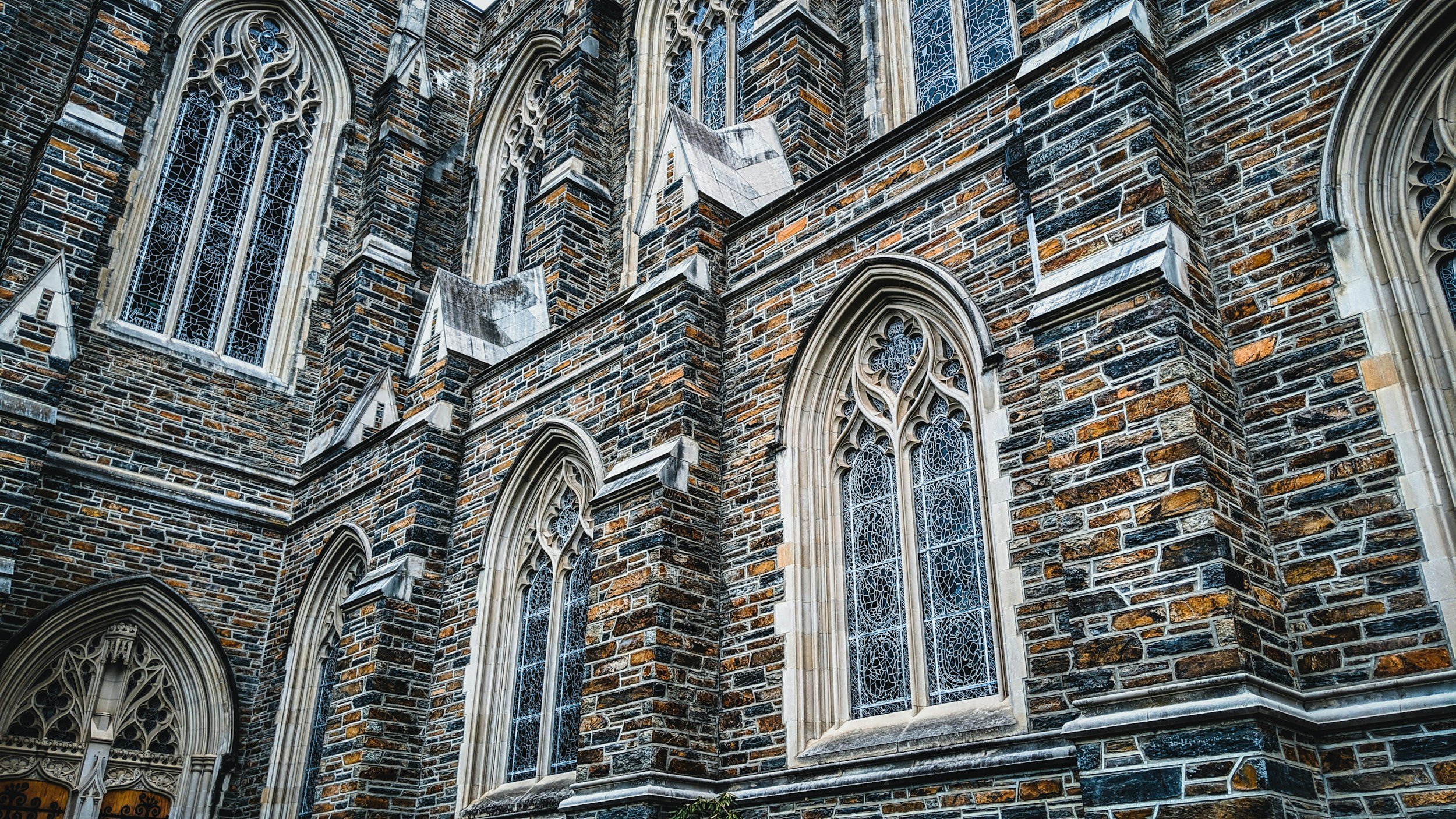
Duke University: Robertson Scholars Leadership Program
The Robertson Scholars Leadership Program is one of the most prestigious undergraduate scholarships in the country, and it requires a completely separate application from your Duke admissions materials. The scholarship covers full tuition, fees, room, and board for four years, plus full funding for three summer enrichment experiences. The total value is approximately $323,000.
You apply through the Robertson Scholars website with multiple essays focused on leadership, personal values, and your commitment to creating change. You will also need two letters of recommendation, one academic and one from a community or character reference. The program does not require SAT or ACT scores. The deadline for the Class of 2030 was November 15, 2025, so plan accordingly for future cycles.
What makes Robertson unique is that scholars get dual citizenship at both Duke and UNC Chapel Hill, including a required semester at the partner campus. Roughly 20 to 30 scholars are selected each year from thousands of applicants.
Vanderbilt University: Five Separate Scholarship Programs
Vanderbilt runs one of the most extensive merit scholarship ecosystems among top 20 universities. The university awards roughly 300 merit scholarships annually, and all of them require separate essay responses uploaded through the MyAppVU portal by December 1 after you submit your admissions application.
The flagship award is the Cornelius Vanderbilt Scholarship, which covers full tuition at approximately $62,000 per year, renewable for four years, plus a one-time summer stipend. You will write essay responses of 250 to 500 words each on prompts that focus on demonstrating deep passion in a specific area and intellectual curiosity. Around 250 students receive this award per class.
The Ingram Scholars Program also covers full tuition with a stipend for summer service or study abroad. The essay prompt asks you to explore how you have served the common good through civic or community projects. Finalists must interview. About 30 awards are made per class.
The Chancellor's Scholarship covers full tuition for approximately 12 to 15 students per class who demonstrate meaningful community service related to diversity and social justice. This one requires an additional recommendation letter beyond the standard application.
Two additional programs round out the lineup. The Carell Family Scholarship covers full tuition for students who held part-time employment during high school and demonstrate financial need. The Fred Russell/Grantland Rice Scholarship targets students interested in pursuing careers in sports or sports journalism. Both use the same MyAppVU essay portal with a December 1 deadline.
Vanderbilt publishes the full set of essay prompts as a PDF on their scholarships website each cycle, so you can start drafting well before the deadline.
Washington University in St. Louis: Three Signature Scholar Programs
WashU administers three Signature Scholar Programs that each require a separate 200 to 250 word essay submitted through the Common Application or Coalition Application writing supplement. You can apply to one, two, or all three simultaneously. You are not automatically considered for these awards. You must complete a separate scholarship application.
The Danforth Scholars Program offers full tuition with a stipend, or half-tuition scholarships for multiple students per class. Your essay should describe how you have used leadership skills to foster growth and empowerment in your community, with one or two detailed examples. Finalists attend virtual events and a mandatory interview in early March.
The John B. Ervin Scholars Program provides full tuition with a $2,500 annual stipend. The essay asks you to share a specific example of how you have championed diversity. This program is limited to U.S. citizens, permanent residents, and undocumented or DACA students. International students are not eligible.
The Annika Rodriguez Scholars Program covers full tuition with a stipend and asks for an essay about fostering cultural awareness and understanding. International students are eligible for this one. All three programs share a January 3 deadline, and all finalists interview in early March.
Emory University: Woodruff Music Scholarship
Emory's flagship Robert W. Woodruff Scholarship does not require a separate application, but the music-specific awards do. The Woodruff Music Scholarship covers full tuition, fees, on-campus housing, and meals at roughly $75,000 per year, totaling around $300,000 over four years.
To be considered, you must apply Regular Decision to Emory by November 15, indicate interest in merit scholarships, and complete a live audition with the Department of Music by December 15. Requirements vary by instrument. Pianists, for example, prepare three contrasting pieces. The Music Liberal Arts Scholarship uses the same process but covers half tuition at approximately $32,500 per year.
You do not need to major in music, but you must participate in ensembles throughout your time at Emory.
University of Virginia: Jefferson Scholars and Walentas Scholars
UVA is home to two of the most prestigious undergraduate scholarship programs in the country, both administered by the Jefferson Scholars Foundation. The critical detail here is that both are nomination-based. You cannot apply on your own. Your high school must nominate you.
The Jefferson Scholarship covers the full cost of attendance for four years, including tuition, room, board, fees, personal expenses, and enrichment funding for leadership institutes, study abroad, and alumni mentorship. The estimated value is over $80,000 per year. Nominees submit a scholastic report, two essays on foundation-provided prompts, and teacher recommendations. Regional committee interviews follow, and finalists attend a weekend at UVA in late February.
The Walentas Scholarship is identical in value and structure to the Jefferson, with one additional requirement. You must be first-generation college-bound, meaning neither of your parents earned a bachelor's degree. Both programs share a November 15 deadline for international and at-large regions and a December 1 deadline for most domestic regions.
Because these require school nomination, you need to talk to your counselor early, ideally before the end of junior year.
University of North Carolina at Chapel Hill: Morehead-Cain Scholarship
The Morehead-Cain is one of the oldest and most generous merit scholarships in American higher education. It covers full tuition, room, board, supplies, and personal expenses for four years, plus four funded Summer Enrichment Programs and access to the Discovery Fund for grants up to $8,000. The total value exceeds $300,000.
Like the Jefferson, the Morehead-Cain requires nomination, typically by your high school. North Carolina residents can self-nominate, and out-of-state Early Action applicants may be referred through the Admissions Referral Program. The separate online application includes essays, a resume of activities, and a recommendation form. Semifinalists go through interviews, and roughly 130 finalists are selected from over 2,000 nominees. About 60 to 70 scholars are chosen per year.
School counselors typically need to submit nomination materials by June 30 for the following cycle, and the student application opens August 15. This means you should be having conversations about the Morehead-Cain during the spring of your junior year at the latest.
UNC students are also eligible for the Robertson Scholars Leadership Program described under Duke above. Applying to both Robertson and Morehead-Cain simultaneously is possible since they are administered by separate organizations.
University of Florida: Stamps and Lombardi Scholarships
UF's Preeminent Scholars Program includes two major awards, and the separate application comes after you have already been admitted to UF and the Honors Program.
The UF Stamps Scholarship covers the full cost of attendance for up to four years, plus $10,000 in experiential funding and four fully funded summer enrichment experiences valued at $18,000. The total value exceeds $120,000 for in-state students. After you are admitted through Early Action and accepted into the Honors Program, you receive a link to the Preeminent Scholars application in January. This includes essays and additional materials that the scholarship committee reviews independently from your standard UF application. Finalists attend a mandatory interview weekend.
The John V. Lombardi Scholarship offers a $7,000 annual stipend plus the same four funded summer experiences, totaling approximately $46,000 over four years. It uses the same Preeminent Scholars application process.
Both awards are open to Florida and non-Florida residents, including international students.
University of Texas at Austin: Forty Acres Scholars Program
The Forty Acres Scholars Program is UT Austin's premier merit award, covering full tuition, fees, room, board, books, and enrichment funds for a total value exceeding $200,000 over four years.
All UT Austin applicants are automatically screened, but roughly 150 to 200 semifinalists are then contacted and must complete a 500-word essay on a program-specific prompt and participate in semifinalist interviews. About 50 finalists attend a Finalist Weekend at UT in early March, and only 20 to 25 scholars are ultimately selected.
You must apply to UT Austin by December 1 and be a U.S. citizen or permanent resident. The program is administered by the Texas Exes alumni association.
Georgia Tech: Stamps President's Scholars Program
Georgia Tech's Stamps President's Scholars Program is one of the most generous awards at any public university. It covers full tuition, fees, meals, housing, books, and personal expenses, plus a $12,000 enrichment fund and a $1,100 laptop stipend.
There is no separate written application. You apply via Early Action by October 15 and are automatically considered. However, the selection process involves substantial additional steps beyond the admissions application. Roughly 425 to 450 semifinalists complete a virtual asynchronous interview, and about 150 finalists are invited to an in-person Stamps Scholars Weekend in March. Around 50 incoming freshmen are selected each year. You must be a U.S. citizen or permanent resident.
Ohio State University: Stamps Eminence and Morrill Scholarships
Ohio State offers two major essay-based scholarship programs. The Stamps Eminence Scholarship covers the full cost of attendance for eight semesters plus an enrichment grant of up to $5,000 after the first year. It requires a fully separate application from the admissions process, including an essay and a video introduction. You must apply for admission by November 1 and submit the separate Stamps Eminence application by approximately November 10 to 14.
The Morrill Scholarship Program offers three tiers of funding. The Distinction level covers the full cost of attendance for roughly 40 students per year. The Prominence and Excellence levels cover varying tuition amounts. To be considered, you check the MSP interest box on the Common Application, which triggers an additional 350 to 500 word essay on a diversity and innovation prompt. Distinction finalists also complete an interview.
Both programs require U.S. citizenship or permanent residency.
Purdue University: Beering Scholarship
The Beering Scholarship may be the single most valuable undergraduate scholarship in the country. It covers the full cost of attendance for a bachelor's degree, plus one master's or MBA and one doctoral degree at Purdue, along with a semester of study abroad, room and board, books, and incidentals. If you include the graduate school coverage, the total value can exceed $500,000.
You apply for admission by November 1 and complete the John Martinson Honors College application. Select students are then invited to complete an extensive separate Beering application with essays and interviews. You must be a U.S. citizen or permanent resident.
William and Mary: 1693 Scholars Program
William and Mary's 1693 Scholars Program covers Virginia tuition, fees, room, and board annually, plus a $5,000 research stipend. All freshman applicants are automatically reviewed, but roughly 150 semifinalists are asked to submit one additional essay and a short video of about three minutes. Finalists attend a campus weekend with interviews.
Only about 8 to 9 scholars are selected per year, making this one of the most selective programs on the list. You must apply by January 1 through Regular Decision. Competitive applicants typically have SAT scores above 1500 or ACT scores above 33.
Boston University: Trustee Scholarship
The Trustee Scholarship at BU covers full tuition and mandatory fees at roughly $63,800 per year, renewable for four years. Approximately 20 awards are made each year.
This one requires two additional supplemental essays of up to 600 words each, submitted through the Common Application beyond the regular BU materials. Essay prompts are published on the BU Trustee Scholarship page each cycle. The deadline is December 1 for all materials.
Case Western Reserve University: Six Scholarship Competitions
Case Western runs one of the most robust scholarship competition systems at any university. Six separate programs require completion of the admission application plus a separate scholarship application by February 15 with additional essays or portfolio submissions.
The Andrew and Eleanor Squire Scholarship and the A.W. Smith Innovation Scholarship each cover full tuition. The Squire targets students in arts, humanities, and social sciences, while the Smith focuses on engineering, physical sciences, and mathematics. Both require additional essays.
The Louis Stokes Congressional Black Caucus Foundation Scholarship covers full tuition for up to five years plus a $2,500 grant for computers and books. The FIRST Scholarship provides $10,000 per year for students who participated in FIRST Robotics. Performing Arts Scholarships cover full tuition and require video auditions or live auditions. Arts Achievement Scholarships provide $10,000 per year for students excelling in dance, music, studio art, or theater.
Tulane University: FIRST Scholarship and Community Service Fellowship
Tulane's Paul Tulane Award and Dean's Honor Scholarship are now awarded automatically, but two programs still require separate materials. The FIRST Scholarship provides $15,000 to $30,000 per year for students who participated in FIRST Robotics, requiring a 250-word essay on your interest in science or engineering plus a letter of recommendation from a FIRST mentor.
The Community Service Fellowship considers fellows for full-tuition scholarships, including the Sotomayor Public Service Scholarship. You must complete specific supplements through the Green Wave Portal.
Lehigh University: Soaring Together Scholarship
Lehigh's Soaring Together Scholarship covers full tuition, renewable for up to eight semesters. The separate application is a creative response about gender equity that you can submit in any format you choose: a 500-word written essay, a video under five minutes, a slide presentation, or another creative format. The deadline is February 1.
University of Wisconsin, Madison: Mercile J. Lee Scholars Program
The Mercile J. Lee Scholars Program covers full tuition for resident and non-resident students plus a $400 per semester book stipend. It requires a separate application through the Wisconsin Scholarship Hub after you activate your UW Madison NetID. Applications typically open in October or November with deadlines in early February.
This program is restricted to specific populations: African American, Hispanic or Latino, Native American, Southeast Asian, or socioeconomically disadvantaged students. You must have a 3.0 GPA or above and be a U.S. citizen.
Schools That Do Not Offer These Scholarships
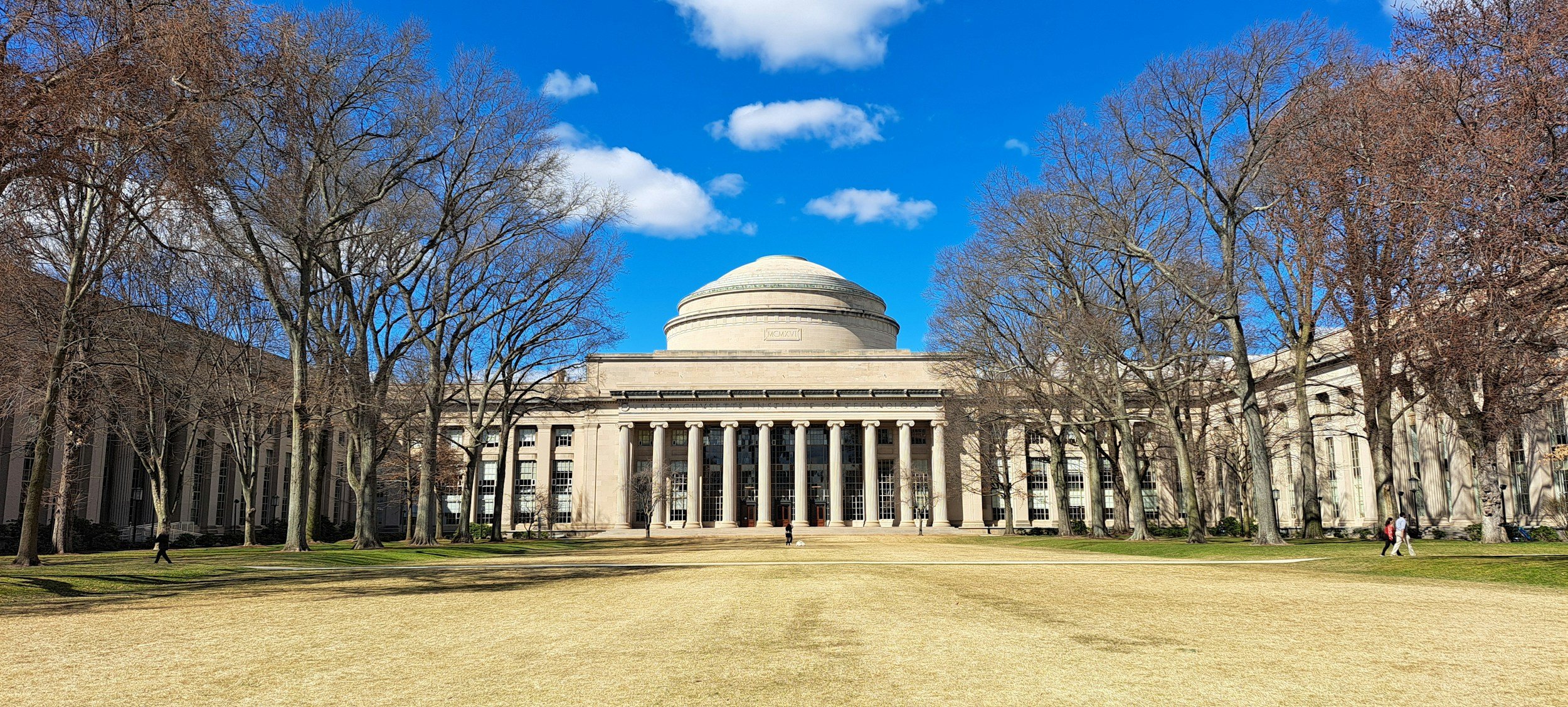
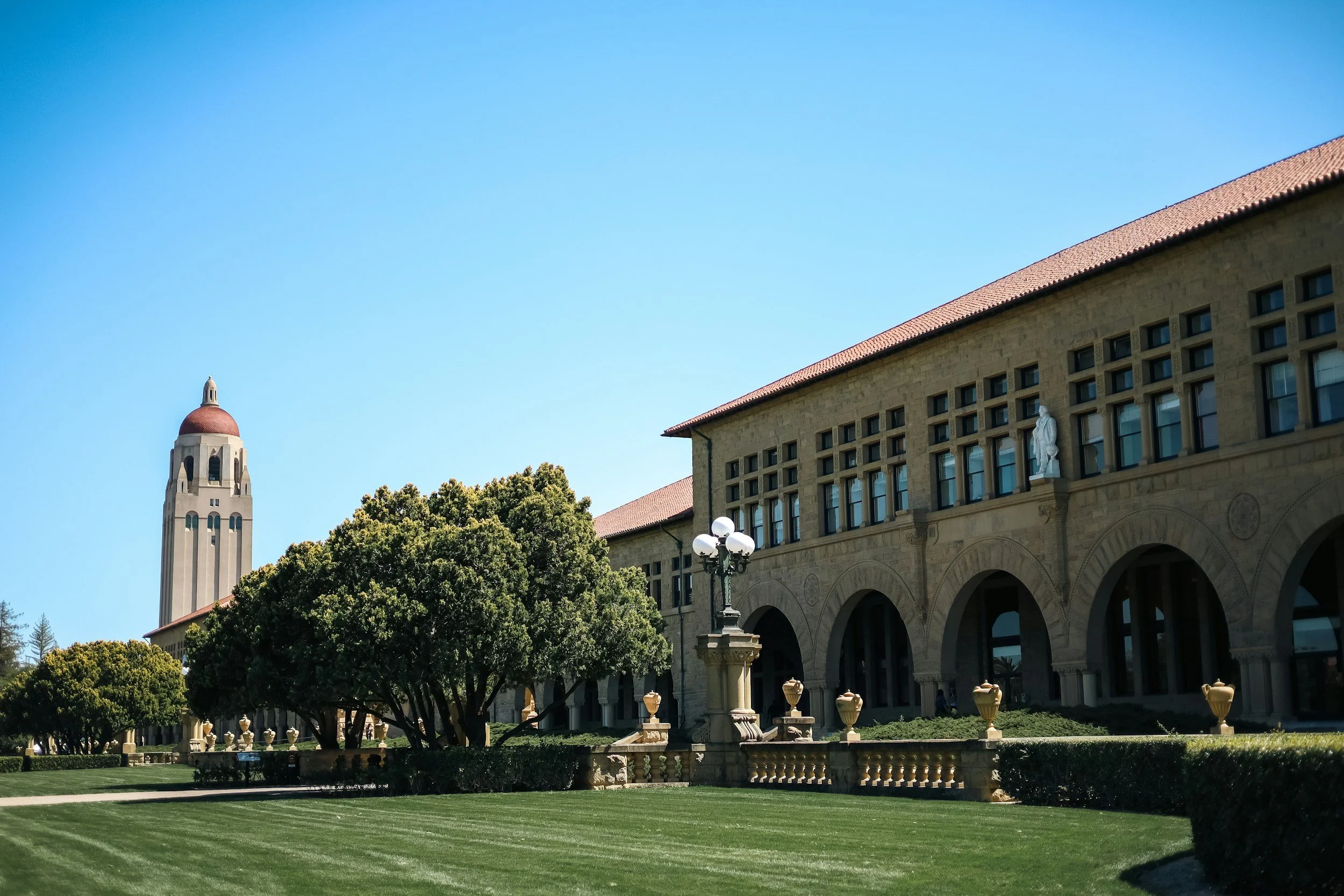
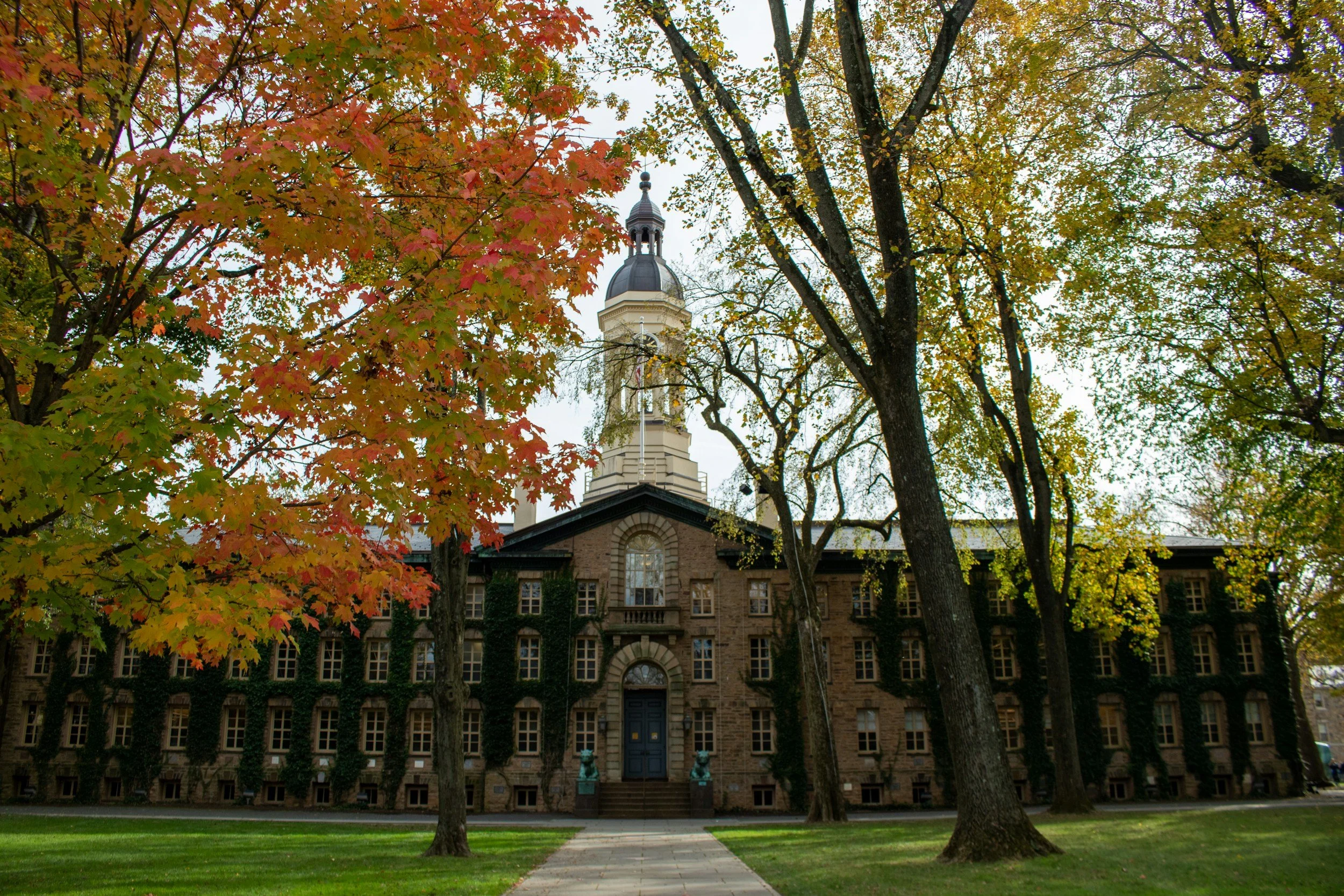
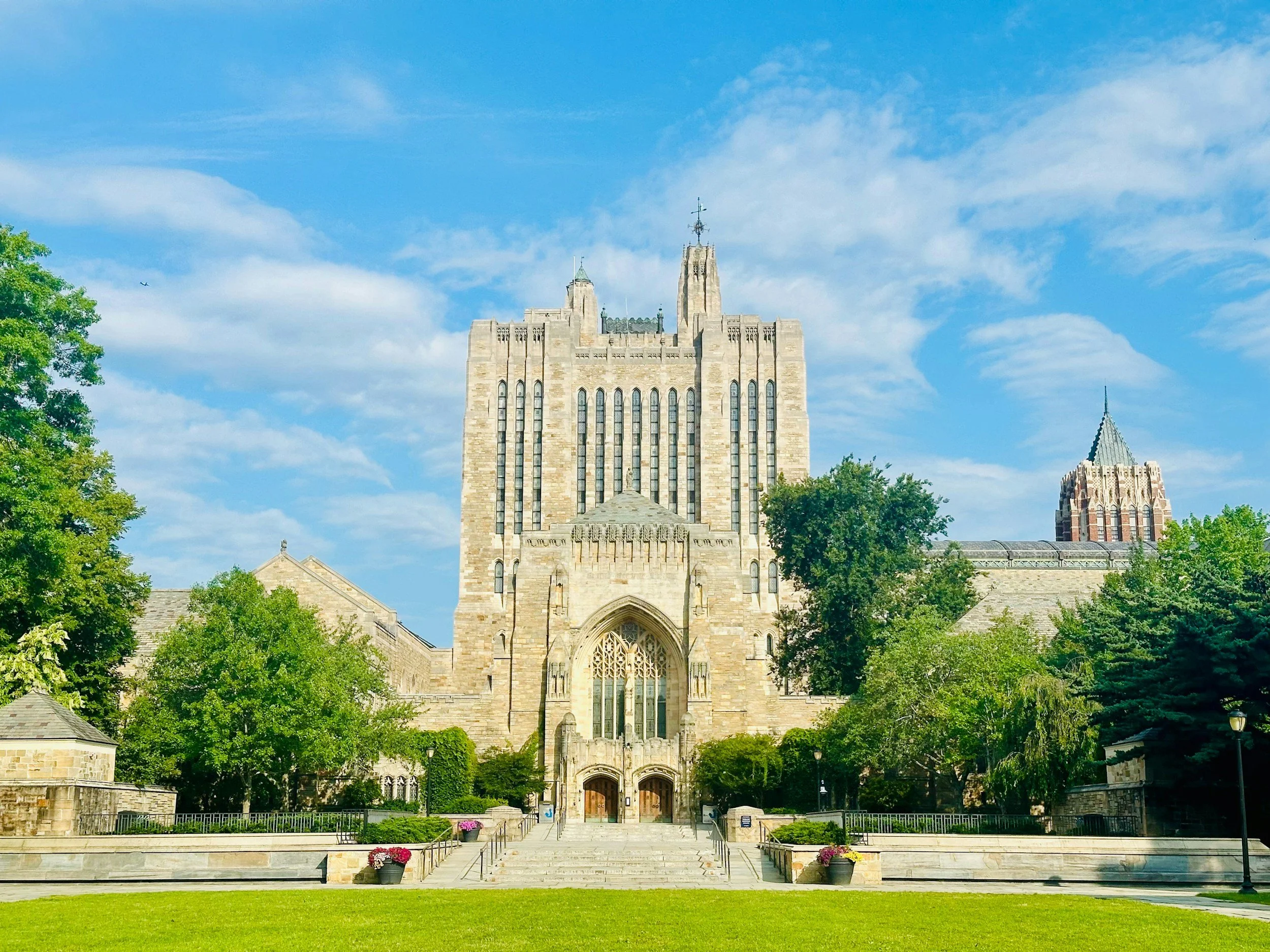
It is equally important to know which top schools do not have essay-based scholarship competitions. All Ivy League schools, including Princeton, Harvard, Yale, Columbia, Penn, Brown, Cornell, and Dartmouth, award financial aid exclusively based on demonstrated need. The same is true of Stanford, MIT, Northwestern, Georgetown, and Tufts.
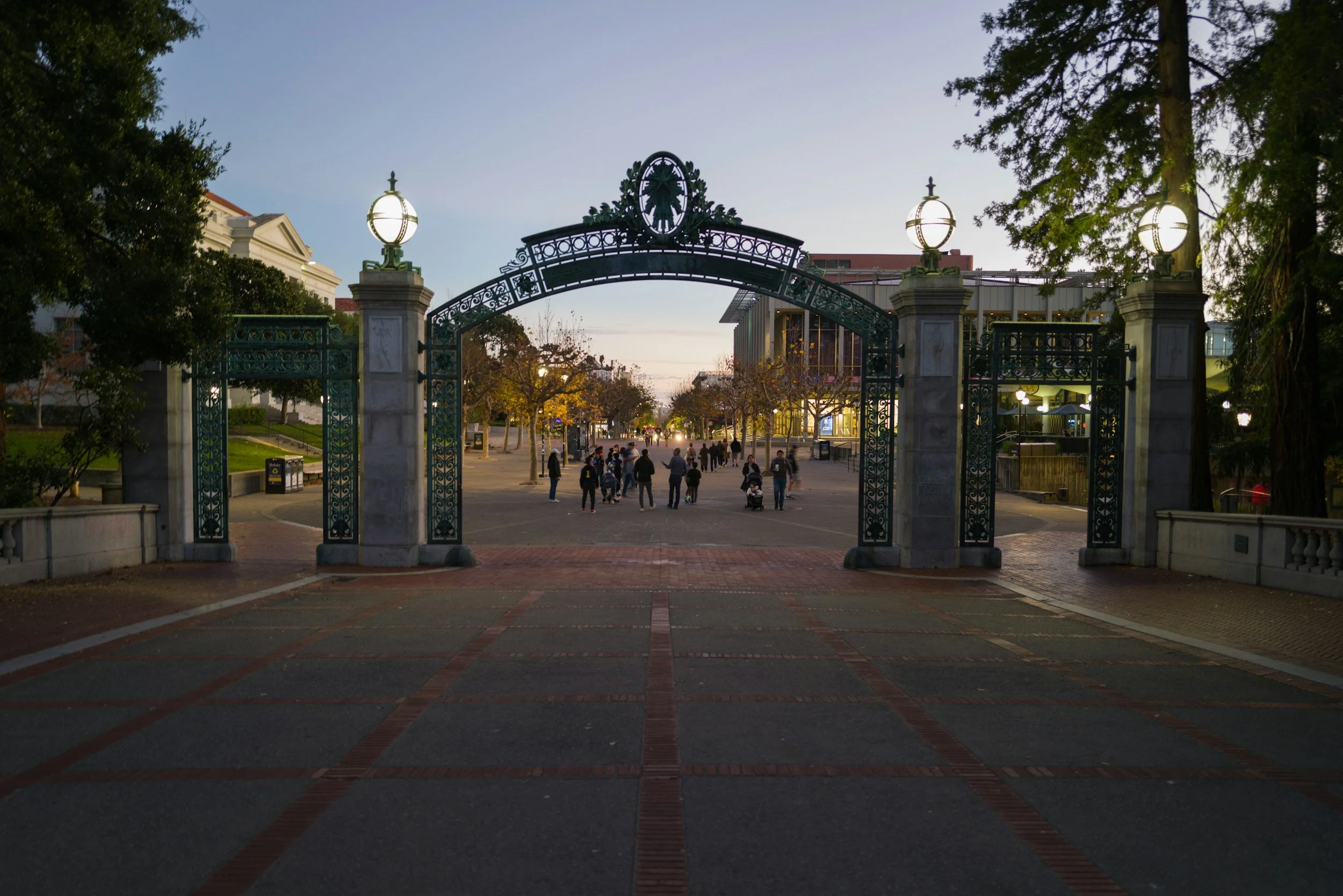
A second group of schools offers merit scholarships but considers all applicants automatically with no separate application. This includes UChicago, Johns Hopkins, Caltech, Rice, UCLA, UC Berkeley, Carnegie Mellon, Michigan, Notre Dame, USC, NYU, and many others.
How to Make This Work for You
The most competitive applicants treat these scholarship essays with the same seriousness they bring to their main application essays. These prompts are often more specific and more personal than the Common App, which means they require genuine reflection and strong writing rather than recycled material.
Several of the most prestigious programs, including the Jefferson Scholars, Morehead-Cain, and Walentas Scholarship, require nomination by your high school. If you are interested in these, talk to your school counselor during the spring of your junior year. Some nomination deadlines fall as early as June.
For programs with direct applications, deadlines cluster between November and February, with the heaviest concentration around December 1. Building a calendar that maps each program's unique requirements alongside your regular admissions deadlines is essential.
If you want expert guidance securing one of these scholarships, schedule a free consultation with a college admissions expert today.