Purdue VS Urbana Champagne 2026
If you are trying to decide between Purdue West Lafayette and the University of Illinois Urbana-Champaign, the most useful question is not simply which school is harder to get into. The more honest question is how each school is hard in different ways, and which of those differences actually matters for you.
The short answer is that Purdue rewards applicants who arrive with a clear technical direction and apply early. UIUC rewards applicants who can navigate a major-by-major admissions process, think carefully about whether their test scores help them, and want a broader academic and social ecosystem wrapped around elite STEM.
Admissions: Two Very Different Processes
Both schools use nonbinding Early Action with a November 1 deadline, and neither uses Early Decision. That is where the similarity ends.
At Purdue, November 1 is not just the EA deadline. It is also the scholarship deadline, the honors consideration deadline, and the priority review cutoff for some of the university's most competitive programs. Engineering, computer science, professional flight, nursing, and veterinary nursing all move to space-available review after that date. This means Purdue is nonbinding Early Action in form but a hard priority cutoff in practice. If you are applying to any of those programs and you miss November 1, you are taking a real risk.
UIUC's November 1 deadline also matters for competitive programs, honors, and merit aid, but the mechanics are different. Illinois operates a first-choice-major admissions system, which means the university does not just admit you to the institution at large. It reviews your application specifically against the admit pool for the major you listed first. The consequences of that structure show up clearly in the numbers. For fall 2024, UIUC's overall admit rate was 42.4%, but its first-choice-major admit rate was only 34.2%. That gap has held every year since 2021. If you are applying to a competitive program like computer science or engineering, the headline admit rate is not your admit rate.
One other meaningful difference: some UIUC applicants to highly competitive majors who apply by November 1 will not receive a final decision in the January notification round. They roll to the March release instead. Early Action at UIUC is nonbinding, but it is not a guarantee of an early answer.
Selectivity Trends
Both schools became meaningfully more selective after the pandemic admissions surge of 2021. Purdue's West Lafayette admit rate fell from 68.9% for fall 2021 to 50.3% for fall 2023. UIUC's overall admit rate fell from 59.7% for fall 2021 to 42.4% for fall 2024, and its first-choice-major rate fell from 51.4% to 34.2% over the same period.
One note if you are comparing historical Purdue data: Purdue's 2024-25 Common Data Set changed its methodology and began aggregating West Lafayette with Indianapolis and Polytechnic Statewide campuses. The 2024 figures are directionally useful but not strictly comparable to the earlier West Lafayette-only series.
Testing
This is one of the clearest differences between the two schools.
Purdue has described test scores as required or expected throughout this period, and current counselor guidance uses the phrase "test expected" with limited exceptions. The numbers back that up: for fall 2024, 92.9% of Purdue admits submitted scores. The middle-50 SAT range for admitted students is roughly 1220 to 1480. If you are applying to Purdue, plan on submitting scores.
UIUC went test-optional beginning with the fall 2021 entering class and has remained test-optional through the current 2026 cycle. Around half of enrolling students have submitted scores in recent years. For those who do submit, the middle-50 SAT range for enrolled students in fall 2024 was approximately 1390 to 1520. The strategic question at UIUC is whether your scores are strong enough to help you in your specific major pool. If they are not in that range for a competitive program, you may be better off not submitting.
Location and Campus Feel
Purdue sits in West Lafayette, Indiana, about an hour north of Indianapolis and roughly two hours south of Chicago. The campus covers nearly 2,500 acres and has its own airport, with Indianapolis International 65 miles away. The surrounding area is smaller and more self-contained, which is part of what gives Purdue its famously concentrated campus culture. Everything tends to orbit the university.
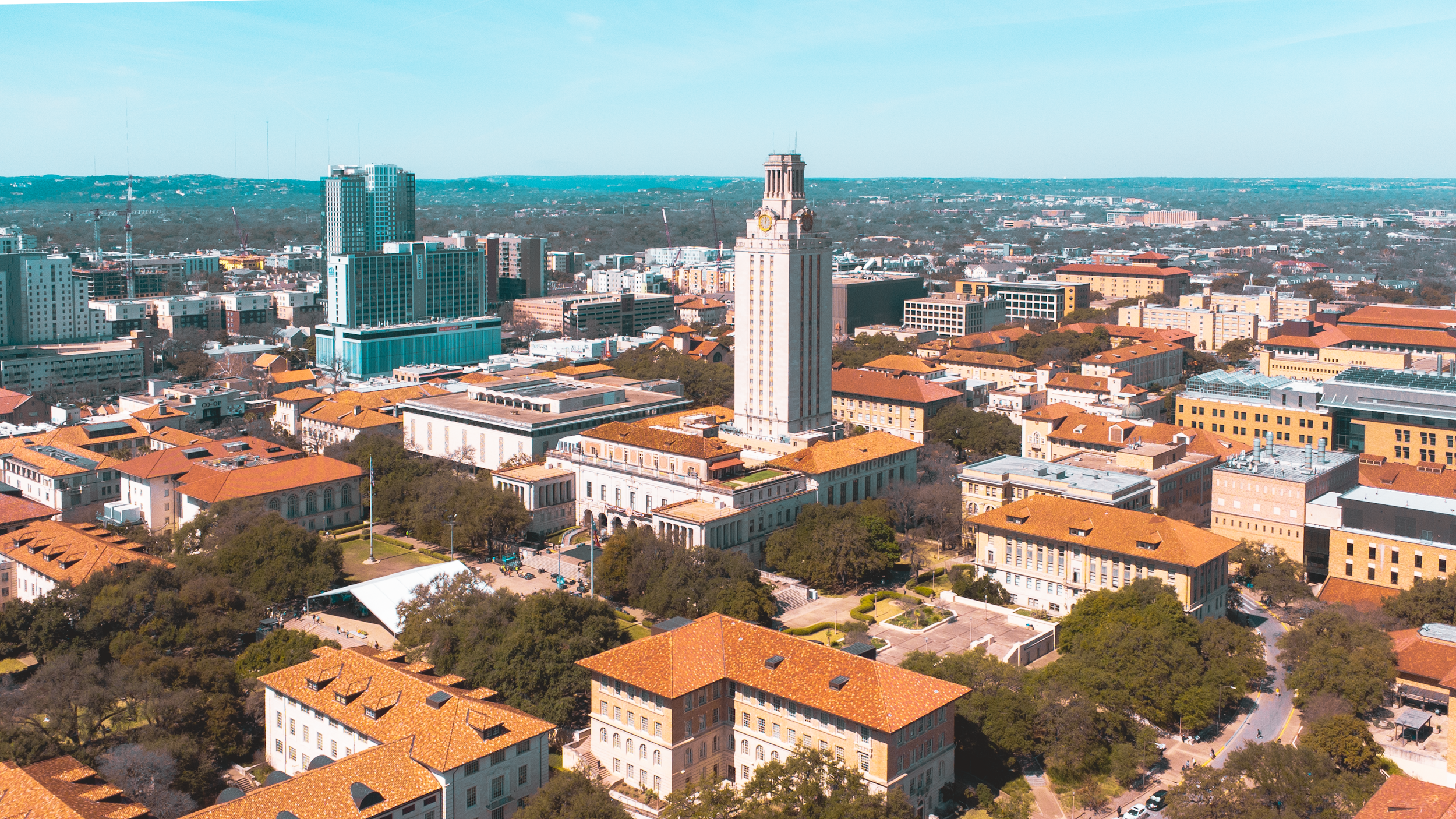
UIUC is different in character. The university's footprint spans nearly 10 square miles across the twin cities of Urbana and Champaign. The lived undergraduate experience is denser and more urban-feeling, with a free award-winning transit system, strong bike infrastructure, an Amtrak hub in downtown Champaign, and Campustown offering the kind of nightlife and restaurant ecosystem you do not typically find in a Big Ten college town. Chicago, Indianapolis, and St. Louis are all reachable by car or train. Purdue markets itself around a "Hard Tech Corridor" linking campus to Indianapolis. UIUC markets Urbana-Champaign as "Silicon Prairie," positioning the area as a research and startup hub embedded in a small metropolitan area with more amenities than most people expect from central Illinois.
If you want a campus that feels complete in itself, Purdue delivers that. If you want a campus that bleeds into a functioning small city, UIUC delivers that.
Student Life
UIUC is larger in every student-life dimension. The university reports over 1,000 student organizations, 54 fraternities and 42 sororities including many culturally based chapters, and 30 or more resource and cultural centers. The combination of scale, urban energy, and multicultural infrastructure makes UIUC one of the more socially varied campuses in the Big Ten.
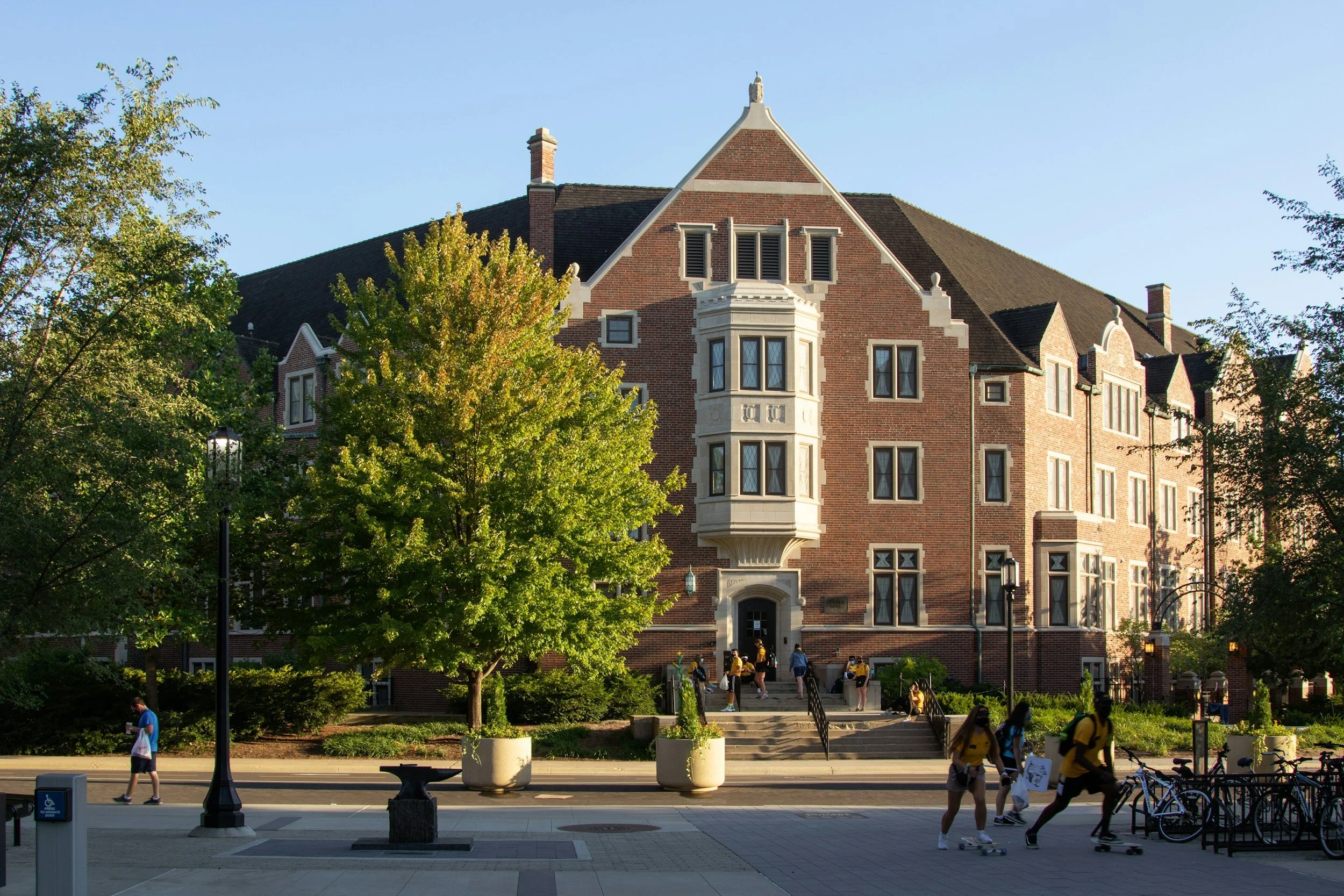
Purdue's student-life identity is more focused and residentially centered. Ninety-three percent of first-year students live in university residences, and the university places heavy emphasis on internship culture: 82% of students complete at least one internship during their time there. The campus feel tends toward structured, career-oriented, and school-spirit-driven, especially in engineering and related fields. That is not a criticism; for a lot of students, that environment is exactly what they are looking for. It is just a different social atmosphere than UIUC offers.
Academics and Reputation
Purdue's academic identity is most concentrated in engineering, computing, and technical fields. Its undergraduate engineering program is ranked 8th nationally by U.S. News, and the university routes all engineering admits through a common First-Year Engineering curriculum before they specialize in year two. The institution is built around the assumption that students come in with professional direction. Over 400 research labs operate on the West Lafayette campus, and the university reports $647.3 million in systemwide research expenditures.
UIUC offers more breadth. The university advertises 150 or more majors across 11 academic communities, and its engineering and computer science programs are consistently elite. But Illinois also has genuine strength in business, media, the arts, and the liberal arts in a way that Purdue's public brand does not emphasize as heavily. UIUC's campus profile reports $636.8 million in sponsored research for 2024-25. Both are major research universities in every meaningful sense.
On overall reputation, UIUC is currently ranked 12th among public universities and 36th overall by U.S. News. Purdue's strongest rankings are in engineering and in global benchmarks like QS World University Rankings, where it places in the top 10 among publics. Both schools carry real national credibility. The rough consensus is that UIUC tends to carry slightly broader all-university prestige, while Purdue carries especially strong brand power in engineering, technology, and industry.
Career Outcomes
Both schools have serious employer pipelines. Purdue's Center for Career Opportunities reports 89.9% successful outcomes for the Class of May 2024, with 1,833 unique employers recruiting through Purdue-sponsored platforms. UIUC's materials cite 18,000 unique employers, including 92 Fortune 100 companies, recruiting Illinois students in a recent year, with top employers including Amazon, Apple, Microsoft, Deloitte, IBM, Caterpillar, Chase, and PepsiCo. Those are not identical metrics and should not be treated as a direct comparison, but the combined evidence is clear: both schools place graduates well, Purdue is particularly strong in structured career preparation, and UIUC is particularly strong in employer breadth and variety.
If you want help thinking through which model fits your goals, your academic profile, and your application strategy, schedule a consultation with an admissions expert today.