Best CS Programs 2026

If someone asks you which colleges have the best computer science programs in 2026, the honest answer is that "best" depends almost entirely on what you are trying to get out of your undergraduate experience. The programs that serve a future PhD researcher in machine learning look different from the programs that serve a student who wants co-op placements before graduation. And the programs that make sense for a student who needs to keep costs manageable look different still.
What you will find below is not a single ordinal list. A single number ranking implies a false precision that the underlying data cannot support. Instead, this article organizes leading programs into a top band and then into archetypes, so you can identify the schools that genuinely match your priorities rather than just the ones that happen to top a magazine survey in a given year.
How We Define "Best"
Before looking at any individual school, it helps to understand what criteria actually matter for undergraduate CS.
Curriculum rigor and breadth. The strongest programs give you a real foundation in theory, systems, algorithms, software engineering, and mathematics, and then let you specialize in areas like artificial intelligence, security, human-computer interaction, robotics, or data science. The depth and flexibility of that pathway matter more than any single headline metric.
Research access. If you want to build something original, publish, or pursue graduate school, your access to research as an undergraduate is essential. The best programs have structured pathways for undergraduates to join faculty labs, not just informal arrangements that depend on who you happen to meet.
Faculty depth. A strong faculty bench means your experience does not depend on a handful of stars. Programs with deep CS faculty produce more research across more subfields, which translates directly into more opportunity for you.
Career outcomes. CS degrees should work in the labor market. Programs with strong industry ties, high internship participation, and verifiable salary data give you a clearer picture of what your degree will actually return.
Value and affordability. Sticker price is not the same as net price. Some elite private schools have need-blind aid and no-loan policies that make them less expensive in practice than many public schools. Public flagships at in-state tuition are often extraordinary values once you account for what you actually pay.
Student experience and scale. Large research universities offer resources, alumni networks, and employer access. Smaller programs offer faculty contact, tighter cohorts, and more individualized mentorship. Neither is objectively better. The question is which environment will actually work for you.
The Top Band: Programs That Excel on Almost Every Dimension
Four programs sit at the strongest intersection of curriculum rigor, research intensity, faculty depth, undergraduate opportunity, and career outcomes regardless of how you weight the criteria: MIT, Stanford, Carnegie Mellon, and UC Berkeley.
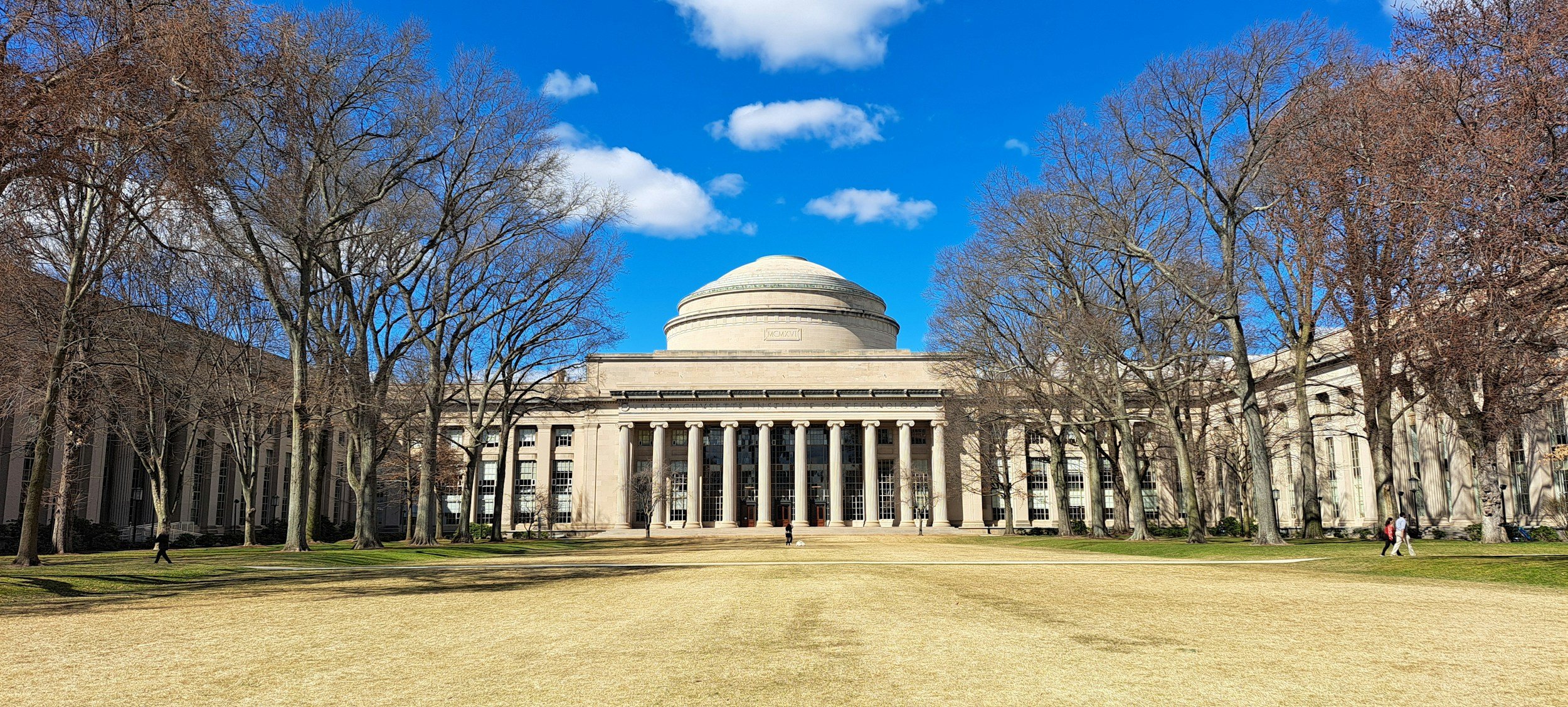
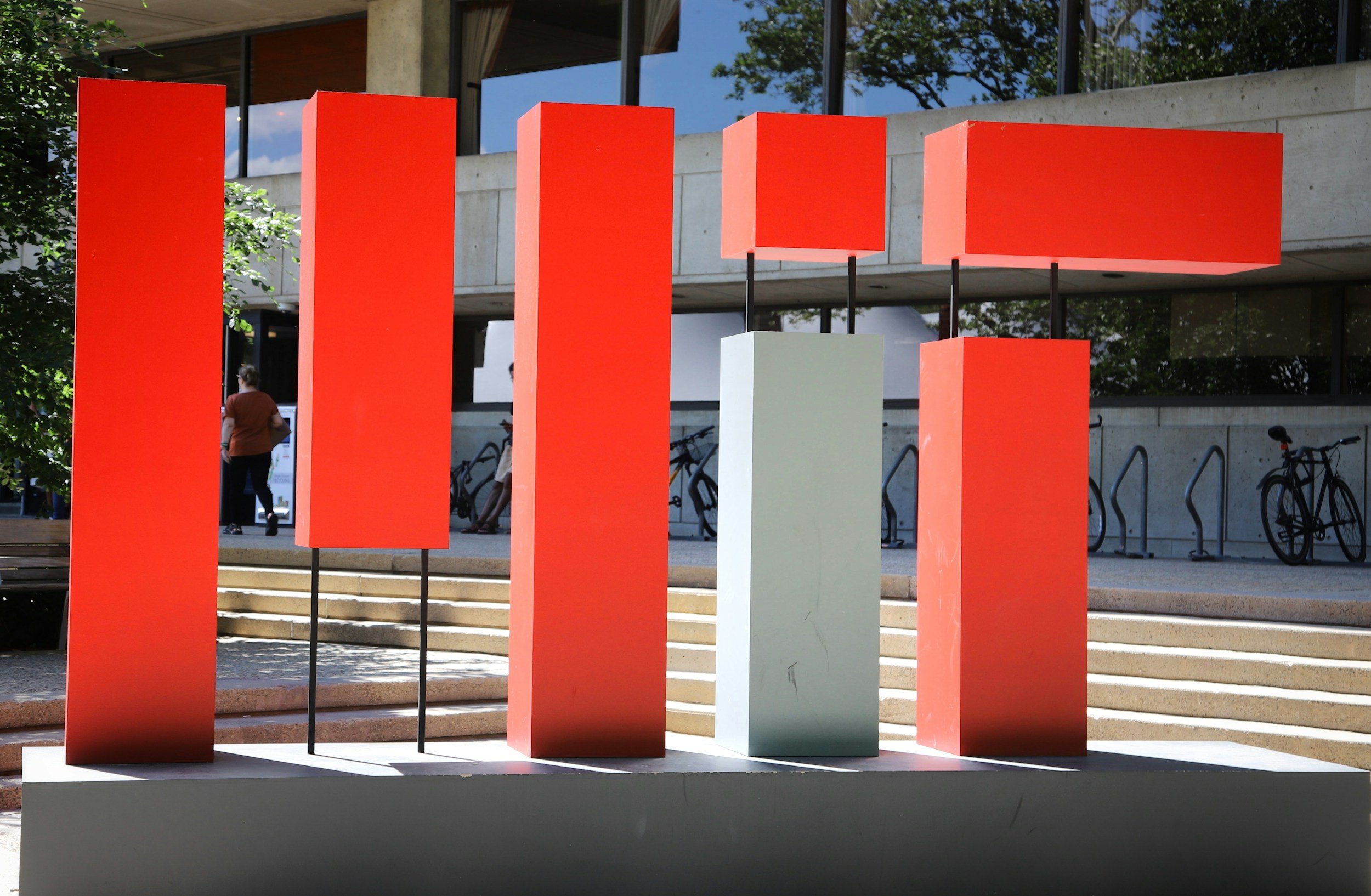
MIT runs its CS program through Course 6 inside Electrical Engineering and Computer Science. The curriculum is mathematics-heavy, the research density is exceptional, and the startup ecosystem in Cambridge and Boston gives you immediate access to founders and companies. The average annual cost after aid is approximately $20,100, which makes it more affordable than many people expect. If you want maximum rigor, research gravity, and founder energy in one place, MIT is the defensible first choice. The intensity is real, and you should go in with clear eyes about that.
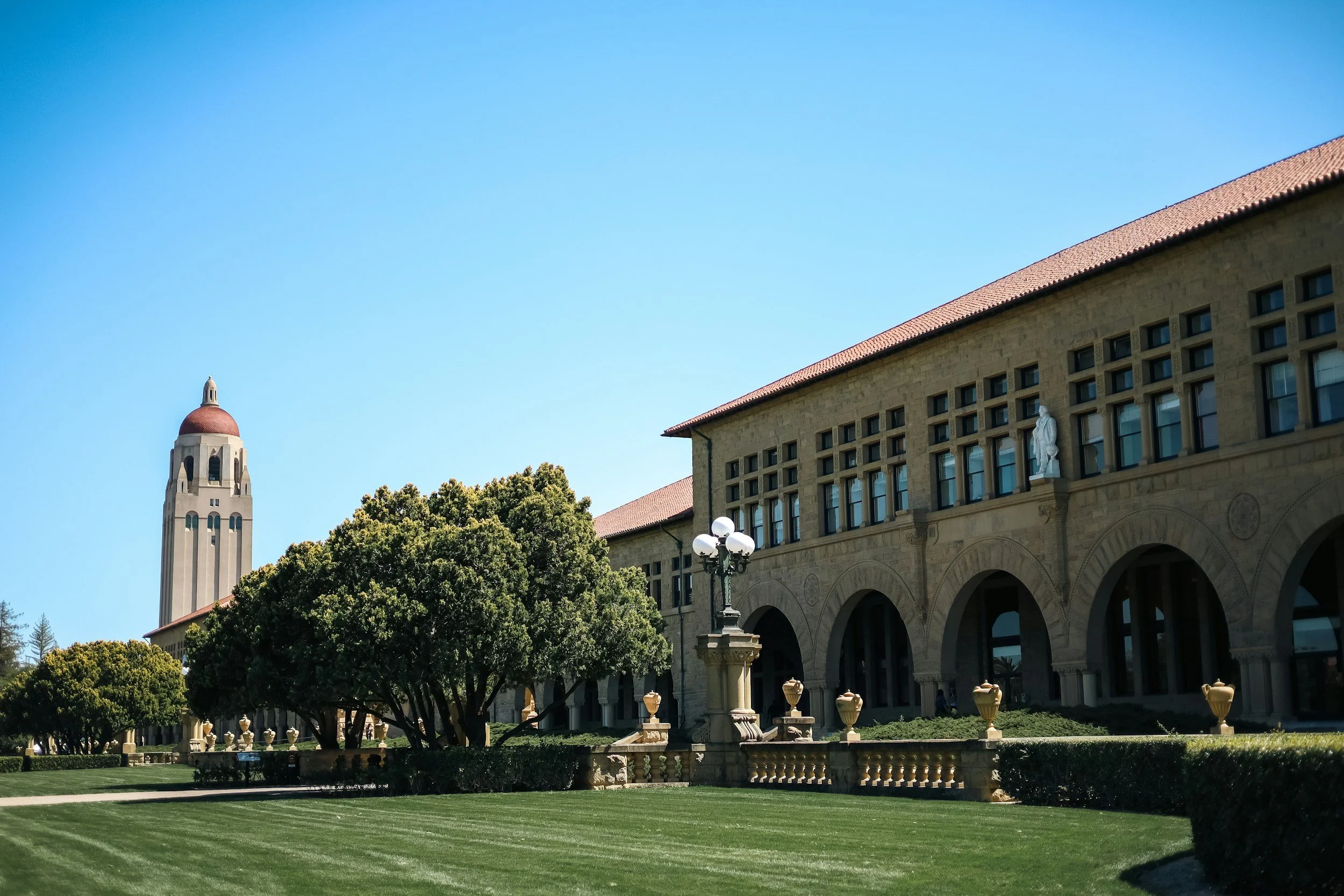
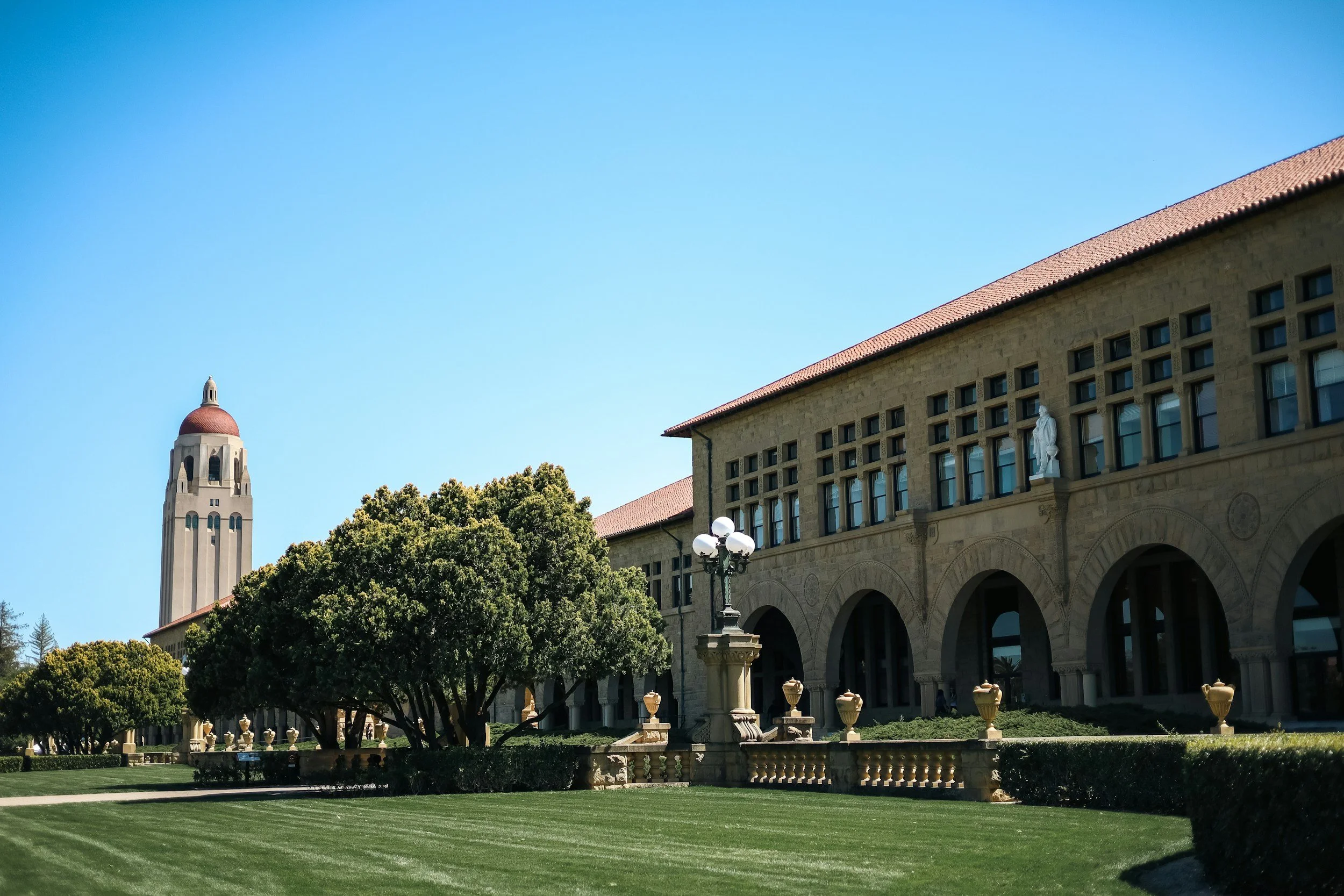
Stanford matches MIT on network and venture adjacency. The track-based CS curriculum is flexible, the Silicon Valley ecosystem is unmatched for industry access, and research pathways for undergraduates are genuinely strong. College Scorecard median earnings for Stanford CS graduates are approximately $136,959. Stanford tends to offer a slightly more open-world academic environment, which suits students who want a broader undergraduate experience alongside deep CS.
Carnegie Mellon is the most purely CS-centric elite school in the United States. Its School of Computer Science houses five distinct bachelor's programs, and undergraduates have real exposure to AI, systems, and robotics research from early in their time there. College Scorecard median earnings for CMU CS graduates are approximately $132,971. The tradeoffs are a narrower campus feel and a famously demanding workload. CMU is best for students who already know they want to be deep in computing from day one.
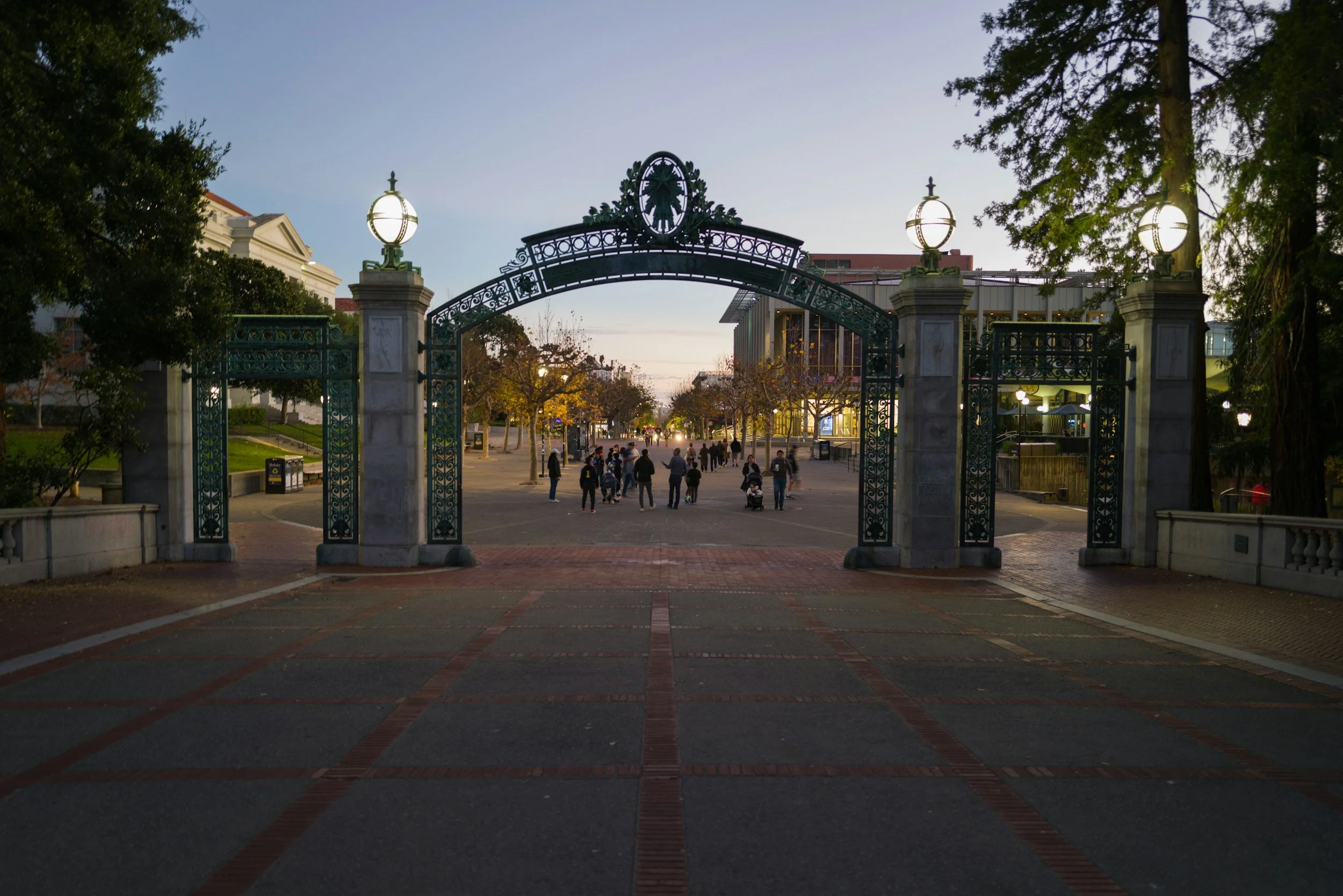
UC Berkeley offers two main pathways: CS through the College of Engineering and EECS through the same college, plus a computing concentration through Letters and Sciences. The faculty and research breadth are exceptional, Bay Area access is a genuine advantage, and 29 percent of Berkeley undergraduates receive Pell grants, which reflects real access at scale. The caution at Berkeley is complexity: getting into the right major pathway matters, and navigating a large public university takes more initiative than at a smaller school.
The next tier comes very close to that top band depending on how you weight your criteria. UIUC, Georgia Tech, Princeton, Cornell, Caltech, the University of Washington, UT Austin, and the University of Michigan all belong in any honest conversation about the best undergraduate CS programs in the country.
Best Public CS Programs: Elite Education at a Realistic Price
If you are weighing cost alongside quality, public flagships deserve serious attention. Several of them are not just good values but genuinely elite programs by any research or outcome measure.
UIUC has one of the strongest CS programs in the world, and its outcomes data backs that up. Approximately 95 percent of CS students participate in internships or co-ops, 96 percent report landing first-choice career destinations, and the average starting salary for CS graduates is $138,881. Nearly 29 percent of incoming CS students are women, which is notable for a technical program at this scale. UIUC also runs a broad CS-plus-X ecosystem that lets you pair CS with statistics, mathematics, linguistics, music, and other fields, giving you flexibility that many elite privates do not match.
Georgia Tech is arguably the best public option for students who want scale, value, and applied payoff. Its Threads curriculum lets you customize your undergraduate CS experience across nine defined specialization paths. The program is ABET-accredited, the Atlanta tech ecosystem is growing rapidly, and the median starting salary for BSCS graduates is $115,000. Georgia Tech also maintains a public demographic dashboard for its CS programs, which reflects a genuine commitment to transparency in a space where most schools are opaque about major-level data.
The University of Washington Allen School is one of the best urban public CS programs in the country. College Scorecard data shows CS bachelor's median earnings of $175,616 for a recent cohort of graduates, which ranks among the highest of any CS program in the United States. The Seattle employer ecosystem is unusually dense with major tech employers, and the Allen School has strong structured pathways for undergraduates into research.
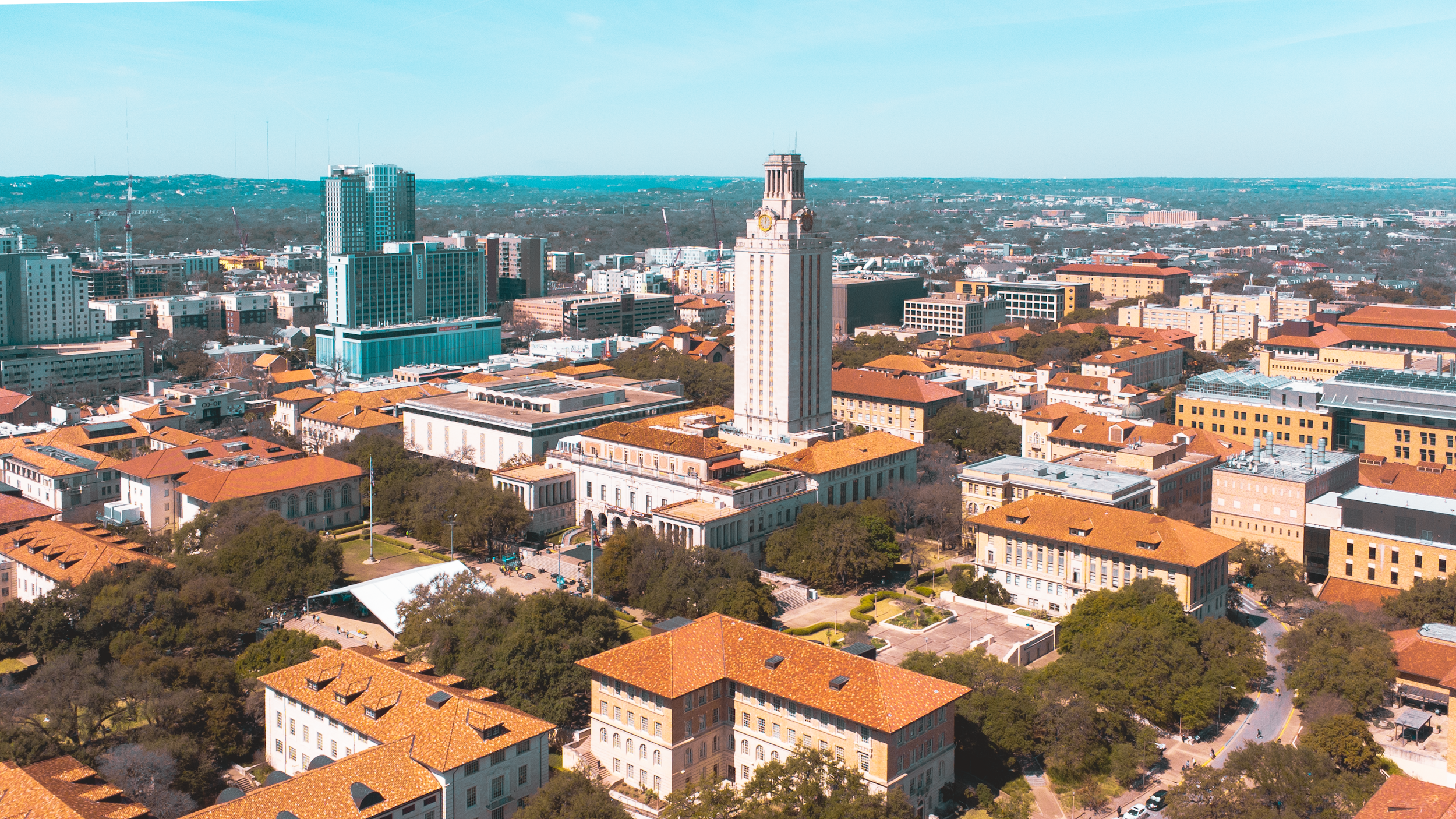
UT Austin pairs a top-ten-caliber CS department with perhaps the best startup-city context outside the Bay Area. The Austin tech ecosystem has expanded dramatically over the past decade, and the program's depth in AI, systems, and security makes it competitive with elite privates for research-minded students.
Michigan CSE offers unusual flexibility: you can pursue CS through the College of Engineering or through the College of Literature, Science, and the Arts, depending on your broader academic interests. With 100 faculty members and strong undergraduate research infrastructure, Michigan gives you major research university resources alongside genuine program flexibility.
Purdue, Maryland, Wisconsin, and UC San Diego belong in this conversation as well. Purdue houses the oldest degree-granting CS department in the United States and has consistently strong outcomes, with College Scorecard field earnings for CS graduates at approximately $107,009. Maryland has one of the strongest AI and human-computer interaction faculties in the country, housed in the Iribe Center. Wisconsin's outcomes are stronger than its general prestige ranking would suggest, with College Scorecard field earnings for CS graduates at approximately $119,655. UC San Diego has exceptional research adjacency and broad Southern California employer access.
Best Small and High-Touch CS Programs
Not every student thrives in a program with hundreds of CS majors per cohort. If you want close faculty contact, meaningfully mentored capstone or thesis work, and a department where people actually know who you are, the following programs deserve priority.
Harvey Mudd is the strongest argument against the assumption that "best CS" must mean "largest research university." With 913 undergraduates and approximately 50 students in research at any time, the Clinic capstone gives you a yearlong applied project with an industry or research sponsor. About 51 percent of students are women, and approximately 70 percent receive financial aid. College Scorecard median earnings for Harvey Mudd CS graduates are approximately $137,100. For undergraduate teaching, project depth, and outcomes relative to size, few schools come close.
Rice has a student-to-faculty ratio of approximately 6:1, and CS faculty regularly involve undergraduates in real research. You can pursue a BA or BSCS, and a distinct AI pathway is available for students who want to specialize. College Scorecard field earnings for Rice CS graduates are approximately $110,080.
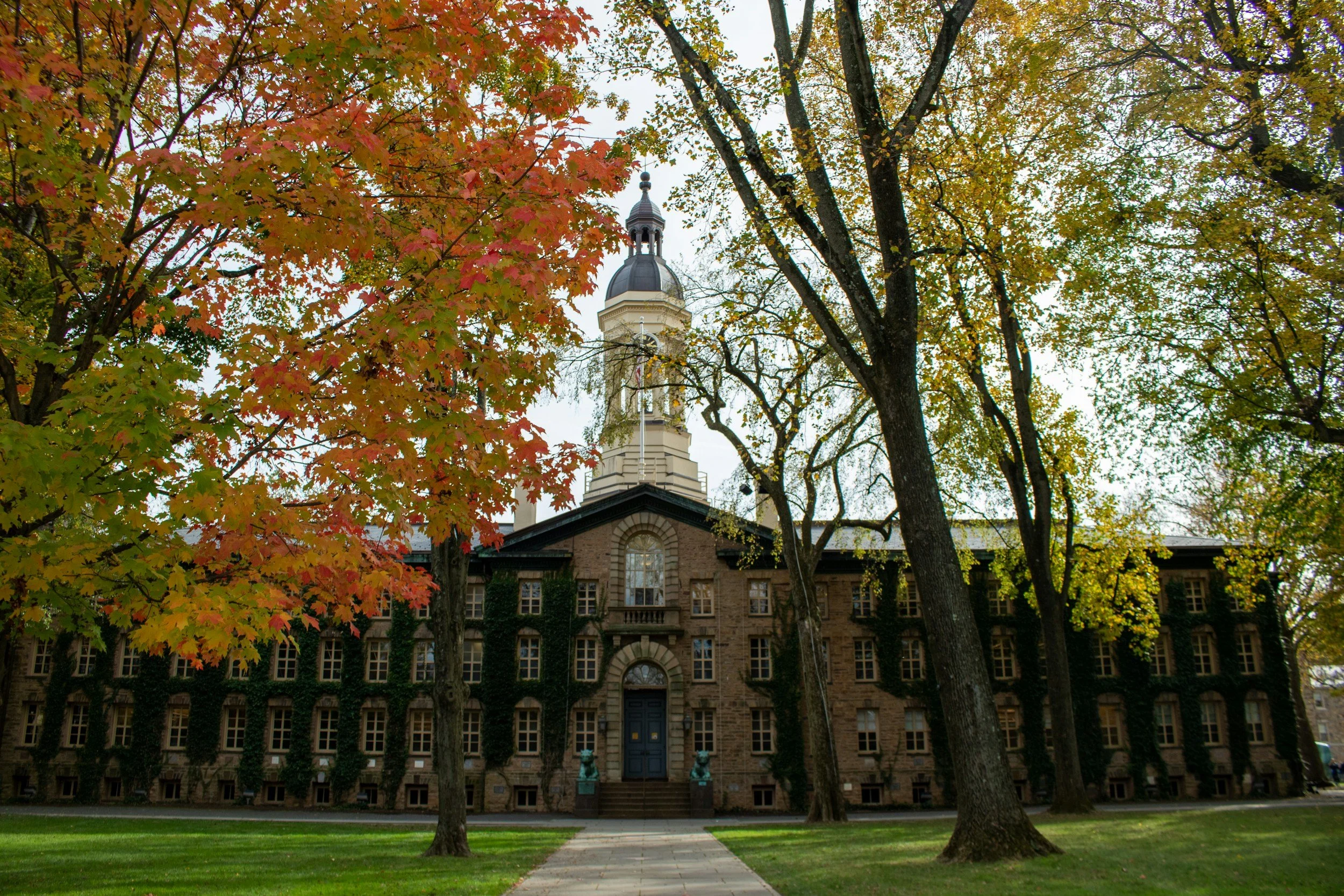
Princeton is the strongest option for theory-forward students who want an intimate, elite undergraduate environment. The independent work culture means you are expected to produce original research as part of your degree. Princeton's need-blind, no-loan aid structure makes it more financially accessible than the sticker price implies.
Brown runs CS as a concentration within its open curriculum, which means you have real latitude to design your academic path without a rigid distribution requirement. Brown CS faculty regularly hire undergraduates into research, and approximately 46 percent of the Class of 2028 received need-based scholarship or grant aid.
Caltech is perhaps the most extreme case of a research-first small school. With just under 1,000 undergraduates and a 3:1 student-to-faculty ratio, the program is designed for unusually self-directed students. The SURF program gives undergraduates deep summer research access. Caltech is best understood as a launching pad for students who already know they want a research or doctoral trajectory.
Duke has been investing heavily in CS, and the results show in its curriculum, which now includes distinct AI/ML and software engineering concentrations. The undergraduate research culture through CSURF and the opportunities for undergraduates to coauthor papers make it one of the fastest-improving programs in its tier.
Best for Co-ops, Urban Networks, and Applied Learning
Some students value what surrounds the university as much as what happens inside it. Employer density, co-op structures, startup ecosystems, and city resources all shape what your undergraduate experience actually looks like day to day.
Northeastern has the clearest co-op model in the country. The structure sends you into full-time industry placements multiple times during your undergraduate years, which means you graduate with genuine work experience rather than just internship lines on a resume. If applied learning and employer relationships are your primary criteria, Northeastern's model stands apart.
Columbia puts you inside New York City, which functions as a curriculum extension in its own right. Finance, media, health tech, and general tech are all within reach, and the CS curriculum spans theory, systems, architecture, and AI/ML in a way that pairs well with Columbia's broader interdisciplinary strengths. College Scorecard field earnings for Columbia CS graduates are approximately $115,519.
USC is ABET-accredited and offers both a traditional BS and a combined engineering and CS option. The Los Angeles ecosystem gives you access to gaming, media, entertainment technology, and a growing startup scene. College Scorecard field earnings for USC CS graduates are approximately $107,009.
Penn CIS offers both a BSE and a BAS in computer science, plus newer AI options that add flexibility. Penn's position at the intersection of engineering and business through Wharton makes it an unusually strong choice for students thinking about product management, entrepreneurship, or the business side of technology.
Georgia Tech and Washington both deserve mention again here because each combines research depth with a real regional employer ecosystem in Atlanta and Seattle.
What Rankings Usually Miss
The criteria that shape most published rankings tend to overlook a few things that matter significantly to your actual experience.
Entry-to-major friction is real. At several large public universities, you apply to the university and then compete again for the CS major. At Berkeley, UIUC, and Washington, there are separate admission processes or competitive major applications that affect which pathway you end up in. At direct-admit schools like Carnegie Mellon, you apply to the CS program from the start. That difference shapes your planning, your stress level, and sometimes your outcomes.
Net cost is not sticker price. A school with a $75,000 sticker price and a strong no-loan aid program may cost you far less than a school with a $35,000 sticker price and limited grant funding. Always run the net price calculator before ruling a school in or out on cost alone.
Department culture is unmeasurable but real. Some programs emphasize collaboration; others are intensely competitive. Some have formal advising systems; others expect you to navigate on your own. Talking to current students is a better signal here than any published ranking.
Location compounds over four years. A student who spends four years in Boston, the Bay Area, Seattle, New York, or Austin develops a fundamentally different set of industry connections upon graduation than a student in a less tech-dense market, even if the academic program is comparable on paper.
The Bottom Line
If you are working through your college list for undergraduate CS in 2026, the most useful question is not "which school ranks highest?" It is "which school produces the best version of the outcome I am actually after?"
If you want research training and a path toward graduate school, the top band and the research-intensive small schools (Caltech, Princeton, Harvey Mudd) deserve the most weight.
If you want strong career outcomes at a price that makes sense for your family, the public flagships (Georgia Tech, UIUC, Washington, UT Austin, Michigan) are genuinely elite options, not consolation prizes.
If you want a tighter, more mentored undergraduate experience, the smaller programs (Harvey Mudd, Rice, Brown, Duke) consistently outperform their enrollments.
If you want to graduate with real work experience and employer relationships already in place, Northeastern's co-op model and the urban programs at Columbia, USC, and Penn are worth prioritizing.
Picking the right CS program is one of the highest-leverage decisions in a college application cycle, and the nuances matter far more than any single number ranking can capture. If you want to work through your specific goals, research interests, and school list with an experienced advisor, schedule a consultation with a college admissions expert today to build a strategy that actually fits where you are trying to go.