The Best T20 Colleges to Apply to With a Low SAT Score
Let us be honest with you up front. There is no T20 college where a "low" SAT score means what it means at most universities. The lowest 25th-percentile score on this entire list still lands you around the 98th percentile of all test takers nationwide. So when we talk about low scores here, we mean low relative to a brutally competitive peer group, not low in any absolute sense.
That said, the spread between these schools is real, and it matters. If you are sitting on a score in the 1450 to 1510 range and wondering which T20 schools give you a fighting chance, this guide is for you. We pulled the most recent Common Data Set figures for all 20 schools on our T20 list, plus five schools that belong in the conversation: Carnegie Mellon, Emory, Boston College, Tufts, and Washington University in St. Louis.
There are two strategies that work for applicants without a top-end score. The first is to apply to schools with the lowest admitted SAT ranges and submit your score anyway. The second is to apply test-optional to schools that admit a large share of students who never submitted a score at all. We cover both, and we tell you exactly which schools have quietly reinstated testing requirements so you do not waste an application.
A Quick Note on the Numbers
Every SAT figure below comes from each school's Common Data Set and reflects enrolled first-year students, not admitted students. Admitted-student scores run slightly higher, so treat these ranges as a floor. The "submitted no score" figures are based on the percentage of enrolled students who submitted the SAT or ACT, which is the only number these schools actually publish. Almost none of them release acceptance rates broken down by whether you submitted a score, so do not trust anyone who claims otherwise.
One more thing. Test-optional does not mean test-blind. At every school below, students who submit strong scores are admitted at higher rates than those who do not. Going test-optional is a tool for applicants whose scores would hurt them, not a free pass.
The Lowest SAT Ranges Among T20 Schools
If your plan is to submit your score, you want schools where your number sits at or above the 25th percentile. Here are the schools with the lowest enrolled SAT ranges, ranked from lowest to highest.
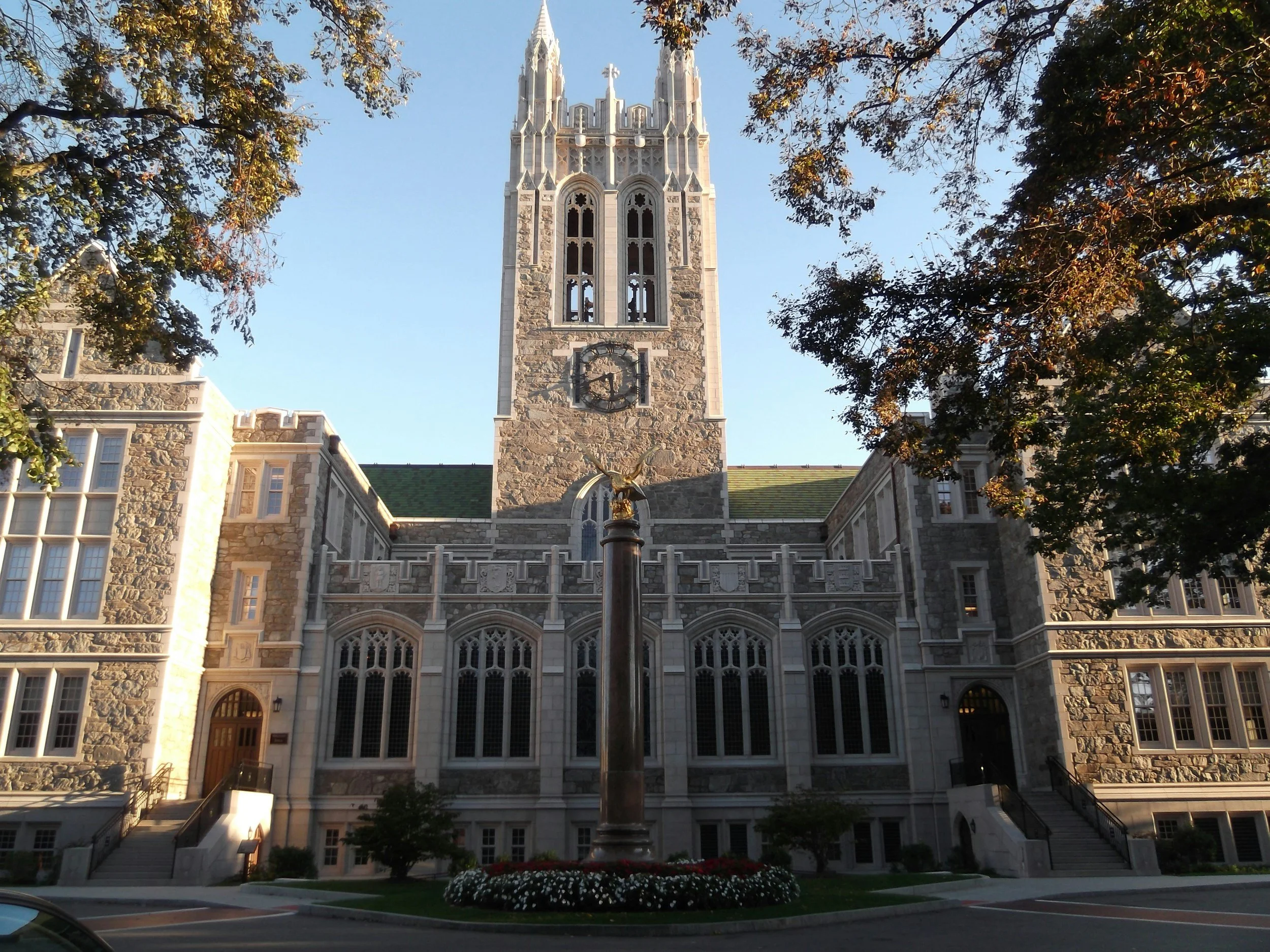
Boston College. 25th percentile 1460, median 1500, 75th percentile 1520. This is the lowest 25th-percentile composite on the entire list, and it comes paired with the friendliest acceptance rate of the group at 16.2 percent. If you have a score in the 1460 to 1500 range, Boston College should be at the top of your list.
Emory University. 25th percentile 1480, median 1510, 75th percentile 1540.
Tufts University. 25th percentile 1480, median 1510, 75th percentile 1540.
New York University. 25th percentile 1480, median 1520, 75th percentile 1550.
Duke University. 25th percentile 1490, 75th percentile 1560. The range is reachable, but the 5.7 percent acceptance rate makes this a long shot regardless of your score.
Washington University in St. Louis. 25th percentile 1500, 75th percentile 1570.
After this point, the rest of the test-optional group clusters around a 1510 floor: Rice, Vanderbilt, Northwestern, and the University of Chicago. USC is a quirk worth knowing about: it does not publish a composite at all, only section scores, with a 25th-percentile of 710 on reading and 740 on math. That implies one of the lower effective composites in the group, but you cannot point to a single published number.
The takeaway is simple. Boston College stands alone at the bottom, and Emory, Tufts, and NYU form a clear second tier. Those four are your best targets if you intend to submit a score in the high 1400s.
The Best Schools If You Submitted No Score at All
This is the more interesting strategy for many applicants. Some T20 schools enroll classes where nearly half of students, or more, submitted no standardized test score whatsoever. At those schools, going test-optional is normal rather than a red flag, and you are not being measured against the published score range at all.
Here are the strongest test-optional targets for non-submitters, all confirmed test-optional for the 2026-2027 cycle.
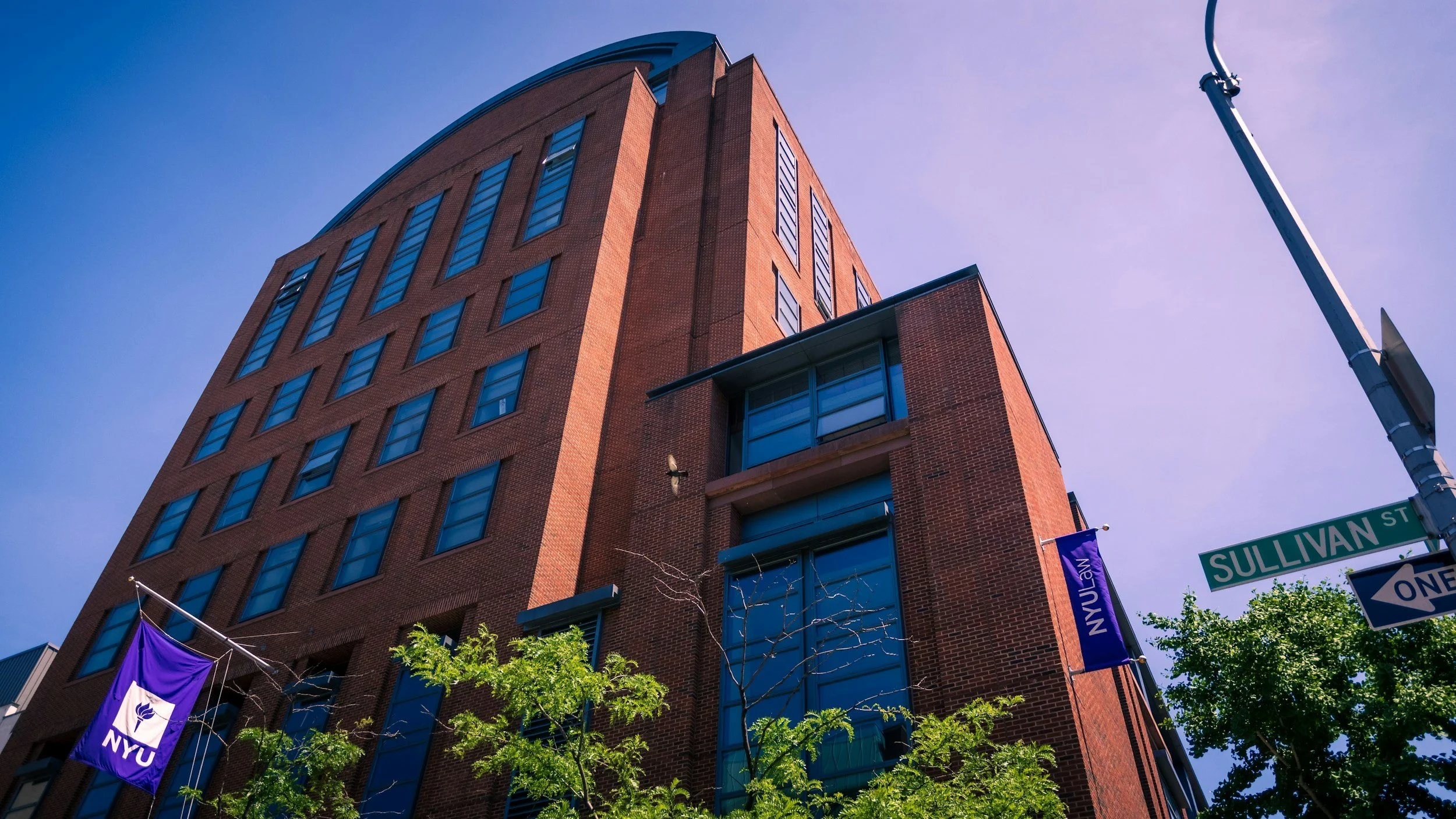
New York University. This is the standout. Only 28 percent of enrolled first-years submitted the SAT and 10 percent submitted the ACT, which means roughly 61 percent of the class enrolled with no test score on file. NYU combines the lowest submission rate on the list with a relatively low SAT range, so it works for both strategies at once.
Vanderbilt University. Around half of the most recent entering class chose not to submit scores. Vanderbilt has committed to test-optional admissions through fall 2027. The catch is the 5.9 percent acceptance rate, so manage your expectations.
Washington University in St. Louis. About 43 percent of enrolled students submitted no test, and WashU has confirmed test-optional admissions for both fall 2026 and fall 2027.
USC. Roughly 58 percent of the class submitted no test, and USC has confirmed test-optional status for the 2026-2027 cycle.
Boston College. Around 55 percent of enrolled students submitted no test, and as noted above, it pairs that with the lowest SAT range and the highest acceptance rate on the list. This is the most well-rounded target for a low-score applicant, full stop.
Tufts and Emory round out the group, with non-submitter shares in the 57 to 62 percent range.
The Schools to Avoid for This Strategy
Roughly half of the T20 has reinstated a testing requirement, and applying test-optional to these schools is no longer possible. If your score is low and you cannot or will not submit it, cross these off entirely for the 2026-2027 cycle:
Harvard, Yale, Stanford, MIT, Caltech, the University of Pennsylvania, Dartmouth, Brown, Cornell, Johns Hopkins, and Georgetown all require a standardized test. Carnegie Mellon is effectively in this camp as well: its School of Computer Science requires the SAT or ACT, most other colleges require some standardized test under a test-flexible policy, and only the College of Fine Arts is genuinely test-optional.
Princeton is a special case. It is test-optional for the 2026-2027 cycle only, then reverts to requiring scores the following year. If you are applying this cycle, it is still on the table. If you are a younger student reading this for next year, it is not.
The Full Breakdown, School by School
Here is every school at a glance, grouped by testing policy. Each line lists the enrolled 25th-percentile SAT, the 75th percentile where published, the approximate share of students who submitted no test, and the acceptance rate.
Test-optional and worth targeting with a low or no score:
Boston College. 25th percentile 1460, 75th percentile 1520. Around 55 percent submitted no test. Acceptance rate 16.2 percent.
Emory. 25th percentile 1480, 75th percentile 1540. Around 57 percent submitted no test. Acceptance rate 10.3 percent.
Tufts. 25th percentile 1480, 75th percentile 1540. Around 62 percent submitted no test. Acceptance rate 11.5 percent.
NYU. 25th percentile 1480, 75th percentile 1550. Around 61 percent submitted no test. Acceptance rate 9.2 percent.
WashU. 25th percentile 1500, 75th percentile 1570. Around 43 percent submitted no test. Acceptance rate about 12 percent.
USC. Section scores only, 710 reading and 740 math at the 25th percentile. Around 58 percent submitted no test. Acceptance rate 9.8 percent.
Test-optional but a reach for everyone:
Duke. 25th percentile 1490, 75th percentile 1560. Acceptance rate 5.7 percent.
Rice. 25th percentile 1510, 75th percentile 1560. Around 30 percent submitted no test. Acceptance rate 8.0 percent.
Vanderbilt. 25th percentile 1510, 75th percentile 1560. Around 49 percent submitted no test. Acceptance rate 5.9 percent.
Northwestern. 25th percentile 1510, 75th percentile 1560. Around 31 percent submitted no test. Acceptance rate 7.4 percent.
University of Chicago. 25th percentile 1510, 75th percentile 1560. Acceptance rate about 4.5 percent.
Columbia. 25th percentile around 1510. Acceptance rate about 4 percent.
Princeton. 25th percentile around 1510. Test-optional this cycle only, then required. Acceptance rate about 4 percent.
Test-required or effectively required, so skip if you cannot submit:
Carnegie Mellon. 25th percentile 1510, 75th percentile 1560. Required or test-flexible by college. Acceptance rate 11.7 percent.
Georgetown. 25th percentile around 1410. Always required. Acceptance rate about 12 percent.
Harvard. 25th percentile around 1500. Required. Acceptance rate about 3.5 percent.
Yale. 25th percentile around 1500. Required. Acceptance rate about 4 percent.
Stanford. 25th percentile around 1500. Required. Acceptance rate about 4 percent.
MIT. 25th percentile around 1520. Required. Acceptance rate about 4.5 percent.
Caltech. 25th percentile around 1530. Required. Acceptance rate about 3 percent.
UPenn. 25th percentile around 1510. Required. Acceptance rate about 6 percent.
Dartmouth. 25th percentile around 1500. Required. Acceptance rate about 6 percent.
Brown. 25th percentile around 1500. Required. Acceptance rate about 5 percent.
Cornell. 25th percentile around 1500. Required. Acceptance rate about 7 percent.
Johns Hopkins. 25th percentile around 1530. Required. Acceptance rate about 7 percent.
How to Use This List
If your score is below 1480 and you do not want to submit it, focus your energy on NYU, Vanderbilt, and WashU, where submitting no score is the norm rather than the exception. NYU is the single best target because it combines the lowest submission rate with a low SAT range.
If your score is in the 1460 to 1500 range and you want to submit it, target Boston College, Emory, Tufts, and NYU, where that number sits at or near the 25th percentile and helps rather than hurts you. Submit only if your score is at or above the school's 25th percentile. Below that line, apply test-optional instead.
And if you are eyeing Duke, Rice, Northwestern, Chicago, Columbia, or Princeton, understand that these are reaches for everyone. Test-optional or not, the acceptance rates sit between roughly 4 and 8 percent. Apply if you love them, but build your list around the schools above.
One final warning. These policies change constantly and without much notice. The test-optional commitments at Boston College, Northwestern, WashU, and Vanderbilt expire after fall 2027, and any of them could announce a reinstatement. Re-verify every policy on the official admissions website before you apply.
A strong application is never just a number. If your scores are not where you want them, the rest of your profile has to carry more weight, and that is exactly where strategy matters most. If you want to learn which extracurriculars actually move the needle, read The Only 3 Extracurriculars You Need to Get Into an Ivy League School.
If you want help building a college list that fits your scores and maximizes your chances, schedule a consultation with an admissions expert today.