Colleges With the Happiest Students 2026

If you are trying to find a college where you will actually thrive, not just survive, the question of student happiness deserves more than a gut feeling. The good news is that it is measurable, at least in part. Princeton Review surveys tens of thousands of current students every year across hundreds of campuses and publishes ranked lists covering quality of life, student happiness, health services, and counseling support. Pair that with the separate Mental Health Honor Roll, which evaluates institutional commitment to student wellness at the administrative level, and you have a reasonably solid basis for comparison.
This article draws on both of those sources, along with official university resources and national health data, to identify which colleges consistently show up at the top of both the student-experience and mental-health-infrastructure picture. The goal is not to hand you a ranking and tell you to memorize it. The goal is to show you what separates genuinely supportive campuses from ones that market wellness without delivering it.
Why Student Happiness Is About More Than Campus Culture
It is tempting to treat "happiest students" as a proxy for weather, dining halls, and social life. Those things matter, but the research paints a more complicated picture. The 2024 to 2025 Healthy Minds Study, which surveyed more than 84,000 students at 135 institutions, found that roughly one in three students screened positive for moderate or severe anxiety, and more than one in three for moderate or severe depression. Eleven percent reported suicidal ideation in the prior year.
What that tells you is that student happiness is not simply a function of campus aesthetics. It is a function of whether real support is accessible when a student needs it. The colleges that consistently rank highest on both the student experience side and the institutional infrastructure side tend to share a specific combination of features: 24/7 crisis access, a clear path to urgent or same-day care, documented academic flexibility, and visible, easy-to-find information about how all of it actually works.
Schools That Lead on Both Fronts
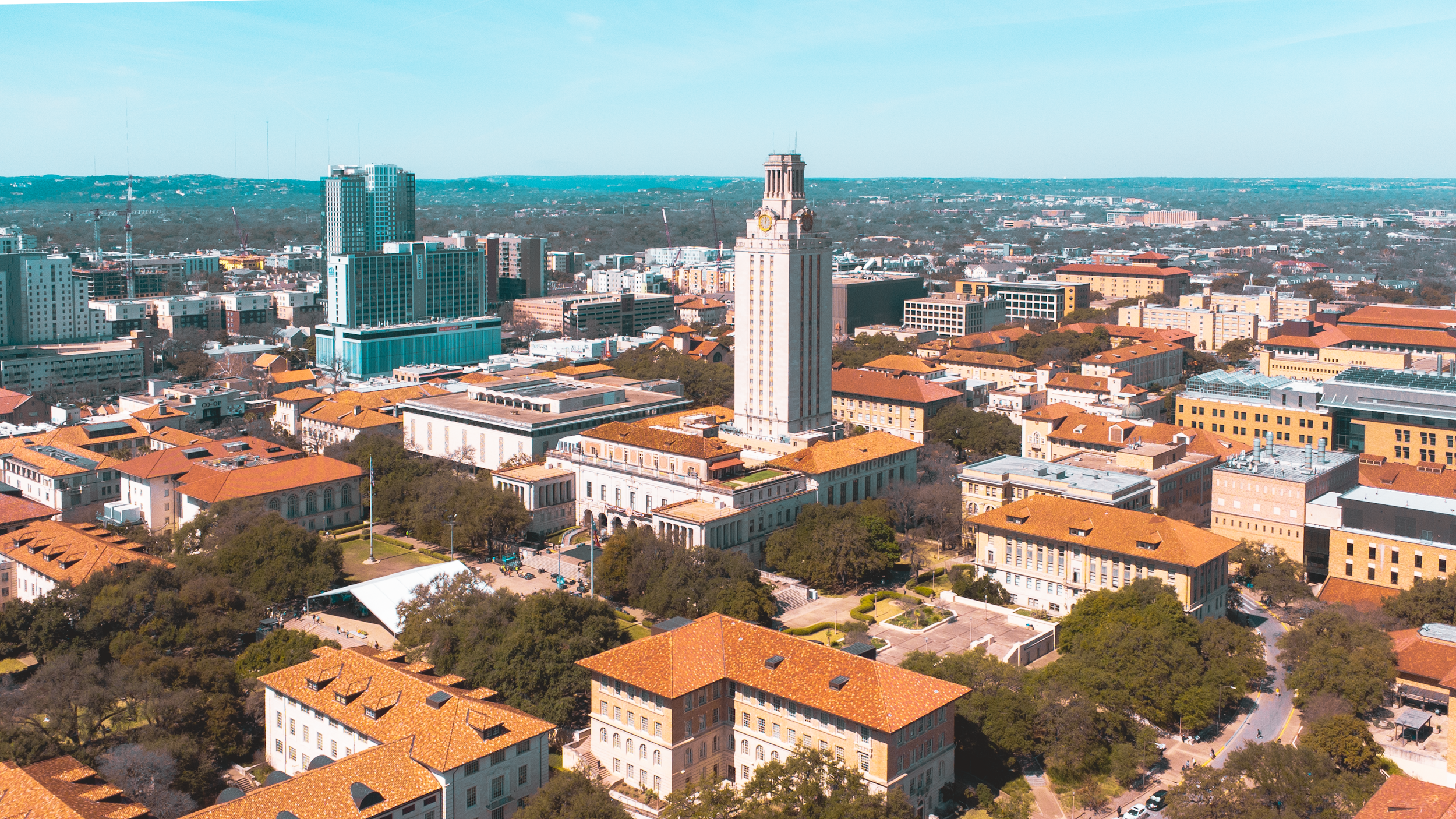
Texas Christian University is the strongest overall combination in the current data. TCU ranks first among all schools in Princeton Review's Happiest Students survey, second in Quality of Life, and ninth in Health Services, and it also holds a place on the Mental Health Honor Roll. Officially, TCU documents same-day crisis care, a 24/7 counseling helpline, psychiatric services, peer and prevention programming, and a formal support program for students returning from mental health leave. It also publicly discloses that non-crisis intake appointments typically run about one week out, which is a level of transparency that most schools do not offer. On the academic side, TCU allows a Pass/No Credit option and sets its full-time threshold at 12 credit hours per semester.
University of Richmond is one of the cleanest combinations in this review. It places in the top ten on Quality of Life, Health Services, and Student Support and Counseling Services, and it still makes the Happiest Students list. Richmond's counseling center holds IACS accreditation and has a formal return-from-leave support program. Students also have access to TimelyCare, a free 24/7 virtual mental health and wellbeing platform available year-round. Richmond allows student-elected pass/fail grading and runs a University Work Program beyond the standard federal work-study model.
Rice University sits at number ten on Quality of Life and holds a spot on the Mental Health Honor Roll. Rice's Wellbeing and Counseling Center documents free, confidential support, in-person and remote counseling, psychiatric services, and 24/7 urgent access by phone. Rice is also notable for publishing that students can connect for support without waiting for a formal appointment. Academically, Rice allows Pass/Fail for one course per semester up to four total, sets a normal load of 15 to 18 credit hours, and operates both Federal Work-Study and the Rice Work program for campus employment.
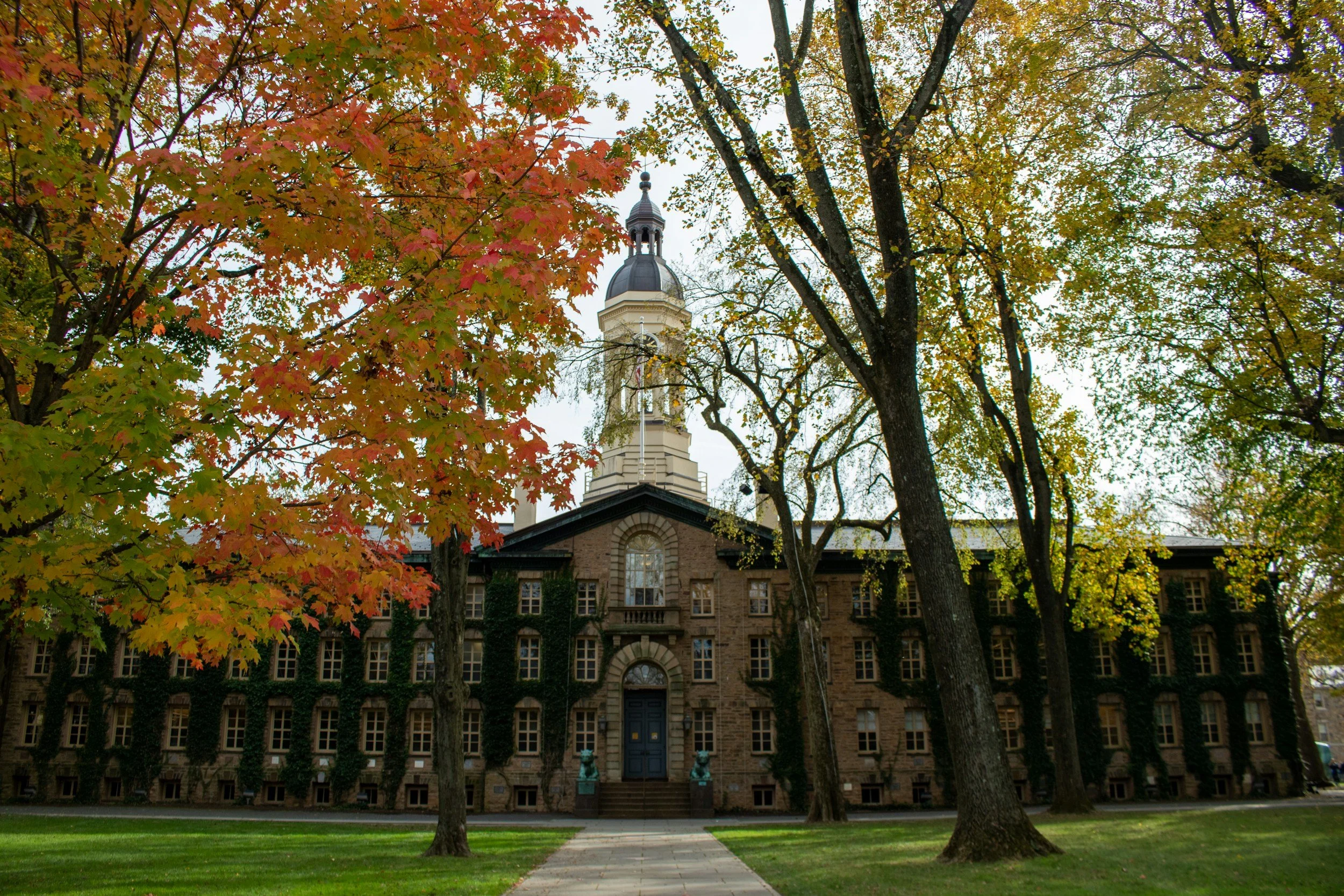
Princeton University earns its place through a well-documented urgent-care architecture. Princeton appears on the Mental Health Honor Roll and publishes detailed information on same-day in-person urgent care, a 24/7 CPS Cares Line, after-hours infirmary support, group therapy, and psychiatric evaluations. Princeton also publicly announced additional counselor hiring as part of a sustained mental health investment. One honest caveat: Princeton also shows up on Princeton Review's Students Study the Most list, so the support infrastructure is genuine, but this is not a campus where academic pressure is light. Students who prioritize that combination of rigorous academics and strong crisis support will find it here.
Washington University in St. Louis ranks first overall in Princeton Review's Quality of Life survey. Its counseling center is AAAHC-accredited, fully staffed for 12 months of the year, and maintains a formal return-from-leave support program. WashU also operates a TimelyCare model that includes 24/7 TalkNow access, a published number of free scheduled counseling appointments per academic year, and on-campus psychiatric services. WashU allows Pass/No Pass grading and defines full-time enrollment broadly at 12 to 21 units per semester.
University of Virginia ranks first on Princeton Review's Best Health Services list. Official UVA pages document 24/7 urgent mental health support, walk-in availability, and around-the-clock virtual care through TimelyCare. UVA also makes a rare disclosure that its counseling center sees more than 20,000 appointments per year, which gives you a concrete sense of scale and demand. Group therapy and psychiatric services are both available. UVA allows CR/NC grading with instructor permission and integrates student employment support through Handshake, Workday, and the Undergraduate Community Employment Partnership.
Seton Hall University earns its spot largely on student signal: it ranks first in Princeton Review's Student Support and Counseling Services survey, a direct measure of how students perceive the support available to them. Officially, Seton Hall maintains an on-call counselor during business hours, a 24/7 university mental health crisis hotline, and free 24/7 virtual mental health services year-round through a state partnership. Seton Hall also allows up to 12 credits of free electives on a pass/fail basis.
Vanderbilt University places in the top 25 on both Quality of Life and Happiest Students. Its Student Care Network is unusually visible in official communications and connects students to counselors, psychologists, and psychiatric professionals with 24/7 urgent support available. Vanderbilt maintains a dedicated Student Employment office and a public job board through HireADore. Pass/fail options exist across undergraduate schools, though the exact rules vary by school within the university.
Other Schools Worth Noting
Several other schools round out the picture for different kinds of students.
Stevens Institute of Technology pairs a top-five Student Support and Counseling Services ranking with a Mental Health Honor Roll placement, a combination that is notable for a STEM-focused institution and worth serious attention from students who want rigorous technical training alongside documented wellness infrastructure.
Washington and Lee University is one of the strongest pure student-climate schools in the country, ranking fourth for Quality of Life and sixth for Happiest Students. If student-experience signal carries significant weight in your decision, W&L belongs near the top of your consideration list.
Grove City College earns high marks across Quality of Life, Happiest Students, and Student Support surveys, and its Princeton Review profile documents peer-to-peer mental health programming and integration into residential life, along with a formal return-from-leave support program.
Colorado State University holds both a Quality of Life top-25 placement and a Mental Health Honor Roll distinction, a combination that signals strength on the student experience side and at the institutional administration level simultaneously.
William and Mary appears on the Mental Health Honor Roll, signaling that its administrative approach to student wellness met the structured criteria used for that recognition.
Dartmouth College also holds a Mental Health Honor Roll placement, which is meaningful given the academic intensity the Ivy League carries and the additional pressure that can create for students.
Denison University has one of the strongest pure student-wellbeing signals in the country, ranking second for Happiest Students and sixth for Quality of Life. Students who prioritize campus culture and day-to-day experience will find Denison compelling.
Washington State University shows an unusually balanced student-side profile, placing third for Happiest Students, seventh for Health Services, and nineteenth for Student Support and Counseling Services across three distinct survey categories.
Rollins College earns a spot based on a strong health-services-specific signal, ranking fourth for Best Health Services and eighteenth for Quality of Life, which suggests students perceive both the care available to them and the broader campus environment favorably.
Wesleyan University holds placements on both the Best Health Services and Best Student Support and Counseling Services lists, giving it a mental-health-specific student signal that is stronger than many schools with higher general happiness rankings.
What You Should Actually Ask Colleges
When you are evaluating a school, the marketing language around wellness is nearly useless. What matters is whether the school can answer five specific questions with specifics, not talking points.
First, is crisis support available around the clock, and through what number or platform? Second, if a student needs urgent or same-day help, what is the actual pathway to get it? Third, is psychiatric care available on campus or arranged through telehealth? Fourth, is the counseling center fully staffed and accessible year-round? Fifth, if a student needs to reduce their course load or take a leave of absence, is there a documented process to return without losing academic standing?
Schools that can answer all five of those questions clearly, in publicly available materials, tend to be the same schools that show up at the top of the student happiness and support surveys year after year. Schools that give you vague answers or redirect you to generic wellness pages are telling you something important.
Final Thought
Choosing a college is one of the most consequential decisions you will make, and your experience once you are there will depend heavily on what support actually looks like on the ground. The schools in this article are a strong starting point because they have demonstrated publicly that they take this seriously. But the right fit for you depends on more than any ranking can capture.
If you want help thinking through fit, student wellness infrastructure, and how to build a college list that accounts for all of it, we are here to help.