Full-Ride Scholarships for Students Starting College in Fall 2027

A full ride pays your tuition and on-campus housing, and most awards on this list also cover meals, fees and books. Below are the full rides open to U.S. students starting college in fall 2027, with what each one pays for, who qualifies and where to apply. Terms and dates were checked in September 2026, so confirm each date on the linked official page before you submit.
A few terms appear throughout. Cost of attendance is a college's official estimate of one year's tuition, fees, housing, food, books and personal expenses. A last-dollar award pays whatever cost remains after your other grants and scholarships.
The CSS Profile is the College Board's financial aid form, which many private colleges require alongside the FAFSA, the federal aid application. Early Action is a nonbinding early admission deadline, and many universities use it as the cutoff for full-ride consideration.
The guide moves from national awards to single-university awards, then to colleges that cover the full cost below an income line, the service academies, ROTC and athletics. The final section lists well-known awards that pay a large share of the cost.
Full-ride deadlines through December 2026
The fall 2027 cycle opens with a run of early deadlines. The Evans Scholarship application is due September 30, and the QuestBridge National College Match closes Thursday, October 1, at 11:59 p.m. Pacific time.
The Flinn Scholarship closes October 13 at 5 p.m. Arizona time. October 15 brings the Daniels Scholarship (4 p.m. Mountain time), the end of Levine Scholars nominations, UNC-Chapel Hill Early Action for the Morehead-Cain referral route, and Georgia Tech Early Action for Georgia residents.
November 1 is the deadline for the Boettcher Scholarship, the UGA Foundation Fellowship, and Early Action at Ohio State, Purdue and UConn for their Stamps awards. Ohio State's separate Stamps Eminence application is due November 9, and the Jack Kent Cooke College Scholarship closes November 11.
November 15 is the Emory Woodruff Scholarship deadline (November 1 for Early Decision I) and the Pitt Stamps Scholarship deadline. The Robertson Scholars final deadline also falls in mid-November.
December 1 is the deadline for the Jefferson and Walentas Scholarships, Vanderbilt's Ingram Scholars, the Johnson Scholarship at Washington and Lee, and Richmond Scholars. It is also UT Austin's final admission deadline for Forty Acres consideration and UT Dallas's priority deadline. Alabama's National Merit priority deadline is December 4, and the Cooke Undergraduate Transfer Scholarship closes December 9.
National and regional full-ride scholarships
These awards come from foundations and agencies, and most can be used at more than one college.
QuestBridge National College Match
QuestBridge matches high-achieving, low-income seniors with full four-year scholarships at 55 partner colleges, covering tuition, housing, food and other expenses. The colleges fund each award with grants and a $0 parent contribution, and QuestBridge values it at over $360,000.
Typical Finalists come from households earning under $65,000 a year for a family of four, with minimal assets, and earn mostly A's in the hardest courses available. Any senior attending high school in the U.S. can apply, as can U.S. citizens and permanent residents living abroad.
You submit one free application with essays, two teacher recommendations and a counselor report, then rank up to 15 colleges. A match is binding, meaning you commit to attend, at every partner except MIT, and Match Day is in early December. The 2026 application closes Thursday, October 1, at 11:59 p.m. Pacific. Apply to the National College Match.
Jack Kent Cooke College Scholarship
The Cooke Foundation pays up to $55,000 a year toward tuition, living expenses, books and required fees, as last-dollar funding after your college's own aid. Scholars also receive college advising and access to graduate school funding, and 60 new College Scholars were named in April 2026.
You qualify if you will graduate from a U.S. high school in spring 2027 with an unweighted GPA of 3.75 or higher and family income of $95,000 or less. You must also submit at least one SAT, ACT, AP or IB score, with no minimum.
Apply through the Common App with two academic recommendations (one from an 11th grade core teacher) and a counselor recommendation. The deadline is November 11, 2026, and semifinalists are named in January. Cooke College Scholarship.
Jack Kent Cooke Undergraduate Transfer Scholarship
Community college students moving to a four-year college can receive up to $55,000 a year for the final two to three years of a bachelor's degree, on the same last-dollar basis. The Foundation awards about 65 each year.
You need sophomore status at a U.S. community college by January 1, 2027 (or a two-year degree earned since spring 2022), a 3.5 GPA and family income up to $95,000. The award is for students whose college work so far has been at two-year schools.
Apply through the Common App for Transfer by December 9, 2026, at 11:59 p.m. Eastern. Cooke Transfer Scholarship.
The Gates Scholarship
The Gates Scholarship pays the full cost of attendance, including tuition, fees, books, housing and food, that remains after other aid and your Student Aid Index (the family contribution figure the FAFSA calculates).
Applicants must be Pell-eligible high school seniors (low-income enough to qualify for the federal Pell Grant) who are U.S. citizens or permanent residents with a weighted GPA of at least 3.3. You must plan to enroll full-time in a four-year degree at a U.S. nonprofit college.
The 2026 application ran July 15 to September 15, with finalist interviews in March 2027. Current juniors should prepare for the summer 2027 window. The Gates Scholarship.
Evans Scholarship
The Evans Scholars Foundation gives golf caddies full tuition and housing at its partner universities, where many scholars live together in Evans Scholarship Houses.
You need at least two years of regular caddying, including the year you apply at your sponsoring club, and above a B average in college-prep courses through junior year. The Foundation also looks for financial need and strong character, and it accepts both high school seniors and college freshmen.
The application, High School Evaluation, transcript, test scores and Caddie Evaluation are due September 30. The CSS Profile, FAFSA and remaining documents are due October 15, finalists interview, and decisions are final by April 1. Apply for the Evans Scholarship.
Daniels Scholarship
The Daniels Fund covers up to the full cost of attendance at its partner schools, including tuition, fees, housing and books. Elsewhere it pays up to $25,000 a year outside its four-state region and up to $7,500 a year at nonpartner schools inside it, and every scholar receives a MacBook.
Partner schools include CU Boulder, Colorado School of Mines, Colorado College, Colorado State, the University of Denver, the University of New Mexico, New Mexico State, Weber State, Southern Utah, the University of Wyoming, the University of Oklahoma, Hillsdale College and St. John's College.
You must be a graduating senior living in Colorado, New Mexico, Utah or Wyoming and a U.S. citizen or permanent resident with an unweighted GPA of 3.0 or higher. Family adjusted gross income must be $100,000 or less (plus $10,000 per additional dependent), and you need an ACT score of 18 in each section or SAT section scores of 490.
The application is open September 1 to October 15, 2026, closing at 4 p.m. Mountain time. Semifinalists then submit essays and recommendations, and finalists interview in late March. Daniels Scholarship.
Flinn Scholarship
The Flinn Scholarship covers tuition, fees, housing and meals at Arizona State, Northern Arizona or the University of Arizona, plus at least two study abroad experiences. The Flinn Foundation values it at more than $140,000 and names about 20 scholars a year from roughly 1,150 applicants.
You must be a U.S. citizen or permanent resident who has lived in Arizona for the two full years before college. Scholars typically have at least a 3.5 unweighted GPA, a top 5% class rank, and an ACT of 26 or SAT of 1230.
Apply by Tuesday, October 13, 2026, at 5 p.m. Arizona time. Your counselor report and two teacher recommendations are due October 27. Apply for the Flinn Scholarship.
Boettcher Scholarship
Boettcher Scholars receive $20,000 a year from the foundation, and their Colorado college adds aid on top. At 12 partner schools, including CU Boulder, Colorado School of Mines, Colorado State and the University of Northern Colorado, the combined award covers up to the full cost of attendance. At Colorado Christian, Colorado College, Regis and the University of Denver, it covers up to tuition and fees.
You must graduate from a Colorado high school after living in Colorado for all of junior and senior year. Citizens, permanent residents and lawfully present students, including DACA recipients, are eligible, and test scores are optional this cycle. The foundation names 50 scholars from a pool of more than 2,000.
Apply by November 1, 2026, at 5 p.m., and have your counselor submit a transcript within a week. Semifinalists submit two recommendations in December, and about 100 finalists interview in March. Apply for the Boettcher Scholarship.
Terry Foundation Scholarship
The Terry Foundation funds last-dollar full rides covering tuition, fees, books, on-campus housing and meals at 11 Texas public universities. Partners include Texas A&M, UT Austin, the University of Houston, Texas Tech, UT Dallas, UT Arlington, the University of North Texas and Texas Woman's University.
You must be a Texas resident graduating from a Texas high school and a U.S. citizen or permanent resident. Selection weighs leadership, grades and financial need, and you must file the FAFSA.
You apply through each university, which nominates finalists to the foundation. Deadlines vary by campus, for example December 1 at Texas A&M, December 4 at the University of Houston and mid-January at UT Arlington. Terry Foundation.
Texas Leadership Scholars Program
This state program from the Texas Higher Education Coordinating Board covers 100% of tuition and fees through combined aid, plus a housing and food scholarship equal to the campus average. It runs up to eight semesters, and about 250 scholars are selected each year.
You must graduate from an accredited Texas high school, qualify for the TEXAS Grant (the state's need-based grant), and either rank in the top 10% or be nominated by a teacher, counselor, principal or coach. You also need admission to a participating public university and a record of leadership and service.
Each participating university selects its own cohort from an application that includes a recommendation from a high school staff member. The deadline has fallen in mid-February in past cycles. Texas Leadership Scholars.
TheDream.US Opportunity Scholarship
This award covers tuition, fees, on-campus housing and meals at a partner college in another state, up to $100,000 for a bachelor's degree. The partners are Christian Brothers University (Tennessee), Delaware State University, Dominican University (Illinois), Eastern Connecticut State University and Trinity Washington University.
It serves undocumented students, with or without DACA or TPS (federal protections from deportation), who live in states that restrict their college access. Those states are Alabama, Alaska, Arkansas, Georgia, Idaho, Indiana, Iowa, Louisiana, Maine, Mississippi, Missouri, Montana, New Hampshire, North Carolina, North Dakota, Ohio, Oklahoma, South Carolina, South Dakota, West Virginia, Wisconsin and Wyoming.
You must have entered the U.S. before age 16, hold at least a 2.5 GPA, show significant unmet need and plan to live on campus full-time. The next application round opens November 1, 2026. Opportunity Scholarship.
Golden Door Scholars
Golden Door covers tuition, room and board for up to four years at regional partner colleges for undocumented students, including those with DACA or TPS. Partners include Agnes Scott, Davidson, Duke, Elon, Wake Forest and Wofford.
You must live in Georgia, North Carolina or South Carolina and plan to earn a bachelor's degree, with preference for career-ready majors such as STEM, nursing and business. Scholars commit to graduating debt-free.
The application has closed in late October in recent cycles, so check the Golden Door site for this year's date.
Full rides offered by individual universities
Each of these awards is tied to one university, and most require an early admission application, a nomination or a separate scholarship application.
Morehead-Cain Scholarship (UNC-Chapel Hill)
Morehead-Cain covers four years of tuition, fees, housing, meals, books and a laptop at UNC-Chapel Hill, plus four funded summer programs. About 70 to 75 scholars are selected each year.
Students in North Carolina, Canada and the United Kingdom can nominate themselves or be nominated by their school. Students elsewhere need a nomination from a Morehead-Cain nominating school or affiliate program.
Out-of-state students without a nominating school can be referred by UNC admissions if they apply by UNC's Early Action deadline, October 15, 2026. The application opened August 15, and finalists attend a selection event in Chapel Hill. Morehead-Cain eligibility.
Robertson Scholars Leadership Program (Duke and UNC-Chapel Hill)
Robertson Scholars receive eight semesters of full tuition, room and board, and most mandatory fees at Duke or UNC-Chapel Hill. The program adds funding for three summer experiences and two semesters of study abroad, and scholars spend a semester living on the other campus.
Students of any citizenship apply directly, without a nomination, as high school seniors. Submit the Robertson application by the October early notification deadline or the mid-November final deadline, and apply separately to Duke, UNC or both. Robertson Scholars.
Jefferson and Walentas Scholarships (University of Virginia)
Both awards cover the entire cost of attendance for four years at UVA, plus enrichment funding. The Walentas Scholarship is for first-generation students, the first in their families to earn a bachelor's degree.
Selection starts with a nomination from a participating school in one of the Jefferson Scholars Foundation's nominating regions. Students of any citizenship status and income can be nominated, and SAT, ACT, AP and IB scores are set aside for the 2026-27 cycle.
Counselor and nominee materials are due December 1, 2026, in every region. Nominees apply to UVA separately, in any admission round. Jefferson Scholars selection.
Park Scholarships (NC State)
Park Scholars receive tuition, fees, room, board, books, supplies, travel, a computer stipend and personal expenses for four years. NC State values the award at about $129,000 for North Carolina residents and $244,000 for out-of-state students, and some Park Scholars are also named Stamps Scholars.
You need an unweighted GPA of at least 3.80 and must be a U.S. citizen, a permanent resident, or a graduate of a U.S. high school regardless of citizenship. Test scores are optional for the Park application.
Apply to NC State for fall first-year admission and complete the separate Park application by its early November deadline. Park Scholarships.
Levine Scholars (UNC Charlotte)
Levine Scholars receive full tuition, housing, meals and mandatory fees for four years, a book stipend and funding for four summer experiences. Each scholar can also direct an $8,000 grant to a community project with a local nonprofit, and 22 scholars entered in fall 2026.
You must be a U.S. citizen or permanent resident starting at UNC Charlotte the fall after high school. A counselor or college advisor nominates you, or you nominate yourself.
Nominations run August 15 to October 15, 2026, and your UNC Charlotte admission application must be complete by November 1. Levine Scholars application.
John M. Belk Scholarship (Davidson College)
The Belk Scholarship covers tuition, fees, housing and food at Davidson, plus $6,000 in special opportunity stipends.
School counselors, heads of school and community organizations in the U.S. and abroad nominate candidates, and Davidson's admission staff can nominate students from the applicant pool. Nominations close in early November, nominees complete Davidson's admission application by mid-November, and results arrive by April 1. Belk Scholarship.
Johnson Scholarship (Washington and Lee University)
Johnson Scholars receive tuition and fees, housing and food, plus $10,000 for a summer experience, a package worth more than $89,000 a year. Students with more need can receive added aid for books, travel and technology, and up to 44 scholars are named each year.
Any first-year applicant can compete, including international students. Apply to W&L through the Common App, Coalition App or QuestBridge and submit the Johnson essay by December 1, 2026, with supporting materials by December 15.
Finalists visit campus in early March at W&L's expense. Johnson Scholarship.
Ingram Scholars Program (Vanderbilt University)
Ingram Scholars receive full tuition, all required fees and the value of on-campus housing each year, plus a stipend for a summer service project. Vanderbilt adds need-based aid when a scholar's need exceeds tuition.
The program selects students with a sustained record of community service, and scholars commit to 20 hours of service a month and a 3.0 GPA. Apply to Vanderbilt, then submit the Ingram application in MyAppVU by December 1, 2026. Ingram Scholars.
Robert W. Woodruff Scholarship (Emory University)
The Woodruff Scholarship covers full tuition, required fees, and on-campus room and meals for eight semesters at Emory College, with advising and summer funding opportunities.
You are considered by answering yes to the Scholar Programs question on Emory's application and submitting all materials by November 15, 2026 (November 1 for Early Decision I). Finalists are notified by March 1 and attend Scholars Weekend in late March. Emory Scholar Programs.
Richmond Scholars (University of Richmond)
Up to 25 incoming students a year receive full tuition, housing and food, renewable for eight semesters.
Every first-year applicant who applies by December 1, 2026, is considered automatically, including international students, and selection runs through mid-March. Richmond Scholars.
Nancy Susan Reynolds Scholarship (Wake Forest University)
Up to five Reynolds Scholars a year receive tuition, room and board, plus $3,400 for personal expenses. Scholars can also apply for up to $5,000 for a research, study or travel project in each of three summers.
Candidates are drawn from Wake Forest's admission applicants, so apply by the university's scholarship priority deadline. Finalists interview on campus. Wake Forest scholarships.
Foundation Fellowship (University of Georgia)
Foundation Fellows receive a stipend that approximates the cost of attendance, on top of the Zell Miller Scholarship for Georgia residents or a tuition waiver for out-of-state students. The fellowship adds three funded spring travel-study programs and a Maymester at Oxford after first year.
Apply to UGA by Early Action and submit the Foundation Fellowship application through the Morehead Honors College by November 1, 2026. UGA is also a Stamps Scholars partner. Foundation Fellowship.
Forty Acres Scholars Program (UT Austin)
Run by the Texas Exes alumni association, Forty Acres covers tuition, a living stipend and a book stipend, plus funded community, global and professional experiences.
U.S. citizens and permanent residents from any state can apply as high school seniors. Apply to UT Austin by December 1, 2026 (the October 15 priority date is encouraged), then complete the Forty Acres section of the Scholarship Interest Form, with an expanded résumé and essay, by January 15, 2027. Forty Acres application.
National Scholars and Breakthrough Scholars (Clemson University)
Clemson's National Scholars Program covers tuition, fees, housing, food and other expenses, including study abroad. The Breakthrough Scholars Program provides the same coverage for South Carolina residents majoring in STEM who plan to pursue advanced degrees.
Both require applying to Clemson by its Early Action deadline and to the Honors College by its priority deadline. National Scholars finalists interview during a Scholarship Recruitment Weekend. Clemson named scholarships.
Brown Fellows Program (Centre College)
Brown Fellows receive tuition, room, board, books and fees at Centre, plus funding for two summer enrichment projects, an international trip and travel across Kentucky.
Apply through the Brown Fellows application alongside your Centre admission application. Centre posts the current deadline on its scholarships page.
Stamps Scholars full rides at partner universities
The Stamps Scholars Program splits the cost of merit scholarships with roughly 40 partner universities, and annual awards range from $20,000 to $98,000. You apply through each university rather than the foundation, and the partners below offer up to the full cost of attendance. NC State and the University of Georgia are also partners, covered in the section above.
Florida State University
FSU's five Stamps Scholars a year receive up to the full estimated cost of attendance for four years, including an out-of-state tuition waiver, plus $20,000 in enrichment funding. Applicants to the University Honors Program are considered automatically, and scholars are chosen from Presidential Scholars finalists after an interview. FSU first-year scholarships.
Georgia Institute of Technology
The Stamps President's Scholarship covers tuition and fees, housing, meals, books and a personal allowance, plus $12,000 for enrichment and a laptop stipend. Georgia residents' packages include the state's Zell Miller or HOPE Scholarship, and out-of-state scholars receive a waiver down to in-state tuition.
You are considered automatically by applying Early Action, by October 15, 2026, for Georgia residents and by the second Early Action deadline in early November for everyone else. About 150 finalists attend Stamps Scholars Weekend in March, and 50 scholars are named. Stamps President's Scholars.
Louisiana State University
LSU's Stamps Scholarship covers the full cost of attendance for four years, including tuition, fees, room, board, books and supplies, plus up to $14,000 for enrichment. LSU offers a second full cost of attendance award, and candidates for both come through the Ogden Honors College. LSU incoming student scholarships.
University of Miami
Miami's Stamps Scholars receive the full cost of attendance for eight semesters, including tuition and fees, on-campus housing, a meal plan, health insurance, textbooks, a laptop allowance and a $12,000 enrichment fund. Every first-year applicant is considered for Miami's merit scholarships without a separate application. Miami Stamps Scholarship.
University of Missouri
Mizzou's Stamps Scholarship covers up to the total estimated cost of attendance, including housing, plus a $16,000 enrichment fund. Candidates come through the Honors College. Mizzou Stamps Scholars.
The Ohio State University
The Stamps Eminence Scholarship covers the full cost of attendance for eight semesters, plus an enrichment grant of up to $5,000. U.S. citizens and permanent residents who apply by Ohio State's November 1 Early Action deadline and indicate interest in Honors or Scholars submit a separate essay and video application by November 9, 2026. Finalist Friday is February 26, 2027. Stamps Eminence application.
University of Mississippi
Ole Miss's Stamps Scholarship pays the gap between the cost of attendance and your other scholarships and grants, plus $12,000 in enrichment funds. The Stamps application has shared Ole Miss's January 10 scholarship deadline. Ole Miss Stamps terms.
University of Oregon
Oregon residents who win the Stamps Scholarship receive tuition, fees, food and housing for four years, and out-of-state recipients receive nonresident tuition and fees. All scholars get up to $12,000 in enrichment funds, and about 20 are named a year. In the last cycle, you applied by the November 1 Early Action deadline and submitted a separate Stamps application by November 15. Oregon Stamps Scholarship.
University of Pittsburgh
Pitt's Stamps Scholarship gives five Pennsylvania residents full tuition, room and board for four years, plus up to $17,400 in enrichment funds. Submit the PA Scholars application, an activities résumé and a complete admission application by November 15, 2026. Pitt scholarships.
Purdue University
Purdue's Stamps Scholarship covers the full educational cost of a bachelor's degree plus up to $10,000 in enrichment funds. U.S. citizens and permanent residents who apply to Purdue West Lafayette and complete the Honors College section by November 1 are reviewed, and selected students are invited to apply. Purdue Stamps Scholars.
University of Connecticut
UConn's Stamps Scholarship covers the full cost of attendance for eight semesters, plus a one-time $12,000 enrichment award. Complete your admission application by November 1, then the Stamps supplemental application in your applicant portal about a week later, and finalists interview. UConn Stamps Scholarship.
University of Florida
UF's Stamps Scholars receive funding up to the full cost of attendance for four years, plus $10,000 in experiential funding. Students admitted to UF and its Honors Program in an early round are invited to apply, and finalists interview during Preeminent Scholars Weekend in March. UF Preeminent Scholars.
University of Arizona
Arizona awards five Stamps Scholarships a year to Arizona residents who are U.S. citizens, covering the cost of attendance plus $16,000 in enrichment funds. Students with an unweighted GPA of 3.75 or higher who apply to Arizona by its early scholarship date are invited to apply through the Honors College. Arizona Stamps Scholars.
Virginia Tech
Virginia Tech's Stamps Scholars receive four years of funding for the estimated cost of attendance, including tuition, fees, room and board, plus enrichment funds. First-year applicants who indicate Honors College interest can submit the Stamps application on VT's Scholarship Central, followed by a virtual interview. Virginia Tech Stamps Scholars.
Wake Forest University
Wake Forest's Stamps Scholarship covers full tuition, room and board, plus funds for personal and study abroad expenses. Candidates are drawn from the admission applicant pool. Wake Forest scholarships.
Full rides for National Merit Finalists
National Merit status comes from the PSAT/NMSQT taken in junior year. High scorers are named Semifinalists in September of senior year, and most advance to Finalist in February. The universities below require you to name them as your first choice with the National Merit Scholarship Corporation (NMSC) by its deadline.
University of Texas at Dallas
UT Dallas covers tuition for up to eight semesters, an on-campus room, a meal plan and a book stipend, plus study abroad and summer research stipends. You must be a Finalist, be admitted to UT Dallas and list it as your first choice with NMSC. Admitted Semifinalists who apply by the December 1 priority deadline also qualify for full tuition. UT Dallas National Merit Scholars.
Texas Tech University
Texas Tech guarantees Finalists who name it first choice 100% of the approved cost of attendance, including tuition, fees, room, board, books, transportation and a personal allowance. The package is funded entirely with grants and scholarships. Texas Tech National Merit.
University of Alabama
Alabama's Finalist package covers tuition for up to five years (usable toward graduate or law study), four years of on-campus housing, a $4,000 annual supplemental scholarship and a $2,000 research or study abroad allowance. Apply by the December 4 priority deadline and name Alabama your college of choice with NMSC before May 1, 2027. Alabama National Merit.
University of Oklahoma
For Oklahoma residents entering in fall 2026, OU's Finalist package waived resident tuition for five years and added $24,000 a year toward fees and other costs. Nonresident Finalists received a full nonresident tuition waiver, and scholarship consideration required applying by OU's December 15 deadline. OU National Merit Finalist package.
Other universities publish Finalist packages that include housing, and terms change most years. Check each school's current page before you choose your first-choice school.
Colleges that cover tuition, housing and food below an income line
These colleges pay the full cost with grants for families below a set income, assuming typical assets. You qualify through the regular financial aid application, the FAFSA plus the CSS Profile at most private colleges, filed by each school's aid deadline. For more detail on the Ivy League, see our guide to Ivy League financial aid policies.
Harvard University
Families earning $100,000 or less with typical assets pay nothing. Aid covers tuition, fees, housing, food, health insurance and travel, plus a $2,000 start-up grant and a $2,000 launch grant in junior year, and families up to $200,000 receive at least full tuition. Harvard affordability.
Yale University
Starting with students entering in 2026-27, Yale covers all expected costs, including tuition, housing, meals, travel, insurance and a $2,000 start-up grant, for families below $100,000. Families below $200,000 receive scholarships that meet or exceed tuition. Yale's expanded aid.
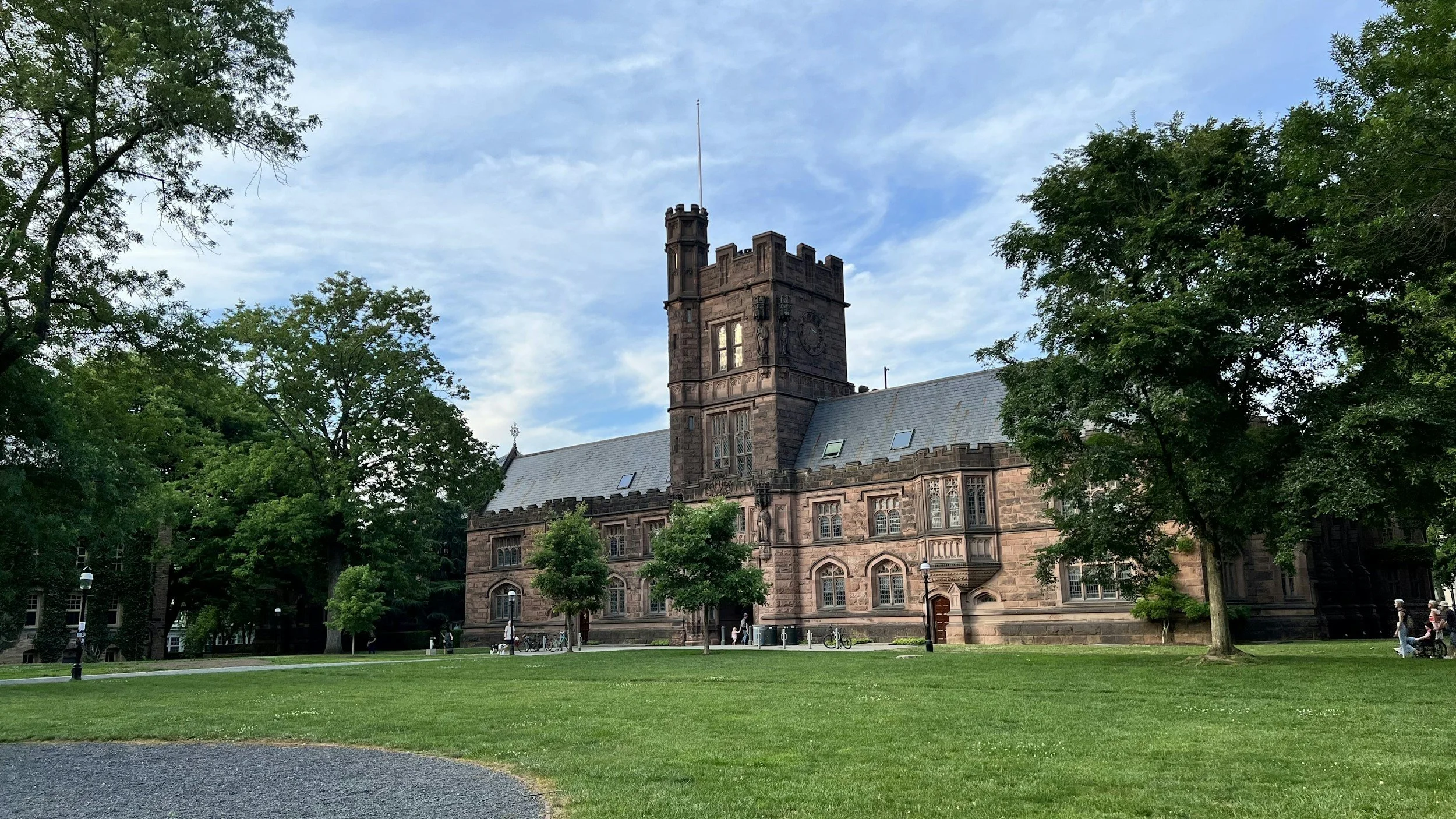
Princeton University
U.S. families earning up to $150,000 with typical assets pay nothing, with aid covering tuition, housing, food, books and personal expenses. Most families earning up to $250,000 receive aid covering tuition. Princeton's aid expansion.
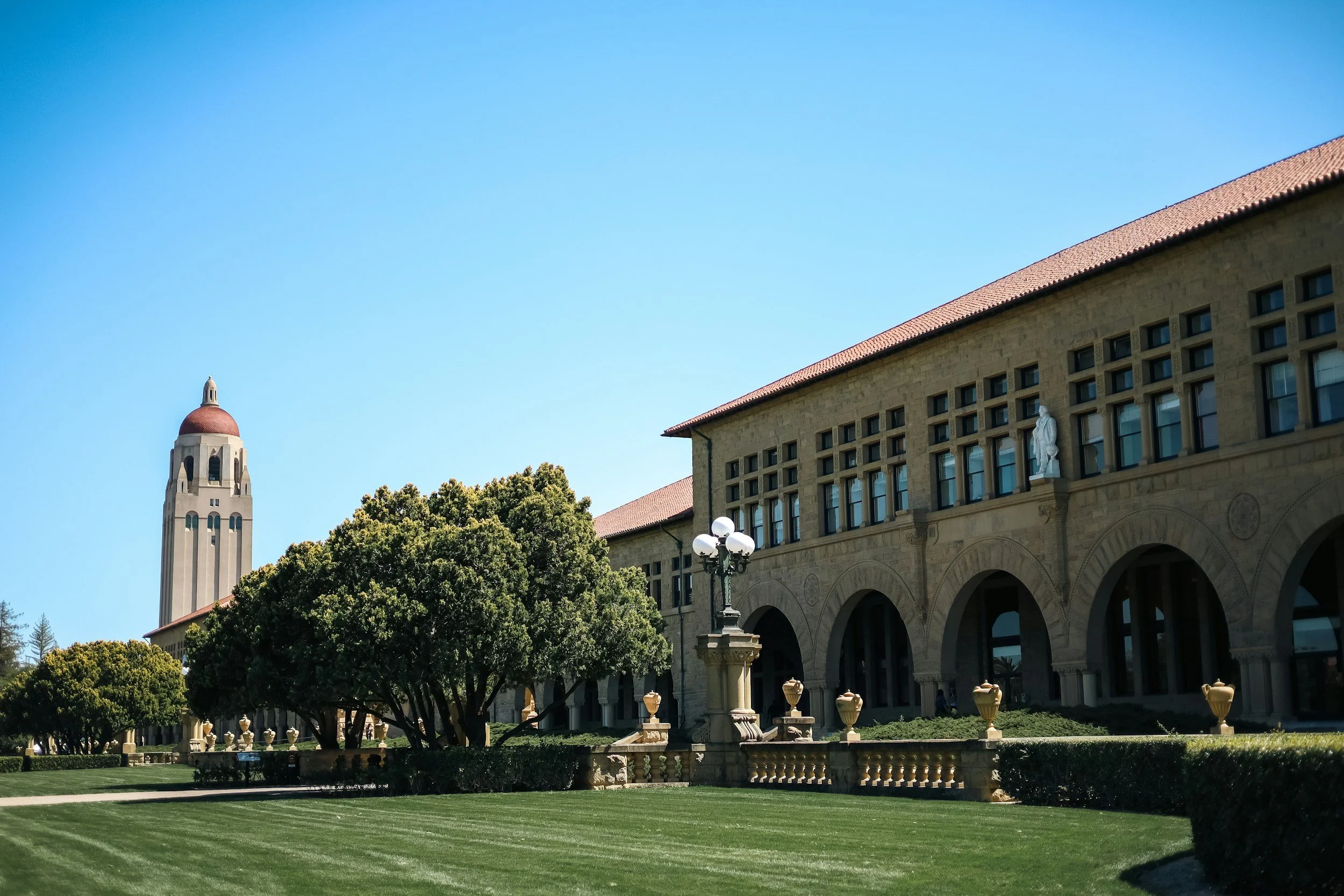
Stanford University
Families earning under $100,000 with typical assets pay no tuition, room or board, and families under $150,000 pay no tuition. Stanford affordability.
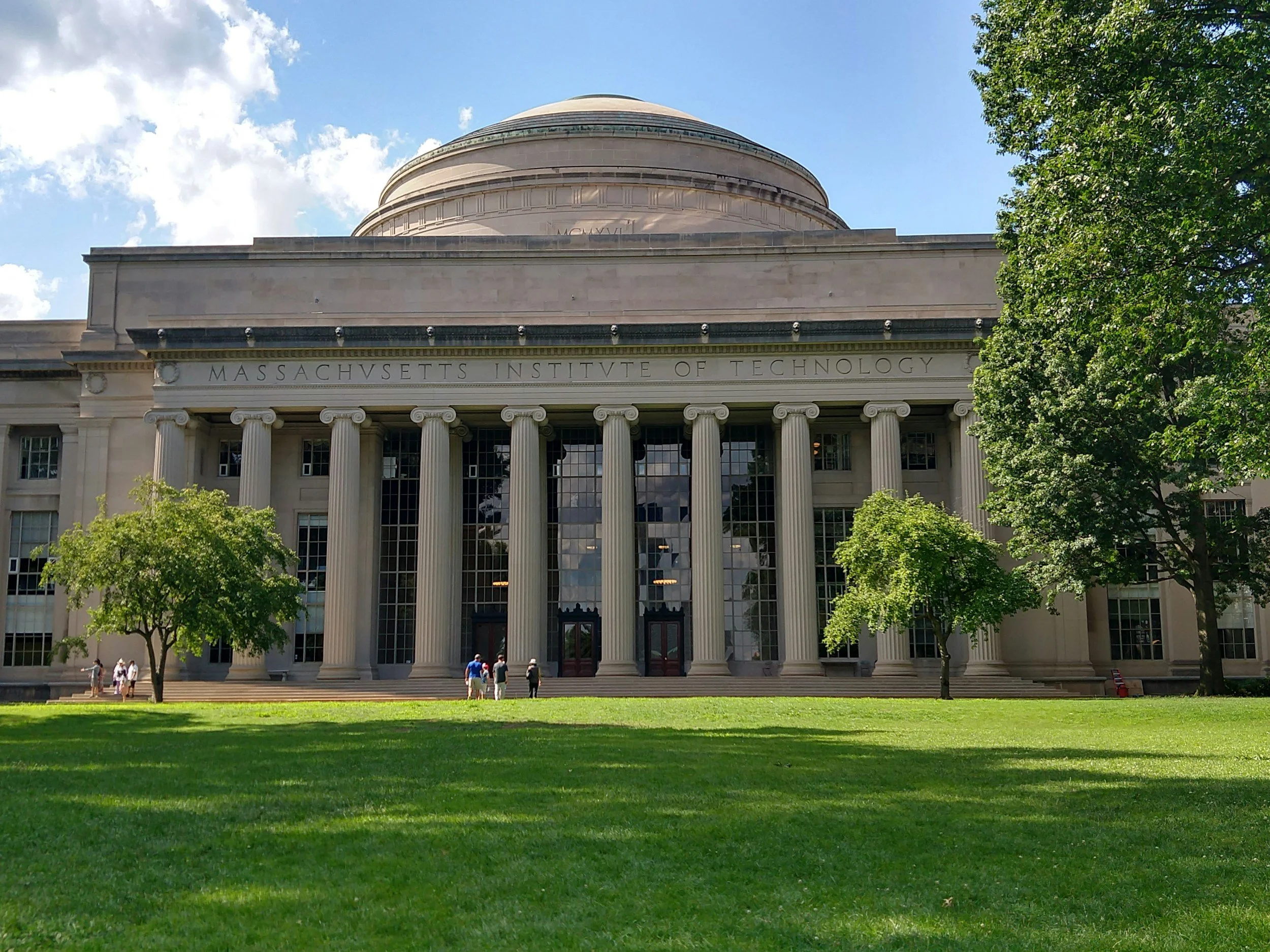
MIT
Families earning under $100,000 pay nothing toward the full cost of attendance, including tuition, housing, dining, fees, and an allowance for books and personal expenses. Families under $200,000 pay no tuition. MIT's aid expansion.
Johns Hopkins University
The Hopkins Tuition Promise, starting in 2026-27, covers full tuition for domestic students from families earning $200,000 or less with typical assets. Families at $100,000 or less also receive aid for fees and living expenses, for a $0 parent contribution. Forbes on the Tuition Promise.
Rice University
Rice covers the full cost of attendance for families earning under $100,000. Beginning with students entering in fall 2027, it offers free tuition to families earning up to $200,000. College Transitions on Rice.
University of Chicago
Starting with students entering in fall 2027, UChicago covers tuition, housing, meals and fees for families earning under $125,000 with typical assets. Families under $250,000 receive free tuition. Forbes on UChicago.
Dartmouth College
Families earning up to $125,000 with typical assets receive tuition, housing and meals, and Dartmouth's aid packages are loan-free. How Dartmouth aid works.
University of Pennsylvania
Under the Quaker Commitment, families earning under $75,000 have tuition, fees, housing and dining covered, and families up to $200,000 with typical assets receive at least full tuition. Penn financial aid.
Columbia University
Families earning below $66,000 are generally asked for no parent contribution, and U.S. families below $150,000 with typical assets receive free tuition. Columbia financial aid.
Brown University
Families with total income under $60,000 and assets under $100,000 receive scholarships equal to tuition, fees, housing and meals. Families at $125,000 or less with typical assets receive at least full tuition. Brown financial aid.
Duke University (North and South Carolina residents)
Students from the Carolinas with family incomes of $65,000 or less receive full tuition plus loan-free aid for housing, meals and other costs. Families up to $150,000 receive full tuition. Duke's Carolinas initiative.
Davidson College
Davidson covers the full cost of attendance for families earning below $85,000 and tuition for families earning up to $175,000. College Transitions on Davidson.
Boston University
BU covers the full cost of attendance for families earning below $75,000 and, starting in fall 2026, free tuition for families earning up to $200,000. College Transitions on BU.
Washington and Lee University
The W&L Promise covers full tuition for families earning under $150,000 and adds room and board for families under $75,000. W&L Promise.
UNC-Chapel Hill (Carolina Covenant)
The Carolina Covenant meets full need with grants, scholarships and work-study for students whose parents earn at or below 200% of the federal poverty guidelines and have limited assets. You are considered automatically through the FAFSA and CSS Profile. Carolina Covenant.
University of Virginia (AccessUVA)
Virginia families earning $50,000 or less with assets under $100,000 receive grants covering tuition, fees, housing and food, and those at $100,000 or less receive tuition and fees. File the FAFSA and CSS Profile by March 1. AccessUVA.
University of Florida (Machen Florida Opportunity Scholars)
First-generation Florida residents whose parents earn under $55,000, with assets under $35,000, receive a full grant and scholarship package that covers their need. About 400 scholarships are offered each year, and offers go out in March after the FAFSA is filed. Machen Florida Opportunity Scholars.
Tuition-free colleges and the service academies
These colleges cover tuition for every admitted student, and the academies and Deep Springs also cover room and board.
U.S. service academies
West Point, the Naval Academy, the Air Force Academy, the Coast Guard Academy and the Merchant Marine Academy charge no tuition, room or board, and cadets and midshipmen receive monthly pay. Graduates commission as officers and serve at least five years on active duty.
You must be a U.S. citizen, unmarried with no dependents, and 17 to 22 years old on July 1 of the year you enter (up to 25 for the Merchant Marine Academy). Four academies require a nomination, usually from a member of Congress, while the Coast Guard Academy admits directly.
Each congressional office sets its own nomination deadline, often between October and January, so check your representative's and senators' websites now. West Point tuition and service commitment.
Deep Springs College
Deep Springs, a two-year college, gives every admitted student a full scholarship for tuition, room and board, valued at over $50,000. It enrolls 12 to 15 students a year from about 300 applicants, who must be 23 or younger when they apply.
Applications for students arriving July 2, 2027, opened August 14, 2026. The deadline is posted on the Deep Springs application page.
College of the Ozarks
College of the Ozarks charges no tuition to full-time students, who work 15 hours a week on campus plus two 40-hour weeks during breaks. Students selected for the summer work program earn room and board, with one six-week session covering the fall term and two sessions covering fall and spring. College of the Ozarks.
ROTC and federal service scholarships
These awards pay for college in exchange for service after graduation.
Army ROTC scholarships with college housing incentives
ROTC (Reserve Officers' Training Corps) trains college students to commission as military officers. An Army ROTC scholarship pays either full tuition and fees or a set amount for room and board, plus $420 a month and $1,200 a year for books.
Many colleges add free or discounted room and board for ROTC scholarship winners, which turns the tuition option into a full ride. Ask each college's ROTC office what it offers three- and four-year scholarship recipients.
U.S. citizens can apply after junior year of high school, and the Army's application window runs from June to early February. Navy, Marine Corps and Air Force ROTC run their own national scholarship competitions. Army ROTC scholarships.
USDA 1890 National Scholars Program
This federal scholarship covers full tuition, fees, books, room and board, and a paid summer internship for up to four years. It applies at the 19 historically Black land-grant universities established under the 1890 Morrill Act and at Tuskegee University.
You must be a U.S. citizen with a GPA of 3.0 or higher who will study agriculture, food science, natural resources or a related field such as computer science or pre-veterinary medicine. Scholars serve one year with the USDA for each year of support.
The 2026 application closed March 8, so expect the fall 2027 window to open early in 2027. USDA 1890 National Scholars.
Athletic scholarships after the House settlement
Since July 1, 2025, NCAA Division I schools that opted into the House v. NCAA settlement can offer scholarships to every athlete on a roster. Sport-by-sport scholarship caps were replaced with roster limits, so the number of full scholarships now depends on each school's budget.
Division I schools outside the settlement still follow the older limits, under which full scholarships were concentrated in sports such as football and basketball. Division II and NAIA programs often divide awards among players, and Division III schools award only academic and need-based aid.
Athletic aid comes through recruiting. Contact coaches with video and results, attend their camps, and ask whether an offer covers tuition, housing and meals and how it renews each year. NCAA roster limit changes.
Large awards that cover part of the cost
These awards pay a large share of college costs and combine well with need-based aid from your college.
Posse Foundation. Posse Scholars receive full tuition at a partner college and arrive with a team of ten students after pre-college training. High schools and community organizations in more than 20 cities nominate students in the spring and summer before senior year. Posse nominations.
Cameron Impact Scholarship. Fifteen U.S. citizens a year receive full tuition, fees and books at any accredited U.S. college. The Class of 2028 application opens February 1, 2027, and closes at 3,000 applications or May 1, 2027. Cameron Impact Scholarship.
Cornelius Vanderbilt Scholarship. Vanderbilt's award covers full tuition plus a one-time summer stipend. Submit the application in MyAppVU by December 1, 2026. Cornelius Vanderbilt Scholarship.
Notre Dame Stamps Scholars. This award covers tuition, fees, books, personal expenses and transportation, plus a $12,000 enrichment fund. Notre Dame selects candidates from its Restrictive Early Action and Regular Decision applicants. Notre Dame Stamps Scholars.
University of Houston Tier One Scholarship. Tier One covers four years of tuition and mandatory fees, on-campus housing and meals for the first two years, and research and study abroad stipends. Apply by UH's scholarship priority date in early November, and finalists interview in January. Tier One Scholars.
University of South Carolina Top Scholars. Out-of-state Stamps and McNair Scholars receive about $25,810 and $24,000 a year, respectively, plus the in-state tuition rate and an enrichment fund. Submit the Honors College application by November 15. USC nonresident scholarships.
Meyerhoff Scholars Program (UMBC). STEM students planning a Ph.D. or M.D.-Ph.D. receive $5,000 to $15,000 a year as Maryland residents or $10,000 to $22,000 a year from out of state. The priority deadline is December 1 and the final deadline is January 15. Meyerhoff benefits and eligibility.
Coca-Cola Scholars Program. Each year 150 seniors receive $20,000. The 2027 application closes September 30, 2026, at 5 p.m. Eastern. Coca-Cola Scholars.
How to plan your full-ride applications
Most university full rides require an early application. Build your calendar around October 15, November 1, November 15 and December 1, and submit each admission application by the earliest scholarship date attached to that school.
Several awards start with a nomination, including Morehead-Cain, Jefferson, Belk and Posse. Ask your counselor in the spring of junior year which nominations your school holds and how it chooses nominees.
The FAFSA and CSS Profile for 2027-28 open October 1, and Evans, the Terry Foundation and every income-based guarantee above depend on them, so file early. If you are a National Merit Semifinalist, choose your first-choice school before the NMSC deadline.
Finalist weekends run from late January through March and include interviews and group activities, so keep those weekends open in your spring schedule.
Cosmic's admissions consultants help students choose the right full rides, secure nominations, write scholarship essays and prepare for finalist interviews. If you want to earn as much money as you can to pay for the cost of college, schedule a free consultation with an admission expert today.