Why UC Berkeley Is the Best U.S. College for Social Mobility
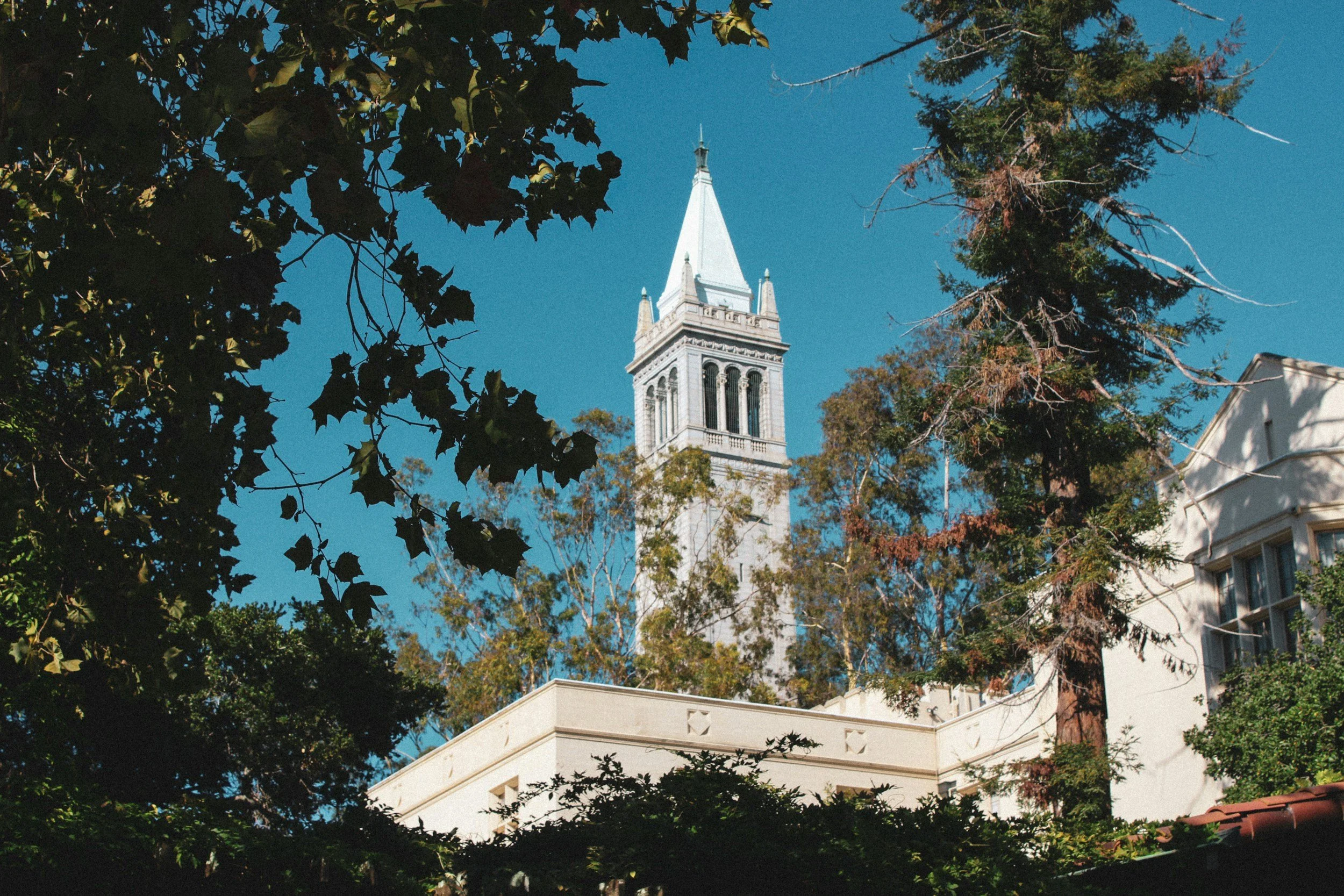
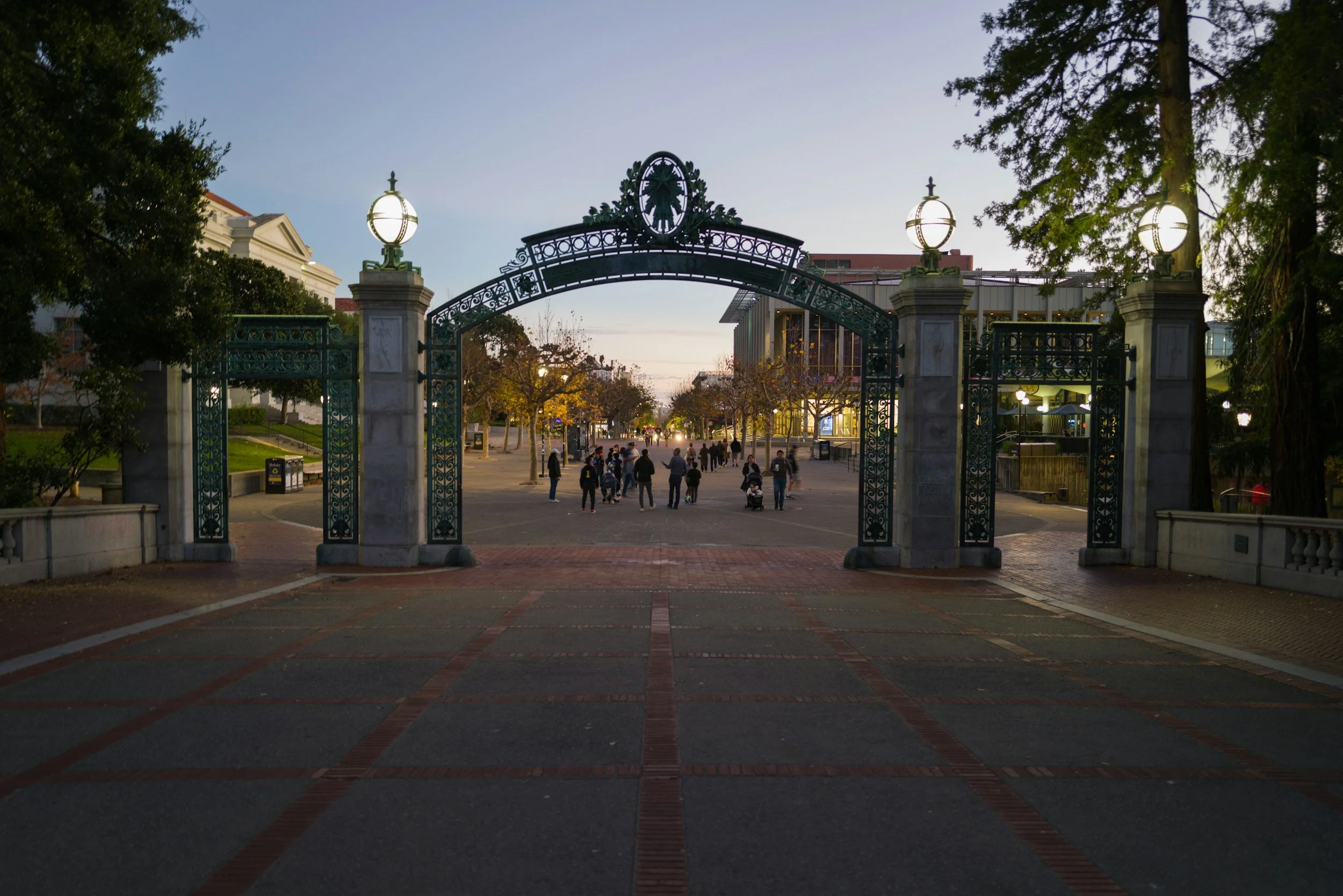
The University of California, Berkeley is the best college in the United States for social mobility. Opportunity Insights, the research group led by Harvard economist Raj Chetty, linked federal tax records to the college attendance of more than 30 million students and measured how far students from every income level rose after college. Berkeley ranked first in the country for the share of its students who climbed from the poorest fifth of American families into the top 1 percent of earners.
Berkeley also ranked in the top 3 percent of all colleges for lifting students from the poorest fifth into the top fifth of earners, at more than twice the average rate of the Ivy League and its closest private peers. It pairs a public university's reach into lower income families with outcomes close to the Ivy League's, and that pairing is what sets it apart.
How Social Mobility Is Measured
Opportunity Insights followed students born from 1980 to 1982, who reached college age around 2000, and measured their earnings in 2014, when they were in their early 30s. It ranked each student's parents against all American parents of children born the same year, and each student's earnings against everyone born the same year. In the researchers' figures, measured in 2015 dollars, the poorest fifth of families earned about $25,000 a year or less, the top fifth of adults earned about $58,000 or more at age 34, and the top 1 percent earned about $197,000 or more.
The researchers judged each college by the share of its students who made the climb, which rewards a college both for enrolling students from poor families and for helping them rise. They report two versions. The top fifth rate is the share of a college's students who came from the poorest fifth of families and reached the top fifth of earners. The top 1 percent rate is the share who came from the poorest fifth and reached the top 1 percent.
Much of this research groups the eight Ivy League schools with Stanford, MIT, Duke, and the University of Chicago, a set of 12 private universities the researchers call Ivy-Plus.
Where Berkeley Ranks
On the top 1 percent rate, Berkeley finished first in the country at 0.76 percent, meaning about 8 of every 1,000 Berkeley students came from the poorest fifth of families and reached the top 1 percent of earners. Columbia was a close second at 0.75 percent, followed by MIT at 0.68 percent and Stanford at 0.66 percent. The Ivy-Plus average was 0.48 percent, and Harvard's rate was 0.41 percent. Berkeley was the only public university among the ten colleges with the highest rates.
Berkeley earned first place by enrolling a larger share of students from the poorest families than any other college in that top ten. It drew 8.8 percent of its students from the poorest fifth, compared with 5.0 percent at Columbia, 5.1 percent at MIT, and 3.6 percent at Stanford. The private universities offered better odds per student. About 8.6 percent of Berkeley's students from the poorest fifth reached the top 1 percent, compared with 14.9 percent at Columbia and 18.5 percent at Stanford.
On the top fifth rate, Berkeley's 4.9 percent placed it in the 97th percentile of American colleges and more than doubled the Ivy-Plus average of 2.2 percent. Harvard's rate was 1.8 percent, Princeton's 1.3 percent, and the University of Michigan's 1.5 percent.
The colleges ahead of Berkeley on this measure are mostly public universities that enroll even larger shares of students from the poorest families. Cal State LA led the country at 9.9 percent, followed by Pace University and Stony Brook University at 8.4 percent, and within the University of California, UC Irvine at 6.8 percent and UCLA at 5.6 percent also posted higher rates. Several matched Berkeley on the share of their poorest students who reached the top fifth, including UC Irvine at 55.3 percent and UCLA at 54.6 percent, against Berkeley's 55.2 percent. At Cal State LA, that figure was 29.9 percent. None of these colleges ranked among the ten highest on the top 1 percent rate.
Why Berkeley Leads
Berkeley's lead comes from pairing an economically broad student body with outcomes close to those of the most selective private universities. A New York Times analysis of the same data for students born in 1991, roughly the college class of 2013, found that 3.8 percent of Berkeley students came from top 1 percent families and 29.7 percent from the bottom 60 percent. At Penn the split was 18.7 percent to 16.5 percent, and at Washington University in St. Louis it was 21.7 percent to 6.1 percent.
Family income also shaped outcomes less at Berkeley than at most colleges. Nationally, children from the richest families end up about 29 percentile points higher in the adult earnings rankings than children from the poorest families. Among Berkeley students, the researchers found a gap of about 6 points, slightly smaller than the average at elite colleges, so a Berkeley student from a poor family ends up with earnings very similar to a classmate from a wealthy one. The University of California's own records point the same way. A 2017 analysis of state employment data found that 68 percent of UC graduates who had received federal Pell Grants, the need-based grants for lower income students, earned more than their parents within five years of graduating, and almost 80 percent did within 12 years, after adjusting for inflation.
Admissions help explain who enrolls. A 2026 study in the Quarterly Journal of Economics by Chetty, David Deming, and John Friedman found that Ivy-Plus universities admitted applicants from top 1 percent families at higher rates than middle class applicants with the same SAT or ACT scores, mainly through preferences for children of alumni, recruited athletes, and higher ratings for extracurricular and personal qualities. At the public flagship universities the researchers studied, applicants with the same scores were admitted at the same rate at every income level.
Price matters as well. Californians pay systemwide tuition and fees of $15,588 for 2026 to 2027 before aid, and the University of California reports that most California families earning up to $100,000 receive enough grant aid to cover tuition.
Does Berkeley Still Lead Today?
The earnings data describe students who attended college around 2000, and the most selective private universities have changed a great deal since then. About 25 percent of Princeton's first-year class entering in 2025 was eligible for Pell Grants, a school record and up from 21.7 percent a year earlier. Many leading private universities now cover full tuition for families earning up to $150,000 or more, and Princeton's line is $250,000. These changes will likely raise the private universities' mobility rates for today's students, and future data may show a narrower gap between them and Berkeley.
Berkeley's access remains strong. Its financial aid office reports that 28 percent of its undergraduates receive Pell Grants, and about four in five of its undergraduates are California residents. Berkeley is also far larger than any Ivy League school, so each percentage point of mobility represents many more students who rose from the bottom.
What This Means for Your Family
If you live in California, Berkeley belongs near the top of your child's list at any income. Residents receive the university's strongest aid, and Berkeley admitted 14 percent of California applicants for fall 2025, compared with 8 percent of applicants from other states. UCLA and UC Irvine, which posted higher top fifth rates than Berkeley, give Californians two more strong options within the same system.
If you live outside California, compare Berkeley's price with your other options before your child applies. Nonresidents pay $54,848 in systemwide UC tuition and fees for 2026 to 2027 before housing and other costs, and California's Legislative Analyst's Office found that nonresident UC undergraduates pay an average net price of nearly $68,000 a year, compared with about $23,000 at the private universities UC treats as its peers. Berkeley's mobility record was built mainly by Californians paying resident prices, and a lower or middle income family from another state will usually pay far less at a private university with a published aid guarantee.
If your child is admitted to both Berkeley and an Ivy-Plus university at a similar cost, the evidence favors the private university for reaching the very top. About 13 percent of Ivy-Plus students from the poorest fifth reached the top 1 percent, compared with 8.6 percent at Berkeley, and the 2026 study by Chetty, Deming, and Friedman found that, among nearly identical applicants, attending an Ivy-Plus university instead of the average highly selective public flagship raised the chance of reaching the top 1 percent by about 50 percent. Berkeley's distinction is how many of its students make the climb, which is why it ranks as the best college for social mobility while the Ivy-Plus universities keep an edge in the odds they offer each student they admit.
For students applying this fall, the University of California does not consider SAT or ACT scores, although its faculty have pressed to revisit that policy. Berkeley evaluates applicants through the University of California's own application, which includes short essays called Personal Insight Questions, so your child's transcript, essays, and record of achievement carry the full weight of the application.
A Note on the Data
The mobility rates in this article describe students born from 1980 to 1982, while the figures on enrollment, admissions, aid, and cost describe the universities as they operate now. Together they show what each university has achieved for students from lower income families and what it costs to attend today.
Build Your College List With Cosmic
Cosmic College Consulting's admissions experts help students build strong applications to the University of Californiaand to the private universities with the most generous aid, and they help families weigh admission odds, long-term outcomes, and real cost across a college list. Book a free 30-minute consultation to start your child's plan.