The Pros and Cons of Attending a Feeder School
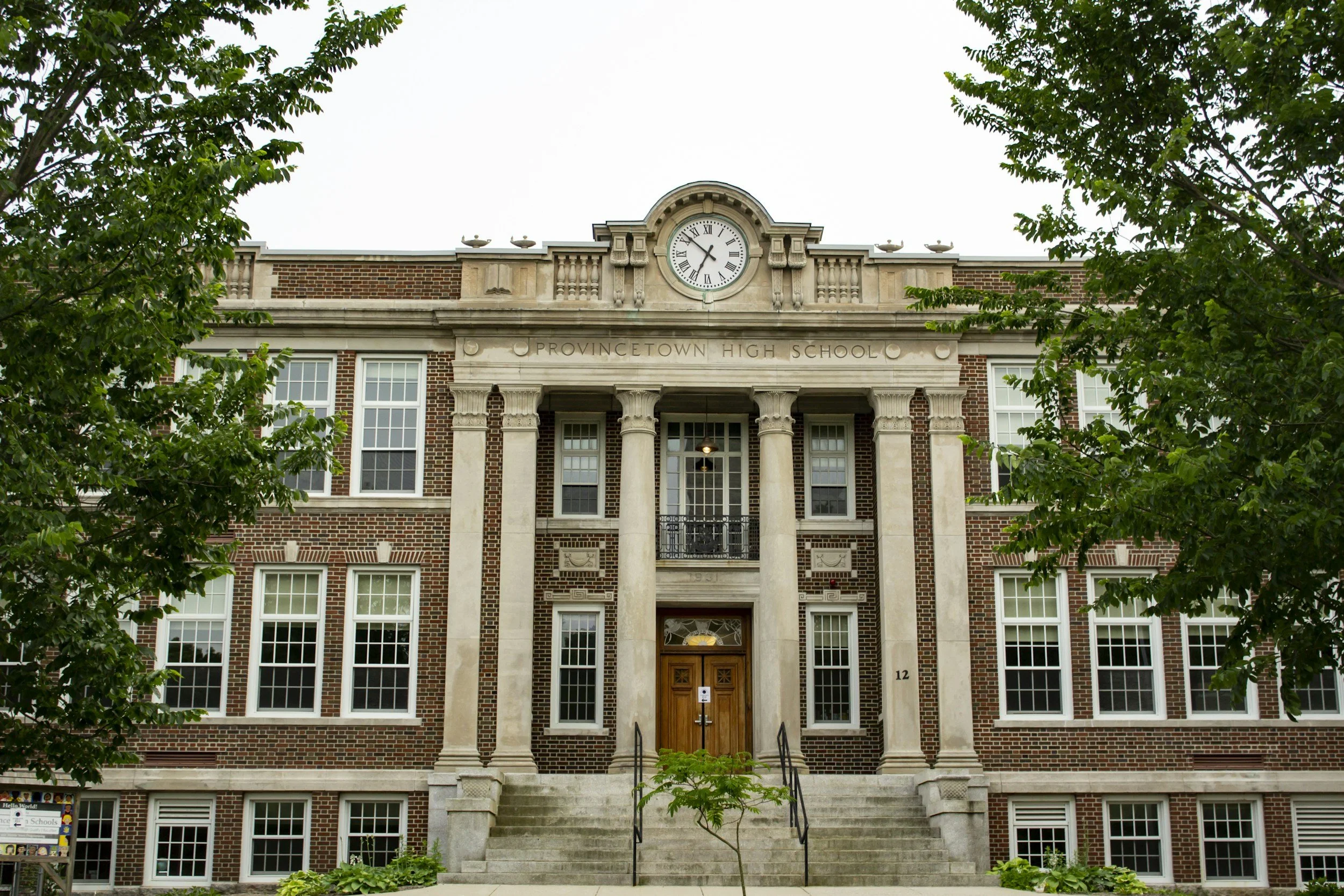
A feeder school is a high school that sends a large share of its graduates to the same group of highly selective colleges year after year. Phillips Exeter Academy, Phillips Academy Andover, Trinity School, and Horace Mann School are well known examples. Selective public schools such as Stuyvesant High School and Hunter College High School also send large classes to top colleges every year.
Attending a feeder school changes how colleges read your application, what your grades signal, who you know, and how much control you have over your own college list. Most of what follows applies to private feeder schools, though the same dynamics can appear at public ones. Here are the three main advantages and the three main drawbacks, so you can judge whether a feeder school fits your goals.
The Advantages of Attending a Feeder School
You Are Measured Mainly Against Your Own Classmates
Selective colleges read your application in the context of your high school. Admissions offices divide applications by geographic territory, and one regional admissions officer reads every applicant from the high schools in that territory. At a feeder school, that officer usually knows the school well, visits it each fall, and reads dozens of applications from your graduating class alone.
As a result, you are compared far more closely with your own classmates than with applicants elsewhere in your region or state, and much less with applicants nationally. If your classmates build their records from the school's course sequence and its own clubs, teams, and publications, a record built the same way can be fully competitive at the colleges your school feeds. A student at a typical public high school often needs achievements recognized well beyond the school to stand out to the same college.
This happens because of a loop that has built up over decades between feeder schools and the colleges they send students to. It runs in four stages, and each one strengthens the next.
The loop starts with reputation. A feeder school's name tells an admissions officer that its courses are demanding, its grades are earned, and its counselors' judgment can be trusted. Because the officer already trusts the school, a student who is strong by that school's standards reads as strong.
Next comes success in college. Students from feeder schools arrive well prepared, earn strong grades, and graduate on time. Admissions offices see how students from each high school perform once enrolled, so years of strong results make one more admit from that school a low-risk decision.
Those graduates then become alumni who give back. Feeder school graduates who build successful careers often donate to the colleges they attended and help grow their endowments. Their children frequently attend the same feeder school and later apply as legacy applicants, the children of alumni whom many selective colleges have historically favored.
Finally, the relationship renews itself. Strong performance and steady alumni giving keep the college admitting students from the school, and that admissions record raises the feeder school's reputation further. Stronger applicants then compete to attend the feeder school, and the loop begins again.
Research supports the effect. A study by economists Raj Chetty, David Deming, and John Friedman, published in the Quarterly Journal of Economics in February 2026, found that applicants from private high schools with affluent student bodies tend to receive higher non-academic ratings at Ivy League and other highly selective private colleges. Non-academic ratings are the scores admissions officers assign for extracurricular activities and personal qualities, separate from grades and test scores. In practice, your standing within your class and your counselor's support carry more weight than how you compare with applicants nationally.
Academic Rigor That Gives Your Grades Weight
Feeder schools teach at a level well above most high schools, and admissions officers know it. Classes are small, teachers often hold advanced degrees in their subjects, and courses move quickly through demanding material. At Phillips Exeter Academy, for example, classes of about a dozen students meet around a single oval table and are run as discussions.
Because the coursework is legitimately rigorous, an A at a feeder school means something. It tells a college that you mastered difficult material in a setting where top grades are hard to earn. Admissions officers read every transcript alongside the school profile, a document each high school sends describing its courses and grading, so the difficulty behind your grades is visible to them.
Many feeder schools have replaced AP courses with advanced courses of their own design. Colleges accept these without an AP label because they know what the courses cover and how well the school's graduates perform. The same preparation helps you once you arrive in college, which is part of why the loop described above keeps running.
A Network That Follows You Through Your Career
Nearly everyone at a feeder school is either academically exceptional or comes from a family with significant wealth and professional influence, and many students are both. The friends you make there go on to selective colleges, graduate programs, and leading firms. Those relationships remain a source of introductions and advice long after graduation.
The alumni network extends that reach across generations. Feeder school graduates work throughout finance, law, medicine, research, technology, and government, and many make a point of helping students from their old school. A shared high school can open the door to a research position, a summer internship, or a first job interview, and over a career those openings add up to a real difference.
The Drawbacks of Attending a Feeder School
Your Counselor Decides Where You Can Apply
At a feeder school, you are less free to apply to whatever college you want. Every application includes a school report and a recommendation letter from your school counselor, and at a feeder school that counselor's involvement can decide your outcome. Counselors at these schools speak directly with admissions officers at the colleges they feed, and those officers rely on their judgment when choosing among applicants from the same class.
That close relationship gives your counselor a strong reason to put the school's reputation first. If a counselor writes a letter supporting a student for Harvard and the student is rejected, the admissions officer trusts the school's judgment a little less the next time. Each rejection also lowers the school's admit rate at that college, and a feeder school's prestige rests heavily on that record.
So counselors gatekeep. Many decide which students may apply to which colleges, and they often limit how many students from one class apply to the same college in the early rounds. Early Decision, the most common of these, is a binding application, usually due in November, in which you commit to enroll if admitted.
If your counselor tells you a college is off your list and declines to write the letter, you are out of luck. Selective colleges expect that letter and the school report as part of a complete application, and you have no substitute for them. Your relationship with your counselor therefore shapes your college list as much as your own record does.
The Price of a Private Feeder School
Private feeder schools are expensive. Phillips Academy Andover charges $79,800 a year for boarding students and $63,840 for day students in 2026-2027. Over four years, that comes to about $320,000 for a boarder and more than $255,000 for a day student, before annual tuition increases, books, travel, and activities.
New York City day schools charge tuition in the same range. The best-endowed feeder schools offset some of this with need-based aid. Andover meets the full demonstrated need of every admitted student with grants, meaning it covers the gap between its cost and what its aid formula says your family can pay, and 47 percent of its students receive aid.
The cost falls hardest on families who earn too much to qualify for substantial aid yet would still feel the tuition every year. For those families, four years at a private feeder school is a major financial commitment that belongs at the center of the decision.
A Fixed Course Sequence
Because feeder school courses are legitimately rigorous, most of these schools keep every student in a fixed sequence and rarely allow acceleration. You may be ready for multivariable calculus as a sophomore and still be placed in the course assigned to your grade. A community college course taken for credit over the summer often will not move you ahead.
This matters most if your ability in math or science runs well ahead of your grade. A fixed sequence can hold you a year or more below your level, and it limits how much advanced coursework appears on your transcript by senior year.
At a public high school, you can fight a placement with few consequences. You can ask to test out of a course, enroll in a college course for credit, or appeal to an administrator, and the usual worst outcome is a denied request.
At a feeder school, fighting the sequence carries a cost. Petitioning to skip ahead creates work and friction for administrators, and your counselor hears about it. Because that same counselor later decides whether to support your applications, a fight over placement in tenth grade can cost you the letter you need in twelfth.
Is a Feeder School Right for You?
A feeder school gives you grades that carry real weight, a network that lasts through your career, and a direct line to the colleges it feeds. In exchange, it asks you to follow the school's course sequence and to trust your counselor with your college list. If your strengths in math or science already run well ahead of your grade, or you plan to apply to colleges your school rarely sends students to, a strong public high school may give you more room to grow.
If you thrive inside a structured program and want the advantages described above, a feeder school is a strong place to build your college application. The decision works best when you weigh it against your own goals, your family's budget, and the specific colleges you hope to attend.
Cosmic College Consulting's admissions consultants help families make this decision and prepare competitive applications to feeder schools such as Trinity School, Phillips Academy Andover, Phillips Exeter Academy, Horace Mann School, Ethical Culture Fieldston School, and The Nueva School. For students already at a feeder school, we build a college list and an academic plan your counselor can support with confidence. Schedule a consultation to plan your next step.