Do You Need Both a STEM and a Humanities Teacher Recommendation for Ivy League and T20 Schools

Every junior with a strong math and science record eventually hears the same instruction. Ask one teacher from a STEM subject and one from a humanities subject, because that pairing is what selective colleges expect. The instruction is real at two schools, where it is written into the application requirements and you plan around it. Everywhere else it is something students have absorbed secondhand, and following it by default costs many STEM applicants the stronger of the two letters they could have sent.
Where the rule actually comes from
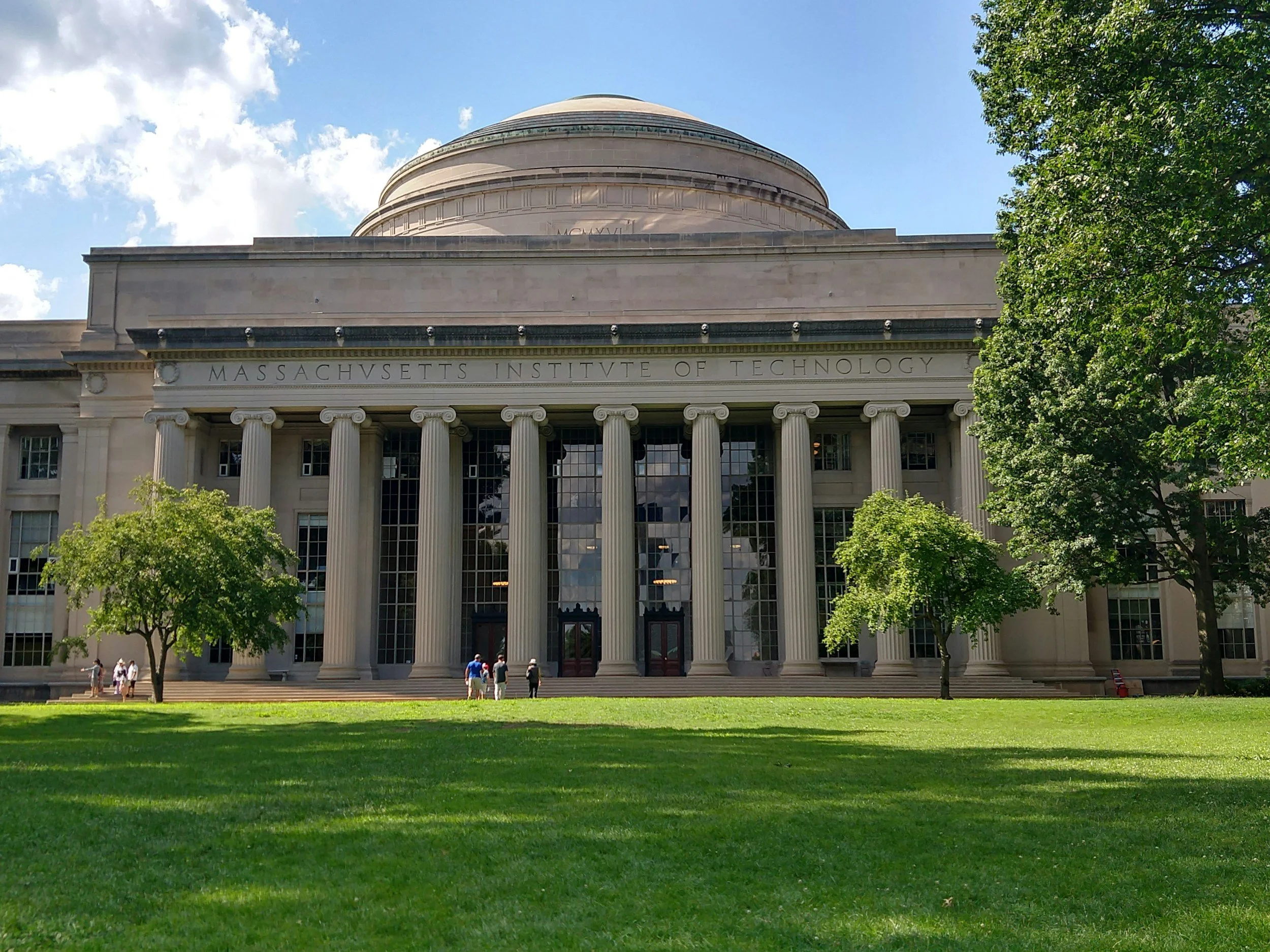
The instruction to pair a STEM letter with a humanities letter originates at MIT, and MIT's wording is what most students are repeating back. MIT requires letters from two teachers and recommends that one come from a math or science teacher and the other from a humanities, social science, or language teacher. MIT has framed that pairing for years as an A evaluation from the math and science side and a B evaluation from the humanities side, and the shorthand still circulates in high school counseling offices. MIT's current guidance adds that the split is not a hard requirement, though the overwhelming majority of competitive applicants follow it, and MIT publishes lists of which subjects fall on which side so there is no ambiguity about where computer science or economics lands.
Caltech is stricter than MIT and gets left out of the conversation. Caltech requires one letter from a STEM teacher in math, physics, chemistry, or biology, with math at the level of calculus or beyond preferred, and one letter from a humanities or social science teacher in English, history, government, or economics. Caltech also asks that the humanities letter come from a class with a substantial writing component, because it wants that teacher to speak directly to how you write. The reason Caltech gives is worth understanding. Faculty read the applications, and they want a report from the subjects that make up the core curriculum every undergraduate has to survive. Caltech makes one carve out, allowing international applicants who have not taken a humanities course in their final two years to substitute a second STEM letter.
If MIT or Caltech is on your list, the pairing is settled and the rest of this article is about the other twenty schools you are applying to.
What the rest of the Ivy League and the T20 ask for
Harvard requires two teacher recommendations and says nothing about subject pairing. Yale asks for two teachers who have taught you in core academic subjects, meaning English, foreign language, math, science, or social studies, and says it prefers teachers from junior or senior year. Dartmouth asks for two evaluations, preferably from core courses. None of these three tells you to balance one against the other.
The schools that do name subjects mostly name the STEM one. Cornell requires two teacher recommendations, and for the College of Engineering one of them must come from a math, science, or computer science teacher while the second may come from a teacher of any subject at all. Columbia requires two letters from teachers in academic disciplines, and Columbia Engineering requires that one of them be from a math or science teacher. In both cases the school is protecting the technical side of the file, not the humanities side.
Princeton is the one Ivy with language that sounds like the MIT rule. Princeton asks for two teachers who taught you in higher level courses in different academic areas of study, and says the subjects should be core ones such as English, language, humanities, social sciences, natural sciences, or math. Read the list again, because math and natural sciences appear on it as separate areas. A calculus teacher and a physics teacher are already teaching in different academic areas by Princeton's own categories.
So the honest summary is that two schools want the STEM and humanities pairing, one asks for different academic areas in a way that two STEM teachers can satisfy, and several of the rest want to be sure one letter comes from math or science. Much of what students believe about a universal rule traces back to third party guides that restated MIT's instruction as if every selective college had issued it.
What the second letter is actually being read for
Admissions readers are not auditing your file for subject balance. They are reading letters for evidence about how you think, what you do when you are stuck, and what happens to a room when you are in it. A recommendation earns its slot when it contains something no other document in the application contains, told by an adult who watched it happen.
That standard is what should decide your second letter. The question is not which department the teacher belongs to. The question is whether that teacher can write a page about you without asking for your resume first, and whether the page would change a reader's picture of you after they have already read the first letter.
The trade many strong STEM applicants make without noticing
Here is the pattern that shows up constantly. A student has two teachers who know them extraordinarily well, the physics teacher who supervised an independent project after school for a year and the calculus teacher who watched them work the same proof for three weeks and come back with something better than the textbook approach. The same student has a junior year English teacher who has read four of their essays, given them A minuses, and could produce maybe four accurate sentences about them.
Then, believing the pairing is required, the student asks the English teacher and drops one of the two STEM teachers. The result is one letter full of specific, unrepeatable detail and one letter that is polite, competent, and interchangeable with a thousand others. At every school outside MIT and Caltech, two letters full of specific detail would have been the stronger file.
This happens for an understandable reason. The interests that produce a genuinely elite STEM applicant, meaning olympiad training, research, building things, competing, tend to leave less room for the sustained back and forth with a humanities teacher that produces a memorable humanities letter. Those students are not weak writers or disengaged students. They simply have two relationships of real depth and both of them are on the same side of the building, and the application only has two slots.
When a humanities letter is the stronger choice
For a STEM applicant outside MIT and Caltech, a humanities letter earns its slot when the teacher can reveal something extraordinary that a second STEM teacher could not.
That happens more often than students assume. It happens when a teacher has watched your argument change across drafts and can describe how you handle being wrong in public, which is a quality every one of these schools is looking for and almost no science letter addresses. It happens when you run the seminar discussion in a way that raises the level for everyone else in the room, since contribution to a classroom is exactly what admissions officers are trying to predict. It happens when you did a real project under that teacher, a history research paper built on primary sources, a policy argument you carried through a debate season, a piece of writing that went somewhere outside the school. And it happens when your intended field runs on writing and argument, including economics, public policy, science communication, or any research career where the paper matters as much as the result.
The common thread is that the teacher has seen you do something, not just seen you perform well. When that is true, ask them, and ask them at MIT and Caltech regardless.
How to decide, and when
This decision belongs to junior fall, not to the first week of senior year, because the relationship has to exist before the letter can. Start by naming the two adults in your building who could write about you from memory. If both of them teach STEM and neither MIT nor Caltech is on your list, ask both of them and stop worrying about the pairing.
If MIT or Caltech is on your list, treat the humanities relationship as part of your junior year plan. Choose a humanities or social science class where discussion is the format rather than the garnish, pick the teacher whose class asks for real writing, and bring them something other than a grade question during the year. A teacher who has argued with you about a text in October can write in November of your senior year. A teacher meeting you for the first time when you hand over a form cannot.
Also know what the supplemental letter slot is and what it is not. Most of these schools accept one additional recommendation, and MIT explicitly allows one supplemental recommender while noting that most admitted students do not submit any. That slot exists for a research mentor or a coach who has seen a side of you the classroom has not. It works as an addition to two strong teacher letters and it works poorly as a repair for a thin one.
Get the pairing right for your list
Recommendation strategy is one of the few parts of the application you can set up quietly and early, a full year before anything is due, and it rewards students who plan it against their actual college list rather than against a rule they heard in a hallway.
Our admissions consultants work with students during junior year to map which teachers hold the evidence, which schools on the list dictate the pairing, and how to give every recommender the material that turns a good letter into a specific one. If you want to do everything you can to get winning letters of recommendation, schedule a free consultation with a college admissions expert today.