Best College to Attend to Become Rich?

If you are asking which college will make you rich, you are really asking three questions at once. What kind of rich? By what route? And at what cost? The honest answer changes depending on how you answer those, but the data on wealth outcomes by school is more rigorous than most people assume, and it points to clear winners by lane.
The Short Answer
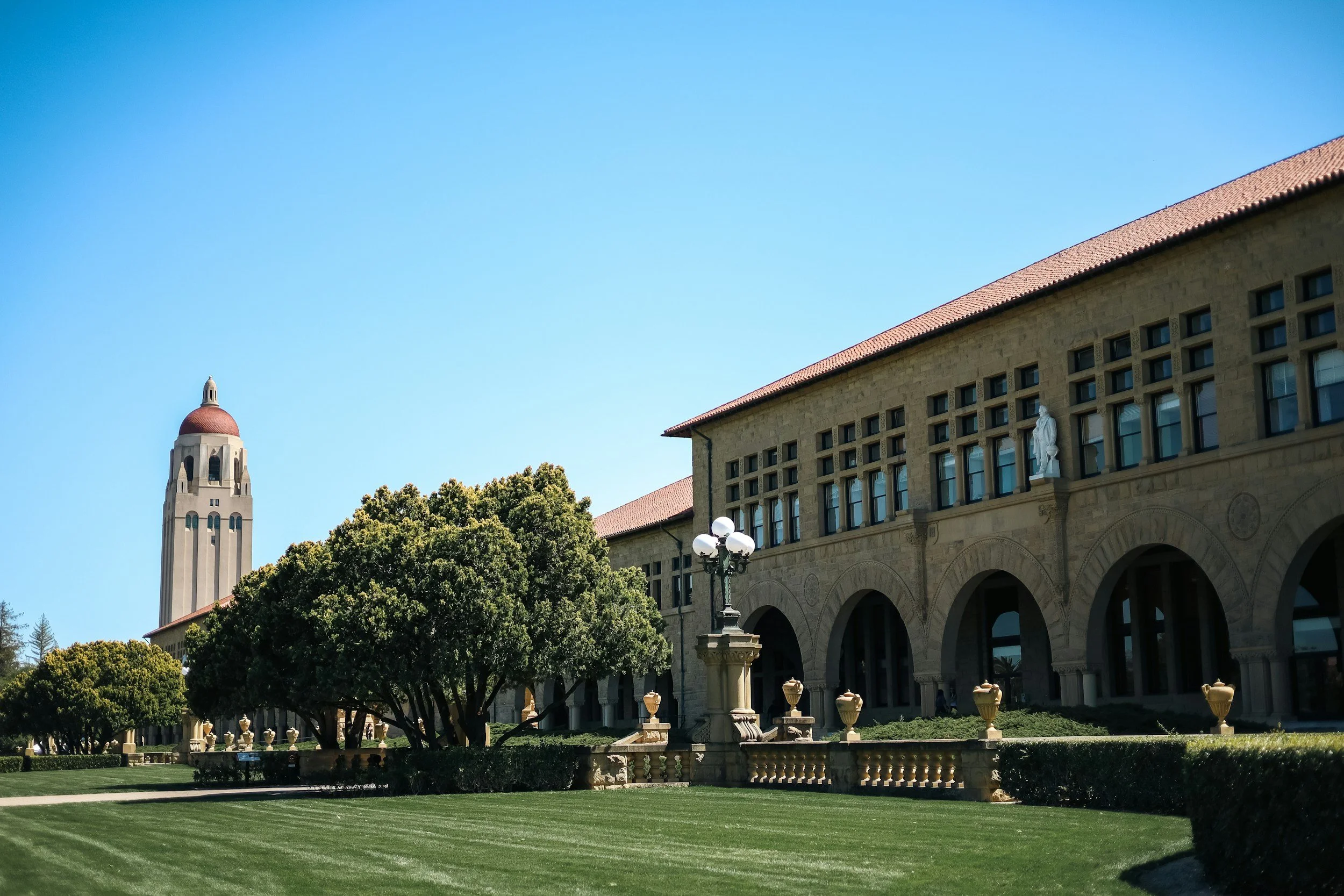
If you want one name for a headline, the strongest all-around choice is Stanford University. Stanford sits at or near the top on every observable proxy: billionaire alumni, ultra-high-net-worth alumni, top-income attainment in early adulthood, and venture-backed founder output.
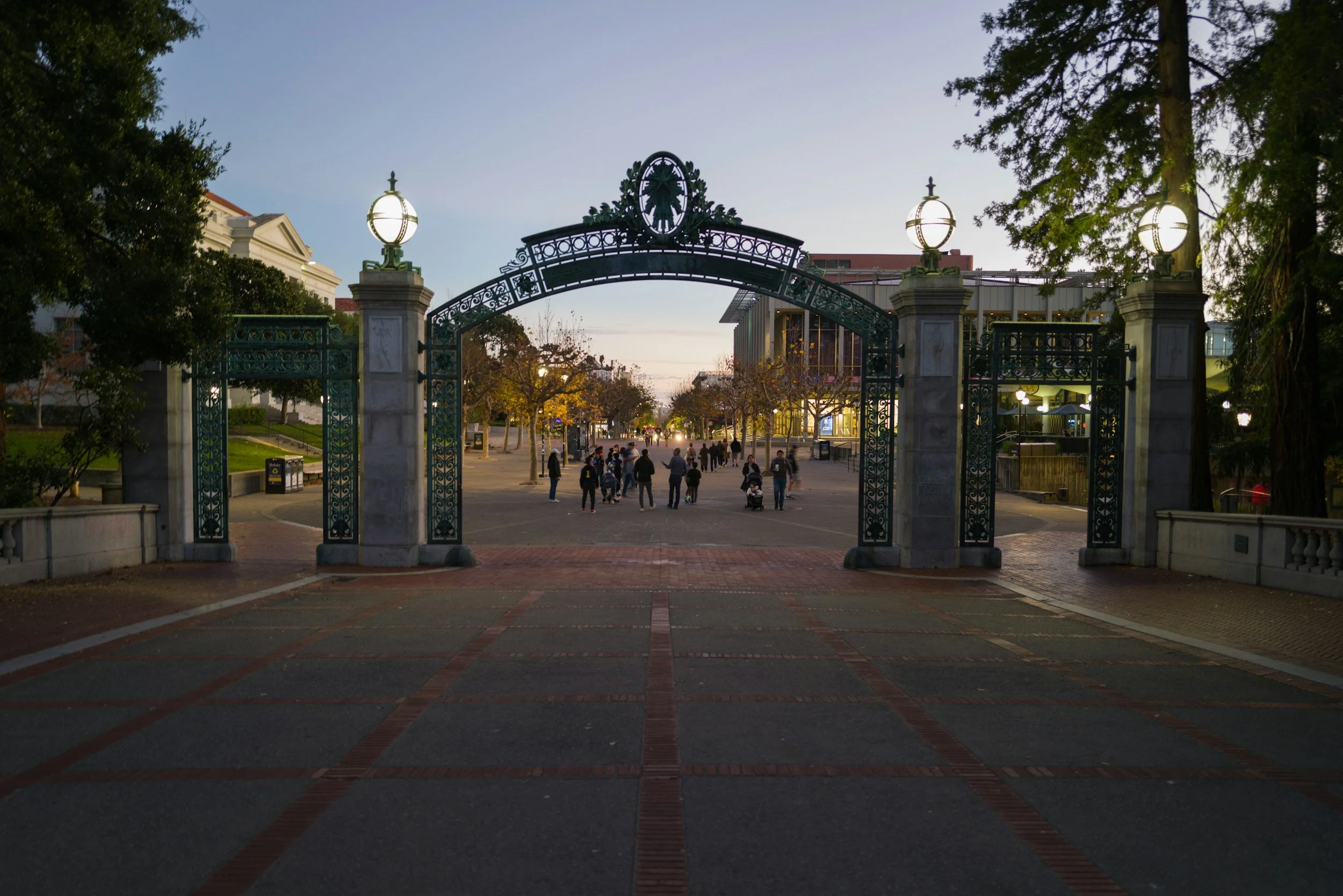
That is not the most useful answer, though. The more rigorous answer is that there is no single best college for becoming rich across all career lanes. The best finance route looks more like the University of Pennsylvania. The broadest elite-network route looks like Harvard. The strongest public-university founder engine is the University of California, Berkeley. The clearest entertainment route is the University of Southern California. The most obvious New York City plays are Columbia University and New York University.
Across nearly every dataset that measures extreme wealth attainment, the same cluster of schools shows up: Harvard, Stanford, Penn, Columbia, MIT, Princeton, Yale, NYU, Berkeley, Northwestern, Chicago, USC, Cornell, Michigan, Duke, and Georgetown. The order shifts depending on whether you care about absolute totals or per-capita odds, but the cluster is remarkably stable across measurement methods.
What the Evidence Actually Measures
Universities do not publish lists of alumni earning $1 million or more per year. There is no central database. To compare schools on wealth outcomes, you have to triangulate from three observable proxies.
The first proxy comes from Opportunity Insights, which uses linked federal tax records to estimate, for each college, the share of former students who reach the top 1% of the earnings distribution by their early thirties. That dataset is unusually credible because it draws on actual IRS records rather than surveys.
The second proxy is ultra-wealth stock. Altrata publishes annual rankings of universities by the number of alumni worth more than $30 million, and Money has summarized billionaire-alumni counts compiled by researchers Salas-Díaz and Young.
The third proxy is venture-backed founder output. PitchBook ranks universities each year by the number of founders who go on to raise institutional capital.
Each measure has blind spots. Top 1% income data captures labor earnings in early adulthood but misses late-peaking wealth from carried interest, exits, royalties, and capital gains. Ultra-high-net-worth counts are stock, not flow. Founder counts miss bootstrap businesses, family firms, real estate operators, and most entertainment careers. Looked at together, though, they tell a consistent story.
The Top Tier by Absolute Wealth Stock
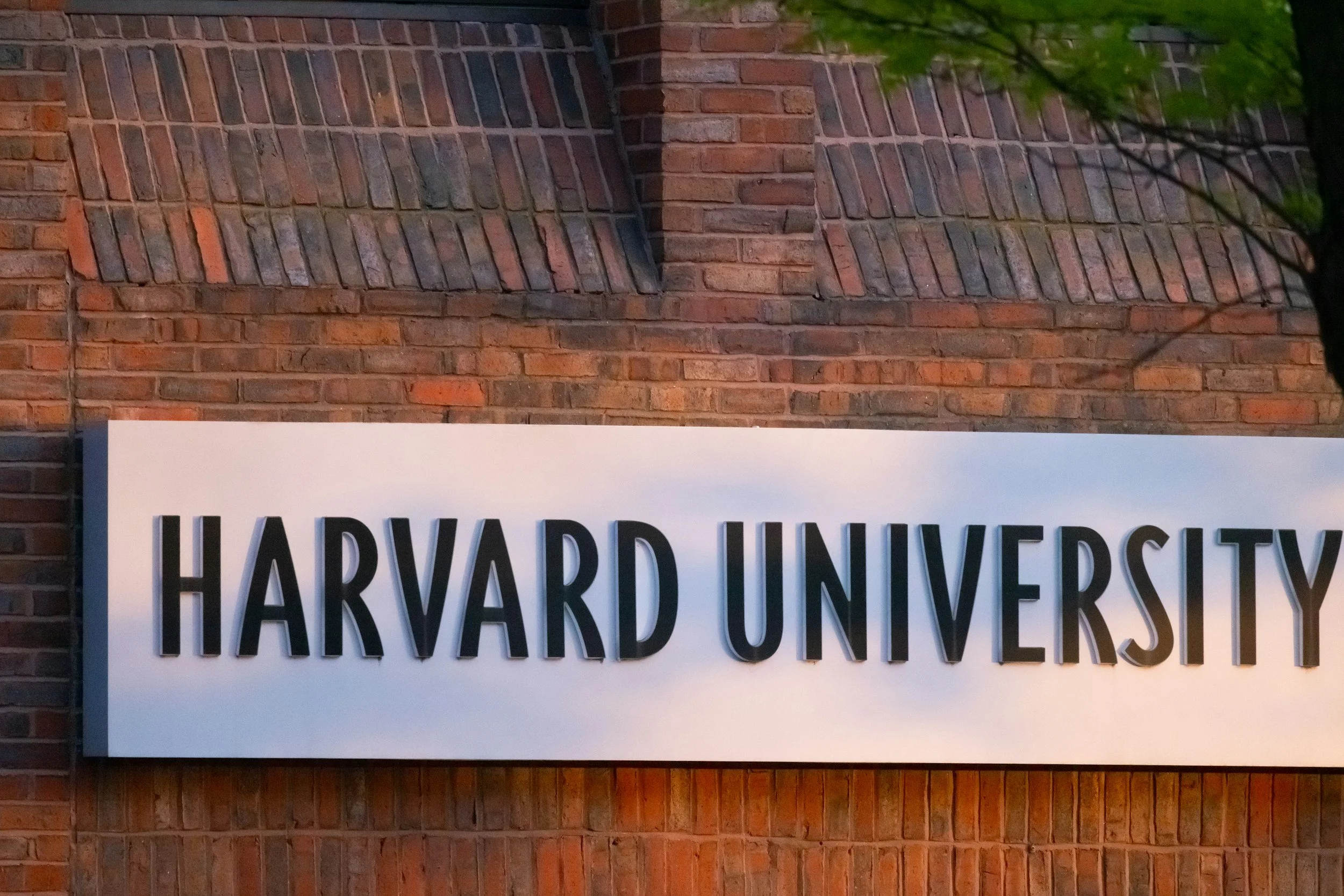
Harvard leads by a wide margin. Altrata’s most recent ranking puts Harvard at roughly 18,000 alumni worth $30 million or more, with 104 billionaires. That is roughly double Stanford’s 9,300 ultra-wealthy alumni and 69 billionaires, and more than twice Penn’s 8,400 ultra-wealthy alumni and 38 billionaires.
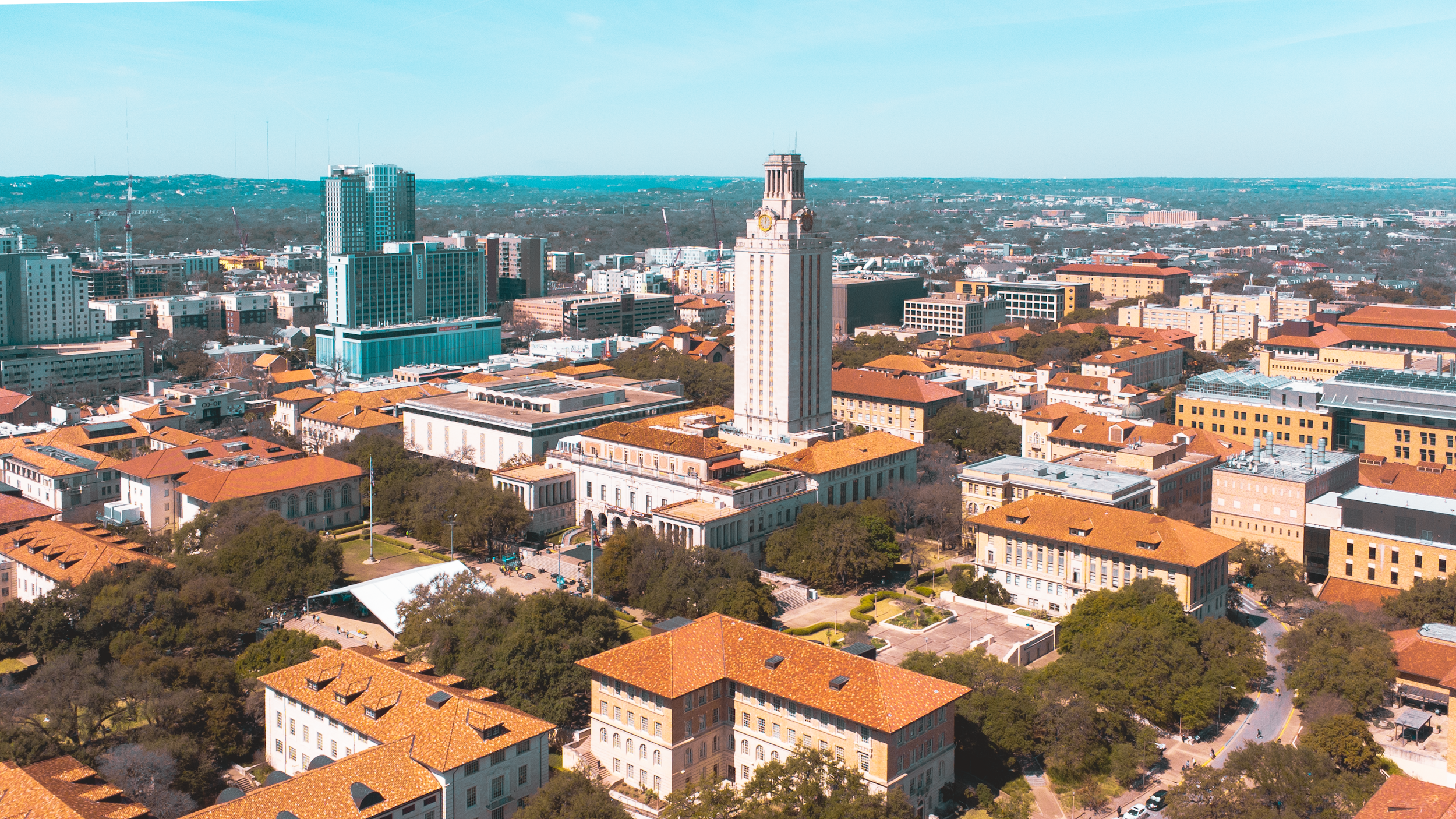
After that top three, you get a tightly packed group. Columbia has roughly 6,400 ultra-wealthy alumni and 32 billionaires. NYU has 6,200 ultra-wealthy alumni and 18 billionaires. Northwestern, Yale, MIT, Chicago, Berkeley, USC, Princeton, Texas, Michigan, Cornell, Virginia, Georgetown, UCLA, Notre Dame, and Dartmouth round out the top twenty, generally between 2,600 and 4,700 ultra-wealthy alumni.
Two takeaways matter here. First, the gap at the very top is real. Harvard’s ultra-wealthy alumni base is more than four times as large as Berkeley’s, Chicago’s, or MIT’s. Second, the second tier is broader and more diverse than people assume, with strong representation from public flagships like Berkeley, Texas, Michigan, and UCLA, private regionals like Notre Dame, USC, and Georgetown, and small Ivies like Dartmouth.
The Top Tier by Per-Capita Odds
Absolute counts reward big alumni bases. Per-capita measures reward selective admissions and unusually strong pipelines. On Opportunity Insights’ top 1% income measure, six schools cluster above 20%: Princeton at 23.2%, Penn at 22.5%, Harvard at 21.1%, Stanford at 20.9%, Duke at 20.4%, and MIT at 20.4%.
A second tier sits between 17% and 19%: Yale at 18.5%, Babson at 17.8%, Dartmouth at 17.7%, and Georgetown at 17.5%. Then Rice at 16.7%, Columbia at 16.6%, Cornell at 14.5%, Northwestern at 14.2%, Brown at 13.7%, Johns Hopkins at 13.2%, Carnegie Mellon at 12.8%, Chicago at 11.0%, and Michigan at 10.1%.
A few patterns are worth noting. Princeton’s number-one per-capita ranking is striking given its small size, and that small base also explains why it does not dominate absolute ultra-wealthy lists. Babson’s appearance is the strongest signal that an entrepreneurial specialist school can generate top-1% incomes at rates comparable to the Ivies. Chicago’s number looks low relative to its reputation, which probably reflects the fact that finance careers often peak later than the early-thirties window the data measures.
A Rough Estimate of $1M+ Earners by School
If you take official living-alumni counts, multiply by each school’s top 1% rate, and apply a calibration factor (since roughly half of top 1% earners actually reach $1 million in adjusted gross income in any given year, based on IRS Statistics of Income data), you get a directional estimate of how many alumni at each school clear $1 million in a typical year.
The estimate puts Harvard around 44,000, Penn around 33,000, Michigan around 29,000, Stanford around 24,000, Duke around 20,000, Georgetown around 20,000, Cornell around 19,000, Northwestern around 17,800, Johns Hopkins around 17,200, Yale around 16,600, MIT around 13,600, Princeton around 11,600, Chicago around 10,000, Carnegie Mellon around 7,700, and Dartmouth around 7,400.
Treat those numbers as directional, not literal. Columbia, NYU, USC, Berkeley, and UCLA are obvious top-tier wealth producers as well, and they are absent from this specific list only because the calculation requires both an official alumni-base figure and a computed top 1% rate that lined up cleanly.
Why the Same Schools Keep Winning
Five forces explain the recurring cluster.
The first is network density. The Salas-Díaz and Young global-elite study, summarized by Money, found Harvard with 662 degrees held by global elites, Stanford with 306, Penn with 170, Oxford with 165, Columbia with 154, and Yale with 130. The authors argue explicitly that the durable value of these schools is not classroom instruction but signal and network effects that persist through alumni networks for life.
The second is recruiting pipelines. PitchBook’s 2024 undergraduate founder ranking puts Berkeley first, Stanford second, Harvard third, Penn fourth, MIT fifth, Cornell sixth, Michigan eighth, Yale eleventh, UCLA twelfth, Columbia thirteenth, Princeton fourteenth, USC fifteenth, Duke seventeenth, Northwestern eighteenth, NYU twentieth, Brown twenty-second, Carnegie Mellon twenty-sixth, Virginia thirty-first, Dartmouth thirty-fourth, and Georgetown fortieth. For MBA founders, Harvard, Stanford, Penn, Columbia, Northwestern, Chicago, and MIT all rank in the top ten globally. These are exactly the schools that investment banks, consulting firms, hedge funds, and venture capital firms recruit hardest from.
The third is institutional resources. Stanford’s StartX provides more than $100,000 in resources, elite mentorship, and zero equity to participating ventures. MIT’s Martin Trust Center serves thousands of students each year with courses, programs, facilities, and advisory services. Harvard Innovation Labs serves more than 2,900 student members annually. Penn’s Pennovation Center is a 58,000 square foot incubator hub. Chicago’s Polsky Center runs the New Venture Challenge with more than $1 million in annual investment, and the George Shultz Innovation Fund offers up to $250,000 per venture. In 2025, Harper Court Ventures launched a $25 million deep-tech fund for the UChicago ecosystem.
The fourth is geography. Schools near Silicon Valley monetize engineering and founder networks fastest, which is why Berkeley and Stanford lead PitchBook’s founder ranking. Schools near New York (Penn, Columbia, NYU, Princeton, Georgetown) benefit from proximity to finance, law, media, and executive recruiting. Schools in Los Angeles (USC and UCLA) get unmatched access to entertainment, sports business, and consumer brands.
The fifth is industry mix. Altrata’s 2025 report on wealthy alumni with more than $5 million in net worth shows the dominant industries: banking and finance at 24.9%, business and consumer services at 16.8%, technology at 10.1%, nonprofit and social organizations at 7%, healthcare at 5%, and real estate at 4.8%. The technology share rises substantially among younger wealthy alumni, which is why Stanford and Berkeley have surged in modern-era wealth production without displacing the older finance and law dominance of Harvard, Penn, Columbia, Yale, or NYU.
How Seven-Figure Careers Actually Happen
The path to a seven-figure year is field-specific, but the underlying mechanism is consistent. Selective admissions create denser peer networks. Those networks produce better internships, cofounders, mentors, and high-trust referrals. The combination of credential signaling and adjacency to capital markets compounds over a career.
In finance, the typical route runs from elite undergraduate through investment banking analyst program, then to private equity, hedge fund, or buy-side asset management. Partners at top firms regularly clear $1 million per year, and many reach that threshold within a decade of graduation. Penn, Harvard, Columbia, NYU, Princeton, Chicago, Georgetown, and Northwestern dominate this lane.
In tech, the route runs from a technical undergraduate degree through engineering or product roles at top firms, then often through founder paths supported by university accelerators and venture capital networks. Stanford, Berkeley, MIT, Carnegie Mellon, Harvard, Penn, Cornell, Michigan, and UCLA are the most reliable launchpads.
In medicine and biotech, the path is slower but reaches very high lifetime earnings. Specialist physicians, founders of biotech companies, and faculty who commercialize research can all reach seven-figure annual income, particularly when ownership stakes or licensing revenue are involved. Johns Hopkins, Stanford, Harvard, MIT, Duke, Yale, and Penn lead this lane. Duke Capital Partners explicitly funds startups from Duke inventions, and Yale Ventures runs a startup license program for university research.
In law, the path runs through elite law schools to BigLaw partnership or litigation rainmaking. Harvard, Yale, Stanford, Columbia, Penn, NYU, and Chicago dominate the law school feeder pattern.
In entertainment and the creator economy, geography matters more than national prestige. USC and UCLA get unmatched Los Angeles access. NYU and Columbia are the strongest New York alternatives. USC’s own data show more than 20,000 alumni who list entrepreneurship as their profession on LinkedIn, and UCLA’s alumni platform reaches more than 660,000 Bruins worldwide.
The Honest Caveat
Elite schools are not pure wealth factories. They are also wealth amplifiers for already-privileged students. Opportunity Insights research using federal tax records found that children from top 1% families are 77 times more likely to attend Ivy-Plus colleges than children from the bottom 20%. A separate Opportunity Insights admissions paper found that, controlling for test scores, applicants from top 1% families are 58% more likely to be admitted to Ivy-Plus colleges than comparable middle-class applicants.
That matters for two reasons. First, part of the headline success rate at top schools reflects who they admit, not only what those schools add. Second, a high-achieving student from a less-affluent background should not assume they have less access to wealth-building careers. They will simply have to work harder to convert their education into the same network density that already-affluent peers inherit by default.
What You Should Actually Do
Do not optimize for prestige in the abstract. Optimize for lane fit, debt load, and whether the school can realistically place you in the rooms where money is made in your specific field.
If you are targeting finance, your best short list is Penn, Harvard, Columbia, NYU, Princeton, Chicago, Georgetown, and Northwestern. Penn stands out for combining extreme top-income attainment with a deep Wall Street identity. Columbia and NYU matter because New York is still the densest U.S. node for finance, law, and media. Georgetown belongs on the list because its per-capita top-income rate is high and its location extends the network into law, policy, and global institutions.
If you are targeting tech founder paths, your best short list is Berkeley, Stanford, MIT, Harvard, Penn, Cornell, Michigan, UCLA, Columbia, Duke, Northwestern, Brown, Carnegie Mellon, and Texas. Berkeley and Stanford are the obvious leaders. Carnegie Mellon is exceptionally strong for technical talent and startup formation even though its billionaire stock is smaller. Cornell’s founder output is much stronger than its popular reputation suggests.
If you are targeting entertainment or creator economy wealth, USC and UCLA have the clearest Los Angeles advantage. NYU and Columbia are the strongest New York alternatives. Harvard and Stanford are weaker as direct entertainment launchpads despite their broader prestige.
If you are targeting medicine, biotech, or health tech, the strongest schools combine research commercialization with network density: Johns Hopkins, Stanford, Harvard, MIT, Duke, Yale, and Penn. Wealth in these fields tends to monetize later than consumer internet or hedge funds, but the lifetime earning trajectory is reliably high.
If you want a public-university answer that does not sacrifice opportunity, Berkeley is the cleanest choice, followed by Michigan, UCLA, Texas, and Virginia. Berkeley is first in PitchBook’s undergraduate founder ranking and tied with elite privates on ultra-wealthy alumni stock. That combination makes it arguably the strongest value proposition for wealth creation in American higher education.
If you are a high school student or parent trying to map this onto specific schools, programs, and admissions strategy, schedule a complimentary consultation with an admissions expert today.