Best Pre-Med Activities for T20 Schools
Before we get into the list, let's clear something up: pre-med does not actually exist in the United States. Medical school is a graduate program. You do not apply to it out of high school. You apply after completing a bachelor's degree, and that degree can be in virtually anything. Biology, chemistry, mathematics, English, political science, poetry, it does not matter. There are a small number of BS/MD programs that blur this line slightly, but they are the exception, not the rule, and they do not change the fundamental structure of American medical education.
What makes the label "pre-med" meaningful is not your major. It is your coursework. Regardless of what you choose to study, if you are serious about medical school, you will need to have completed, before you graduate college, two semesters of calculus, two semesters of general chemistry, two semesters of organic chemistry, two semesters of physics, and a semester of biochemistry. That prerequisite sequence is the actual substance behind the pre-med identity. Everything else is branding.
That said, the reality is that most students who identify as pre-med will major in biology, chemistry, or another STEM field, or they will make their intention to become a physician a centerpiece of their college application. That is who this article is for. If you are applying to a T20 university with medical school on the horizon, here are the extracurriculars that will actually move the needle.
Research
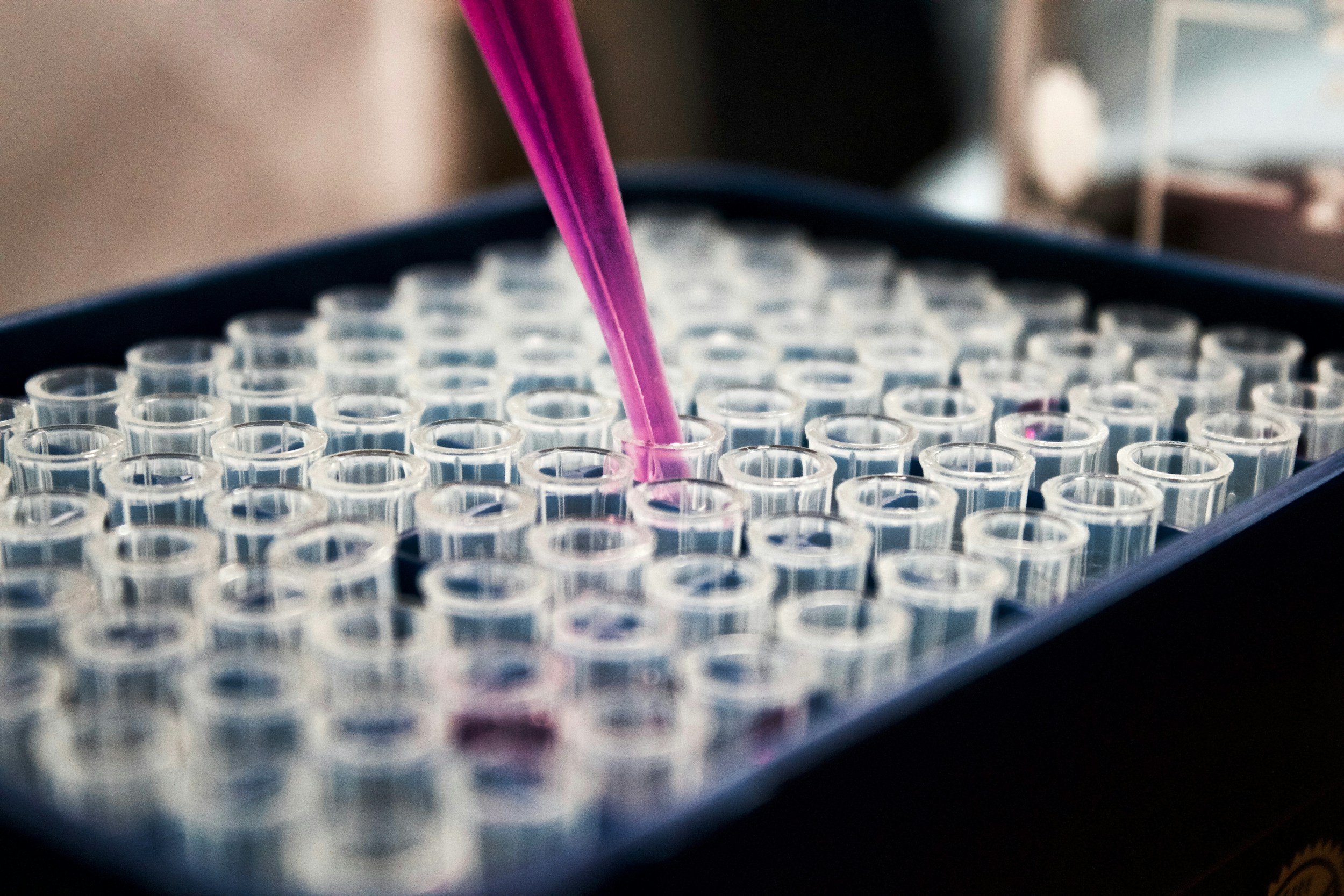
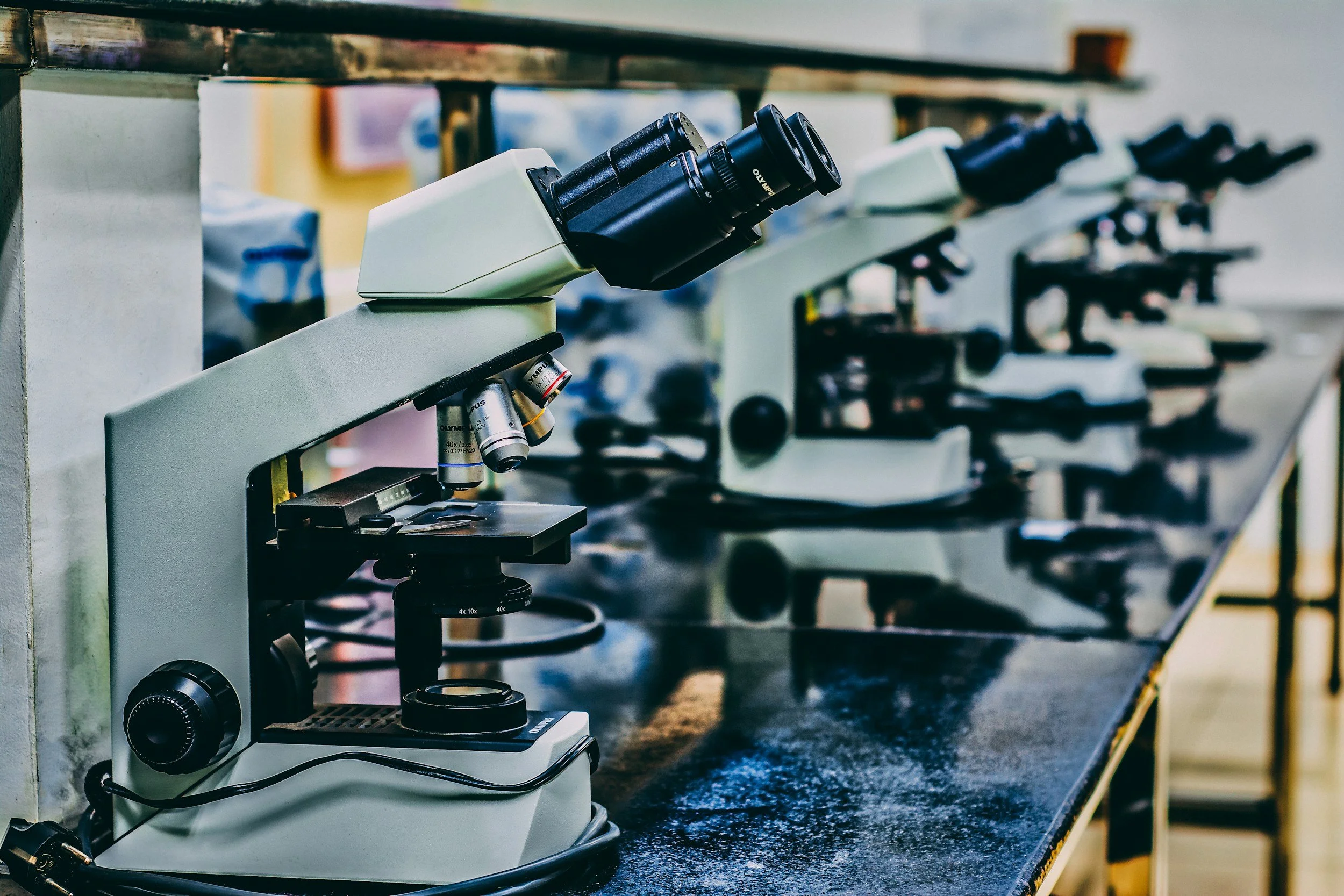
Research is the single most powerful extracurricular a pre-med student can pursue, and the earlier you start thinking about how to get it, the better. There are two main pathways.
The first is applying to competitive summer research programs designed specifically for high schoolers. These include the NIH Summer Internship Program (NIH SIP), which places students in labs across the NIH campus in Bethesda; BU RISE, Boston University's research program in science and engineering; the Stanford Institutes of Medicine Summer Research Program (SIMR), which is specifically oriented toward students interested in medicine and biomedical science; the CU Science Discovery STEM Research Experience at the University of Colorado Boulder, which places students in labs at both CU Boulder and the CU Anschutz Medical Campus; the Research Mentorship Program (RMP) at UC Santa Barbara; the Simons Summer Research Program at Stony Brook; the Rockefeller University Summer Science Research Program in New York City; the Jackson Laboratory Summer Student Program in Bar Harbor, Maine; the Salk Institute's Summer Research Program (SSRP) in San Diego; and the Research Science Institute (RSI) at MIT. This is far from an exhaustive list, universities and medical schools across the country run similar programs, and a targeted search by region and research interest will surface more options.
The second pathway is cold outreach to professors. This means emailing faculty in biology and chemistry departments at universities near you, and faculty at medical schools who run active research labs, and asking directly if you can contribute to their work. If you want to work remotely, say so. Many labs have computational or data-management tasks that can be done from anywhere.
Here is the most important thing to understand about cold emailing a professor: do not ask them to mentor you. No one has time to mentor a stranger. What professors have time for is getting their work done. Your email should explain, specifically, what you can already do, what their lab is currently working on, and how your skills map onto a task they probably need completed. If you know Python and their lab publishes population genomics data, say that. If you have wet lab experience and their research involves cell culture, mention it. Make it as easy as possible for them to say yes by making it clear that you are offering labor, not asking for attention.
Real Work at Medical Nonprofits
The second extracurricular we recommend is not founding a nonprofit, and it is not leading one. Admissions officers at T20 schools have seen thousands of students claim to have "founded" a club that held three bake sales and a panel discussion. It does not impress anyone.
What impresses people, and more importantly, what actually prepares you for a career in medicine, is doing real, unglamorous work inside an existing medical nonprofit. Offer to sterilize equipment. Offer to sort and manage medical supply inventories. If you have data science skills, offer to run an analysis identifying which zip codes or demographic populations are most underserved by what that organization provides. That kind of contribution is tangible, it is useful, and it demonstrates that you understand what healthcare actually looks like on the ground.
Working alongside healthcare practitioners, not shadowing them, but working with them, gives you a ground-level understanding of how disease affects real populations, how medical equipment is used, and what it means to operate within a system of care. That is the kind of context that makes your personal statement credible and your recommendation letters specific.
Science Olympiad
Science Olympiad is an underrated extracurricular for pre-med students, and it belongs on this list for a concrete reason: it is one of the few high school activities that actually tests and develops the scientific reasoning, lab technique, and collaborative problem-solving that medicine demands. Unlike most STEM clubs, Science Olympiad events rotate annually across disciplines including anatomy, physiology, experimental design, chemistry, and disease-focused events like Epidemic, which asks students to apply epidemiological thinking to real outbreak scenarios. For a student who wants to go into medicine, that is not a hobby. That is rehearsal.
Beyond the content itself, Science Olympiad competition at the invitational, regional, state, and national level is externally validated in a way that self-started clubs are not. Placing well, especially at state or nationals, is a meaningful signal of scientific aptitude. And because it requires building and maintaining equipment, designing experiments under pressure, and coordinating with teammates in real time, it develops exactly the kind of hands-on, collaborative skill set that medical training will demand.
The bottom line: if you are applying to a T20 school as a pre-med student, the activities that will distinguish you are the ones with real stakes, real output, and real skill requirements. Research, substantive nonprofit work, and Science Olympiad check those boxes. Starting a club, shadowing for a weekend, and listing yourself as a nonprofit founder do not.
If you need help trimming the fat of your current extracurriculars so you can use your time better to distinguish yourself, need help selecting which activities to participate in, or have any other questions related to the college admissions process, schedule a free consultation with an admissions expert today.