Boston University vs University of Rochester 2026
If you are deciding between Boston University and the University of Rochester, you are weighing two genuinely different undergraduate experiences. Both are strong research universities with serious academic profiles, but they diverge in meaningful ways on selectivity, curriculum philosophy, campus culture, and location. This breakdown gives you the data and context you need to make a clear-headed decision.
Admissions Selectivity
The single biggest difference between these two schools right now is how hard they are to get into.
Boston University has become significantly more selective over the past several years. For the Fall 2021 entering class, BU's overall admit rate was around 18.6%. By Fall 2023, that number had dropped to approximately 10.8%, and it held near that level at about 11.1% for Fall 2024. BU is now a genuinely selective institution by any reasonable measure, and the trend line has been moving in one direction.
The University of Rochester, by contrast, has maintained a relatively stable overall admit rate of around 40%. Its total applicant pool grew modestly from about 19,500 applicants for Fall 2021 to roughly 21,400 for Fall 2024, but the admit rate has stayed consistent.
If you are a strong applicant trying to calibrate your list, these schools are not peers in terms of selectivity. BU belongs in the selective tier alongside schools like Tulane and Northeastern. Rochester sits in a more accessible range and functions well as a strong match or even a likely school for many high-achieving applicants.
Early Decision Strategy
Both schools offer Early Decision I and Early Decision II. Both are binding. Neither offers Early Action.
At BU, applying Early Decision gives you a meaningful statistical advantage. The ED admit rate for the Fall 2024 entering class was approximately 28.2%, compared to a non-ED rate of roughly 9.5%. That is a substantial gap. If BU is your top choice, applying ED is one of the most impactful strategic moves you can make. The same pattern held across every year in the data going back to Fall 2021.
At Rochester, the picture is different. For Fall 2024, Rochester's ED admit rate was approximately 38.0%, while the non-ED admit rate was approximately 40.2%. The advantage of applying ED to Rochester is not obvious from the headline numbers. This does not necessarily mean there is zero advantage, but it does mean the boost is not as stark as it is at BU.
For timeline reference, both schools share nearly identical ED deadlines. ED I applications are due November 1 at Rochester and November 2 at BU, with mid-December notifications for both. ED II deadlines fall in early January at both schools, with February notifications. Regular Decision decisions come out April 1 at both.
Standardized Testing
Both schools are test-optional, and that context matters for how you read their score data. The numbers below reflect only students who chose to submit, which is a self-selected group skewing higher than the full admitted pool.
At BU, among students who submitted scores for the Fall 2024 entering class, the SAT composite range was approximately 1420 to 1520, and the ACT range was approximately 32 to 35. Submission rates have been low throughout the test-optional era, with roughly 29% submitting SAT and 8% submitting ACT in the most recent cycle.
At Rochester, a large share of recent score submitters fall in the 1400 to 1600 SAT composite band, with most ACT submitters in the 30 to 36 range. The distributions are broadly comparable to BU at the high end, though Rochester's overall admit rate being much higher means these scores are not a ceiling for admitted students.
If your scores are strong, submitting them at either school is likely a net positive. If your scores fall below the 25th percentile for submitters, test-optional gives you flexibility to de-emphasize them.
Curriculum and Academic Structure
This is where the two schools differ most fundamentally in philosophy, and it is worth thinking carefully about which model fits how you want to learn.
BU uses the BU Hub, a university-wide general education program. Entering first-year students must fulfill 26 Hub requirements, which are typically completed through roughly 10 to 12 courses. Individual courses can satisfy multiple requirements simultaneously, and Hub requirements can overlap with your major or minor. The goal is to ensure every BU undergraduate gets exposure to a defined set of intellectual capacities and areas of knowledge, regardless of their major.
Rochester takes the opposite approach with its Rochester Curriculum. The school has no general education requirements and no traditional core curriculum. The only required course for all students is Writing 105. Beyond that, your degree is built around at least one major plus "clusters," which are sets of at least three related courses across other academic divisions. The pitch is flexibility: you design your education around your actual interests rather than working through a checklist.
Neither approach is objectively better. If you thrive with structure and want a framework to guide your first couple of years, BU's Hub gives you that. If you already know what you want to study and want maximum freedom to go deep on it immediately, Rochester's open model is a better fit. If you are genuinely unsure what you want to study and you want room to explore, Rochester's lack of required distribution coursework can cut either way: it either frees you or leaves you adrift depending on how self-directed you are.
Undergraduate Research
Both schools have real infrastructure for undergraduate research, which matters if you are planning to use college to build a competitive profile for graduate school, medicine, or industry.
BU runs the Undergraduate Research Opportunities Program (UROP), a centralized program that connects undergraduates with faculty-mentored research and provides funding. Any full-time BU undergraduate is eligible to apply, which means you do not need to wait until junior year or have a specific GPA threshold to start pursuing research.
Rochester's Office of Undergraduate Research operates as a hub for finding opportunities and funding. A notable program is the Schwartz Discover Grant, which funds full-time immersive summer research and is explicitly designed to help students get into research early. The curricular flexibility Rochester offers also makes it structurally easier to weave research into your schedule without fighting against a required-course load.
Campus Life and Location
These schools offer genuinely different lived experiences, and location is a bigger factor than many applicants give it credit for.
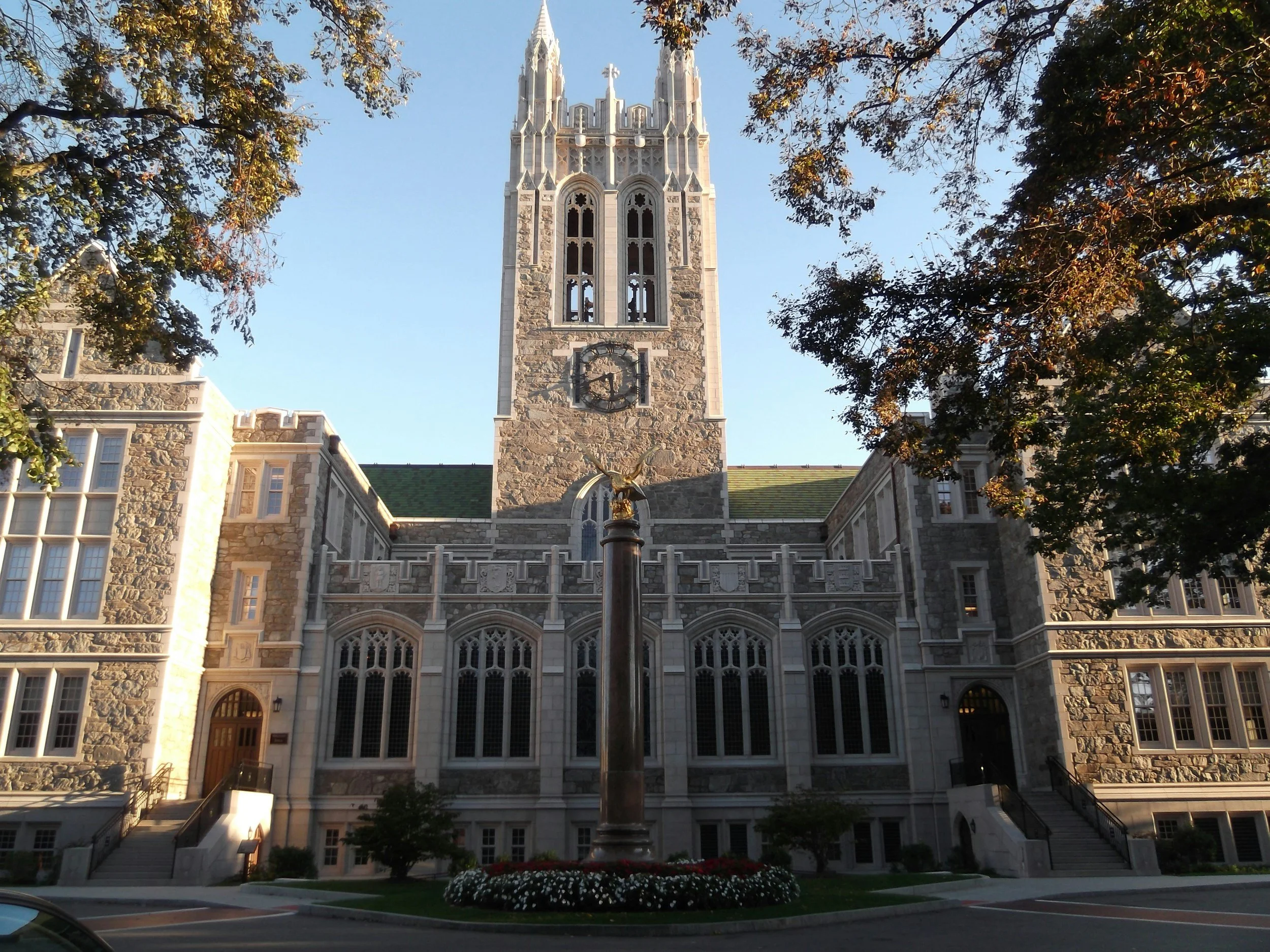
Boston University's campus runs along Commonwealth Avenue in Boston, one of the most student-friendly cities in the country. The city is dense with other universities, internship and job opportunities, professional sports, cultural institutions, and neighborhoods worth exploring. The tradeoff is that BU's urban, linear campus means community does not happen automatically. Multiple recurring themes in student discussions emphasize that BU requires you to be proactive: join clubs, get involved in project-based classes, take advantage of what the city offers. Students who are self-starters tend to thrive. Students who expect social infrastructure to come to them can find BU isolating. Greek life is not a central organizing force at BU, which means social life is more self-directed.
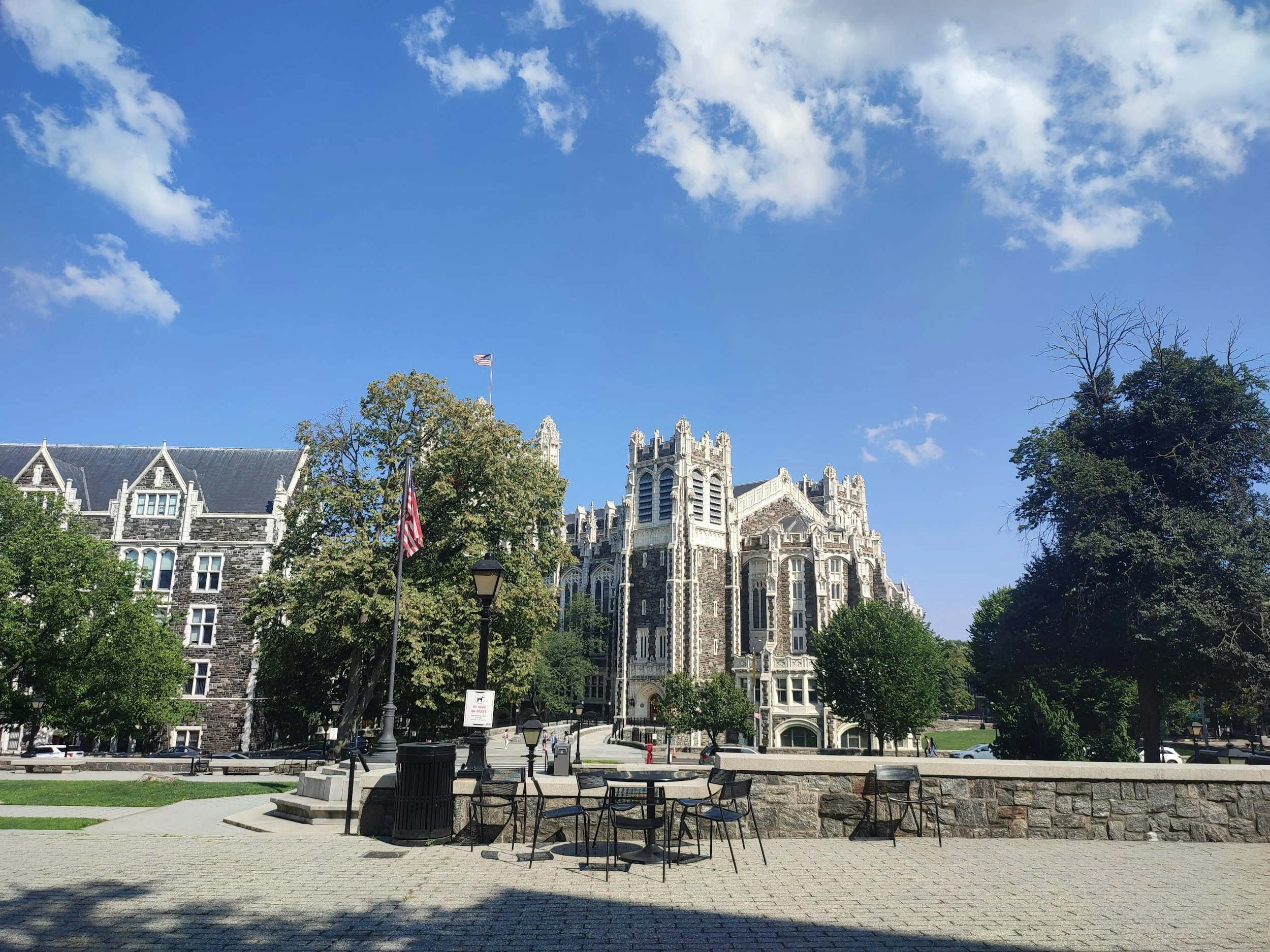
Rochester is a smaller city, and the University of Rochester has a more traditional enclosed campus feel. Student life is more campus-centered, with over-campus housing options including theme housing and living-learning communities. The social culture skews toward academics, and the school's own culture reflects the Rochester Curriculum's emphasis on intellectual engagement. Students consistently describe a harder-studying, less party-heavy environment than you would find at a large state school. The upside is that academic culture is taken seriously and there is a genuine community of students who care about ideas.
The city-vs-campus question is real. If you want urban energy and access to a world-class city as part of your college experience, BU delivers that in a way Rochester cannot. If you want a more self-contained campus community where the school itself is the center of your social world, Rochester is the better fit.
The Bottom Line
Choose BU if you are highly competitive academically, want to be in a major city, and are ready to build your own community in a more self-directed urban environment. Applying Early Decision gives you a significant statistical advantage if BU is your top choice.
Choose Rochester if you want curricular flexibility, a more traditional campus community, a collaborative academic culture, and a school where you can build a distinctive academic path on your own terms. Rochester is accessible to a wider range of applicants and represents strong value for students who want serious academics without the brutal admissions gauntlet.
If you want to learn what you can do right now to optimize your application for either Boston University or University of Rochester, schedule a free consultation with an admissions expert today.