Financial Aid Polices of Ivy League Schools

If you are applying to an Ivy League school, the sticker price should not scare you off. Across all eight institutions, total costs of attendance for the 2025-2026 academic year range from roughly $89,000 at Princeton to over $100,000 at Dartmouth. But for a large and growing share of admitted students, the actual out-of-pocket cost is a fraction of those numbers, and for many families, it is zero.
This guide breaks down exactly how each school structures its aid, what income thresholds trigger full coverage, and what you need to know about the application process.
The Core Framework: Need-Blind and 100% Need Met
Every Ivy League school practices need-blind admissions for domestic applicants. That means your financial situation plays no role in the admissions decision. Once you are admitted, each school commits to meeting 100% of your demonstrated financial need. No Ivy will admit you and then leave you without the resources to attend.
The other defining feature of Ivy League aid is the elimination of loans from aid packages. All eight institutions now offer what are called "no-loan" policies, replacing traditional self-help components with outright grants. You will not graduate from Harvard, Princeton, or Yale with federal student loan debt as a result of institutional aid packaging.
School-by-School Breakdown
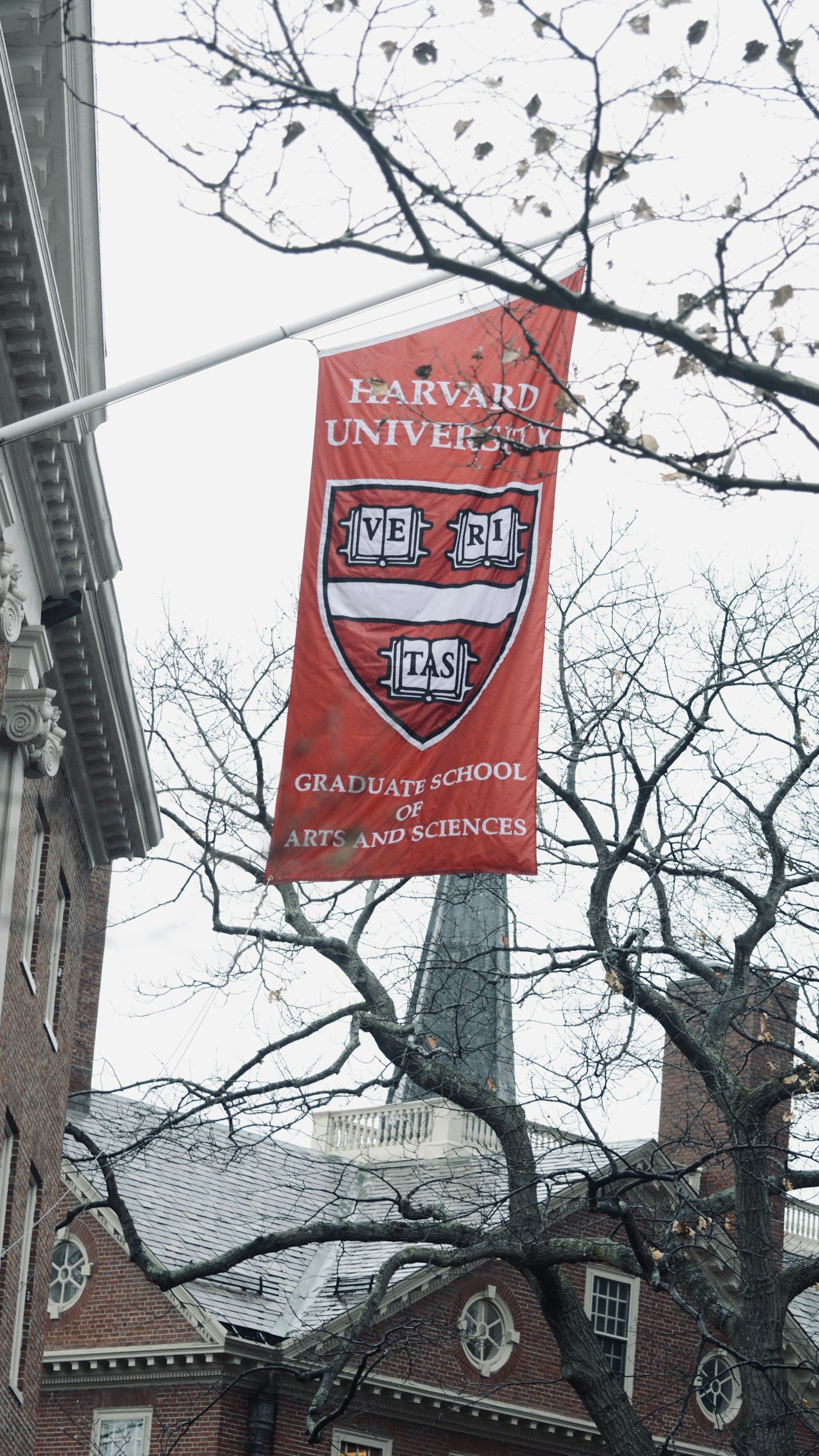
Harvard University
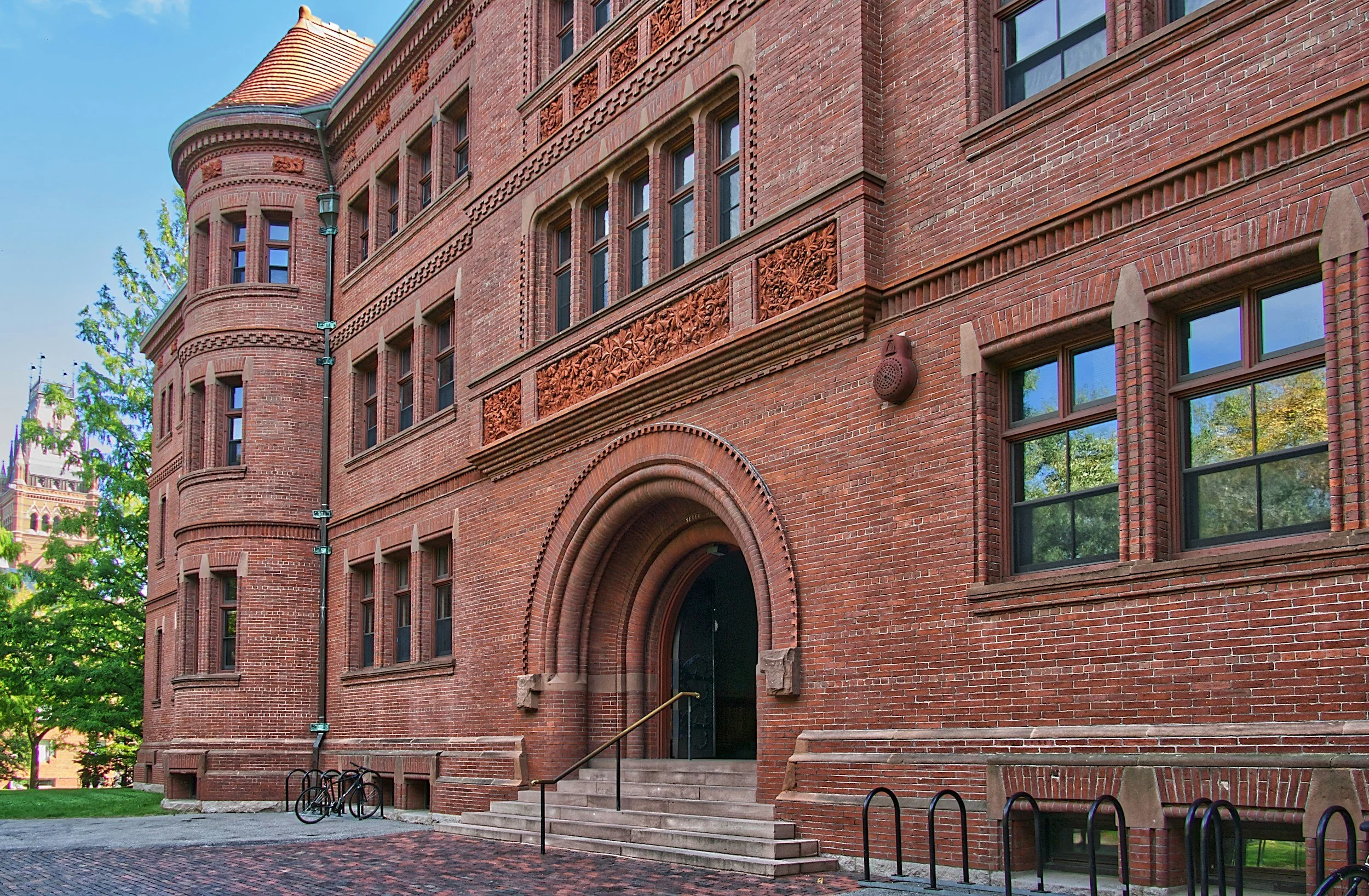
Harvard's threshold for a zero parent contribution is a family income of $100,000 or less with typical assets. If your family earns in that range, Harvard covers tuition, housing, dining, and fees entirely. For families earning between $100,000 and $200,000, tuition remains free with modest contributions expected for other expenses. Harvard also provides a $2,000 start-up grant to first-year students from families below the $100,000 threshold, and a $2,000 launch grant in junior year to support career development. Total cost of attendance runs between $90,426 and $95,426 for the 2025-2026 year.
Princeton University
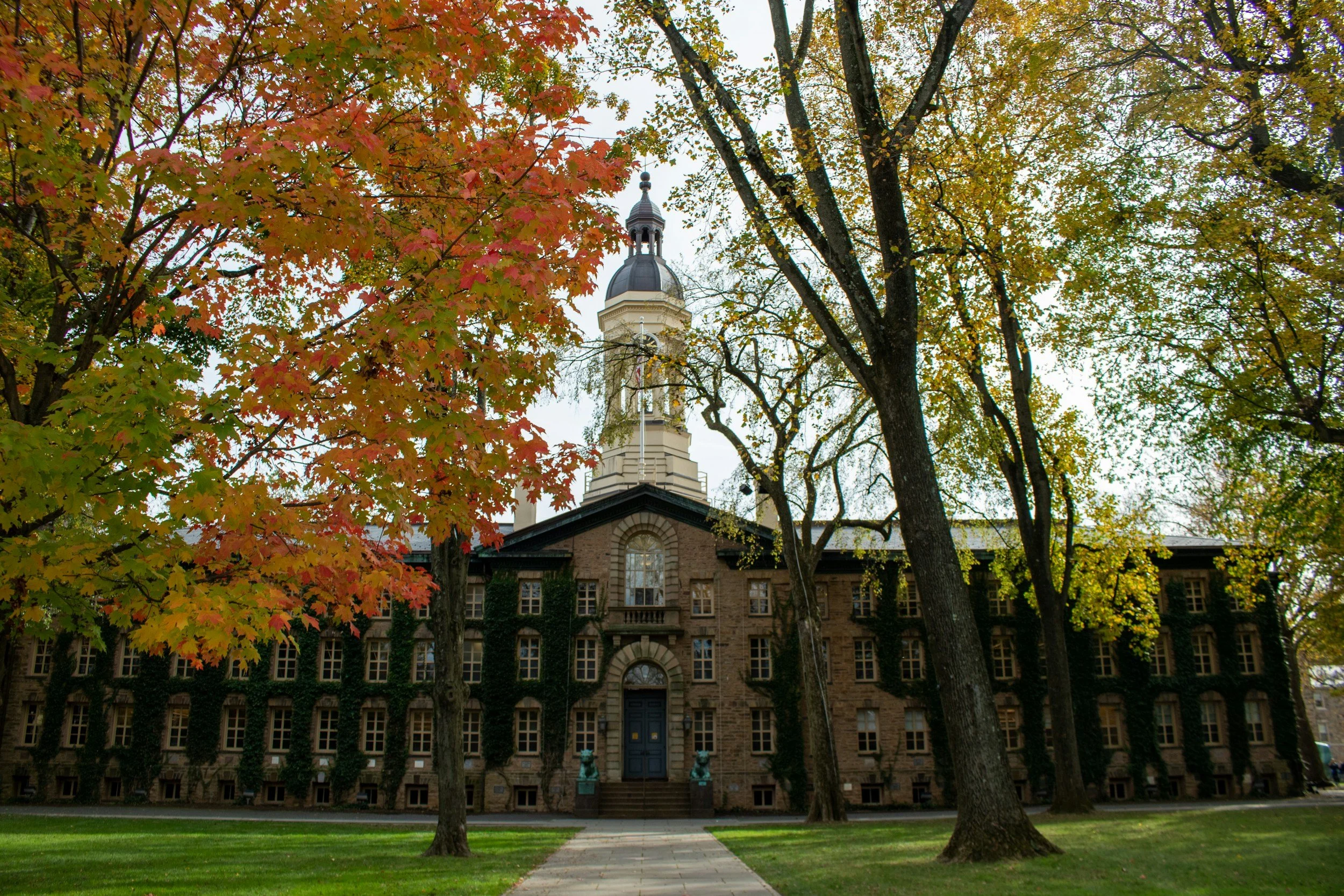
Princeton is the most financially generous institution in the league on a per-student basis and has been need-blind for international applicants for years. The zero parent contribution threshold sits at $150,000, the highest of any Ivy. Most families earning up to $250,000 pay zero tuition. Princeton has not included loans in any aid package since 2001, and the average grant for 2025-2026 is projected to exceed $80,000. Nearly 70% of the student body receives aid that covers over 90% of the sticker price. Total cost of attendance is approximately $89,000.
Yale University
Yale raised its zero-parent-contribution threshold to $100,000 for the 2026-2027 cycle, up from $75,000 in prior years. Families earning up to $200,000 are guaranteed at least a full-tuition scholarship. Yale is need-blind for both domestic and international applicants, treating all students identically regardless of citizenship. A $2,000 start-up grant is also available for low-income first-year students. Total cost of attendance exceeds $94,000 for 2025-2026.
Princeton, Dartmouth, Harvard, Yale, and Brown: The Need-Blind Five
One of the biggest divides in Ivy League financial aid is how schools treat international applicants. Five schools now practice need-blind admissions globally: Harvard, Princeton, Yale, Dartmouth, and Brown. Brown officially extended need-blind admissions to all international undergraduates starting with the Class of 2029. Before this shift, only 15% of Brown's international students received aid. By the Class of 2027, that number had already climbed to 40%. Columbia, Penn, and Cornell remain need-aware for international students, meaning financial circumstances can influence the admissions decision for non-domestic applicants.
Dartmouth College
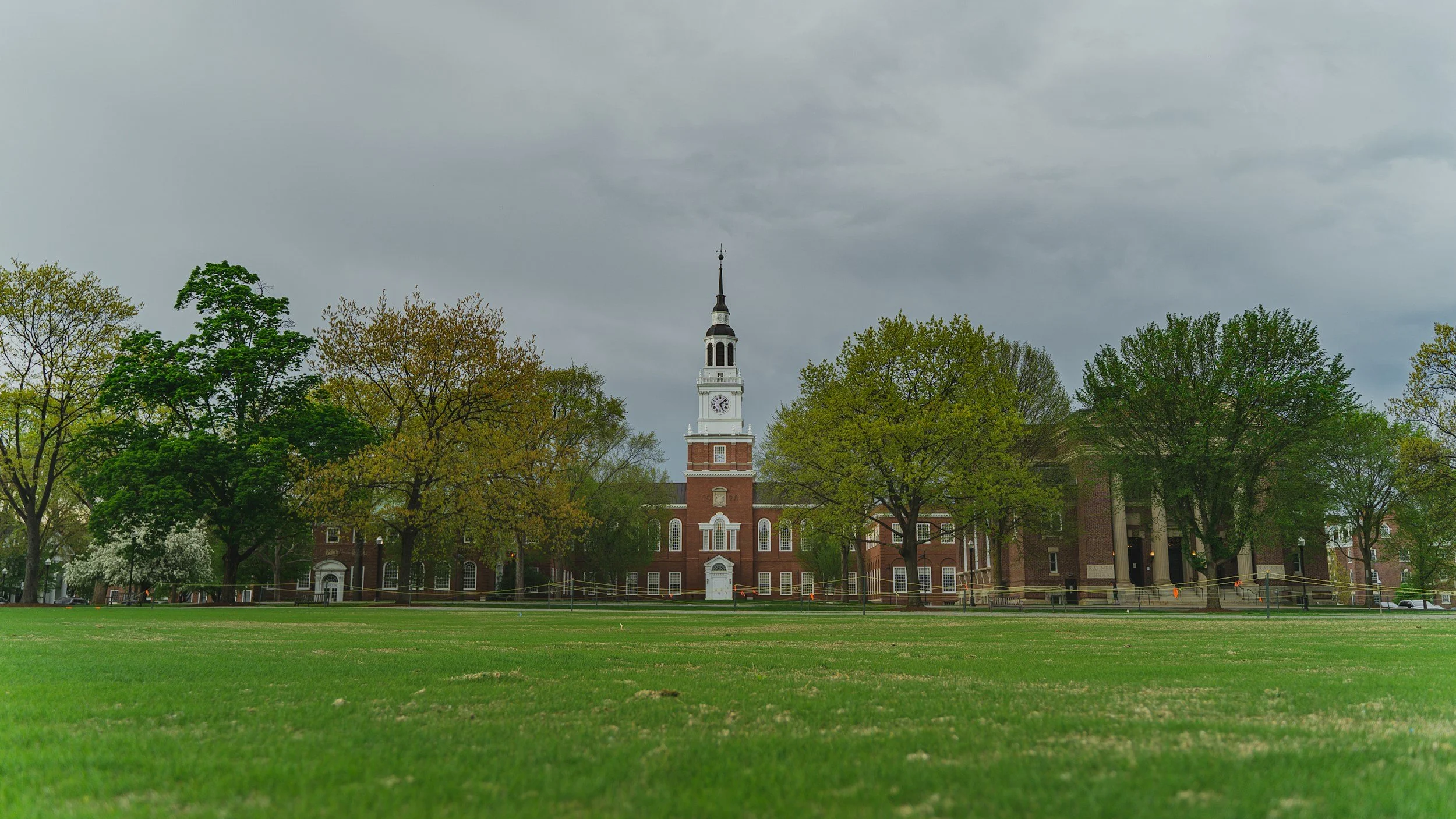
Dartmouth's zero parent contribution threshold of $125,000 is second only to Princeton's. Families earning up to $175,000 pay no tuition. Dartmouth has been need-blind for international applicants since 2022 and meets 100% of demonstrated need without loans for all admitted students. Total cost of attendance is approximately $100,296, the highest in the league.
University of Pennsylvania
Penn introduced the Quaker Commitment for the 2025-2026 year, which made two important changes. First, Penn stopped counting primary home equity in its financial aid calculations. This is particularly significant for families in high-cost metropolitan areas whose home values had previously inflated their assessed ability to pay. Second, families earning up to $200,000 with typical assets are now guaranteed at least a full-tuition scholarship. Families earning under $75,000 have all billed expenses covered. Total cost of attendance is approximately $94,582. Penn remains need-aware for international applicants.
Columbia University
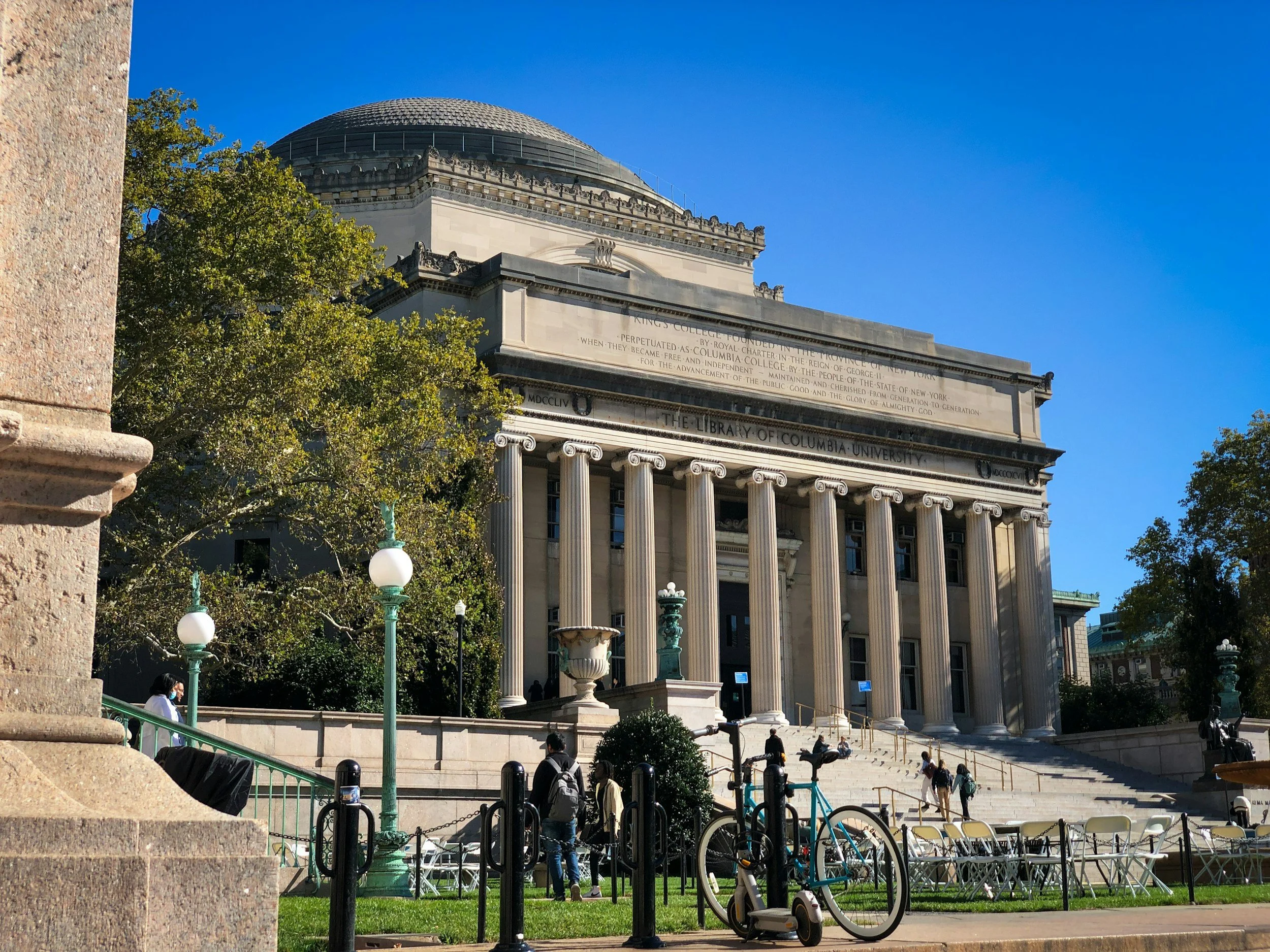
Columbia's zero parent contribution threshold is $66,000, the lowest among the Ivies, though the school meets 100% of demonstrated need and covers all billed expenses for students in that income range. For families earning up to $150,000, tuition is free. Columbia also waives the first-year summer earnings contribution for students from families below $66,000, removing a financial pressure point during the transition to campus. Columbia remains need-aware for international applicants. Total cost of attendance is approximately $93,000.
Cornell University
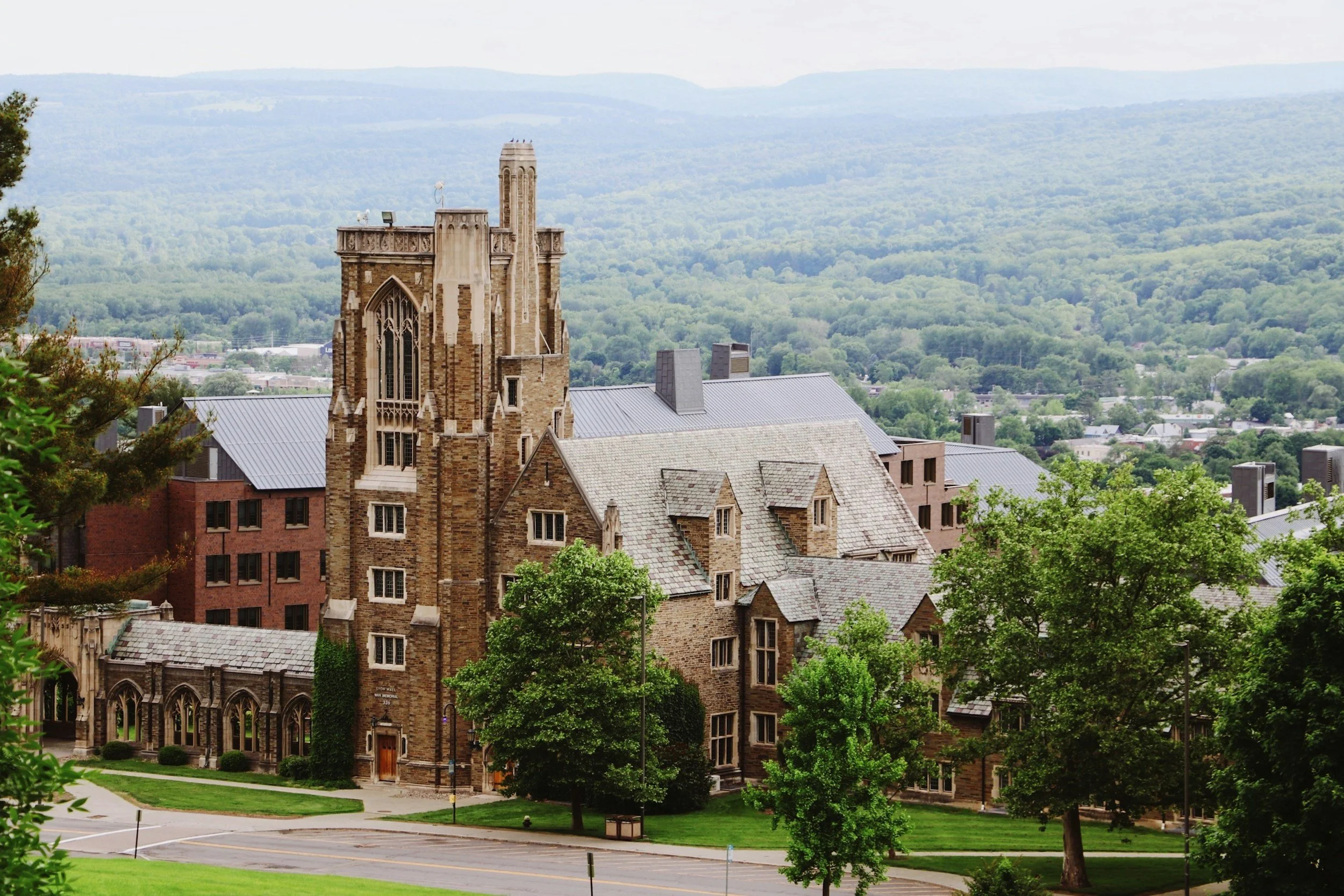
Cornell operates a hybrid model with both private endowed colleges and state-supported contract colleges. For New York state residents in contract colleges like the College of Agriculture and Life Sciences, tuition for 2025-2026 is $48,010. For out-of-state students and those in endowed colleges like Arts and Sciences, tuition is $71,266.
Cornell's aid is tiered by income. Families earning up to $75,000 receive packages with zero student loans. For families earning between $75,000 and $125,000, loans are capped at $2,000. For families earning above $175,000, the loan component rises to $6,000. Cornell meets 100% of demonstrated need for all admitted students who qualify. Total cost of attendance exceeds $96,000. Cornell remains need-aware for international applicants.
Brown University
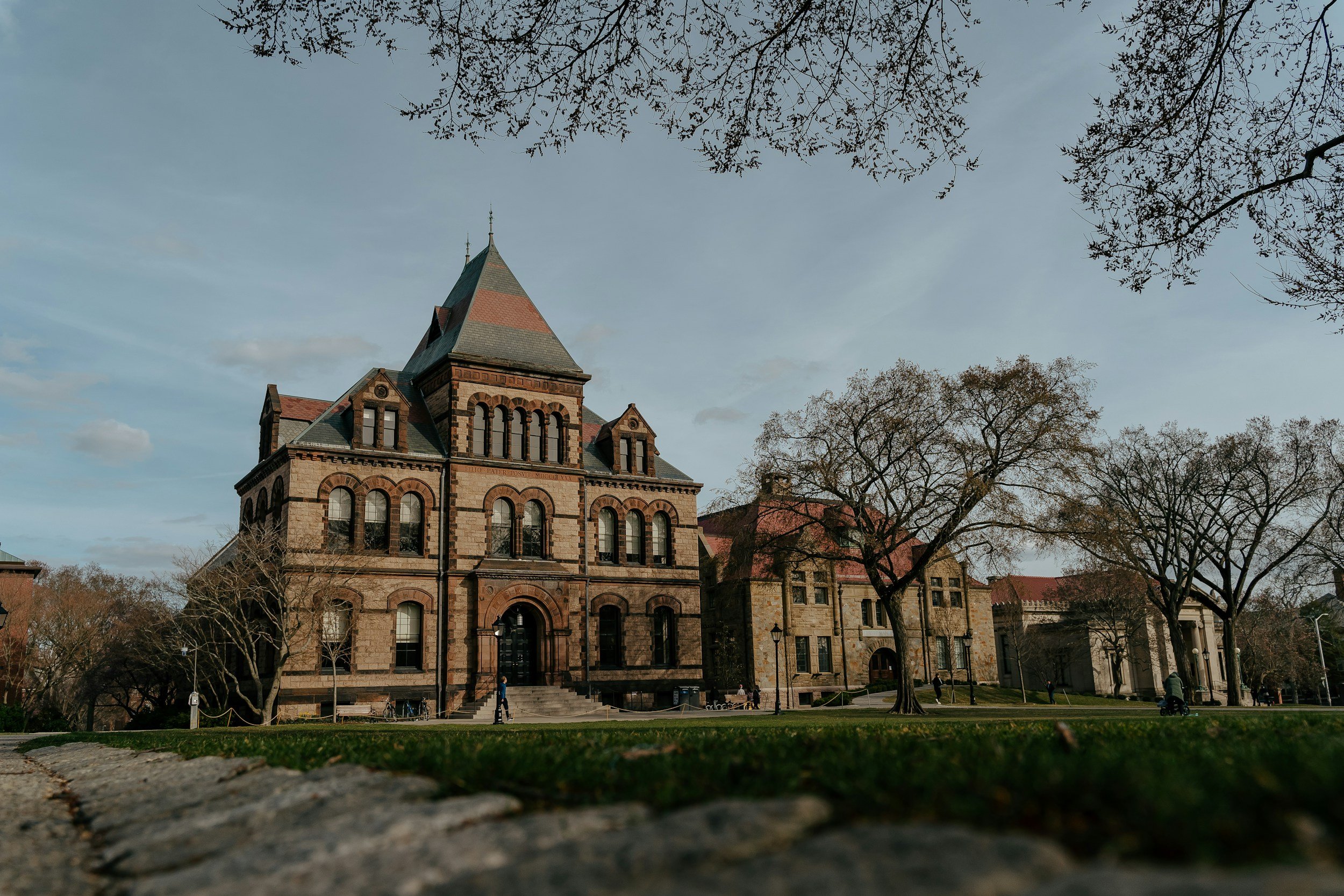
Brown's zero parent contribution threshold is $60,000, with aid scaling based on need for higher income levels. The school now covers 100% of demonstrated need without loans under the Brown Promise, and international need-blind admissions took effect for the Class of 2029. Total cost of attendance is approximately $95,984.
How the Application Process Works
Every Ivy League school requires you to submit the CSS Profile in addition to the FAFSA. The CSS Profile is administered by the College Board and collects significantly more detailed financial information than the FAFSA, including the value of family farms and small businesses, non-primary real estate, and income from non-custodial parents.
Most Ivies also require you to submit tax documents through the Institutional Documentation Service (IDOC), where you upload signed copies of federal tax returns, W-2 forms, and supporting schedules. Princeton is the lone exception. Princeton does not use the CSS Profile or IDOC at all. Instead, it runs its own internal system called the Princeton Financial Aid Application.
Filing deadlines matter enormously. For Early Decision and Early Action applicants, financial aid deadlines typically fall in early November. For Regular Decision applicants, deadlines generally fall in early February. Missing these deadlines can delay your award letter or affect the completeness of your package.
The OBBB Act and What It Means for Families
The One Big Beautiful Bill Act, which passed on July 4, 2025 and takes effect July 1, 2026, introduces several changes that will affect how families outside the full-grant range finance an Ivy League education.
The Parent PLUS Loan program now has a $20,000 annual cap and a $65,000 lifetime aggregate limit for new borrowers. Previously, parents could borrow up to the full cost of attendance minus other aid. For families who do not qualify for institutional grants large enough to cover their full contribution, this cap creates a real financing gap that private loans or additional savings will need to fill.
For graduate students, the Graduate PLUS Loan program is being phased out starting July 1, 2026. New graduate students will be limited to Direct Unsubsidized Loans, capped at $20,500 for most programs and $50,000 for medical and law programs. This increases the importance of institutional fellowships, assistantships, and private lending for graduate and professional students.
The legislation also boosted Pell Grant funding by $10.5 billion, though the maximum award for 2026-2027 remains $7,395. One restriction to note: students with a Student Aid Index of $14,790 or higher will no longer qualify for Pell Grants. All eight Ivies have committed to replacing any lost Pell funding with institutional grants so that affected students see no reduction in their total aid package.
Outside Scholarships
If you win an external scholarship from a community foundation, corporation, or other organization, Ivy League schools have a consistent policy for how that money is applied. The outside award first reduces the self-help component of your package, meaning it offsets the term-time work expectation and summer earnings contribution before it touches your institutional grant. Only once those self-help components are fully covered does the scholarship reduce the grant itself. This means external scholarships deliver the maximum real financial benefit to students who need them most.
No Merit Scholarships
The Ivy League does not offer merit-based, athletic, or talent-based scholarships at the undergraduate level. This policy dates back to the league's founding agreement. Student-athletes, musicians, and other recruited students receive the same need-based aid as everyone else. The Ivy League also officially opted out of the 2025 NCAA settlement that would have permitted direct revenue sharing with athletes, maintaining a model centered on academic participation rather than professionalized athletics.
The Bottom Line
If your family income falls below $100,000, Harvard, Yale, and several other Ivies will likely cost you nothing out of pocket. If your family earns up to $200,000, you are likely looking at significant grant coverage with no loan requirement at most of the eight schools. The sticker price at these institutions is increasingly irrelevant for the majority of admitted students.
The financial aid landscape is competitive and evolving quickly. Princeton has the highest income thresholds and the most generous per-student grants. Dartmouth is close behind. Harvard and Yale have expanded their zero-contribution thresholds for the current cycle. Penn's exclusion of home equity is a meaningful new benefit for middle-income families in expensive cities. Cornell's hybrid model creates distinct cost tiers for New York residents. And Brown's extension of international need-blind admissions marks a major shift for global applicants.
If you are a high-achieving student from a middle-income family, an Ivy League education may cost you less than your state flagship. The key is understanding how each school calculates need, filing every required document on time, and applying with a full picture of what these schools will actually ask you to pay.
If you need help navigating any aspect of the college admissions process, from selecting which high school you or your loved one should attend, to negotiating financial aid after being accepted into your dream school, schedule a free consultation with an admissions expert today.