Do Colleges Care About Coursera Certificates? What Admissions Officers Really Think
If you have spent any time browsing Coursera, edX, or a university extension program, you have probably wondered whether finishing one of these courses will help your college application. The honest answer is that it depends entirely on how you use it.
Online Certificates Are Not a Substitute for Your Transcript
Coursera courses and similar online certificates do not appear on your official high school transcript, do not carry a letter grade, and are not factored into your GPA or class rank. When admissions officers evaluate the rigor of your coursework, they are looking at the most demanding options available to you and whether you took them. That includes the classes your high school offers directly, whether AP, IB, or honors tracks, and it also includes accredited coursework you take elsewhere, such as classes at a community college or another degree-granting institution, in person or online, as long as the course results in an official transcript and a letter grade. An online certificate from a platform like Coursera sits outside that evaluation entirely, because it produces neither. Listing a dozen Coursera courses in your activities section will not convince a T20 admissions officer that you challenged yourself academically, because it is not the kind of evidence they use to make that determination.
This catches some families off guard, since the courses themselves can be genuinely difficult and cover material well beyond the high school curriculum. Difficulty is not the issue. The issue is that these platforms exist outside the accreditation system that colleges rely on to compare students against a common academic record.
Where the Real Value Is
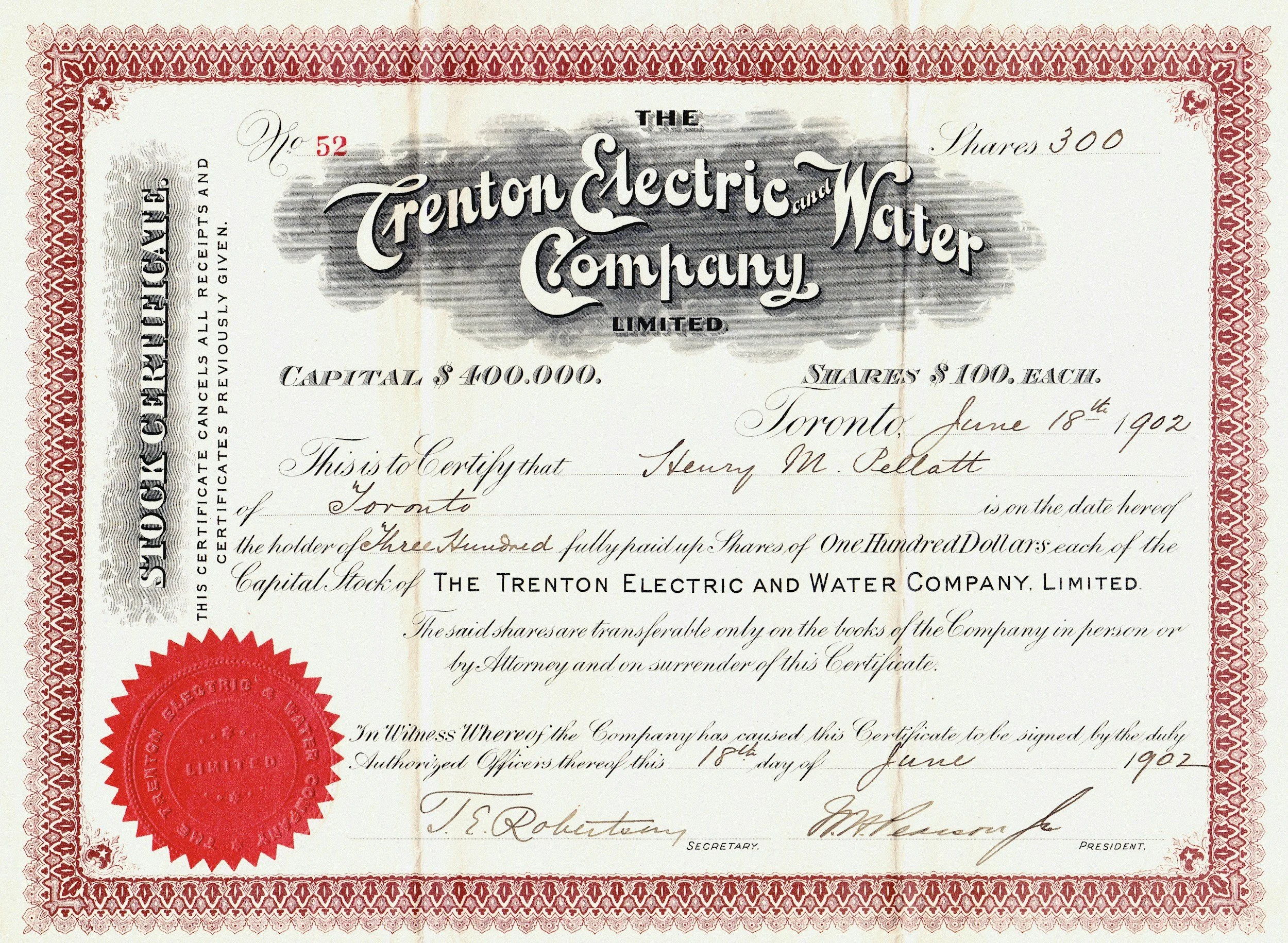
The value of an online certificate lies less in what it does for your transcript and more in what it proves to the person on the other end of a cold email. A student who completes a rigorous course in Python for data analysis, applied machine learning, or a specific statistical method now has a capability that most high school students simply do not have, and the certificate is tangible evidence of that capability to someone who has never met you and has no other way to verify your skills.
This is where online courses earn their place in a strong application. A professor deciding whether to take on a high schooler for a research project, a nonprofit director deciding whether to hand over real community data, or a summer research program screening applicants all need some proof that you can actually do what you claim. A certificate from a well-known platform, especially one tied to a specific technical skill relevant to their work, gives them that proof before they have invested any time in you. It is far easier to start that conversation when you can point to a credential and explain exactly what you can contribute than when you are asking someone to take your word for it.
Using Online Courses to Open Doors
The strategic move is to treat the certificate as a door opener rather than the accomplishment itself. Choose a course that builds a skill specific enough that most of your peers do not have it, then put the certificate to work as evidence in your outreach. A generic "Intro to Computer Science" certificate opens fewer doors than a targeted course in a method a professor's lab is actively using, or a data tool a local organization needs but cannot afford to hire for.
When you reach out, lead with contribution and use the certificate to back it up. Explain what you can build or analyze, name the specific problem you can help solve, and attach or reference the certificate as proof that the claim is real. This applies whether you are cold emailing a professor about a research project, approaching a nonprofit that could use your skills for community-facing data work, or applying to a summer research program that screens candidates on demonstrated ability. If that outreach leads to a real research placement or a completed project for an organization in your community, that is the extracurricular admissions officers will notice, and it is the kind of activity that can genuinely move the needle for T20 applications.
If you want help identifying which technical skills are worth building and how to turn them into a research placement or a project with real community impact, schedule a consultation with a college admissions expert today.