Best Summer Research Programs for High School Students in 2027
Fully funded flagship programs
These are the hardest admits in high school STEM. All of them are free or meet full demonstrated need, which removes the financial filter and makes the applicant pool brutal.
Research Science Institute
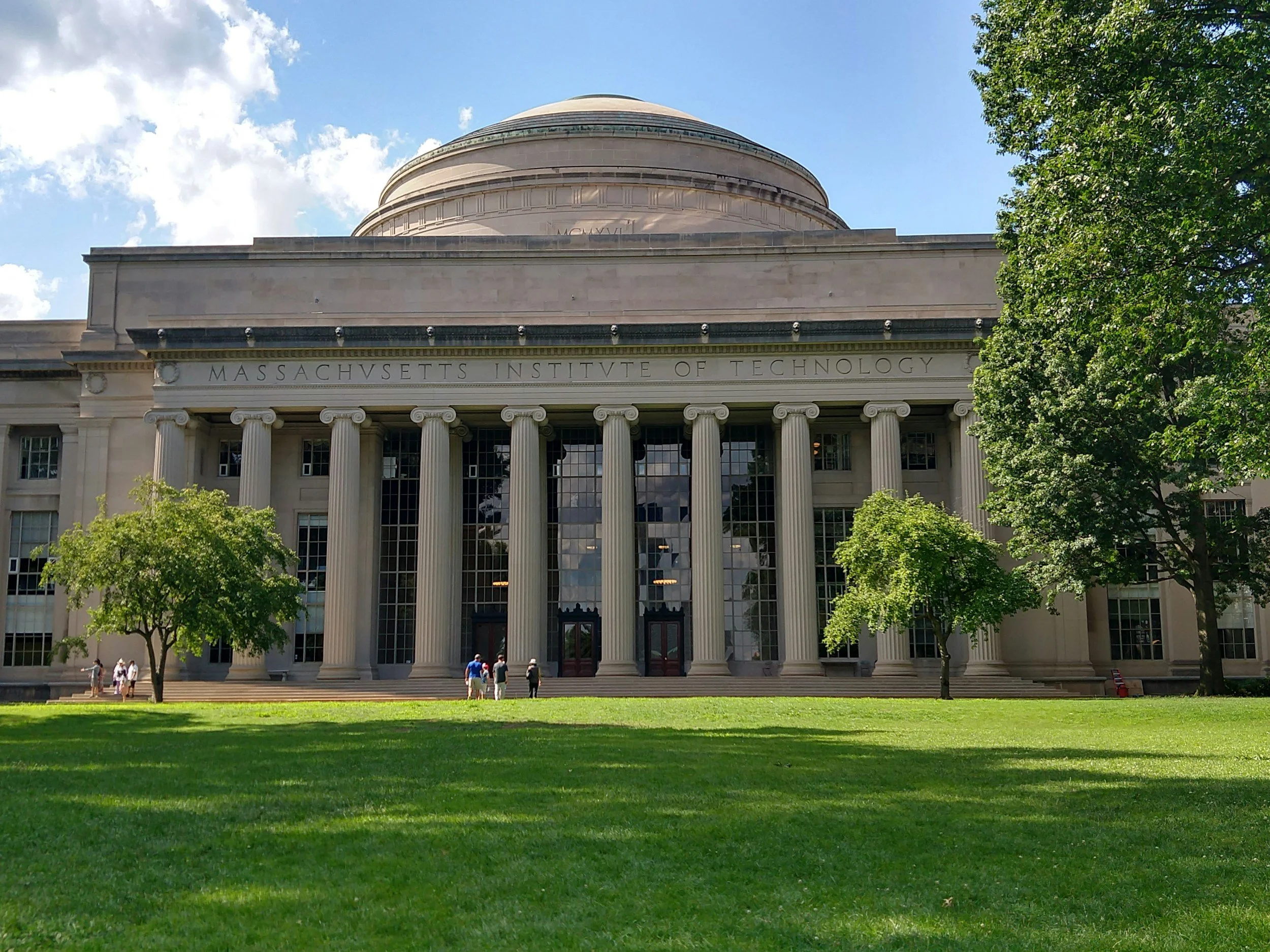
RSI is the most recognized high school research credential in the world. Roughly 100 students spend six weeks at MIT, first in accelerated coursework and then in mentored original research, ending with written and oral presentations judged by working scientists. The Center for Excellence in Education does not publish an acceptance rate, but with a pool that outside estimates put in the range of 3,000 applicants, admission lands somewhere near 2.5 to 3 percent. About a third of the cohort is international and applies through country-specific channels rather than directly. The program is free. Applications close in mid December, so a summer 2027 seat means submitting in December 2026 of your junior year. Seniors are not eligible.
Anson L. Clark Scholars Program
Clark Scholars at Texas Tech takes exactly twelve students each summer for seven weeks of one on one faculty research. Reported applicant pools run around 700, which puts admission near 2 percent, the tightest number on this list. Room, board, and activities are covered, and scholars receive a $750 stipend on completion of a research report. Unusually, the program spans humanities as well as STEM, and it accepts both rising seniors and recent graduates. The February deadline is firm and the age requirement of 17 by the start date is enforced without exception.
Stanford Institutes of Medicine Summer Research Program
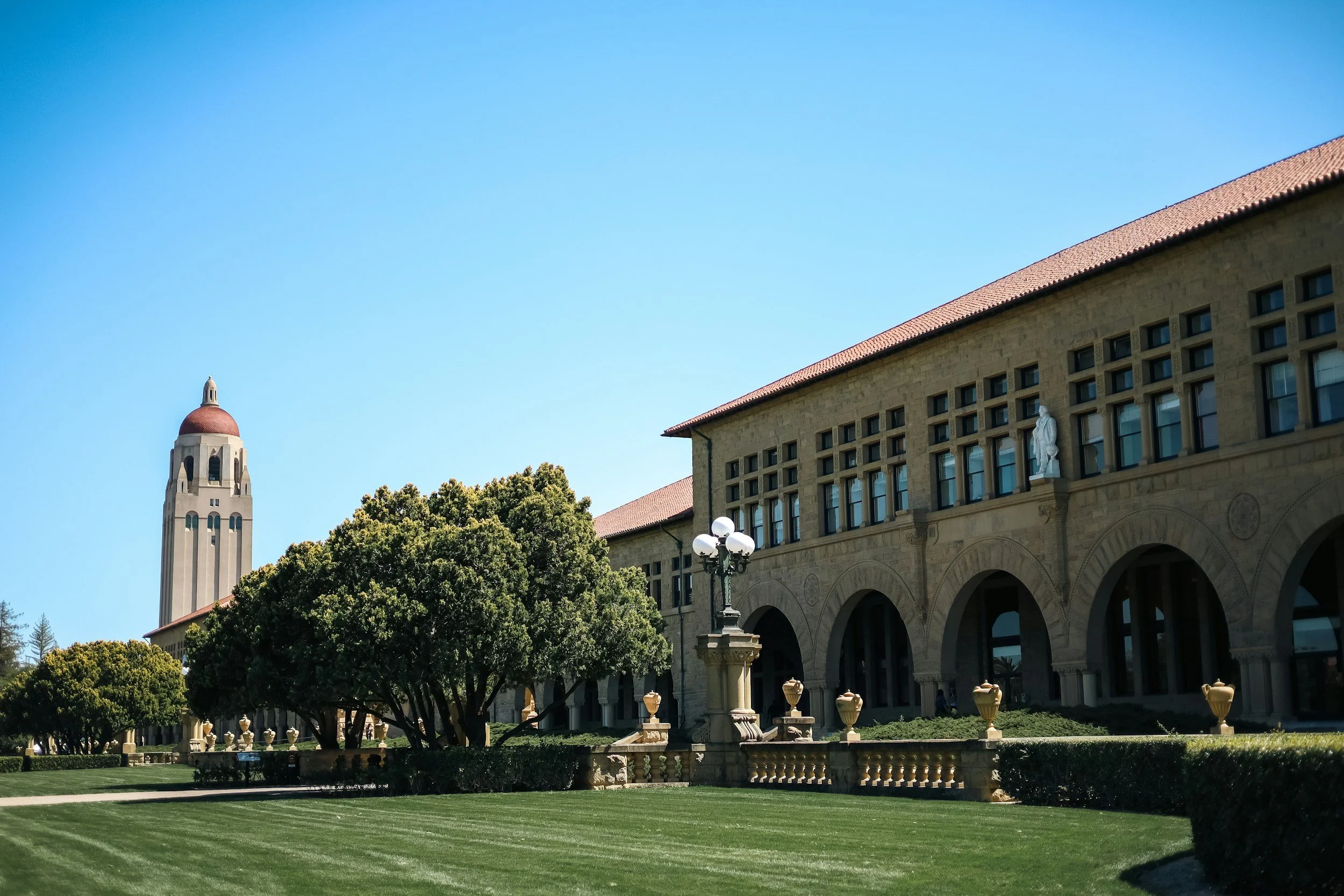
SIMR places roughly 50 students in Stanford School of Medicine labs for eight weeks across immunology, cancer biology, stem cell, neuroscience, cardiovascular, genetics, bioinformatics, and bioengineering. Stanford publishes no acceptance rate, but reported estimates cluster around 3 percent. Two eligibility facts get overlooked. There is an explicit preference for students within about an hour of campus, since the program is commuter only with no housing, and applicants must be 16 by the start date. The application fee is $50 with waivers available, and the deadline falls in late February.
Rockefeller University Summer Science Research Program
SSRP admits 32 students to the RockEDU laboratory in Manhattan for seven weeks, working in teams of eight to ten with trainee mentors from Rockefeller, Memorial Sloan Kettering, and Weill Cornell. Reported acceptance sits at 3 to 4 percent. It is free, it interviews finalists over Zoom in March, and it is the strongest biology-specific option in the country for tri-state students. Two constraints matter. There is no housing, so applicants realistically need to be commutable, and students are prohibited from entering SSRP work in science competitions, which rules it out if your plan runs through Regeneron STS or ISEF. The deadline is the first business days of January.
Simons Summer Research Program
Simons at Stony Brook places students with faculty mentors for seven weeks, with a stipend and a closing poster symposium. Cohort size has run between 30 and 50 depending on the year, and reported acceptance sits near 4 to 5 percent. The structural barrier is the nomination requirement. Your school must nominate you, and schools are capped, so you are competing inside your own building before you compete nationally. Start that internal conversation in the fall, not in January. Applications close in late January or early February.
MITES Summer
MITES Summer is a free six week residential program at MIT for rising seniors from underserved and underrepresented backgrounds, built around college level coursework in math, physics, life sciences, humanities, and a project-based elective. It is not a research placement in the SIMR or Simons sense, and applicants should understand that going in. What it does carry is a documented alumni pipeline into MIT and peer institutions, plus detailed instructor evaluations that follow students into their college applications. Acceptance is commonly cited in the low to mid single digits. MITES also runs Semester and Saturdays tracks with different timelines.
Summer Science Program
SSP is a 39 day residential program across 16 university campuses in astrophysics, biochemistry, bacterial genomics, and synthetic chemistry, with teams of three doing real research rather than lab exercises. In 2026 the program admitted roughly 700 participants, with published estimates of the acceptance rate landing between 5 and 10 percent. SSP is need blind and commits to meeting 100 percent of demonstrated need against a maximum 2026 fee of $11,800, so cost should not deter an application. Domestic applications closed in mid February for 2026, international in late January.
Broad Summer Scholars Program
BSSP brings fewer than 20 rising seniors into the Broad Institute of MIT and Harvard for six weeks of genomics, cancer biology, computational biology, chemical biology, and infectious disease research, with a $3,600 stipend. Eligibility is narrow. You must attend a Massachusetts high school within commuting distance of the Broad. No prior research experience is required, and the program actively recruits students who have had limited access to STEM, which changes how the essays should be written. Applications open in late November and close in mid to late January.
University research programs with a tuition or lab fee
These charge money, which softens the applicant pool relative to the free programs. They still produce real mentored research and real recommendation letters.
George Mason Aspiring Scientists Summer Internship Program
ASSIP has the best documented acceptance rate on this list. In 2023 the program accepted 292 interns from 2,821 applicants, right at 10 percent. The eight week internship places you one on one with a faculty mentor, and mentors select their own interns after reviewing applications and interviewing candidates, so the mentors you rank carry enormous weight. There is no residency requirement. Mentors specify whether they will host remote, in person, or hybrid interns, and the remote and hybrid options mean students anywhere in the country can participate, which is what separates ASSIP from most programs of its caliber. Cost is $1,299 in Mason tuition for 3 credits plus a $25 application fee, both waivable for students eligible for free or reduced lunch or Pell. Applications are reviewed in February with decisions by mid April.
Boston University RISE
RISE runs six weeks for about 190 rising seniors across two tracks. The Internship track matches you to a BU faculty lab through a mentor selection process, and the Practicum track puts you in structured group research in computational neurobiology or data science. BU publishes no acceptance rate. Outside estimates range from under 10 percent to about 20 percent, which is a wide band and reflects how little the program discloses. RISE is open only to US citizens and permanent residents, is tuition based with limited need based aid, and closes in early February with decisions six to eight weeks later.
UC Santa Barbara Research Mentorship Program
RMP is a seven week residential program pairing high school sophomores and juniors with a graduate student, postdoc, or faculty mentor, with 8 units of UC credit and a technical research paper at the end. Reported acceptance sits in the 4 to 6 percent range. Cost is the real filter. The 2026 residential option ran $13,274 and the commuter option $5,675, with limited scholarship support. Expect 35 to 50 hours a week of research.
Yale Summer Program in Astrophysics
YSPA takes 32 rising seniors through two weeks of online self study followed by four weeks in residence at Yale's Leitner Observatory, where teams collect their own telescope data, build models in Python, write a scientific paper, and defend it at a mini conference. Reported acceptance runs 3 to 5 percent. Tuition was $8,000 for the 2025 cycle, with need based awards typically covering half and occasionally up to 80 percent. International students compete in the same pool.
University of Florida Student Science Training Program
UF SSTP is a six week residential program for rising seniors who are 16 or older, placing roughly 90 students in UF research labs. The critical detail is that admission is rolling. Applications are reviewed as they arrive until seats fill, so an application submitted in January is meaningfully better positioned than the same application submitted at the March deadline. Cost was $5,500 for housing, supervision, and lab supplies, with meals separate and limited need based aid for Florida students.
Belin-Blank Secondary Student Training Program
SSTP at Iowa is one of the few serious research programs open to students in grades 10 and 11, which makes it a strong sophomore-year target when nearly everything else requires junior standing. The five and a half week residency puts students in University of Iowa labs at roughly 40 hours a week across engineering, medicine, public health, dentistry, pharmacy, and the sciences, ending in a poster competition. Alumni have published with their mentors. Residential and online formats have both been offered.
Garcia Summer Research Program
The Garcia Center at Stony Brook runs a seven week program in polymer science and materials engineering, and it is the specialist counterpart to Simons on the same campus. Reported acceptance runs 10 to 15 percent, which is more attainable than Simons, and Garcia research has a long track record of feeding Regeneron STS and ISEF entries. It is fee based, around $4,000 in the 2025 cycle with housing extra. Apply here if polymers, nanotechnology, or additive manufacturing are genuinely your field, not as a Simons backup.
UC Davis Young Scholars Program
YSP admits about 40 students for six weeks of one on one faculty mentored research in the biological and environmental sciences, with five units of university credit, a research notebook, a journal-quality paper, and a symposium presentation. UC Davis does not publish an acceptance rate, but 40 seats against national demand tells you enough. The program is residential.
NYU GSTEM
GSTEM pairs 40 students with an NYU professor or researcher for a six week individual research project, run out of the Courant Institute with weekly field trips to meet women working in STEM. The program exists to support students historically underrepresented in the field, girls in particular, and recruits accordingly. Eligibility is broader than most people assume. US citizens qualify regardless of where they live, and students in the country on an F-1 visa qualify as well, though students living abroad do not. Sophomores have not been accepted since 2024, so this is a junior year application. The 2026 program cost was $5,750 with need based aid available, plus $3,966 for six weeks of housing and meals if you need it, and a separately funded full scholarship for students who write an additional essay on data science.
UC Santa Cruz Science Internship Program
SIP places high school students with UCSC graduate students, postdocs, and faculty across astronomy, physics, engineering, biology, and computer science for a summer of authentic project work. UCSC does not publish acceptance figures, and student reporting consistently describes strong applicants landing on the waitlist, which is the practical signal you need. It is fee based with aid available and draws applicants nationally and internationally.
CU Boulder STEM Research Experience
Science Discovery at CU Boulder places students into working research groups on campus and at affiliated institutes, with an emphasis on aerospace, environmental science, biology, and engineering. It publishes no acceptance rate and runs smaller cohorts than the flagship programs, which makes it a realistic target for students who want genuine lab time without a sub 5 percent gamble. Colorado students have an advantage on logistics.
UT Austin Summer High School Research Academy
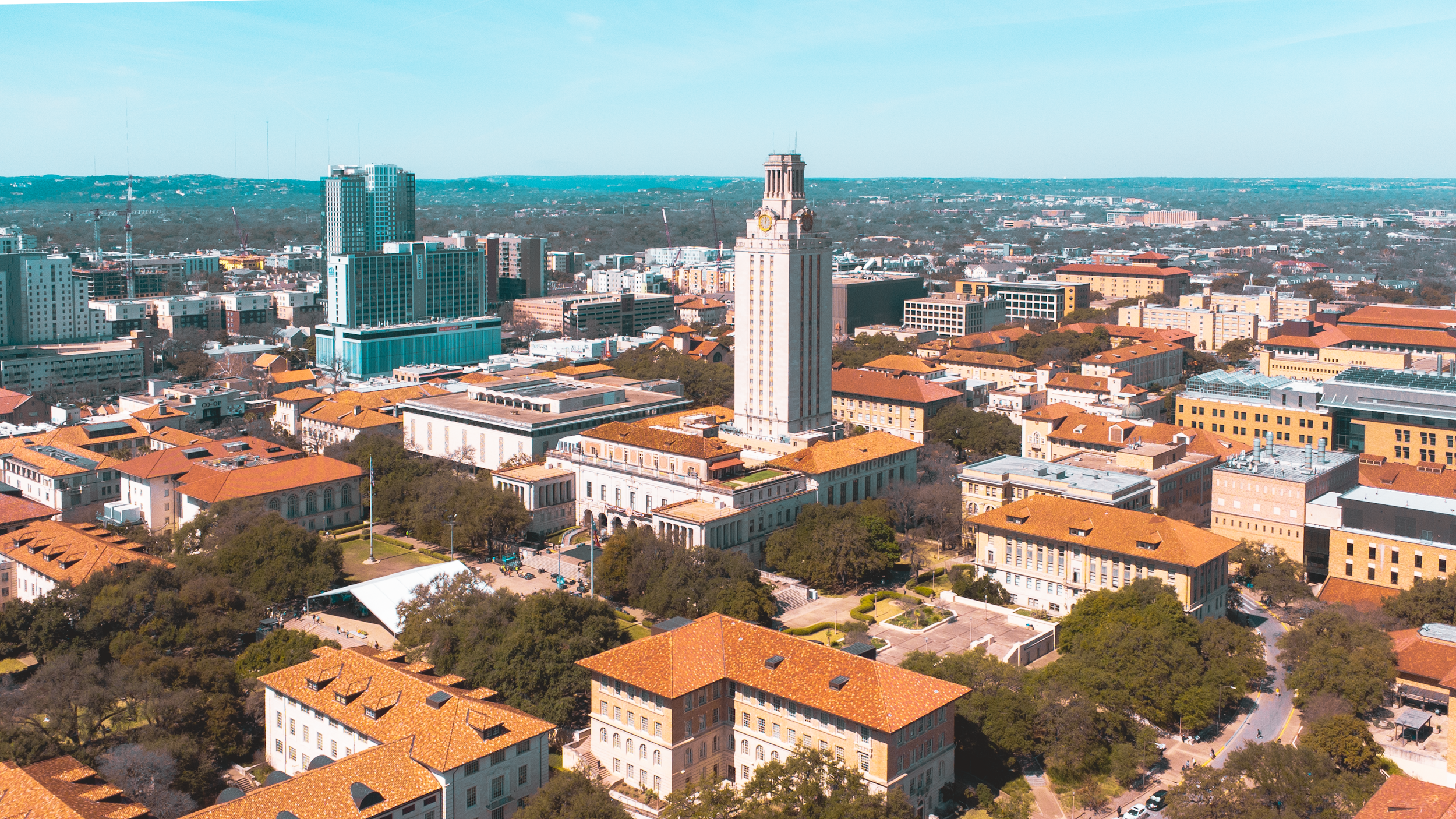
The Freshman Research Initiative opens its research streams to high school students for a five week academy, which means you are working inside an established undergraduate research pipeline rather than a program built for visitors. Streams have covered synthetic biology, computational chemistry, virtual drug screening, and nanomaterials. It is fee based and non residential, so it works best for Austin area families.
Programs limited by where you live
Two different things restrict access here. Some of these programs write residency into their eligibility rules and will reject an otherwise strong applicant on address alone. Others are formally open but provide no housing and no transportation, which makes them commuter programs in practice. Both are noted below, because the distinction determines whether applying is pointless or merely expensive.
Berkeley Lab Experiences in Research
EinR is a paid six week internship at Lawrence Berkeley National Laboratory, at $500 per week for 30 to 35 hours. Eligibility is written as a rule rather than a preference. You must be in grades 10 through 12 at a Northern California high school and 16 by the start date, and while all Northern California applications are reviewed, students within 30 miles of the lab are prioritized. Projects span experimental research, data science, coding, and science communication. Directly contacting a listed mentor disqualifies you, which trips up students coached to cold email professors.
AMNH Science Research Mentoring Program
SRMP at the American Museum of Natural History is limited to New York City high school students and pairs them with museum scientists for a year long research project that begins in summer and continues through the school year, with a stipend. The extended timeline is the point. A project that runs ten months produces publishable or competition-ready work in a way that a six week placement rarely does. Prior participation in museum courses strengthens an application considerably.
NYU ARISE
ARISE at NYU Tandon is free, pays a stipend, and places students in NYU labs across biomedical engineering, robotics, computer science, machine learning, urban systems, and materials science, with four weeks of research training followed by a full time lab placement. Roughly 65 to 80 students are placed per cycle and outside estimates put acceptance near 4 percent. The residency rule is stricter than it looks. You must live in New York City, and attending a New York City high school while living outside the five boroughs does not qualify. Applicants must be completing 10th or 11th grade, and the program is explicitly built for students who have not had access to high quality STEM opportunities, which should shape how you write the essay.
Dana-Farber Harvard Cancer Center CURE Program
CURE is a paid summer research program in cancer biology for Massachusetts high school and college students from backgrounds underrepresented in the biomedical sciences, with mentorship inside Dana-Farber, Harvard, and affiliated institutions. Unlike most programs on this list, CURE is built for multi-year participation, and returning students take on progressively more responsibility. If you are a Massachusetts student aiming at oncology or biomedical research, this is the highest ceiling option available to you.
Princeton Laboratory Learning Program
The Laboratory Learning Program is free, unpaid, and five to six weeks long, placing students in Princeton labs in the sciences and engineering with a two page research report due at the end. Princeton describes it plainly as a science outreach opportunity for students who live locally. There is no housing, no transportation, no remote option, and local housing is verified during the application process, so out of area applications go nowhere. Reported cohorts run around 40 interns across roughly 25 labs, and estimates of the applicant pool vary widely enough that no acceptance rate should be quoted with confidence. Applicants must be 16 by mid June, and applications run from mid February to mid March.
UT Dallas George A. Jeffrey NanoExplorers
NanoExplorers limits participation to 50 students who join UTD faculty labs across natural sciences, engineering, computer science, and behavioral and brain sciences for eight weeks at 25 or more hours per week, closing with a research symposium. There is no stated residency rule, but the program is non residential and participants arrange their own housing and transportation, which makes it a Dallas area opportunity in practice. Participants must be 16 by registration. Registration opens in early February with notifications by March 1.
Programs open nationally, including remote and hybrid options
If you do not live near a research university, these are the ones to focus on. Each accepts students regardless of where they live, and several run partly or entirely online.
Aspiring Scholars Directed Research Program
ASDRP is a nonprofit research institution in Fremont, California running year round terms across biology, chemistry, physics, computer science, and psychology, with a real publication and conference presentation track record. Bay Area students work in person and everyone else works remotely, and the program states outright that Bay Area residency is not required. Reported acceptance is around 3 percent for the summer term and 25 to 31 percent for spring and autumn terms, which is the most useful strategic detail on this page. If summer is the goal, entering in a non summer term and continuing is a far more reliable path in than applying cold in April. Tuition ran $1,070 per term for 2026 with need based aid that reaches full coverage. The summer term runs June 1 to August 24, with rolling early admission from February and a mid April close.
Duke Clinical Research Institute STAR Program
Duke's STAR is a five week in person program in Durham where teams of high school, undergraduate, and medical students are matched with Duke faculty mentors to take an original hypothesis from a one page summary through to a full research paper. The output is the reason to apply. More than 95 percent of participants since 2013 have become authors on peer reviewed publications indexed in PubMed, which is a materially different outcome from a poster session. Eligibility is national and grant funded stipends are available, so students outside North Carolina can realistically attend, but applicants must be US citizens or permanent residents under NIH policy. Rising juniors may apply and rising seniors and older students are preferred. Applicants under 18 at the start date cannot shadow in clinics. The deadline falls in early January.
NASA SEES High School Summer Intern Program
SEES at the UT Austin Center for Space Research is the rare program that publishes real numbers. In 2024 it received about 2,000 applications and accepted 215, roughly 11 percent. Interns complete distance learning modules and work remotely with NASA affiliated mentors, and a subset attends a two week on site session in Austin with housing, meals, and local transportation covered, which is far more selective than the headline figure. All interns present at a virtual symposium in July. Eligibility is US citizens only, sophomores and juniors, 16 by the on site start date, with a February deadline and an introduction video required.
MIT Beaver Works Summer Institute
BWSI runs four week project-based courses in autonomous racing, radar, unmanned air systems, cybersecurity, quantum software, and related fields at MIT Lincoln Laboratory. Admission works differently from every other program here. You first complete a free online prerequisite course during the spring, and your progress in that course is itself a selection criterion, alongside three short essays and a teacher recommendation. Students who start the online course in January are competing against students who started in November. Cost is $1,750 for families above $150,000 in income and free below that. Students must be living in the United States for the summer session.
CIERA REACH at Northwestern
REACH is a three week introduction to astrophysics research through Python for students in grades 10 through 12, requiring no prior programming or astronomy background, with solar observing at Dearborn Observatory and a college and career panel. A limited number of participants advance to REACH Further, a second three week block working one on one with a CIERA scientist, and that continuation can largely be completed remotely. CIERA publishes no acceptance rate, and REACH Further placement depends on mentor availability rather than a fixed cohort size. Students from outside Chicago and international students may apply, though the Core session is fully in person and no housing is provided. Tuition ran $2,500 for Core plus $1,500 for REACH Further, and CIERA states that every student who requests financial assistance receives at least a partial waiver, which makes the sticker price misleading.
If you are applying to a summer research program and would like to put your best foot forward in your essays and broader application, the summer program and college admissions experts at Cosmic College Consulting can help you. To get started, schedule a free consultation with us today.