Waitlisted from University of Richmond: What to Do

If the University of Richmond just placed you on the waitlist, you are dealing with a school that is refreshingly transparent about its waitlist process and that explicitly rewards demonstrated interest. Richmond publishes a detailed waitlist FAQ that tells you exactly what they want to see from waitlisted students, and if you follow their guidance carefully, you give yourself the best possible chance at a school where the waitlist is a genuine part of how the class gets built.
Here are the numbers. Richmond's admissions office states that they have extended offers to waitlisted students in each of the last five years, admitting between 28 and 113 students annually. For the most recent cycle (Fall 2024 enrollment), the waitlist acceptance rate was approximately 1.7%, with 67 students admitted from roughly 3,866 on the list. For the Class of 2028 (Fall 2023 enrollment), it was about 0.9%. In earlier years, it has been as high as 3.3%. Richmond also publishes that 11% of the Class of 2029 enrolled as waitlist admits, which is a substantial share of a class of roughly 800 students.
The rates are low in percentage terms because Richmond places a large number of applicants on the waitlist relative to the size of its class. But the absolute numbers, 28 to 113 admitted per year, represent meaningful waitlist movement. This is not a school that places students on the waitlist as a polite rejection. They use it actively, and in some years they reach deep into it.
Accept Your Spot by April 15
Richmond requires waitlisted students to respond through their Spider Portal by April 15. This is earlier than the May 1 national deposit deadline, so do not assume you have more time. If you do not respond by April 15, you will not be considered. Submitting after that date may jeopardize your chances even if you technically get it in. Do it now.
Commit to Another School Before May 1
Richmond will not begin making waitlist offers until after the deposit deadline, once they know how many admitted students have chosen to enroll. You need a deposit down at another school before May 1. This is standard practice, and Richmond expects it.
If you are later offered admission from the waitlist, you must immediately cancel your enrollment at any other college or university. Richmond explicitly states that it reserves the right to rescind its offer of admission to any student who remains enrolled concurrently at Richmond and another institution. Take that seriously.
Tell Richmond It Is Your First Choice
This is the single most strategically important move you can make, and Richmond says it directly. Their FAQ states that Richmond is interested in selecting students from the waitlist who have a sincere desire to enroll, and that they may consider a student's level of interest in Richmond when making selections from the waitlist. They then say: if Richmond is your first choice, you should make that known to the Office of Admission.
That is an explicit invitation to demonstrate interest, and at a school with a yield rate that hovers in the low 30s, the admissions office needs reassurance that waitlist offers will convert into enrollments. If Richmond is genuinely your top choice, communicate that unambiguously. If it is not your top choice, be honest with yourself about whether staying on the waitlist makes sense.
The best way to communicate your interest is through a focused, specific letter of continued interest (or email) to your regional admissions counselor. The letter should do what every good LOCI does: paint a vivid picture of who you will be on Richmond's campus, reference specific programs, professors, student organizations, or aspects of the university's culture that connect to your academic and personal interests, and make the reader understand that you cannot replicate the Richmond experience anywhere else.
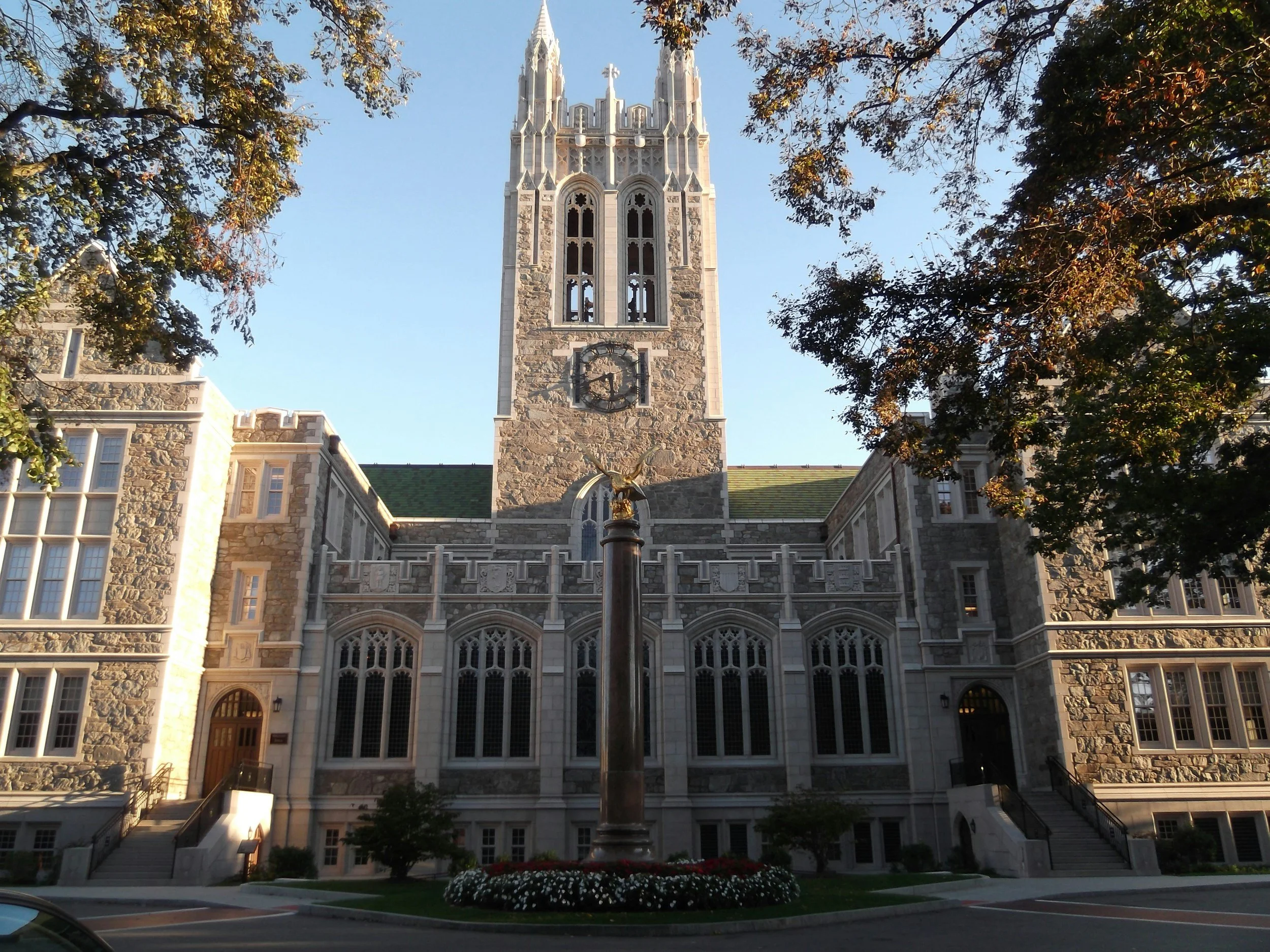
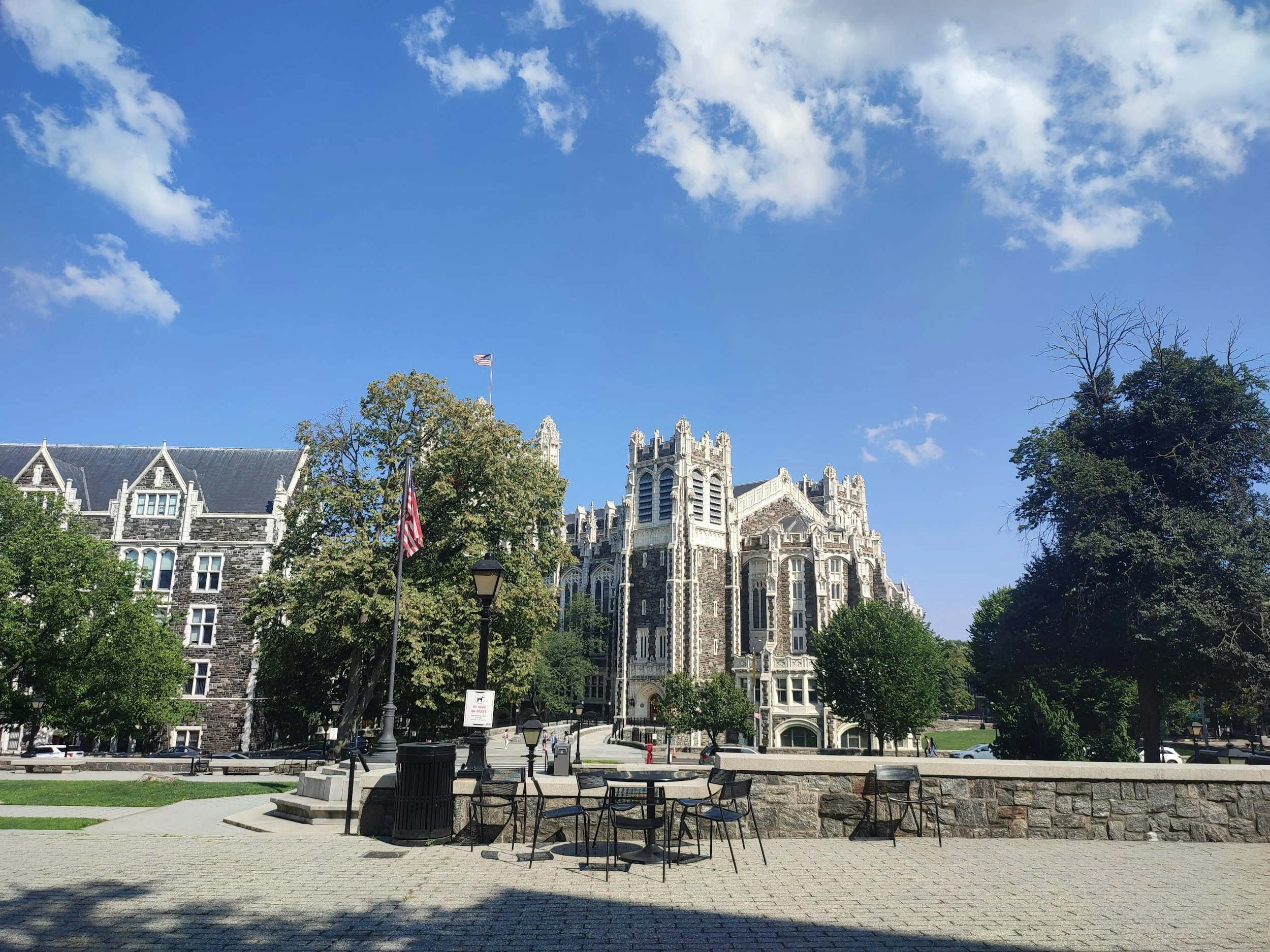
Richmond is a school with a distinctive identity that rewards specificity. The Robins School of Business is one of the top undergraduate business programs in the country and a draw for many applicants. The Jepson School of Leadership Studies is the only undergraduate leadership school at a major American university. The Richmond Guarantee funds a summer fellowship for every undergraduate. The campus itself, with its collegiate Gothic architecture set on 350 acres, creates a residential experience that is central to student life. If any of these features, or others specific to Richmond, connect to what you want out of your college experience, say so in concrete terms.
Do not brag. Do not list your other acceptances. Do not rehash your resume. And do not write generic sentences about Richmond being a great school. Show that you have done your homework and that your interest is genuine.
Send Updated Grades (But Not Additional Recommendation Letters)
Richmond's FAQ is specific about what additional materials they will and will not accept. They welcome additional academic information, including third quarter or second trimester grades and recent standardized testing. If your senior year grades are strong, make sure your school sends an updated transcript. If you have retaken the SAT or ACT and improved your score, submit the new results.
However, Richmond explicitly states that additional letters of recommendation will not be considered in their decision. Do not send them. This is a clear boundary, and ignoring it signals that you are not paying attention to their instructions.
Understand Richmond's Need-Aware Waitlist Policy
This is a critical detail that many families miss, and it is one of the most important distinctions between Richmond's waitlist and those at schools like Rochester, Bates, or MIT. Richmond is need-blind in its Early Decision, Early Action, and Regular Decision processes, but it reserves the right to be need-aware for students on the waitlist.
What this means in practice is that your financial need may factor into whether you receive a waitlist offer. Students who require significant financial aid may face a higher bar than full-pay students when the admissions office is selecting from the waitlist. This is not unique to Richmond, but Richmond is more transparent about it than most schools, and you deserve to know.
If you met Richmond's need-based financial aid application deadline and are eligible for need-based aid, you will receive a package that fully meets your demonstrated need if admitted. That is a strong commitment. But the question of whether you receive the offer at all may be influenced by your aid status. If your family is in a position to attend without financial aid and you want to maximize your waitlist chances, you may consider updating your financial aid status through your portal. That is a decision only your family can make.
One additional caveat: students admitted from the waitlist are not eligible for merit scholarships. Those awards will have already been distributed to initially admitted students. If you were hoping for a Richmond Scholars or Presidential Scholarship, that opportunity has passed.
Have Your School Counselor Make a Call
At a school with roughly 800 students per class and an admissions office that reads applications holistically, a phone call from your school counselor carries weight. Your counselor should call your regional admissions representative and communicate that Richmond is your top choice, that you will enroll if admitted, and that your academic performance has remained strong.
If there are meaningful new developments, the counselor is the appropriate person to deliver them. When advocacy comes from a third party, it reinforces the message of your LOCI without the risk of self-promotion.
If your counselor resists making the call, push back. This is part of their job, and counselors at other schools will be making these calls.
If you'd like help maximizing your chances of getting off the waitlist and into your current top-choice colleges, schedule a free consultation with an admissions expert today.