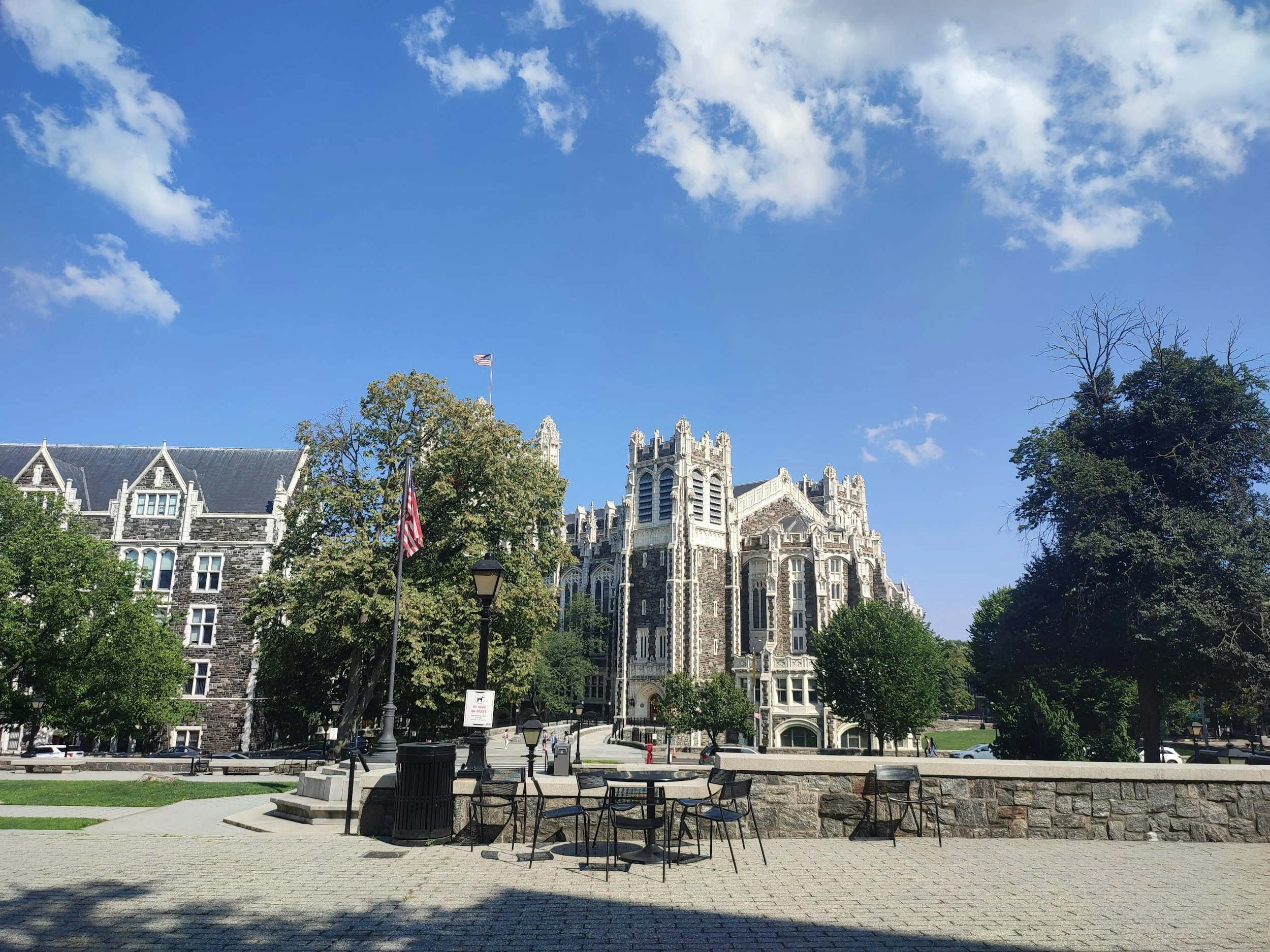
Waitlisted from Claremont McKenna College: What to Do

If Claremont McKenna College just placed you on the waitlist, you are competing for a very small number of seats at one of the most selective liberal arts colleges in the country. CMC enrolls roughly 340 first-year students each year from a pool of over 6,500 applicants at a 9.6% acceptance rate. With a yield rate above 50%, meaning more than half of admitted students choose to enroll, the margin for waitlist movement is structurally thin. When more than half of your admits say yes, there are not many seats left to fill.
Here are the numbers. For the most recent cycle with published data (the 2024-2025 Common Data Set, reflecting the Class of 2029), CMC placed 997 students on the waitlist. Of those who accepted, 33 were ultimately admitted, a waitlist acceptance rate of approximately 3.3%. The year before, for the Class of 2028, 44 were admitted from 591 waitlisted, a rate of about 7.4%. For the Class of 2027, only 11 were admitted (1.3%). For the Class of 2026, 9 were admitted (1.0%). For the Class of 2024, 75 were admitted (9.7%).
Over the last fourteen years, the waitlist acceptance rate has ranged from 0% to 23%. That is one of the widest ranges in the entire landscape of elite liberal arts colleges, and the most recent cycles have trended toward the lower end. The odds for any individual are long, and in some years the waitlist barely moves at all. But CMC has used the waitlist in most recent cycles, and the 33 to 75 admits that have come off the list in the better years represent a meaningful share of a 340-student class.
Accept Your Spot on the Waitlist
CMC requires you to opt in to the waitlist. If you do not confirm your continued interest, you will not be considered. The waitlist is not ranked. If spots open, the admissions committee will reconsider all opted-in students based on the composition and needs of the incoming class.
Commit to Another School Before May 1
CMC's waitlist decisions will not begin until after the May 1 deposit deadline. Put down your deposit at another school and invest in that decision. If CMC later admits you from the waitlist, you can accept and withdraw. But with a waitlist acceptance rate that has averaged in the low single digits in recent years, you need a school you are genuinely excited about.
Write a Letter of Continued Interest
CMC does not prohibit waitlisted students from submitting additional materials or expressions of continued interest. The admissions website notes that supplemental documentation is welcome, and waitlisted students are encouraged to indicate their continued interest. This is your opportunity to write a letter of up to 650 words and submit it to the admissions office. At a school where 33 spots separated those who got in from those who did not, this letter may be the most important thing you write all year.
Your letter should function as a love letter to Claremont McKenna. Not a brag sheet. Not a resume update. Not a list of other schools that admitted you. A letter that makes the reader understand exactly who you will be in the CMC community and why this specific college, with this specific mission and culture, is where you belong.
CMC's identity is built on several distinctive pillars, and your letter should engage with them directly.
The first is the leadership mission. CMC's mission statement is explicit: to prepare students for "thoughtful and productive lives and responsible leadership in business, government, and the professions." This is not a generic aspiration. It is the organizing principle of the curriculum, the research institutes, the campus culture, and the admissions process itself. CMC's supplemental essay asks applicants to explain why they want to attend in light of this mission. Your LOCI should extend that conversation. If your work, whether in student government, community organizing, entrepreneurship, policy research, or any other domain, is oriented toward leadership that creates tangible impact, explain how CMC's specific programs and culture will accelerate that trajectory. Do not write abstractly about "wanting to be a leader." Show CMC what your leadership looks like in practice and why their institution is the place that turns your current work into something larger.
The second is the Claremont Colleges consortium. CMC is one of five undergraduate colleges (alongside Pomona, Harvey Mudd, Scripps, and Pitzer) in a consortium that shares a contiguous campus, dining halls, libraries, and over 2,000 courses. Ninety-nine percent of CMC students cross-register at another Claremont College. That number is remarkable. It means the consortium is not an optional add-on. It is a central feature of the academic experience. If your interests span institutional boundaries, if you want to study computer science at Harvey Mudd while pursuing economics at CMC, or take studio art at Scripps while majoring in government, the consortium makes that possible. If this is part of why CMC is on your list, make it explicit. Your Pomona and Harvey Mudd articles already exist for readers waitlisted at those schools; a reader waitlisted at CMC specifically should articulate why the CMC campus, with its particular orientation toward leadership and the social sciences, is the home base from which they want to explore the consortium.
The third is the research institutes. CMC houses 11 research institutes and centers that support student-faculty research across economics, government, finance, ethics, and public policy. The Rose Institute of State and Local Government, the Kravis Leadership Institute, the Lowe Institute of Political Economy, and the Financial Economics Institute are among the most prominent. These are not graduate-only facilities. They are designed to give undergraduates hands-on research experience in domains that most liberal arts colleges cannot offer at this scale. If your academic hook connects to any of these institutes, name it and explain what you would do there.
The fourth is the Marian Miner Cook Athenaeum. The Athenaeum hosts speakers four nights a week, bringing public intellectuals, politicians, journalists, business leaders, and scholars to campus for dinner and conversation with students. It is one of the most distinctive features of CMC student life and a physical embodiment of the college's commitment to viewpoint diversity and constructive dialogue, values that CMC's supplemental essays explicitly ask applicants to engage with. If the Athenaeum experience, the idea of sitting at dinner with a former secretary of state or a Pulitzer Prize-winning journalist and asking them a question, is something that excites you, say so.
The fifth is the Southern California setting. CMC is 30 miles east of downtown Los Angeles, and the proximity to LA's financial district, tech ecosystem, policy institutions, and cultural resources creates internship and career pipelines that most liberal arts colleges in rural New England cannot match. The Soll Center for Student Opportunity provides career services and sponsored internships. If location-driven opportunities are part of your plan, connect them to CMC's specific infrastructure.
Do not brag. Do not list your accomplishments. Any genuinely significant updates since your application should be included briefly as context, but the heart of your letter must be the portrait you paint of yourself in the CMC community. Show the admissions committee what your four years would look like.
Submit the letter promptly. The primacy effect matters.
Have Your Guidance Counselor Make an Advocacy Call
After your letter is submitted, your guidance counselor should contact your admissions officer at CMC. The counselor should communicate that CMC is your top choice, that you will enroll if admitted, and that your academic performance has remained strong. At a school with a class of 340, individual advocacy matters.
Keep Your Grades Up
Three-quarters of CMC admits ranked in the top 10% of their high school class. The middle 50% SAT range is 1490 to 1550. The academic bar is among the highest of any liberal arts college in the country. A dip in your senior year grades can remove you from contention.
If you'd like help maximizing your chances of getting off the waitlist and into your current top-choice colleges, schedule a free consultation with an admissions expert today.