Colleges Which Require Interviews

If you are applying to highly selective colleges, you need to know which schools expect you to participate in an admissions interview and treat that conversation as a meaningful part of your application. At some elite universities, the interview is not just a formality. It is a genuine evaluative component that feeds directly into the admissions committee's decision. Skipping it, blowing it off, or treating it as optional when it is not can cost you an acceptance.
Here is a breakdown of the colleges where interviews matter most, how each school runs its process, and what you can do to make the most of every one.
Georgetown University
Georgetown is the gold standard for evaluative admissions interviews. It is the only top ten university in the country that requires an alumni interview for every first year applicant. The interview is waived only in rare cases where no alumni interviewer is available in your area.
Georgetown's Alumni Admissions Program includes more than 6,400 trained alumni volunteers organized across more than 200 regional committees in all 50 states and numerous countries. Your interviewer will submit a detailed evaluative report with specific ratings that become a formal part of your admissions file. The university describes the interview as one important piece of the application, and they mean it. Georgetown's Common Data Set rates the interview as "Important," which places it on the same level as extracurricular activities and other major application components.
Both in person and virtual interviews are now available, so geographic barriers are less of a concern than they used to be. But do not let the virtual format lull you into a casual mindset. Georgetown interviewers are looking for intellectual curiosity, a strong sense of self, and genuine enthusiasm for the school. Come prepared to discuss why Georgetown specifically appeals to you, what you plan to study, and what you have done outside the classroom that reflects your values.
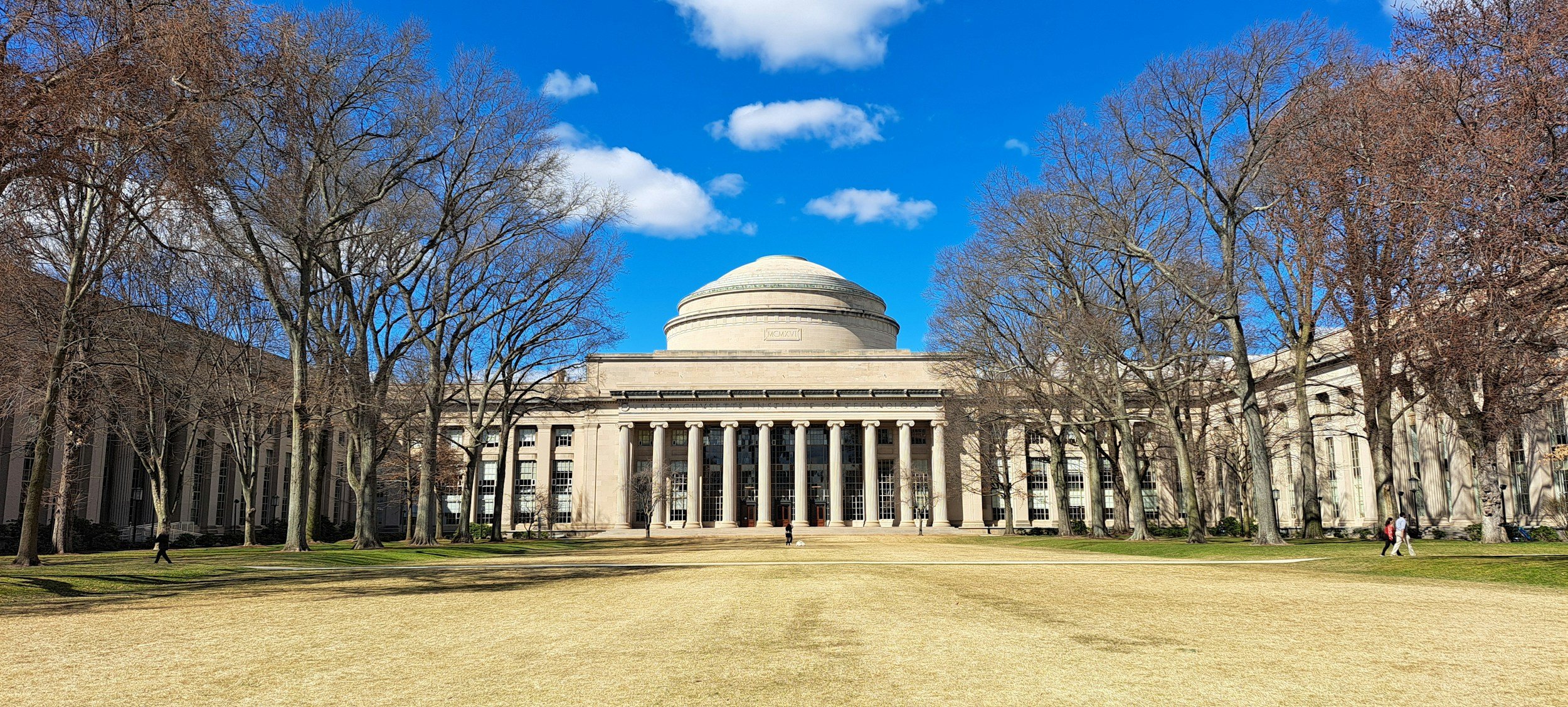
MIT
MIT is the only elite STEM institution in the country that rates the admissions interview as "Important" in its Common Data Set. That is a big deal. At MIT, the interview carries weight on par with your GPA, essays, and test scores.
MIT's interview network consists of more than 3,500 Educational Counselors, which is what MIT calls its alumni interviewers. These volunteers conduct interviews around the world and submit detailed written reports that admissions officers read carefully. MIT even grades these reports for quality and gives interviewers feedback on how useful their evaluations were. That level of institutional investment tells you everything about how seriously MIT takes this process.
Nearly all applicants are offered an interview, and you should absolutely accept if one is offered to you. MIT has publicly shared data suggesting that roughly 10 percent of interviewed applicants are admitted compared to about 1 percent of those who decline an offered interview. Some of that gap reflects self selection, since stronger applicants are more likely to follow through. But it also reflects the fact that MIT genuinely uses the interview to learn something about you that does not come through on paper.
Here is the important nuance for STEM applicants. MIT interviewers are not going to quiz you on differential equations or ask you to solve problems on a whiteboard. They are looking for intellectual curiosity, collaborative instincts, and whether you seem like someone who would be a good lab partner and hallmate. They want to know if you are fun and kind and deeply engaged with the world. Prepare to talk about what excites you intellectually, not to perform technical feats.
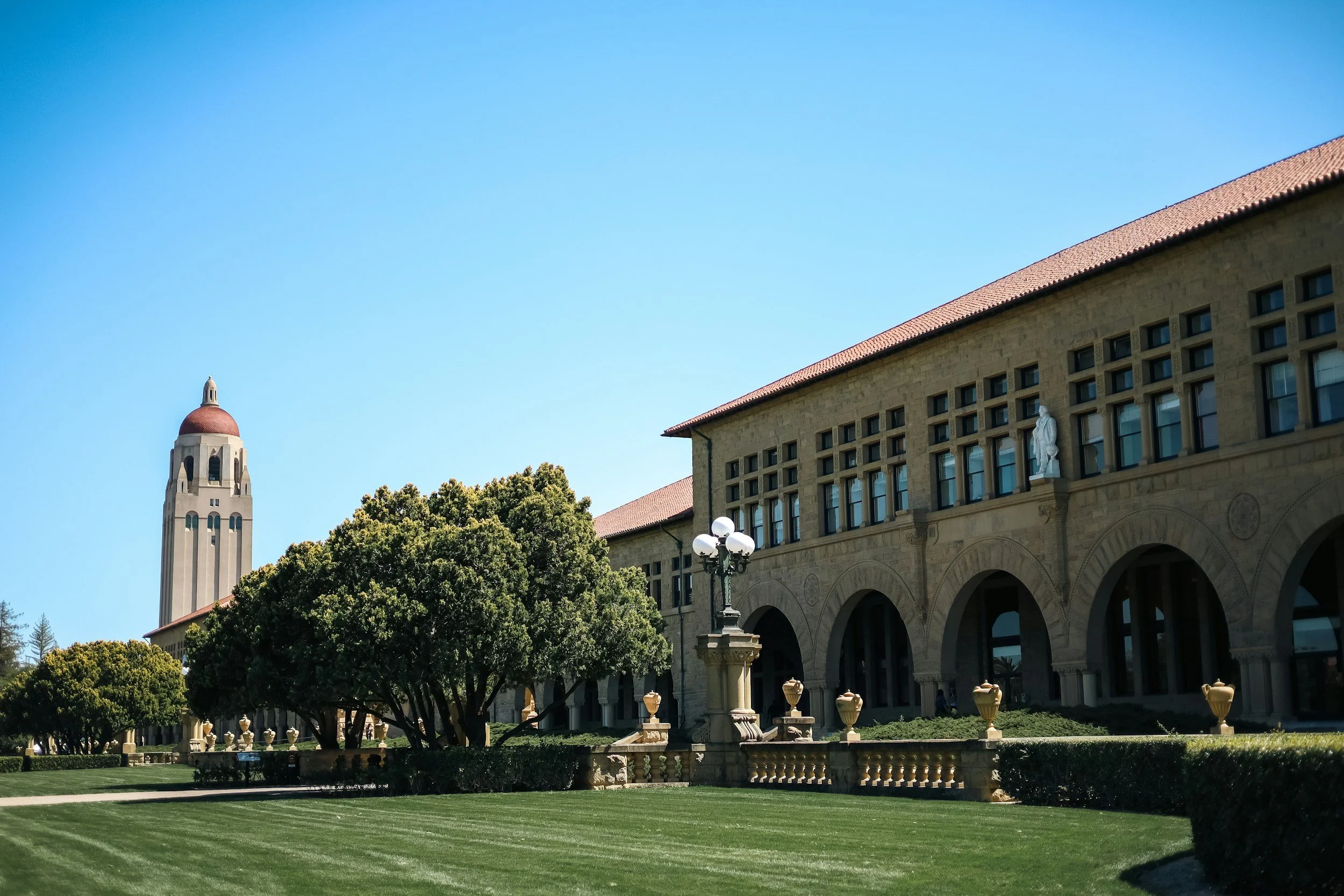
Yale University
Yale does not technically require interviews, but if you are offered one you need to treat it as required. Yale's admissions office has stated that interviews have become even more impactful in recent years, and the school appears to deploy them strategically for borderline candidates where one more data point could tip the balance.
Yale uses both alumni volunteers and current Yale seniors as interviewers, making it one of the few schools with a dual interviewer model. The Common Data Set rates Yale's interview as "Considered," which is a step below Georgetown and MIT, but the strategic way Yale targets interviews means they may carry more practical weight for certain applicants than the rating suggests.
You cannot request an interview at Yale. They are assigned selectively, and the admissions office tells students who are not offered one that they will not be disadvantaged. But if one comes your way, take it seriously. Prepare to articulate what draws you to Yale's specific academic culture, residential college system, and approach to liberal arts education.
Dartmouth College
Dartmouth is refreshingly transparent about the evaluative nature of its interviews. The admissions website states outright that alumni interviews are both informative and evaluative. Interviewers rate their overall impression and write detailed prose reports that go into your file.
Dartmouth's interviewer guidelines acknowledge that most applicants are among the top five percent of all high school students, which means interviewers are trained to make very fine distinctions between highly qualified candidates. The Common Data Set rates the interview as "Considered." Even though you technically can decline, there is no strategic reason to do so. If Dartmouth offers you an interview, accept it immediately and prepare thoroughly.
Harvard University
Harvard runs the largest alumni interview network in higher education with roughly 10,000 volunteers. Interviews are optional but widely offered, and the Common Data Set rates them as "Considered."
The key thing to understand about Harvard's interview is that your interviewer has almost no information about you going in. They receive only your name, high school, and contact details. They do not see your essays, test scores, grades, or activities list. This means the interview is your chance to present a version of yourself that is unfiltered by the rest of your application. It is also why admissions officers describe the interview report as confirmatory rather than determinative. It is unlikely to override a weak application, but it can reinforce the strengths of a strong one.
A notable policy change took effect in 2025 that prohibits interviewers from including any information about race, ethnicity, or national origin in their evaluations, following the Supreme Court's ruling on affirmative action.
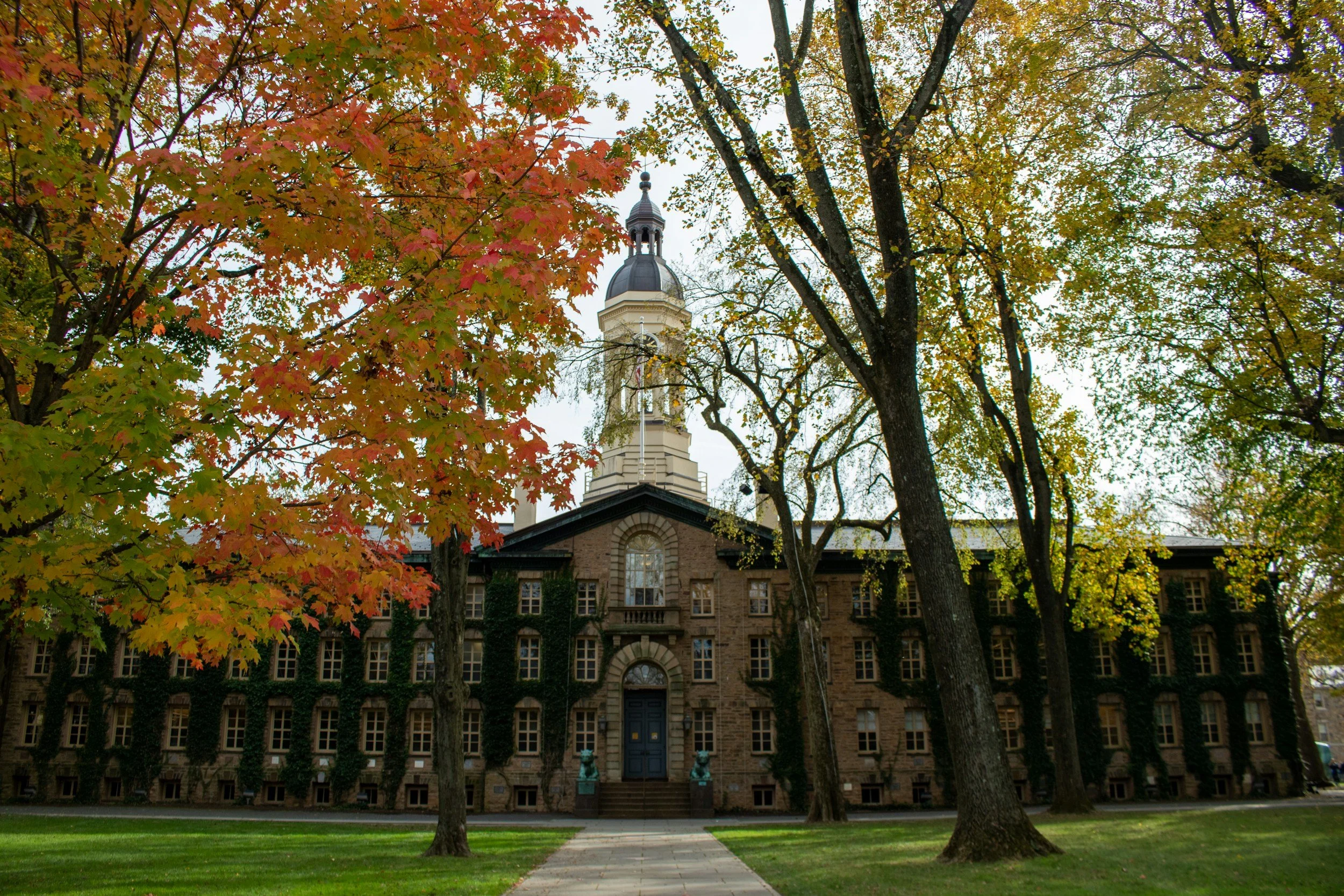
Princeton University
Princeton frames its alumni interviews through the Positively Princeton program, which gives them an ambassadorial flavor. But make no mistake. Interviewers do submit evaluative ratings, and the Common Data Set lists interviews as "Considered."
What makes Princeton unique is that it attempts to reach nearly 100 percent of applicants for an interview. You can opt out, but declining without a good reason sends a signal you do not want to send. Princeton's interview is your opportunity to demonstrate the kind of intellectual depth and personal engagement that the school values. Come ready to discuss what you have read, what questions keep you up at night, and why Princeton's academic structure appeals to you.
Rice University
Rice offers optional but recommended interviews conducted by alumni volunteers or current students, and the admissions office treats both types equally. The Common Data Set rates the interview as "Considered."
What makes Rice strategically different is that it tracks demonstrated interest. At schools that do not consider demonstrated interest, the interview's value is limited to its evaluative content. At Rice, participating in the interview also signals that you are serious about attending. That dual function makes the Rice interview more strategically valuable than interviews at peer schools that ignore demonstrated interest.
All Rice interviews are currently conducted virtually, which removes geographic barriers but also means you need to be intentional about your setup. Make sure your background is clean, your lighting is good, and your internet connection is reliable.
Tufts University
Tufts deserves special attention because it is one of the few schools that explicitly labels its optional interviews as evaluative. Many schools are cagey about whether interview feedback enters the admissions file. Tufts is not. The school is upfront that your interviewer's assessment becomes part of your application.
Interviews are conducted by alumni volunteers or senior students. The "optional" label is somewhat misleading for strategic applicants. If you are serious about Tufts, you should treat the interview as expected.
Duke University
What makes the Duke interview particularly important is the context in which it operates. Duke receives more than 50,000 applications per year, and the admissions committee is looking for ways to differentiate between thousands of academically qualified candidates. A strong interview gives the committee a human data point that essays and transcripts cannot fully capture. It is your chance to demonstrate personality, intellectual energy, and the kind of collaborative spirit that defines Duke's culture.
Duke also offers a 60 to 90 second optional video submission as an alternative for students who are not matched with an alumni interviewer. But if you have the opportunity to do a live interview, take it. A real conversation with a Duke alum gives you far more room to make an impression than a minute long video ever could. Come prepared to discuss what specifically draws you to Duke, whether that is a particular research lab, the Bass Connections program, or the interdisciplinary flexibility between Trinity and Pratt. Show the interviewer that you have done your homework and that you would be an engaged member of the Duke community.
The Bottom Line
If you are applying to Georgetown or MIT, your interview preparation should be a serious part of your admissions strategy. These are the only two top 20 universities where interviews carry enough weight to meaningfully influence outcomes.
At Yale, Dartmouth, Harvard, Princeton, Rice, and Tufts, always accept an interview if offered and prepare thoroughly. The weight is more modest, but a strong interview confirms a strong application, and at schools like Yale where interviews may be strategically deployed for borderline candidates, one good conversation could be the difference
If you have a college interview to prepare for, or are interested in applying to one of these schools, take the first step to hitting your interview out of the park and maximizing your chances of being admitted to your dream school by scheduling a free consultation with an admissions expert today.