Most Selective U.S. Undergraduate Programs
If you want to understand how competitive elite college admissions has become, stop looking at rejection letters and start looking at the numbers. Acceptance rates at the most selective U.S. undergraduate programs have dropped to levels that would have seemed unthinkable two decades ago. Some are now sitting below 3%. Knowing where these programs stand, and what drives their selectivity, is essential context for any student building a serious college list.
This article breaks down the ten most selective U.S. undergraduate programs with verifiable, publicly documented acceptance rates. The data comes from Common Data Sets, official institutional admissions statistics pages, and official university announcements. Where acceptance rates were not explicitly stated, they were calculated directly from disclosed applicant and admit counts.
A Note on How to Read These Numbers
Before diving in, a few things worth understanding. Some entries on this list are institution-wide admissions programs. Others are specialized subprograms with their own separate applicant pools. Those are not directly comparable. A subprogram like Brown's PLME attracts a narrowly self-selected group of applicants who have already opted into a specific pathway, which affects how you interpret its acceptance rate relative to a school-wide number. Additionally, all rates here are for first-year undergraduate admissions, not transfer admissions.
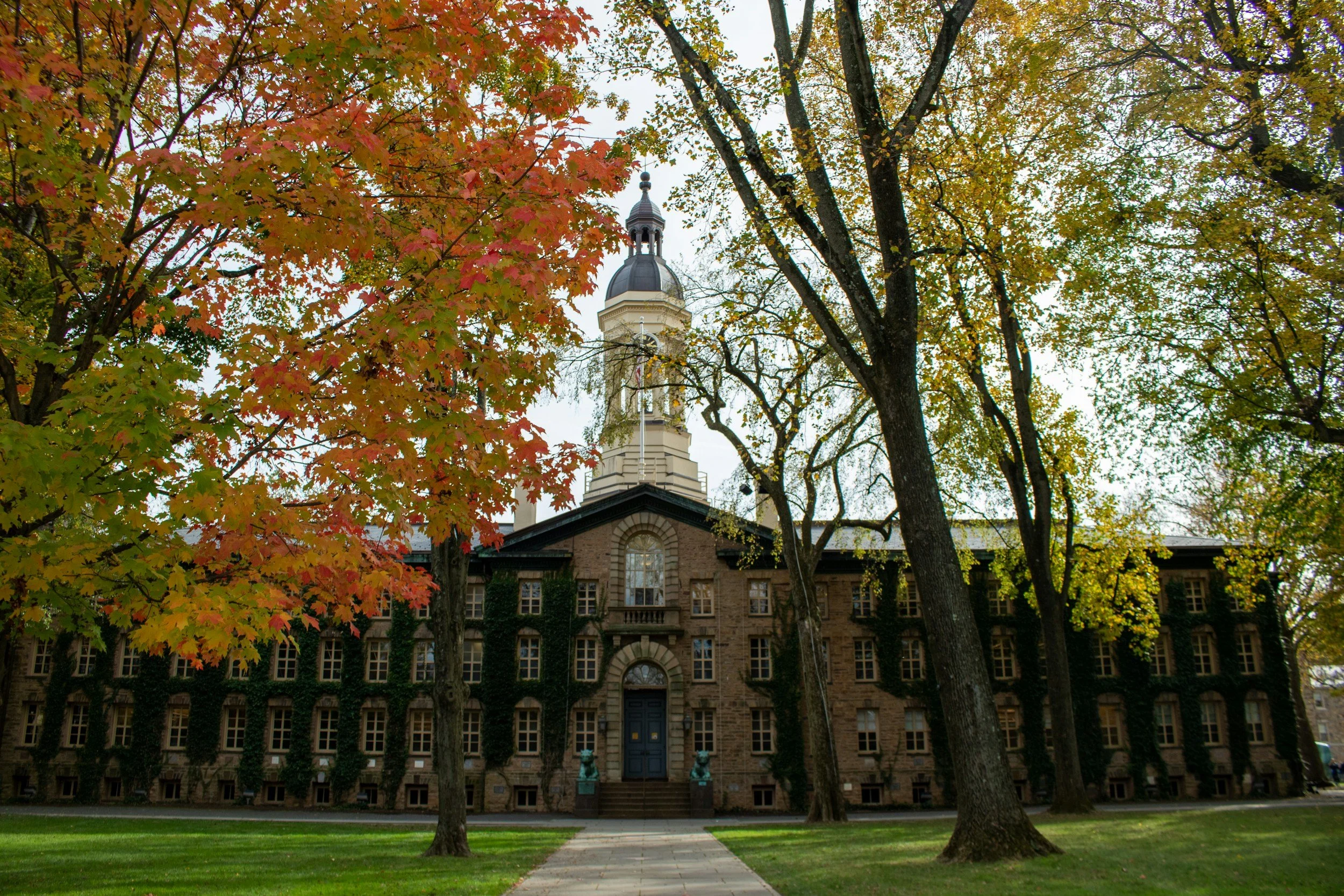
10. Princeton University
Acceptance rate: 4.62% (Fall 2024) Applicants: 40,468 | Admitted: 1,868 | Enrolled: 1,410
Princeton rounds out the top ten. Roughly 40,000 students applied for a first-year class of under 1,900 admitted students. The high implied yield, with 1,410 enrolled out of 1,868 admitted, reflects how seriously admitted students take the offer.
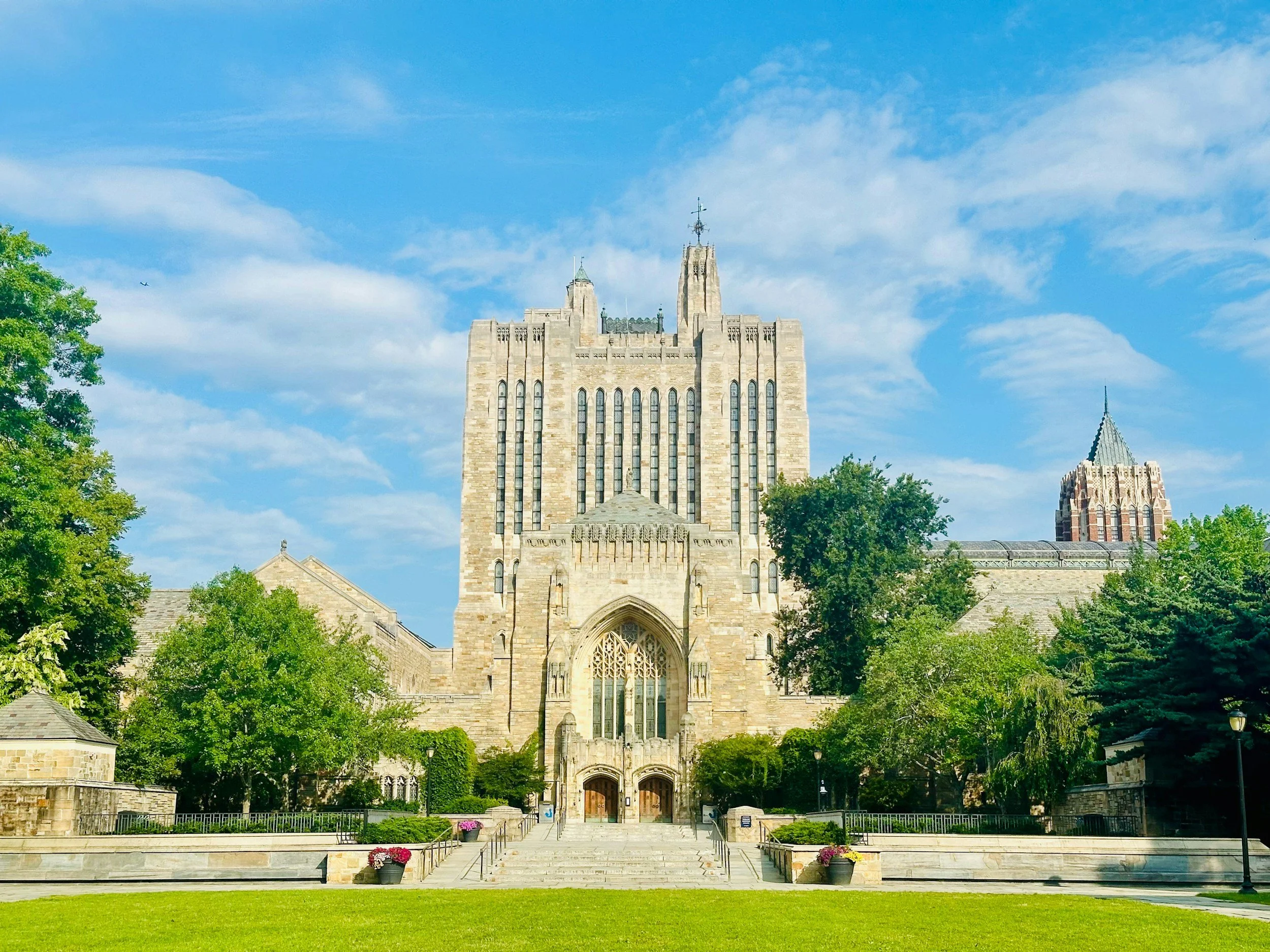
9. Yale University
Acceptance rate: 4.60% (Class of 2029) Applicants: 50,228 | Admitted: 2,308
Yale's applicant pool has grown substantially, and with a constrained first-year class size, the acceptance rate has compressed accordingly. Over 50,000 students competed for roughly 2,300 spots in the Class of 2029.
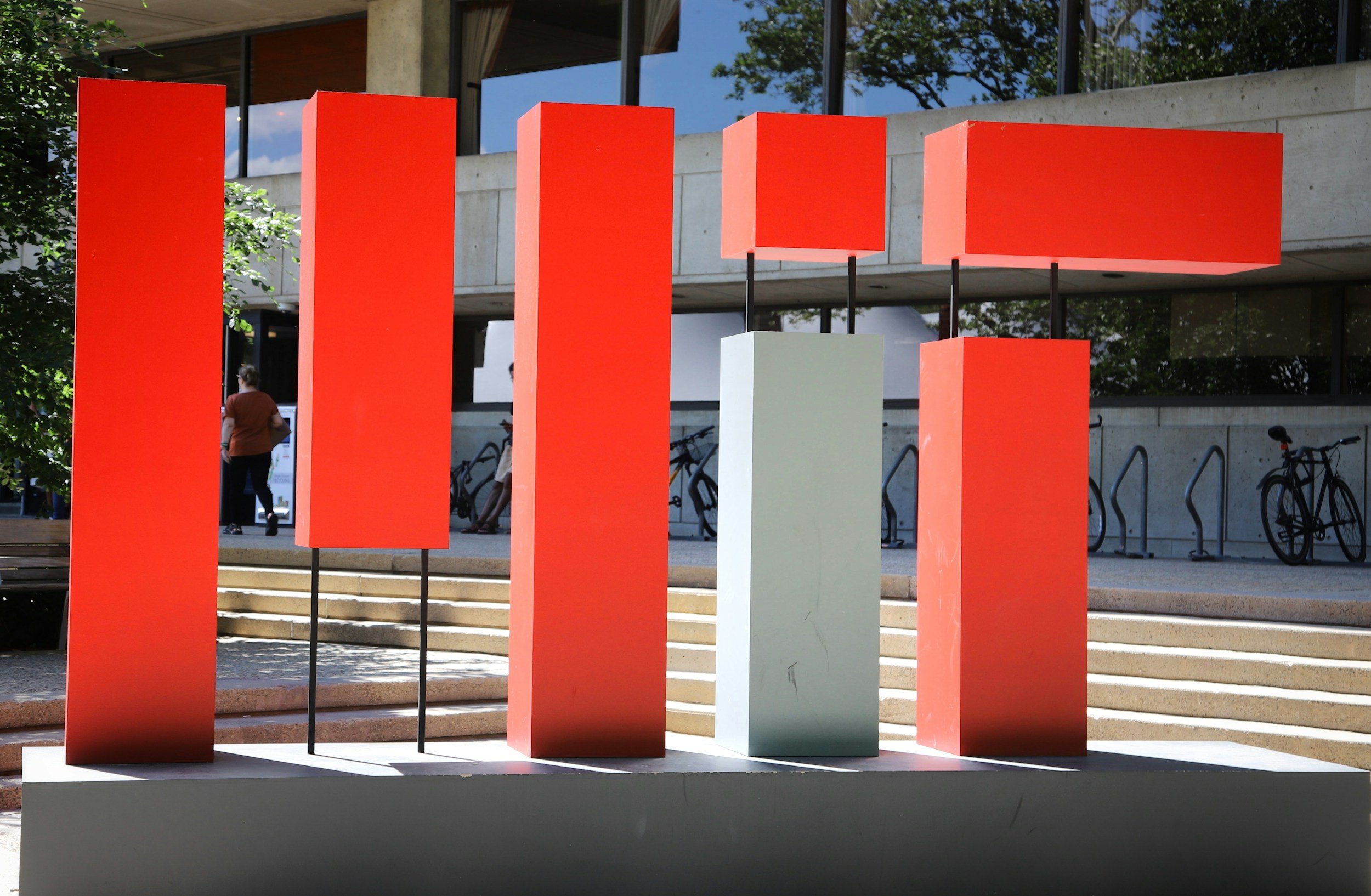
8. Massachusetts Institute of Technology
Acceptance rate: 4.6% (Class of 2029) Applicants: 29,281 | Admitted: 1,334
MIT admits a smaller raw number of students than most of its peer institutions, which keeps its acceptance rate firmly in the same ultra-selective range despite having a smaller total applicant pool than schools like Yale or Columbia. MIT reports this rate directly on its admissions statistics page.
7. University of Chicago
Acceptance rate: 4.48% (Fall 2024) Applicants: 43,612 | Admitted: 1,955 | Enrolled: 1,726
UChicago's yield is notably strong, with 1,726 enrolled out of 1,955 admitted. That is an enrollment rate most schools would envy. Combined with a large and growing applicant pool, it produces one of the tightest admissions funnels in the country.
6. Harvard University
Acceptance rate: 4.18% (Class of 2029) Applicants: 47,893 | Admitted: 2,003
Harvard has held near the top of this list for years. Just over 2,000 students were admitted from a pool approaching 48,000. The applicant pool is global, the brand is unmatched, and the class size is not expanding to meet demand.
5. Columbia University (Columbia College and Columbia Engineering)
Acceptance rate: 3.86% (Fall 2024) Applicants: 60,247 | Admitted: 2,325 | Enrolled: 1,483
Columbia has one of the largest applicant pools of any school on this list. Over 60,000 students applied for fewer than 2,400 spots. The CDS figures here cover Columbia College and Columbia Engineering specifically, which Columbia reports as a combined dataset.
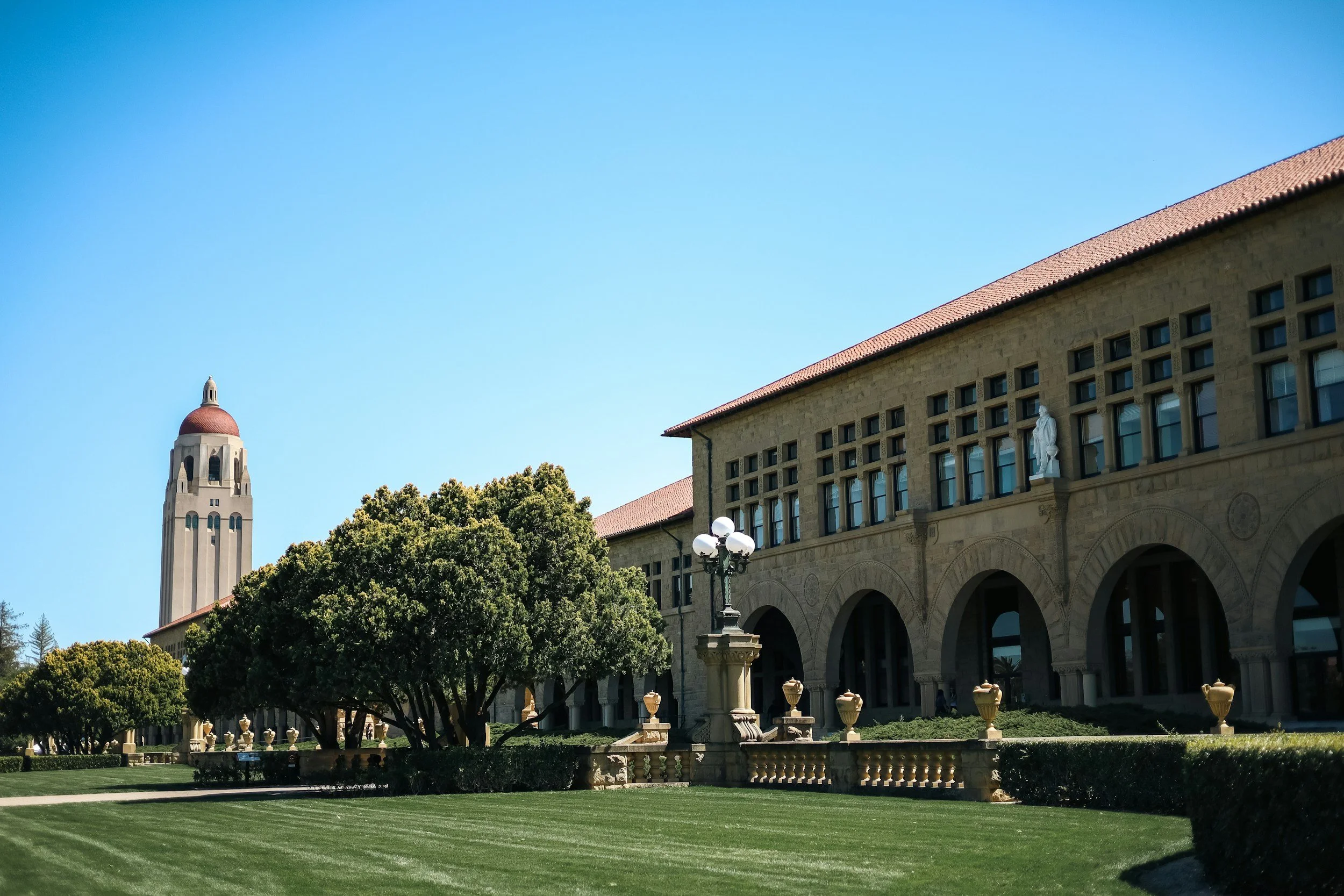
4. Stanford University
Acceptance rate: 3.61% Applicants: 57,326 | Admitted: 2,067 | Enrolled: 1,693
Stanford's acceptance rate sits well below 4%, driven by a massive applicant pool and a class size that has not grown proportionally with applicant demand. With over 57,000 applicants and just over 2,000 admitted, this is one of the most competitive admissions processes in American higher education.
3. Brown-RISD Dual Degree Program
Acceptance rate: 2.73% (Class of 2025) Applicants: 696 | Admitted: 19
This is where the list shifts from institution-wide programs to specialized subprograms. The Brown-RISD Dual Degree Program admitted just 19 students from a pool of 696 in the Class of 2025 admissions cycle. The cohort is structurally tiny, which means the acceptance rate is highly sensitive to even small changes in applicant volume. This is a program for students who are equally serious about a rigorous liberal arts education and a professional fine arts or design training, and the competition reflects that intensity.
2. California Institute of Technology
Acceptance rate: 2.57% (Fall 2024) Applicants: 13,856 | Admitted: 356 | Enrolled: 218
Caltech is the most selective institution-wide undergraduate admissions program in this dataset. Despite having a much smaller applicant pool than Stanford or Columbia, the admitted class is tiny at 356 students, and only 218 enrolled. Caltech is not trying to be a large institution, and that constraint makes it exceptionally difficult to get into.
1. Program in Liberal Medical Education (PLME), Brown University
Acceptance rate: 2.33% (Class of 2025) Applicants: 3,516 | Admitted: 82
The single most selective documented undergraduate program in this dataset is Brown's PLME, a combined eight-year BA/MD program. Eighty-two students were admitted from a pool of 3,516 in the Class of 2025 cycle. The selectivity here is a function of two compounding factors: a very small number of available seats and an applicant pool that is already self-selected toward students with serious pre-medical aspirations and strong academic records. If you are targeting the PLME, you are not just competing for Brown admission. You are competing for one of the most limited spots in American undergraduate education.
No matter how low the acceptance rate, if you want to take the first step toward maximizing your chances of getting into one of these programs or universities, schedule a free consultation with an admissions expert today.