Waitlisted from UCLA: What to Do

If UCLA just placed you on the waitlist, you are navigating the waitlist at the most applied-to university in the United States. UCLA received 145,086 first-year applications for the Class of 2029 and admitted 13,659, a 9.41% acceptance rate. The university enrolls approximately 6,500 first-year students annually. For the Fall 2026 cycle (Class of 2030), applications surged past 177,000. No other university in the country receives this volume of applications, and the scale of the operation shapes every dimension of the waitlist process.
UCLA's waitlist data is among the most encouraging in this series. The university has used its waitlist in every published year, and given its size, it is virtually certain to use it every year going forward. For the Class of 2029, 1,514 students were admitted from 13,612 who confirmed their waitlist spots, an 11.12% waitlist acceptance rate. For the Class of 2028, 1,211 were admitted from approximately 9,200 confirmed spots (13.17%). The historical range is wide: 2.16% for the Class of 2025 to 19.22% for the Class of 2024 (pandemic-inflated). But the absolute numbers are large. Even in the lowest recent year, over 200 students were admitted from the waitlist. In stronger years, the number exceeds 1,500. These are not token admissions. At UCLA's scale, the waitlist is a genuine enrollment management tool that moves substantively every year.
Opt In by April 15
UCLA requires you to opt in to the waitlist by April 15 through the My Application Status website. This is the same deadline as the other UC campuses and is earlier than the May 1 national deposit deadline. If you do not opt in by April 15, you will not be considered. Changes to the Waitlist Option form can be made until April 15, after which no further changes will be accepted.
Commit to Another School Before May 1
UCLA's waitlist consideration does not begin until after May 1, once the Statement of Intent to Register (SIR) deadline has passed. Deposit at another school. You can be on the waitlist at multiple UC campuses simultaneously. If UCLA later admits you and you choose to enroll, you withdraw your SIR from the other school (forfeiting the $250 deposit if it is another UC, or the deposit at a non-UC school).
Use the Waitlist Option Form to Provide Updates
UCLA is unique among UC campuses. It is the only UC school that allows waitlisted students to submit a written update. The Waitlist Option form includes space for you to "provide updates and additional information." This is your one opportunity to communicate directly with the admissions committee after the initial application, and you should use it.
However, the boundaries are strict: "To be fair to all applicants, additional materials (including letters of recommendation) cannot be accepted and will not be reviewed if sent." Do not email the admissions office. Do not send letters of recommendation. Do not mail supplemental materials. Do not have your counselor call. The Waitlist Option form is the only channel, and the update section within that form is the only place to write.
Write Your Update Statement
The update section on the Waitlist Option form is your LOCI. It is shorter than the 650-word letters recommended for private schools in this series. Keep it to approximately 200 to 300 words, concise and focused. Make it a love letter to UCLA. Not a brag sheet. Not a rehash of your original application. A statement that communicates what has changed since you applied, why UCLA remains your top choice, and how you will contribute to the campus community.
UCLA's identity is built on several distinctive pillars, and your update should engage with them directly.
The first is the breadth and depth of academic programs. UCLA offers over 130 undergraduate majors across five undergraduate divisions: the College of Letters and Science, the Henry Samueli School of Engineering and Applied Science, the School of the Arts and Architecture, the Herb Alpert School of Music, and the School of Nursing. The College of Letters and Science alone houses the vast majority of undergraduates and spans the humanities, social sciences, life sciences, and physical sciences. Waitlist movement at UCLA is major-specific: if fewer biology majors enroll than expected, the university may admit biology applicants from the waitlist. If engineering fills perfectly, engineering waitlisted students may see no movement. Your update should be anchored in your specific major and division.
The second is the research infrastructure. UCLA is one of the top research universities in the world, with over $1.7 billion in annual research expenditures. The university is home to Nobel laureates, members of the National Academies, and research centers spanning every field. For undergraduates, the Undergraduate Research Centers provide structured pathways into faculty-led research across the sciences, humanities, and social sciences. If research opportunities are part of what draws you to UCLA, name specific labs, programs, or faculty.
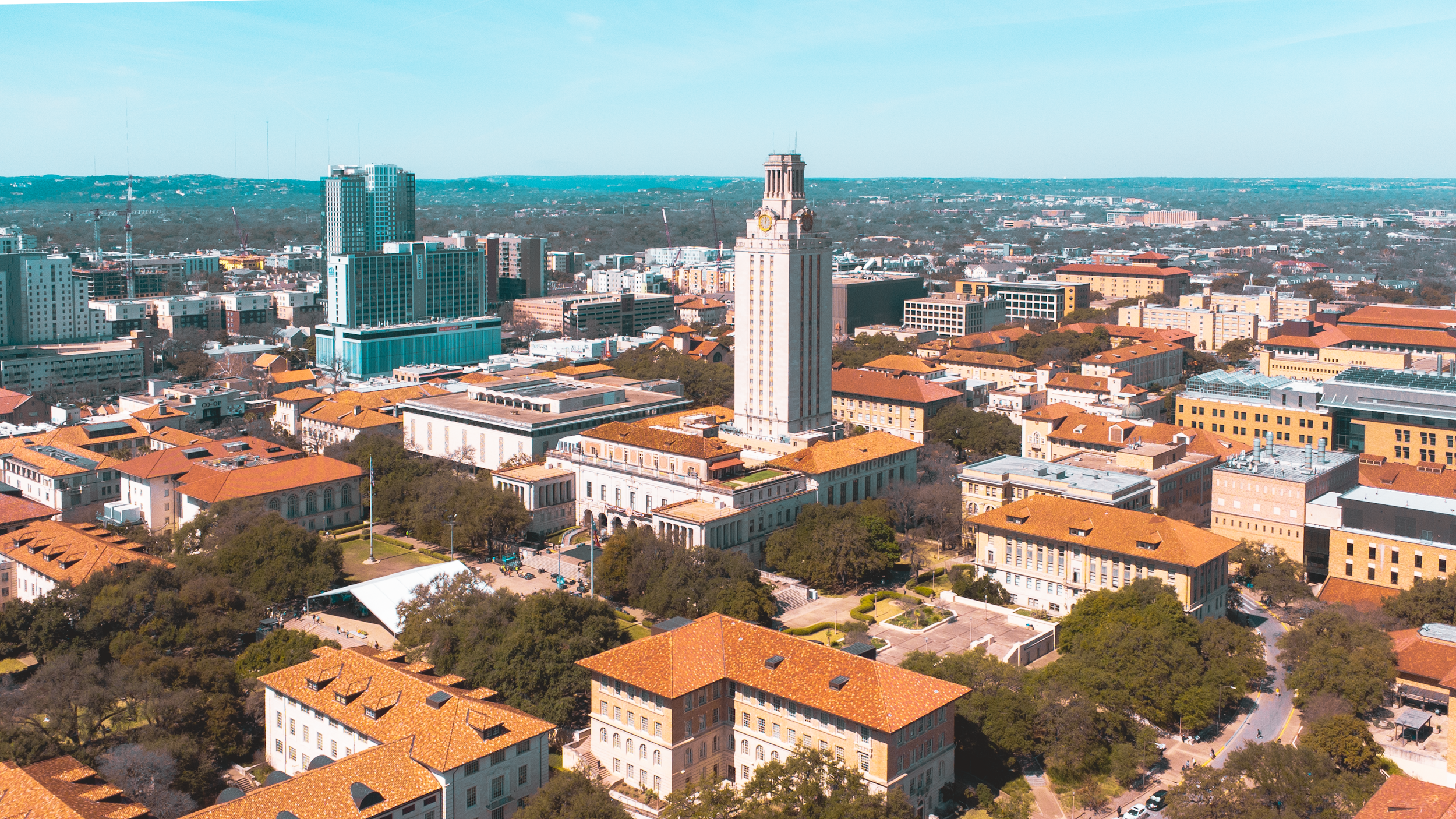
The third is Los Angeles itself. UCLA's campus sits in Westwood, on the west side of Los Angeles, minutes from the Pacific Ocean and embedded in one of the most dynamic metropolitan areas in the world. The entertainment industry, technology sector, healthcare systems (UCLA Health is one of the nation's leading academic medical centers), and creative economy of Los Angeles are accessible as internship and career pipelines in ways that few other campuses can offer. If LA-specific opportunities are part of your draw, connect them to your academic and professional plans.
The fourth is the campus culture and community. UCLA enrolls over 30,000 undergraduates and offers more than 1,000 student organizations, Division I athletics in the Big Ten Conference, a vibrant arts and performance scene, and a residential system that guarantees housing for four years. The scale is enormous, but the residential colleges, student organizations, and academic communities create smaller communities within the university. If specific communities, organizations, or cultural dimensions of UCLA draw you, name them.
The fifth is affordability as a public university. For California residents, UCLA's tuition is a fraction of the cost of private peer institutions, and the UC system's Blue and Gold Opportunity Plan covers tuition and fees for California residents with family incomes under $80,000. For out-of-state students, the cost is higher, but financial aid is available for those who qualify. If you applied for financial aid, make sure your FAFSA or California Dream Act application lists UCLA (school code 001315).
Do not repeat information from your original application. Focus on what is new and compelling since you submitted. Submit the form by April 15.
Do Not Send Any Additional Materials
This bears repeating because it contradicts the standard advice for private universities. UCLA explicitly states that additional materials, including letters of recommendation, cannot be accepted and will not be reviewed. Do not have your counselor call. Do not email the admissions office. Do not mail anything. The Waitlist Option form is the only channel. This policy is consistent across all UC campuses (except that UCLA is the only one that allows the written update at all).
The Waitlist Is Unranked and Major-Specific
UCLA does not rank its waitlist. However, the process is not random. Admissions decisions from the waitlist are driven by major-specific enrollment needs, high school and geographic representation, and institutional priorities for class composition. If fewer students than expected enroll in a particular major, the university admits waitlisted students who applied to that major. You cannot change your major on the waitlist to try to improve your odds. Your candidacy is evaluated in the context of the major you originally applied to.
If you'd like help maximizing your chances of getting off the waitlist and into your current top-choice colleges, schedule a free consultation with an admissions expert today.