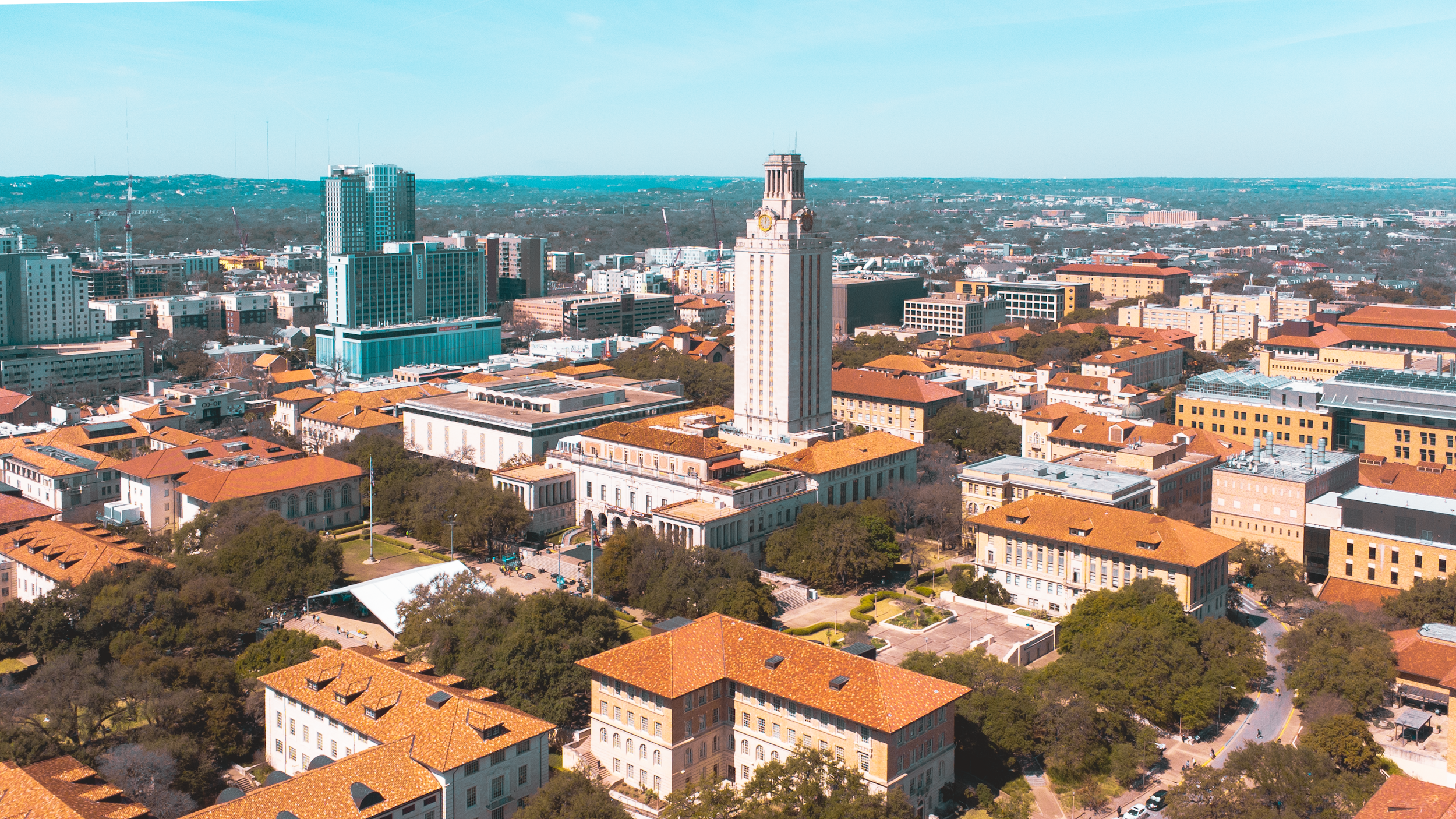
Boston College vs Boston University 2026
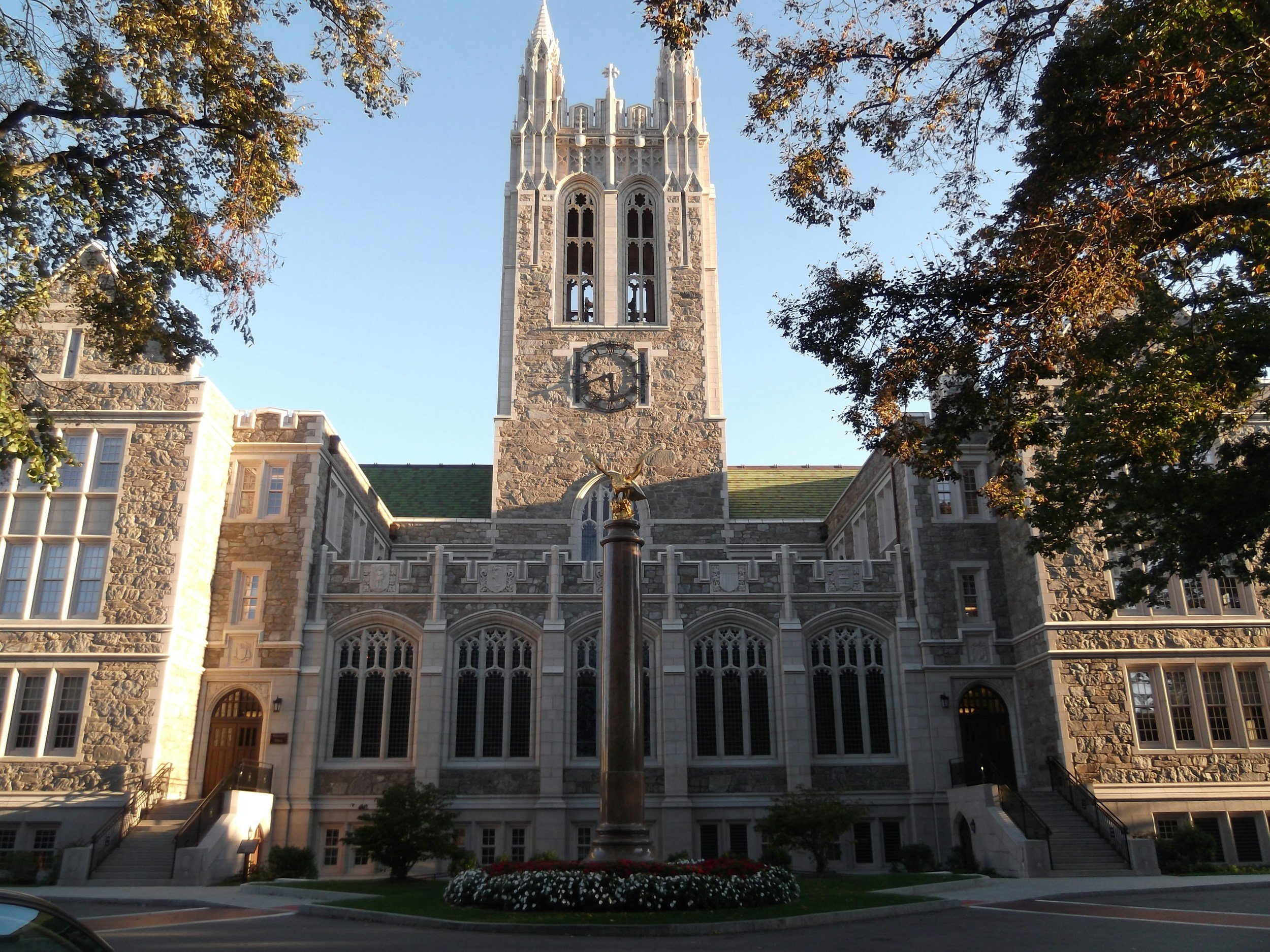
If you're deciding between Boston College and Boston University, you're not alone. Despite sharing "Boston" in their names and sitting just miles apart, these two universities offer fundamentally different experiences, and understanding those differences is crucial for making the right choice.
Boston College is a Jesuit, Catholic university with a required Core Curriculum and a traditional residential campus in Chestnut Hill. It's smaller, more selective per applicant, and yields students at a higher rate, signaling strong student commitment.
Boston University is a large, urban research university stretched along Commonwealth Avenue with 17 schools and colleges, no religious affiliation, and enormous research output. BU processes roughly double the applications BC receives, making it one of the nation's largest applicant pools.
Both schools have become more selective in recent years, both offer Early Decision programs with significant advantages, and both are test-optional through at least 2028.
Admissions Trends: Both Schools Getting More Selective
Overall Selectivity by Cycle
Fall 2022 Entry (Class of 2026):
Boston College: 40,494 applicants, 16.7% admit rate, 34.6% yield
Boston University: 80,796 applicants, 14.4% admit rate, 31.3% yield
Fall 2023 Entry (Class of 2027):
Boston College: 36,069 applicants, 15.7% admit rate, 41.4% yield
Boston University: 80,495 applicants, 10.8% admit rate, 36.0% yield
Fall 2024 Entry (Class of 2028):
Boston College: 34,779 applicants, 16.2% admit rate, 42.5% yield
Boston University: 78,769 applicants, 11.1% admit rate, 37.4% yield
Fall 2025 Entry (Class of 2029):
Boston College: 39,686 applicants, ~14% admit rate, 45% yield
Boston University: 76,779 applicants, 12.83% admit rate, yield not publicly reported
What This Tells You
Notice the pattern: Boston College's yield has climbed dramatically, from 35% to 45% over four cycles. This means students who get in are increasingly likely to say yes, signaling BC's growing desirability among admitted students.
Boston University's admit rate dropped sharply in Fall 2023 (from 14.4% to 10.8%) and has hovered around 11-13% since. Despite processing roughly 77,000-81,000 applications annually, nearly double BC's volume, BU maintains fierce selectivity.
The yield difference matters strategically. Higher yield means BC can admit fewer students to fill its class, which compounds selectivity. BU's lower yield means they must admit more students to hit enrollment targets, but the sheer volume of highly qualified applicants keeps standards extremely high.
Early Decision: Your Biggest Admissions Advantage
Both schools offer Early Decision I (typically November 1 deadline) and Early Decision II (typically early January deadline). Both are binding, if admitted, you must attend.
Early Decision Admit Rates vs Regular Decision
The ED advantage is massive at both schools. Here's what the data shows:
Fall 2022 Entry:
Boston College ED: 28.1% admit rate (1,246 admitted from 4,428 applicants)
Boston College non-ED: 15.3% admit rate (5,502 from 36,066)
Boston University ED: 25.3% admit rate (1,599 from 6,309)
Boston University non-ED: 13.4% admit rate (10,008 from 74,487)
Fall 2023 Entry:
Boston College ED: 30.1% admit rate (1,331 from 4,421)
Boston College non-ED: 13.6% admit rate (4,314 from 31,648)
Boston University ED: 26.1% admit rate (1,791 from 6,866)
Boston University non-ED: 9.4% admit rate (6,942 from 73,629)
Fall 2024 Entry:
Boston College ED: 33.4% admit rate (1,434 from 4,288)
Boston College non-ED: 13.8% admit rate (4,198 from 30,491)
Boston University ED: 28.2% admit rate (1,936 from 6,854)
Boston University non-ED: 9.5% admit rate (6,813 from 71,915)
The Strategic Reality
At both schools, your ED admit rate is roughly 2-3 times higher than Regular Decision. For the Fall 2024 cycle, BC's ED rate was 33.4% compared to just 13.8% non-ED. BU's ED rate was 28.2% versus 9.5% non-ED.
Boston University's Fall 2025 enrolled class tells the story even more clearly: 59% of enrolled students came through Early Decision, despite ED applicants representing only about 9% of the total applicant pool.
The takeaway: If either school is your clear first choice and you're comfortable with the financial commitment, applying ED dramatically improves your odds.
Test-Optional Policies: Both Schools, Different Timelines
Boston University's Commitment
BU has explicitly committed to remaining test-optional through Fall 2028/Spring 2029 admissions. This applies to all undergraduate schools and scholarship programs. Scores are considered if submitted but not required.
Boston College's Policy
BC adopted test-optional admissions during COVID (2020-2021 cycle) and has continued the policy through current cycles. Scores are not required but are considered if submitted. BC has not publicly announced an end date for test-optional admissions.
Score Profiles for Enrolled Students (Who Submitted)
Boston College Middle 50% Ranges:
Fall 2022: SAT 1450-1520 (34% submitted), ACT 33-35 (18% submitted)
Fall 2023: SAT 1450-1520 (28% submitted), ACT 33-34 (16% submitted)
Fall 2024: SAT 1460-1520 (30% submitted), ACT 33-35 (15% submitted)
Fall 2025: Average SAT 1471, Average ACT 34 (ranges not reported)
Boston University Middle 50% Ranges:
Fall 2022: SAT 1370-1480 (23% submitted), ACT 31-34 (12% submitted)
Fall 2023: SAT 1410-1500 (30% submitted), ACT 32-34 (10% submitted)
Fall 2024: SAT 1430-1510 (33% submitted), ACT 32-33 (10% submitted)
Fall 2025: Average SAT 1466, Average ACT 32 (ranges not reported)
What This Means for You
Notice that BC's score ranges sit slightly higher than BU's, but both are extremely competitive. Also observe that submission rates have been relatively low (28-34% for SAT at BC, 23-33% at BU in recent cycles), meaning most admitted students are getting in without test scores.
However, BC noted that "most admitted students" submitted scores for the Class of 2029, suggesting a potential shift. The strategic question: if you have strong scores (1450+ SAT, 33+ ACT), submitting likely helps. If you're below these ranges, test-optional policies genuinely protect you.
Academic Structure: Core Curriculum vs Hub Requirements
This might be the most consequential difference between the two schools.
Boston College's Required Core Curriculum
BC requires all undergraduates to complete a 15-course Core Curriculum regardless of major. This includes:
Two Theology courses
Two Philosophy courses
Requirements across Arts, Cultural Diversity, History, Literature, Math, Natural Science, Social Science, and Writing
This is a traditional liberal arts core in the Jesuit tradition. If you're a STEM student, you'll still take Theology and Philosophy. If you're a business major, you'll still fulfill extensive liberal arts requirements.
Boston University's BU Hub
BU uses the Hub, a general education framework that emphasizes skills and capacities rather than specific required courses. The Hub allows you to satisfy requirements across many different courses and schools, it's more flexible and less prescriptive than BC's Core.
BU describes 17 schools and colleges and more than 300 programs of study, compared to BC's four undergraduate divisions (Morrissey College of Arts & Sciences, Carroll School of Management, Connell School of Nursing, and Lynch School of Education and Human Development).
The Strategic Question
Do you want a shared intellectual experience with defined courses everyone takes? BC's Core creates that. Do you want maximum flexibility to explore across a vast university? BU's Hub and school structure delivers that.
Neither is better, they're serving different educational philosophies.
Campus Location and Culture
Boston College: Chestnut Hill
BC's campus sits in Chestnut Hill, about six miles west of downtown Boston. The address is 140 Commonwealth Avenue, Chestnut Hill, MA 02467. Strategic planning materials describe roughly 240 acres and approximately 14,000 students.
The campus is residential, traditional, and set apart from the densest urban grid. Students consistently describe a strong campus community feel and a focus on undergraduate formation.
Boston University: The Commonwealth Avenue Corridor
BU's identity is intensely urban. The campus stretches along a roughly 1.5-mile Commonwealth Avenue corridor, what BU calls a "linear campus." The admissions address is 233 Bay State Road. BU reports 140 acres and 343 buildings spread along this urban spine.
This is not a traditional quad-and-gates campus. You're embedded in the city, with Boston's transit and street life integrated into daily student experience.
The Cultural Divide
BC is explicitly Jesuit and Catholic. This appears throughout institutional communications, class profile messaging emphasizing "cura personalis" (care for the whole person), and the Core Curriculum's Theology/Philosophy requirements.
BU is a private not-for-profit institution with no religious affiliation. While it has historical denominational origins, its modern identity is secular, research-intensive, and urban.
BC reports 31 varsity teams and 314 student clubs. BU emphasizes its scale: 17 schools, massive research output, and a large international student population.
Research Intensity and Institutional Priorities
By the numbers, BU operates on a completely different research scale:
BU: $554 million in research expenditures and $645.6 million in sponsored research awards
BC: $79 million in sponsored research grants
This doesn't mean BC lacks research, it means the institutions have different core identities. BU is a major research university where faculty research output is central to institutional mission. BC emphasizes formation, teaching, and a core-driven undergraduate experience.
For undergraduates, this translates to: BU likely offers more research opportunities in sheer volume and breadth (especially for STEM students), while BC offers a more teaching-focused, formation-centered experience.
Student Demographics and Class Composition
Boston College Class of 2029 (Fall 2025 Entry)
2,479 enrolled first-year students
35% AHANA students (enrolled), 8% international (enrolled)
9% international citizens, 12% first-generation (among admitted students)
95% in top 10% of high school class
48% male / 52% female
Students from 77 countries
Boston University Class of 2029 (Fall 2025 Entry)
3,450 enrolled first-year students
59% enrolled via Early Decision, 41% via Regular Decision
24% Pell Grant recipients
20% first-generation
58.2% students of color
21% international
Notice BU's larger class size (3,450 vs 2,479) and significantly higher international representation (21% vs 8%). BU also reports notably higher Pell Grant representation (24% vs no comparable BC figure published), suggesting stronger socioeconomic diversity.
Cost of Attendance
Both schools show steep cost increases over the analyzed period. Here are first-year undergraduate published costs:
2024-2025 Academic Year
Boston College:
Tuition: $72,180
Required fees: $1,328
On-campus housing and food: $19,290
Total: $92,798
Boston University:
Tuition: $66,670
Required fees: $1,432
Room and board: $19,020
Total: $87,122
BC's sticker price runs about $5,600 higher than BU's for 2024-2025, though both schools offer substantial financial aid. BC reports 67% of undergraduates receive financial aid totaling $190 million.
Keep in mind these are sticker prices, your actual cost depends entirely on financial aid packages. Both schools meet demonstrated need for admitted students, though definitions of "need" and package composition (grants vs loans) vary.
Timeline: When to Apply
Both schools offer the same Early Decision structure:
Early Decision I:
Deadline: Approximately November 1
Decisions: Mid-December
Binding commitment required
Early Decision II:
Deadline: Early January
Decisions: Mid-February
Binding commitment required
Regular Decision:
Deadline: Typically early January
Decisions: Late March/early April
Enrollment deposit deadline: May 1 (for Regular Decision admits; ED admits commit upon acceptance)
Making Your Decision
Here's the strategic framework:
Choose Boston College if you want:
A required Core Curriculum with Theology and Philosophy
A Jesuit/Catholic educational philosophy and campus culture
A traditional, residential campus set somewhat apart from urban density
A smaller undergraduate community (around 9,500 undergrads)
Slightly higher test score ranges among peer students
Choose Boston University if you want:
Maximum flexibility across 17 schools and 300+ programs
An intensely urban campus experience embedded in Boston
Access to massive research infrastructure and output
A larger, more internationally diverse student body
Explicit test-optional commitments through Fall 2028
Both schools offer:
Sub-15% Regular Decision admit rates
Massive Early Decision advantages (2-3x higher admit rates)
Test-optional admissions with strong score profiles among submitters
Excellent Boston-area location and opportunities
Rising selectivity and strong post-graduation outcomes
If you want to learn what you can do right now to optimize your application for either Boston College or Boston University, schedule a free consultation with an admissions expert today.