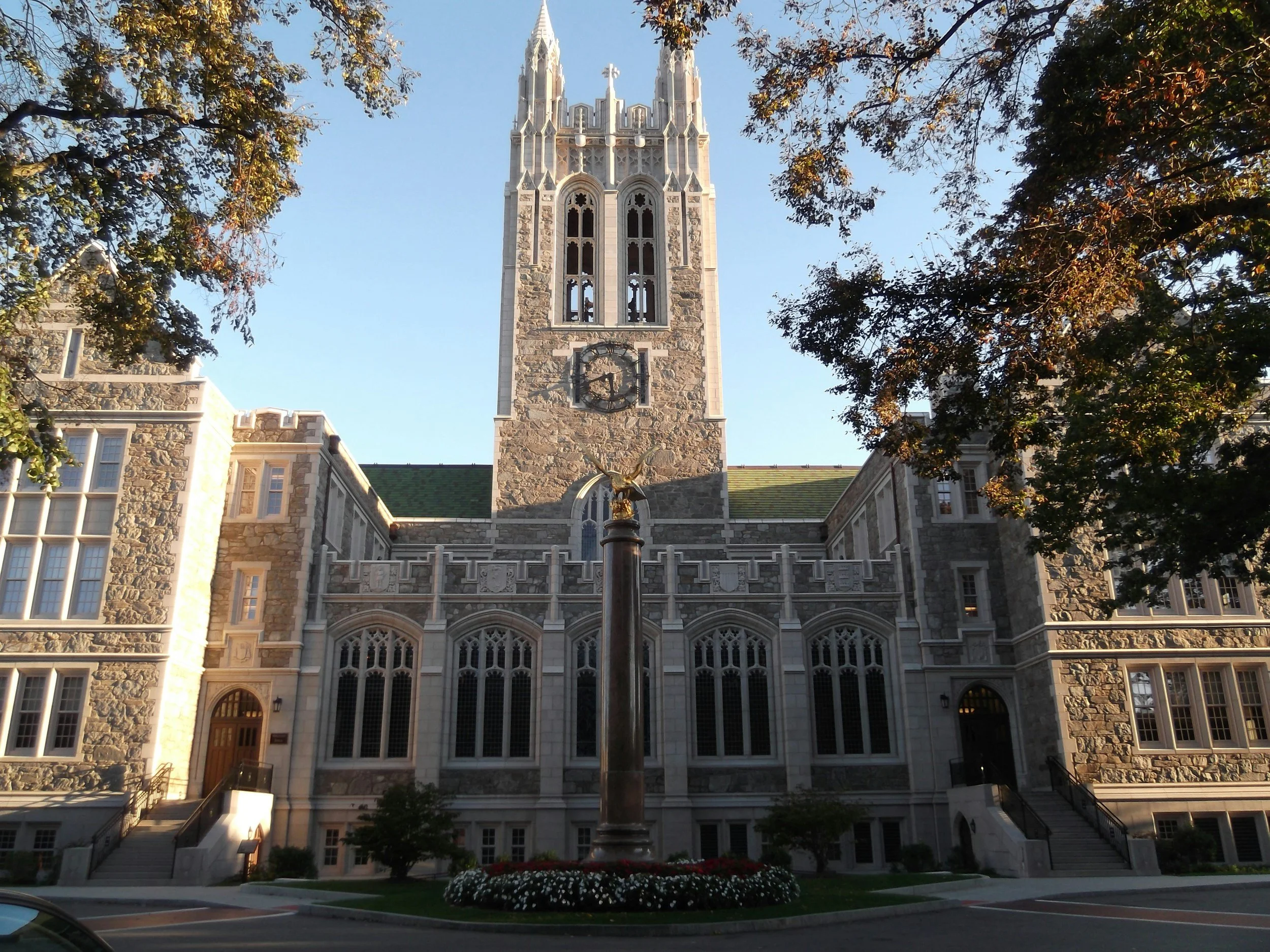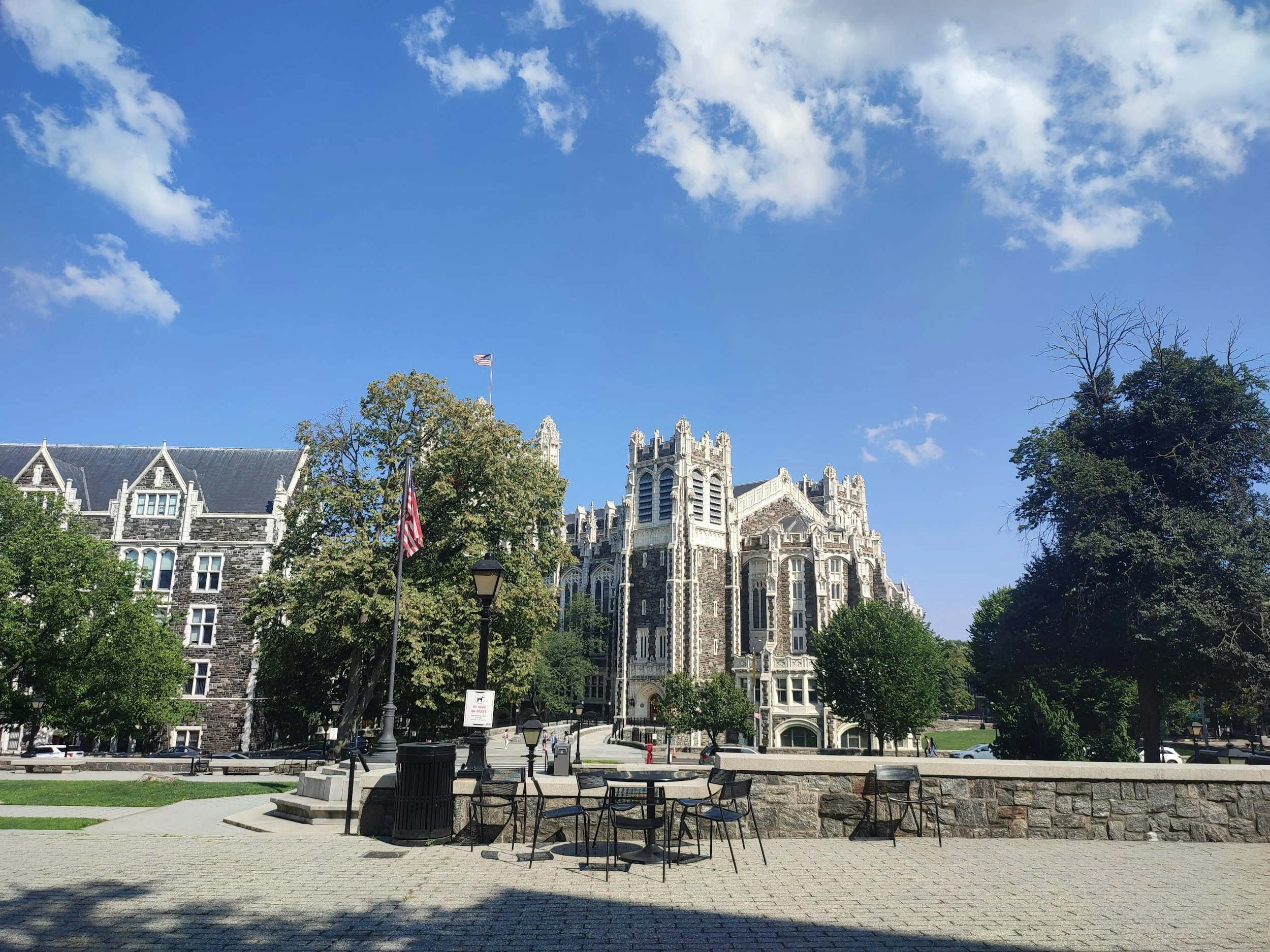
Harvard vs Swarthmore 2026
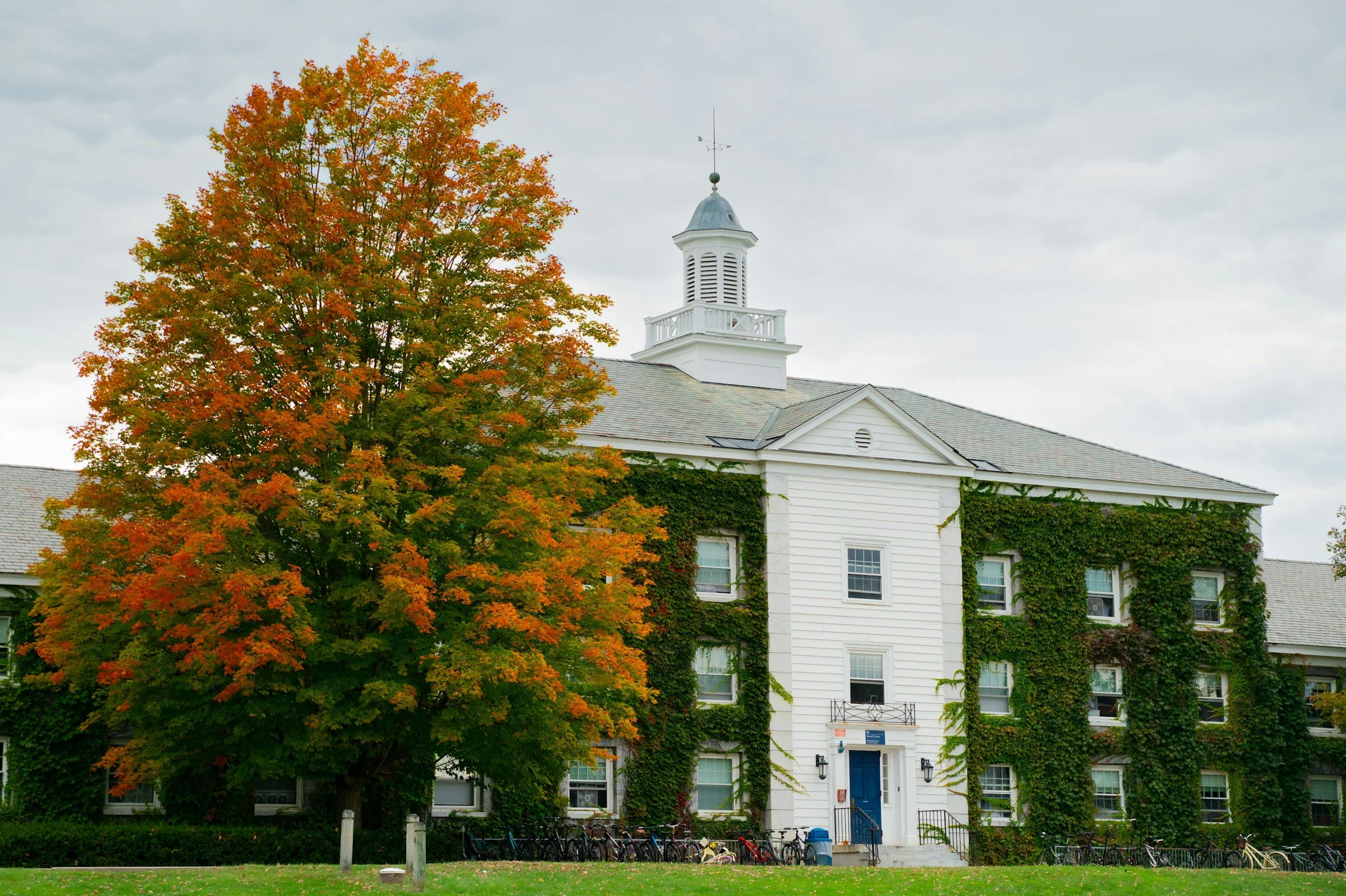
If you are trying to decide between Harvard and Swarthmore, you are probably already an exceptional student. Both schools are brutally selective, both have legitimate claims to academic prestige, and both will challenge you in ways you cannot fully anticipate before you arrive. But they are not interchangeable. They serve different students, operate on different scales, and produce different kinds of experiences. This article breaks down the key differences so you can figure out which one actually fits you.
Admissions Selectivity
Let's start with the numbers, because they matter for your strategy.
Harvard's overall acceptance rate for the Class of 2029 was approximately 4.18 percent, with 2,003 students admitted out of 47,893 applicants. That is actually a slight uptick from recent cycles, largely because total applications fell from a peak of 61,449 for the Class of 2026. Harvard's early action admit rates over the past several cycles have generally come in between 7 and 9 percent, which is meaningfully higher than the overall rate, though that early advantage is partly explained by recruited athletes, legacies, and other structured institutional pipelines rather than purely self-selection.
Swarthmore is more selective than most people outside the admissions world realize. For the Class of 2028, 975 students were admitted out of 13,065 applicants, for an overall acceptance rate of about 7.46 percent. Swarthmore's early decision admit rates have hovered in the 18 to 23 percent range in recent cycles, but when you back out the ED admits and compute the non-ED pool separately, the regular decision rate drops to roughly 5.8 to 6.4 percent. In other words, applying ED to Swarthmore provides a real and measurable advantage, while the regular pool is nearly as competitive as Harvard on a straight percentage basis.
For the Class of 2030, Swarthmore admitted 231 students out of 1,249 ED applicants (18.49 percent) in the early round, with regular decisions scheduled for April 1, 2026.
Early Application Policy
This is one of the most important structural differences between the two schools, and you need to understand it before you plan your application timeline.
Harvard uses Restrictive Early Action. That means applying early to Harvard is nonbinding, you are not committed to enroll if admitted, but it does restrict you from applying early to most other private schools. You can still apply to public schools early and to certain international institutions, but Harvard REA effectively makes Harvard your one early shot among private universities. Decisions come out in mid-December, with a regular decision deadline of January 1 and notifications in late March.
Swarthmore uses binding Early Decision, with two rounds. ED I has a deadline around November 15, and ED II has a deadline in early January. If Swarthmore admits you under either ED round, you are committed to enroll and must withdraw your applications at other schools. The only standard exception is a financial aid package you genuinely cannot afford. Regular decision notifications for the Class of 2030 are set for April 1.
What this means practically: if Harvard is your top choice, you will likely use your REA application there and apply to Swarthmore in the regular round (or not at all as an ED candidate). If Swarthmore is genuinely your first choice and you have done the financial math, applying ED gives you a statistically significant advantage.
Standardized Testing
The two schools have taken divergent paths on testing policy.
Harvard returned to requiring standardized test scores starting with the Class of 2029, making it the first Harvard class since the Class of 2023 to require them. Harvard does specify alternatives for students where the SAT and ACT are genuinely inaccessible, such as AP scores, IB results, or international leaving examinations, but the general expectation is that you submit. Among submitters in recent entering classes, Harvard's score distributions are exactly what you would expect: SAT EBRW in the 730 to 780 range (25th to 75th percentile), SAT Math in the 750 to 800 range, and ACT composites running 33 to 36.
Swarthmore, by contrast, has committed to maintaining its test-optional policy for at least another five years. A substantial share of enrolled students do not submit scores at all. For the Class of 2029, 171 enrolled students submitted SAT scores and 63 submitted ACT scores, meaning roughly 45 percent of the class did not submit any standardized test results. For the Class of 2028, SAT score percentiles among submitters were 1500 to 1550 composite (25th to 75th). The caveat worth noting is that test-optional score distributions reflect only students who chose to submit, and higher scorers are more likely to submit, so these numbers skew upward relative to the full class.
Location and Campus Life
Harvard is embedded in Cambridge, Massachusetts, directly across the Charles River from Boston. The Red Line runs through Harvard Square and puts you minutes from downtown Boston, meaning the city is genuinely accessible rather than theoretical. The campus is urban in character, and the broader Boston metro area gives you access to a dense ecosystem of internships, research institutions, cultural venues, and professional networks.
Swarthmore is a classic suburban liberal arts campus located in Swarthmore, Pennsylvania. Philadelphia is accessible via SEPTA's Media/Wawa regional rail line in about 25 minutes from 30th Street Station to Swarthmore station, and the college is approximately 30 minutes by car from Center City. The campus itself has a contained, small-town feel that is part of the appeal for students who want to avoid the diffusion of a major urban environment.
These are not just aesthetic differences. Where you live shapes what you do outside the classroom, who you meet, and what kind of network you build. If urban energy and constant external stimulation are important to you, Harvard's location is a genuine asset. If you want a tight-knit campus where the community is the primary social world, Swarthmore's setup delivers that.
Residential Life and Social Culture
Harvard's undergraduate experience is organized around 12 upperclass residential Houses plus the Dudley Community. Each House accommodates roughly 350 to 500 students and functions as a community within the larger university. This structure is designed to make a large research university feel manageable at the social level, and it largely succeeds, though navigating the broader Harvard environment still requires intentionality, especially for first-generation and low-income students who may find the high-achievement social landscape harder to read.
Swarthmore, with a total undergraduate enrollment under 1,700, is a different social universe. The campus is small enough that your peer behavior is visible in a way it simply is not at Harvard. Students and recent graduates consistently describe the social scene as small and relatively quiet, with the campus skewing politically liberal. The intensity of the academic environment is a constant theme in student accounts: Swarthmore has a reputation for genuine grade deflation and demanding workloads, and the "study, sleep, or party, pick two" framing you will encounter repeatedly in student discussions is not an exaggeration.
Academics and Curriculum
Harvard requires an expository writing course, a language requirement, and four General Education requirements distributed across the curriculum. The scale of the university means you have access to virtually every discipline, and the research infrastructure is unparalleled. The residential House system integrates social and intellectual life in ways that can be genuinely enriching if you engage with it actively.
Swarthmore operates on a 32-credit graduation framework and requires students to complete at least three courses in each of the college's three academic divisions, plus at least 20 credits outside a single major. One of Swarthmore's most distinctive features is its Honors Program, which constitutes roughly half of a student's academic work in junior and senior year and culminates in external examinations conducted by scholars from other institutions. It is a rigorous, uncommon structure that serious students should research carefully.
On the question of academic ecosystem breadth, Swarthmore compensates for its small size through its Tri-College Consortium with Bryn Mawr and Haverford, plus cross-registration access to the University of Pennsylvania. This gives you meaningful course access beyond what Swarthmore's faculty alone can offer, which is an important counterweight to the small-school constraints.
Which School Should You Choose?
If your goal is to maximize institutional brand recognition, research access, and network breadth across every professional field, Harvard wins by scale and prestige alone. Its global name recognition is unmatched, and the concentration of high-achieving peers, faculty, and alumni in every discipline is genuinely extraordinary.
But Swarthmore earns its reputation for producing intellectually serious, academically driven graduates in a way that Harvard's large-scale environment cannot fully replicate. If you want intensive seminar-style learning, a rigorous Honors track, and a community where ideas are taken seriously by everyone around you, Swarthmore can match or exceed what Harvard offers at the classroom level for many students. The tradeoff is a smaller social world, a suburban setting, and less global brand leverage in certain professional fields.
The honest answer is that these schools serve different students. If you want help thinking through which one is the right fit for your profile and your goals, we work with students on exactly these decisions every day.
If you want to learn what you can do right now to optimize your application for either Harvard or Swarthmore, schedule a free consultation with an admissions expert today.