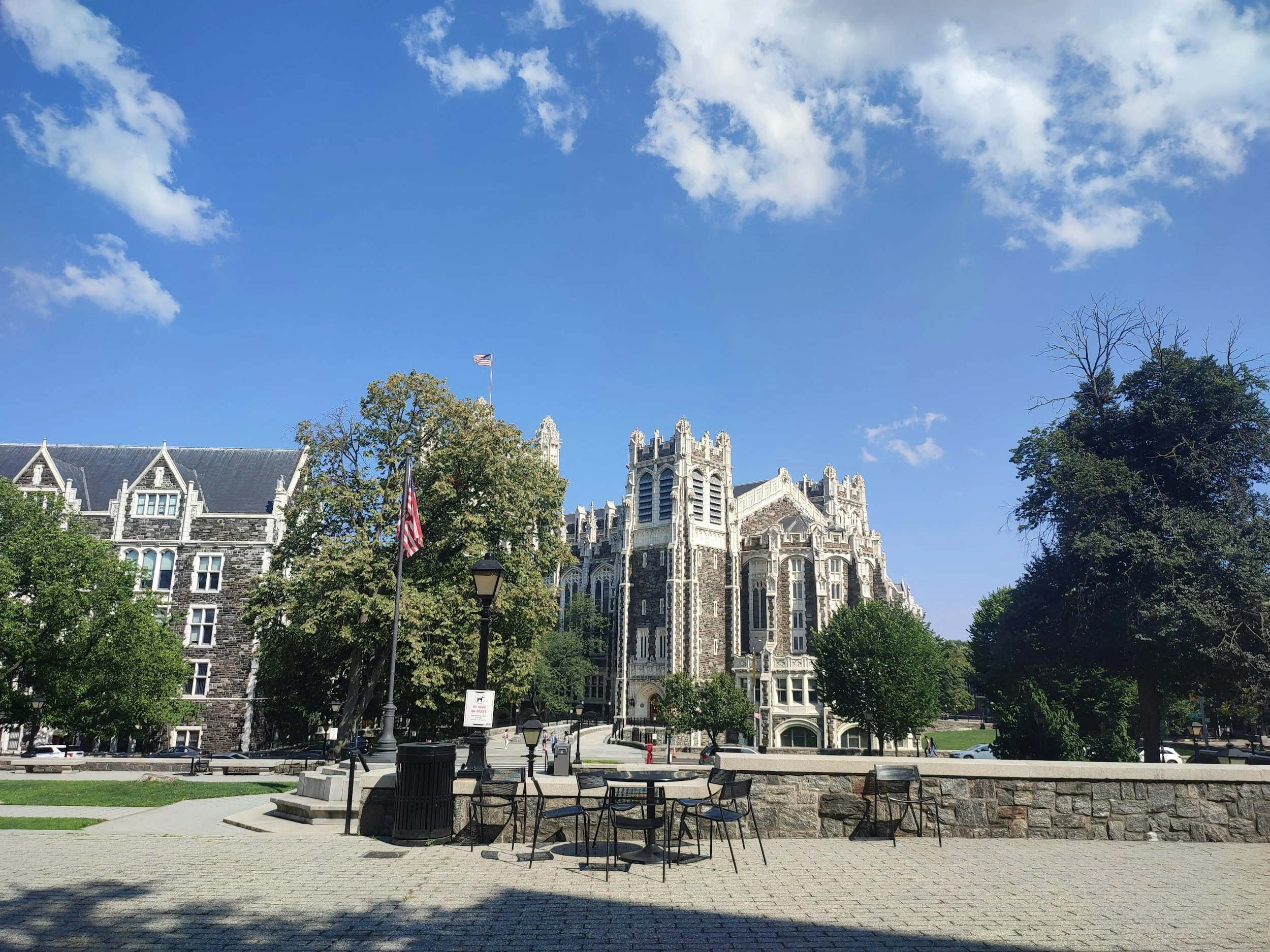
Waitlisted from Carleton College: What to Do

If Carleton College just placed you on the waitlist, you are competing for a spot in one of the smallest and most intellectually distinctive incoming classes in American higher education. Carleton enrolls roughly 510 first-year students each year. That is roughly the same size as Pomona, smaller than most Ivy League classes by a factor of three, and small enough that every waitlist admit is a deliberate choice about who the community needs.
Here are the numbers. For the most recent cycle with published data (the 2024-2025 Common Data Set, reflecting the Class of 2029), Carleton placed 573 students on the waitlist. Of those who accepted, 52 were ultimately admitted, a waitlist acceptance rate of approximately 9%. The year before, for the Class of 2028, 35 were admitted from 782 waitlisted, a rate of about 4.4%. The year before that, roughly 2.2%. And for the Class of 2025, the rate was just 0.8%.
The trend line is moving in your favor. The waitlist acceptance rate has climbed from under 1% four years ago to 9% in the most recent cycle. But the absolute numbers are still small: 52 admits in the best recent year, 35 the year before. At a school building a class of 510, those numbers represent meaningful movement, but they are not the hundreds of admits you see at larger institutions. Every seat that opens on the waitlist is contested.
Accept Your Spot on the Waitlist
Carleton requires you to actively confirm your spot on the waitlist through your applicant portal. If you do not confirm, you will be removed from consideration. The waitlist is not ranked. If spots open, Carleton will reconsider all confirmed waitlisted students based on a variety of factors, including the composition and needs of the incoming class.
Commit to Another School Before May 1
Submit your deposit at another school and start investing in that decision. Carleton may not begin admitting from the waitlist until after May 1, and the process can extend into the summer. You need a school where you will be excited to enroll if Carleton does not come through.
If Carleton later admits you from the waitlist, you can accept, withdraw from the other institution, and forfeit the earlier deposit.
Write a Letter of Continued Interest
Carleton does not prohibit waitlisted students from updating the admissions office with new achievements or expressions of continued interest. Multiple sources confirm that waitlisted applicants are welcome to contact admissions with updates and new information. This is your opportunity to write a letter of continued interest, and at a school where 52 spots separated the waitlisted students who got in from those who did not, this letter may be the most consequential piece of writing in your entire application process.
Write up to 650 words and upload it through your applicant portal or email it to the admissions office. Make it a love letter to Carleton. Not a brag sheet. Not a resume update. Not a list of other schools that admitted you. A letter that makes the reader understand exactly who you will be in the Carleton community and why this specific college, in this specific place, with this specific culture, is where you belong.
Carleton's identity is built on several distinctive pillars, and your letter should engage with them directly.
The first is the trimester system and the intellectual culture it creates. Carleton operates on a trimester calendar of three 10-week terms, which means students take fewer courses at a time but move through them at an intense, immersive pace. The trimester system rewards intellectual curiosity and a willingness to go deep rather than wide. If the idea of spending ten focused weeks on three subjects, then pivoting to three entirely different subjects, appeals to how you think and learn, say so. The trimester is not just a scheduling quirk. It shapes the entire rhythm of academic life at Carleton in a way that is fundamentally different from a semester system.
The second is Carleton's extraordinary strength as a launching pad for graduate study and research careers. Carleton is one of the top 10 STEM PhD-producing colleges in the country, a remarkable distinction for a liberal arts college of 2,000 students with no graduate programs. If your academic trajectory is pointed toward research, whether in the sciences, social sciences, or humanities, Carleton's track record of placing students in doctoral programs is not a generic selling point. It is a concrete indicator of the kind of mentorship and undergraduate research culture you will experience. Name specific departments, faculty, or research opportunities that connect to your interests.
The third is the size and intimacy of the community. Carleton has approximately 2,000 undergraduates and no graduate students, producing a student-faculty ratio that allows for genuine intellectual relationships with professors. There is no Greek life. The social life revolves around residence halls, student organizations, and the kind of organic, unscripted community that forms when 2,000 curious people live and study together in a small Minnesota town. If the close-knit residential experience matters to you, ground your description in specifics rather than generic praise. Reference particular traditions, organizations, or aspects of campus culture that resonate with who you are.
The fourth is the setting itself. Carleton is in Northfield, Minnesota, a small college town about 40 miles south of Minneapolis-St. Paul. The 1,040-acre campus includes the Cowling Arboretum, 880 acres of restored prairie, woodland, and wetland that serves as a living laboratory for environmental science, biology, and geology students. If the natural environment is meaningful to your academic interests or your sense of place, the Arb is not just a scenic backdrop. It is a genuine academic resource that faculty and students use regularly. If you are drawn to Carleton in part because of its environmental orientation or its commitment to sustainability, connect that to your own work and interests.
Do not brag. Do not list your accomplishments. If there are genuinely significant new developments since your application, include them briefly as context, but the heart of your letter must be the portrait you paint of yourself in the Carleton community. Show the admissions committee what your four years would look like in concrete terms: which courses, which departments, which research questions, which campus spaces, which traditions.
Submit the letter promptly. The primacy effect matters.
Have Your Guidance Counselor Make an Advocacy Call
After your letter is submitted, your guidance counselor should contact the admissions office to communicate that Carleton is your top choice and that you will enroll if admitted. At a school this small, individual advocacy matters. Third-party confirmation that your interest is genuine carries weight when the committee is deciding which of 573 waitlisted students to offer 52 spots.
Keep Your Grades Up
Carleton's enrolled class has an average unweighted GPA near 3.9, and the middle 50% SAT range is 1470 to 1540. The academic bar is high. A dip in your senior year grades can remove you from contention, especially at a school that values intellectual seriousness as deeply as Carleton does.
If you'd like help maximizing your chances of getting off the waitlist and into your current top-choice colleges, schedule a free consultation with an admissions expert today.