Waitlisted from Columbia: What to Do

If Columbia University just placed you on the waitlist, you are navigating the waitlist at the Ivy League's most opaque institution when it comes to admissions data and one of the most selective universities in the country. Columbia received 59,616 applications for the Class of 2029 and initially admitted 2,557 students (4.29%), later increasing the number to 2,946 (4.94%) as the admissions process continued. The university enrolls roughly 1,500 students per year in Columbia College and the Fu Foundation School of Engineering and Applied Science (SEAS) combined. The Regular Decision acceptance rate for the Class of 2028 was 2.82%, with 13.23% admitted through Early Decision. The yield rate has hovered around 64% in recent years.
Columbia's waitlist data is the most limited of any school in this series. The university historically did not complete the Common Data Set, the standardized reporting tool that nearly every other elite institution uses to disclose waitlist figures, application counts, and other key statistics. Columbia was caught misreporting data to U.S. News & World Report in 2022, leading to a rankings scandal and a subsequent effort to rebuild data transparency. The university has since resumed publishing some admissions data, but waitlist-specific figures (how many students are offered the waitlist, how many accept, how many are admitted) remain unavailable. Estimates based on peer Ivy League institutions suggest a waitlist acceptance rate of approximately 4% or lower, but this is conjecture. What we do know is that the waitlist is active, the admissions committee does use it, and the university explicitly encourages waitlisted students to take action.
Accept Your Place on the Waitlist
Columbia requires you to confirm your interest in remaining on the waitlist. Respond promptly through your applicant portal. If you do not confirm, you will not be considered when spots open. The waitlist is unranked. Admissions officers select waitlisted students based on the needs of the incoming class, including academic interests and class composition goals.
Commit to Another School Before May 1
Deposit at another school. Columbia's waitlist activity typically begins after May 1 and can continue into July. Do not leave yourself without a seat in a first-year class.
Write a Letter of Continued Interest
Columbia is explicit about what it wants from waitlisted students. The university states: "We encourage students to submit an additional one-page statement expressing interest in the waitlist. Additional submissions, including extra letters of recommendation, are discouraged by the Committee on Admissions." This is a clear directive: one statement, one page, no extra recommendations. Submit your LOCI through the applicant portal. Keep it to one page, which means approximately 400 to 500 words. Make it a love letter to Columbia. Not a brag sheet. Not a resume update. Not a list of other schools that admitted you. A letter that makes the reader understand exactly who you will be in the Columbia community and why this specific university, with its specific academic philosophy and setting, is where you belong.
Columbia's identity is built on several distinctive pillars, and your letter should engage with them directly.
The first and most academically distinctive is the Core Curriculum. Columbia College's Core is the most famous and most rigorous general education program at any American university. Literature Humanities, Contemporary Civilization, Art Humanities, Music Humanities, Frontiers of Science, and University Writing form a shared intellectual foundation that every Columbia College student completes, regardless of major. The Core is not a distribution requirement that you satisfy by choosing from a menu. It is a set of specific courses that all students take together, engaging with primary texts from Homer and Plato through Toni Morrison and Frantz Fanon in small seminar settings. No other university in the Ivy League has a program like it. The Core is the academic heart of Columbia College, and the student who can articulate why this shared intellectual experience, this commitment to reading the same texts and debating the same ideas with every other student in the college, is philosophically important to how they want to learn is the student the Core was built for. If you applied to SEAS rather than Columbia College, note that SEAS students take a modified version of the Core and your LOCI should address the engineering curriculum specifically while acknowledging the intellectual culture the Core creates across both schools.
The second is New York City. Columbia's campus sits in Morningside Heights on the Upper West Side of Manhattan, and the relationship between the university and the city is the most distinctive feature of any school in this series. New York is not an amenity. It is an academic resource. Wall Street, the United Nations, the Metropolitan Museum of Art, Lincoln Center, Broadway, the publishing industry, media companies, technology startups, hospitals, law firms, nonprofits, and every imaginable professional ecosystem are accessible by subway. Columbia's more than 100 research centers and institutes, including the Earth Institute, the Data Science Institute, and the Eugene Lang Entrepreneurship Center, leverage New York's resources in ways that are structurally impossible at a campus in a small town. If New York-specific career, research, cultural, or personal opportunities are part of what draws you to Columbia, connect them to your specific plans. Be specific. Every applicant says they love New York. The student who can name the specific lab, gallery, neighborhood, organization, or professional pathway that New York makes accessible is the one who stands out.
The third is the two-school undergraduate structure. Columbia admits students to either Columbia College (the liberal arts college) or SEAS (the engineering school). The two schools share a campus, many courses, and the broader Columbia community, but they have different curricula, degree requirements, and academic cultures. Your LOCI should be anchored in whichever school you applied to. If you applied to SEAS, name specific engineering programs, labs, or faculty. If you applied to Columbia College, engage with the Core and the liberal arts tradition.
The fourth is the research infrastructure. Columbia is a top-five research university with annual research expenditures exceeding $1 billion. The university includes 20 graduate and professional schools, and undergraduates have access to resources spanning law, medicine, business, public health, international affairs (SIPA), journalism, and the arts. The Student Research Program in SEAS provides structured pathways for engineering undergraduates. Columbia's research hospitals, Lamont-Doherty Earth Observatory, and Nevis Laboratories expand the research ecosystem beyond Morningside Heights. If specific research opportunities, faculty, or interdisciplinary programs draw you to Columbia, name them.
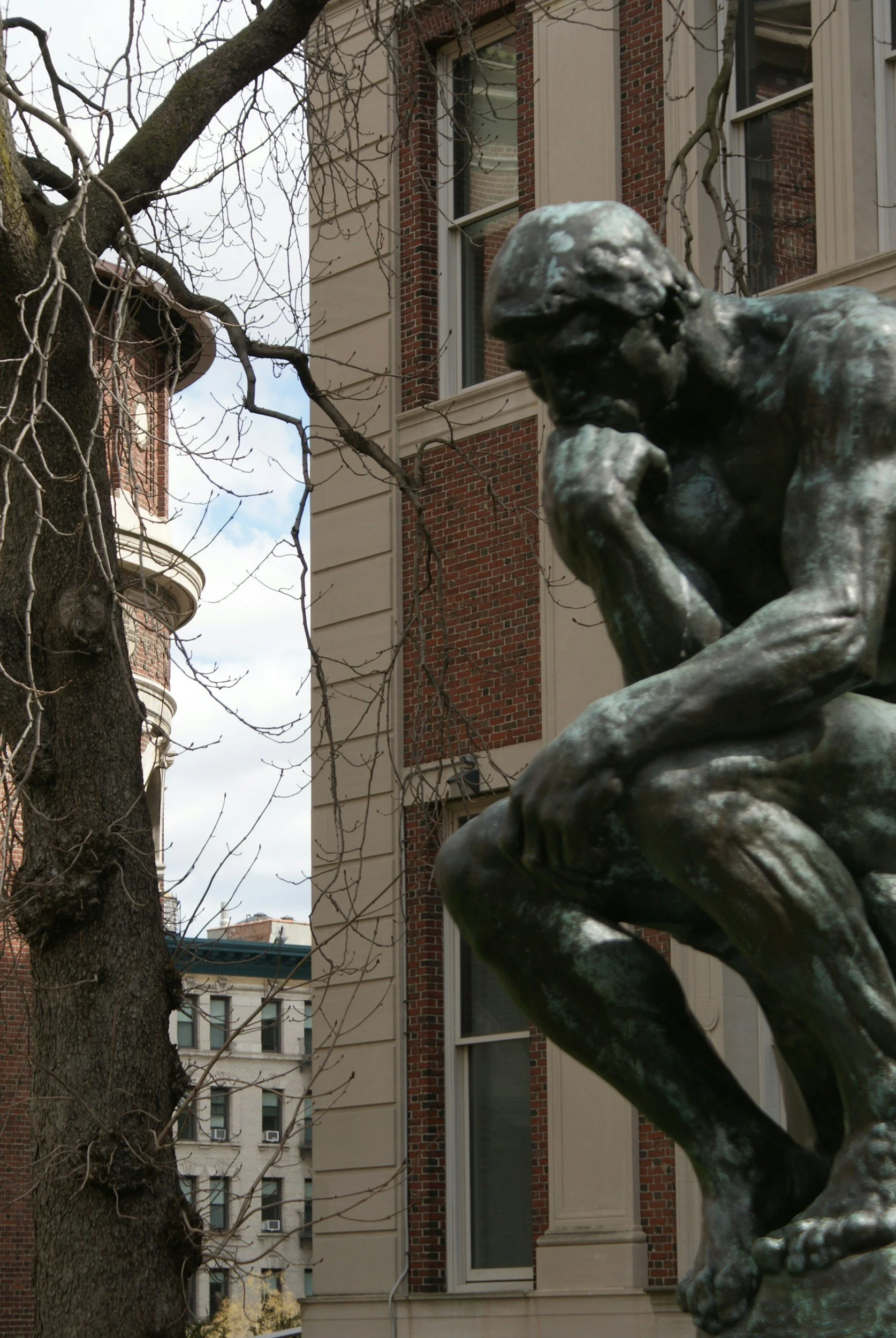
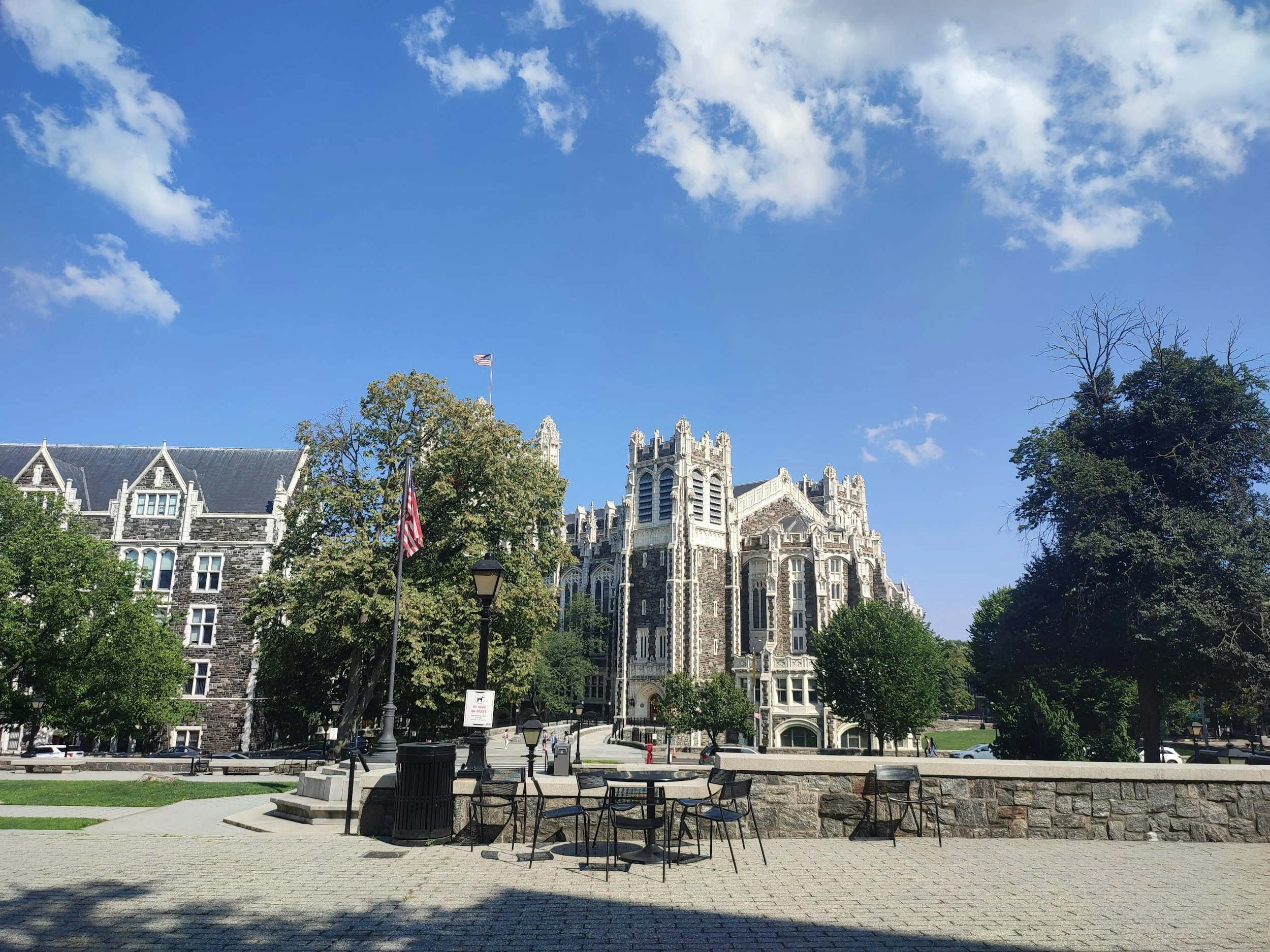
The fifth is the culture and community. Columbia enrolls approximately 9,700 undergraduates across its four undergraduate schools (including Barnard College and the School of General Studies in addition to Columbia College and SEAS). The campus community includes over 500 student organizations, Ivy League Division I athletics across 31 varsity teams, and traditions like Orgo Night, the Varsity Show, and Bacchanal. The campus in Morningside Heights, anchored by the Butler Library and Low Memorial Library steps, creates a defined residential community within the city. If the specific culture of Columbia, the combination of intellectual intensity, urban energy, and tight campus community, is part of your draw, articulate it.
Do not brag. Do not list your accomplishments in the body of the letter. Submit the statement promptly after accepting your waitlist spot. The primacy effect matters.
Do Not Send Additional Letters of Recommendation
Columbia is explicit: additional submissions including extra letters of recommendation "are discouraged by the Committee on Admissions." One statement is the right amount. Do not have teachers, counselors, or others submit supplemental recommendations to strengthen your waitlist candidacy.
Have Your Guidance Counselor Make an Advocacy Call
Despite the prohibition on additional written recommendations, a brief phone call from your guidance counselor to the admissions office confirming that Columbia is your top choice and that you will enroll if admitted is appropriate. This is a verbal communication of intent, not a written recommendation, and falls within the spirit of the university's guidance.
Keep Your Grades Up
Columbia's Regular Decision acceptance rate for the Class of 2028 was 2.82%. The academic profile of admitted students is among the strongest in the Ivy League. Continue performing at the level that made you competitive. Strong midyear and final semester grades matter.
If you'd like help maximizing your chances of getting off the waitlist and into your current top-choice colleges, schedule a free consultation with an admissions expert today.