What It's Like to Attend RSI at MIT, Week by Week

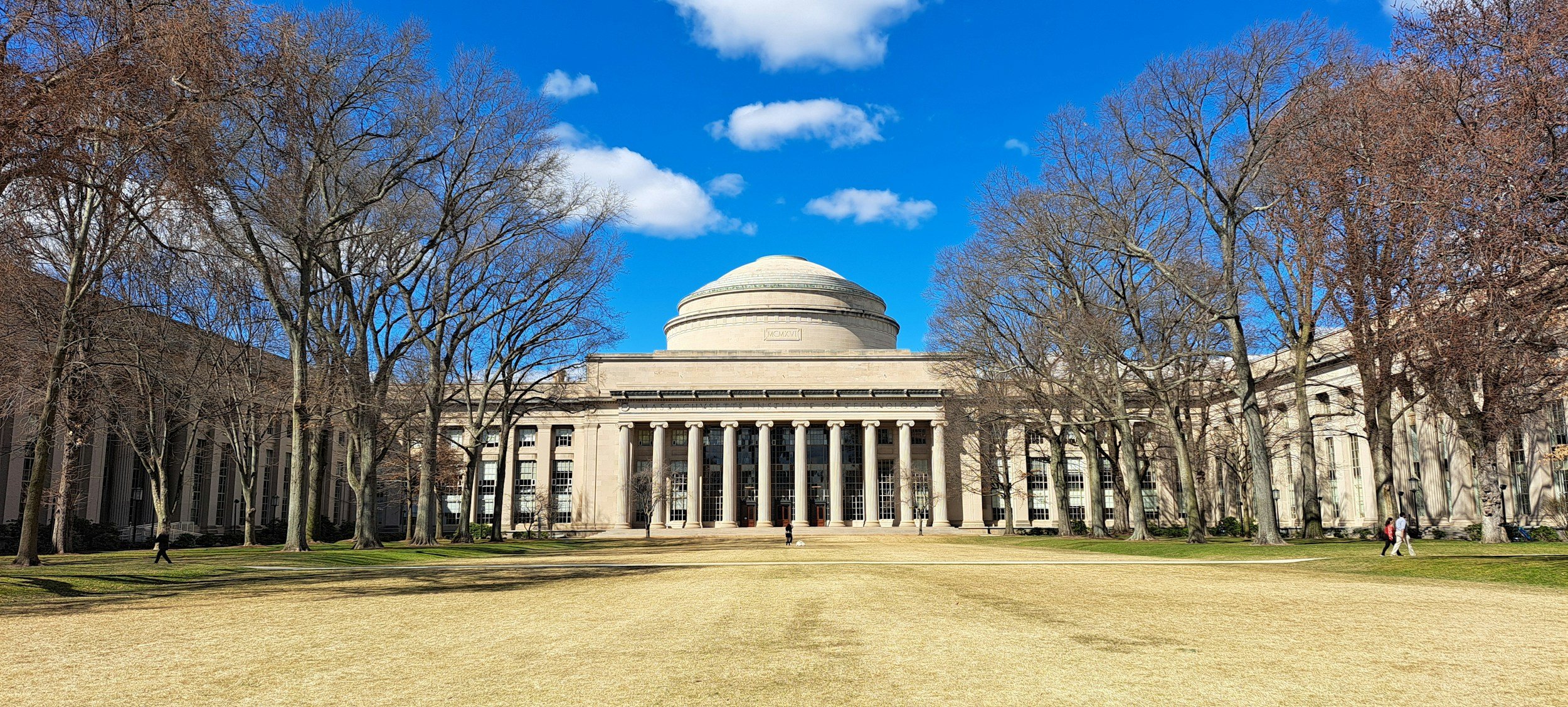
Each summer, the Research Science Institute (RSI) brings 100 high school students to MIT for six weeks of coursework and original research, at no cost to the students. The Center for Excellence in Education (CEE), the nonprofit that runs RSI in collaboration with MIT, receives more than 3,100 applications a year for those 100 seats. This article covers what happens once you are admitted, drawing on CEE's official program materials, MIT's own description of its RSI mentoring, and the accounts alumni have shared about their summers.
Who You Will Spend the Summer With
RSI is for students finishing their junior year of high school. You must be at least 16 by July 1 of the program year, and seniors are ineligible. About two thirds of each class comes from the United States, and the remaining third comes from countries whose sponsors partner with CEE, so your classmates will come from many countries.
Most participants arrive with some research experience, and about 10 percent arrive with none. What CEE looks for in every admitted student is a real foundation in a field, built through advanced coursework, competitions, or independent study.
Classes, Lectures, and Your Project in Week One
You start with a week of intensive STEM classes taught by professors, with seminars on current research in biology, chemistry, engineering, mathematics, physics, and the humanities. Alongside the classes, you get access to MIT's computing resources and training in the practical side of research, including how to find current publications, model complex systems, write a scientific paper, and give a conference-style presentation.
In the evenings, you attend the RSI lecture series, which begins in the first week and runs all summer. Past speakers have included Nobel laureates and technology entrepreneurs, and the series gives you the chance to meet them face to face.
At the end of the first week, your mentor gives you your research project. CEE assigns mentors and projects by matching the interests and background in your application to researchers in a relevant field, and every project at RSI starts fresh rather than continuing work you did before. Many students spend the first weekend reading advanced texts and recent journal articles in their assigned area, so they start the second week already familiar with the background of their project.
Research With Your Mentor in Weeks Two Through Five
From the start of the second week through the fifth, you work in your mentor's lab or research group for what CEE describes as "business hours plus." Alumni describe full weekdays of roughly eight hours on their projects, with evenings and weekends split between reading, analysis, and program activities.
Your mentor is a professor, scientist, or researcher in your field. Some mentors are faculty members, and many are postdoctoral researchers or graduate students working under a faculty supervisor. In mathematics, for example, MIT's math department pairs each of its roughly dozen RSI students with a graduate student mentor who designs the project, often in consultation with a faculty advisor, and meets with the student every weekday.
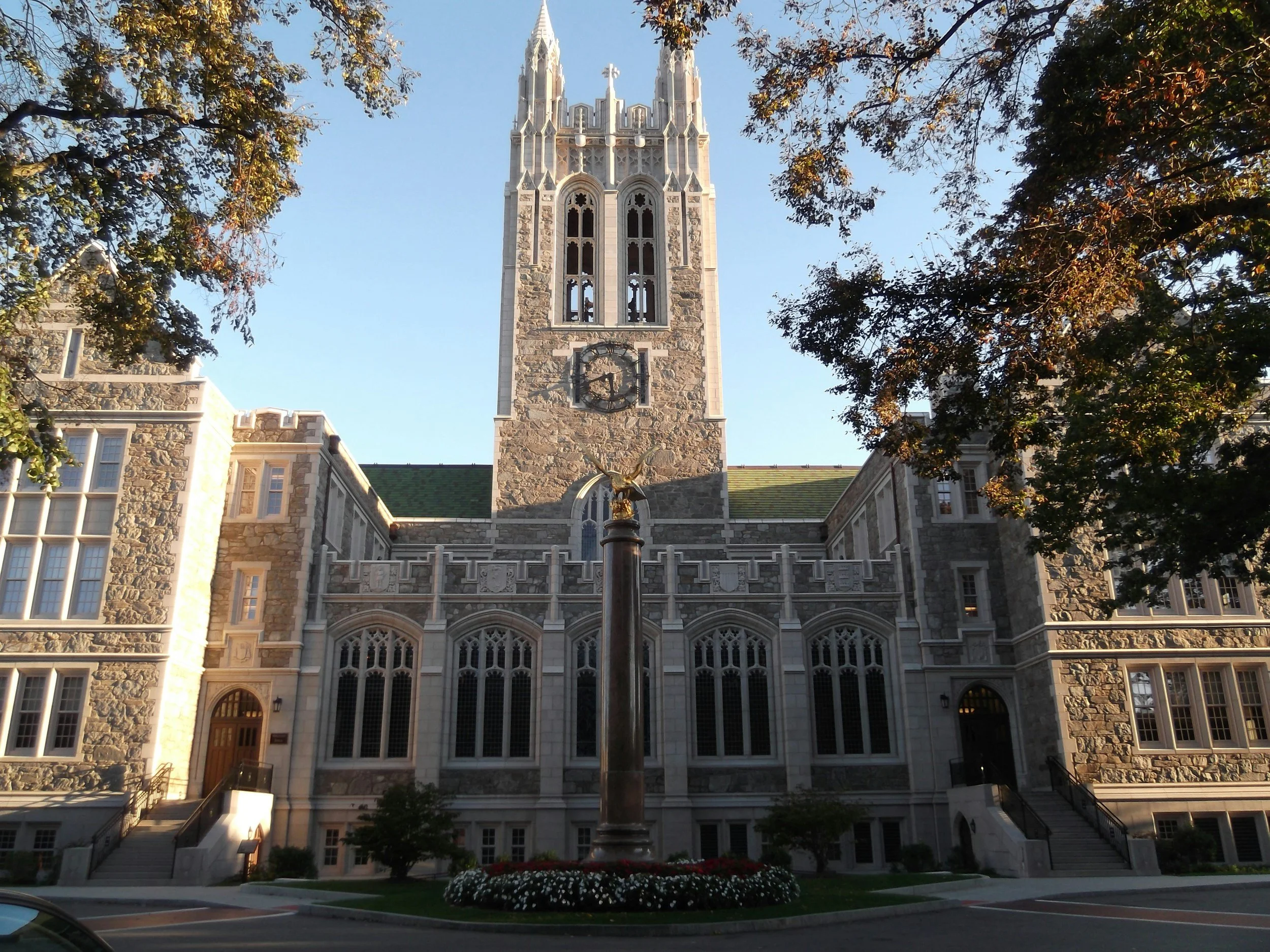
Mentors come from MIT, Harvard and its affiliated hospitals, the Broad Institute, Boston College, Tufts, and other institutions across the Boston area. The projects CEE honored in 2026 show the range. One student used computational methods to design gene therapy constructs for a rare genetic disorder with a mentor at Brigham and Women's Hospital. Another used a yeast-based screen at Boston College to identify candidate drug molecules against a malaria enzyme. Others worked on keeping robots safe while they learn to move through trial and error in MIT's aeronautics and astronautics department, tested a model of how the earliest stars ionized the hydrogen gas of the early universe with an MIT theoretical physicist, studied the oxide layers that protect metal surfaces from corrosion inside compact heat exchangers with a mentor in MIT's nuclear science department, and worked on problems in geometry and number theory with mathematics mentors.
RSI expects you to be self-directed. Your mentor sets the direction and checks your progress, and the daily work of reading, running experiments or code, and deciding what to try next is yours. Because every project sits in a different lab, the experience also varies with each mentor's availability and with how much a given question can yield in about four weeks. The students who get the most from this structure ask questions early, bring specific results or obstacles to every meeting with their mentor, and plan to keep developing the project after the summer ends.
The People Who Support You
Outside the lab, two groups of staff work with you directly. Tutors meet with small groups of students to help them write their papers and build their talks. Counselors oversee residential life, run activities, and look after students day to day. Many RSI alumni come back to the program as counselors, tutors, staff, and guest speakers, so the practical advice and traditions of earlier classes pass directly to yours.
Daily Life, Housing, and Weekends
CEE covers all of your educational, housing, and dining expenses. You live with the rest of your class in an MIT residence hall and eat in campus dining. CEE's published cost information addresses instruction, housing, and meals, so confirm your travel arrangements to and from Cambridge directly with CEE when you accept your offer.
A typical weekday runs from the lab to dinner to an evening lecture or group activity. Weekends combine rest, reading, and organized outings. Past RSI classes have joined Boston's July 4th celebration on the Esplanade, taken a weekend trip into the New England countryside, and visited cultural attractions and science and technology facilities around Boston. CEE notes that each session's activities reflect the interests of its students, and alumni accounts mention Ultimate Frisbee, skits, and group puzzles filling the time between work.
Your Paper and the RSI Symposium in the Final Week
The sixth week is the most demanding stretch of the program. You turn your research into a paper written to the standard of an academic conference and present it as a short talk at the RSI Symposium. Alumni describe a draft deadline partway through the week, rounds of revision with tutors and mentors, slide preparation, practice talks, and short nights.
Students commonly write their papers in LaTeX, the typesetting system mathematicians and scientists use to format research papers, and build their slides in Beamer, its companion for presentations. Learning both before you arrive will save you hours when time is scarcest.
An outside panel of Boston-area academic and corporate scientists selects five papers and five presentations for special commendation, and each honoree receives a $1,000 scholarship from Regeneron. CEE posts the honored papers on its website, and reading a few of them gives you a direct preview of the level of work RSI expects.
The Rickoid Community
RSI alumni are known as Rickoids, after Admiral Hyman G. Rickover, who co-founded CEE. The program began in 1984 as the Rickover Science Institute and has been hosted at MIT since 1992. Your class bonds quickly because everyone lives together, works on hard problems, and goes through the final week at the same time, and alumni accounts consistently name the people as the most lasting part of RSI. Each session also names one participant Rickoid of the Year.
The connection continues long after August. RSI has more than 3,000 alumni, and the RSI director writes a college recommendation letter for every student in the program. CEE introduces students to alumni working in their research areas, hosts virtual reunions organized by class year and by field, holds an in-person reunion for all alumni every five years, and organizes regional meetups. Large alumni communities are concentrated in Boston, New York, San Francisco, Los Angeles, Chicago, and Washington, DC.
What Comes After the Summer
Your RSI paper can be the first chapter of a longer project. Many alumni continue their projects through the fall and enter them in the Regeneron Science Talent Search, the national research competition for high school seniors, or in science fairs leading to the International Science and Engineering Fair. CEE reported that seven RSI 2023 alumni were among the 40 finalists in the 2024 Regeneron Science Talent Search, and a member of the 2025 RSI mathematics group placed fourth overall in the 2026 competition.
RSI at Stanford Beginning in 2027
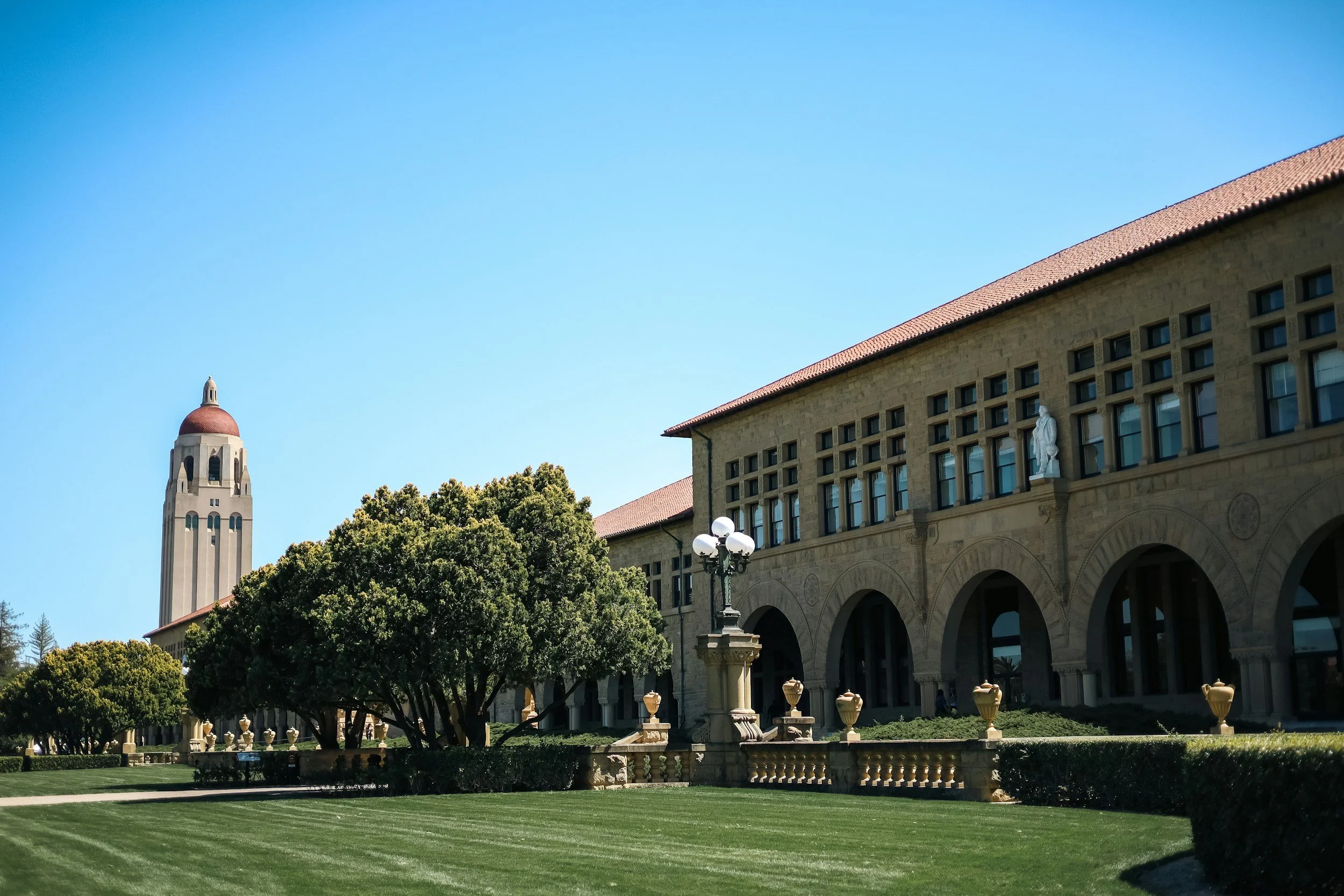
In August 2026, CEE announced that RSI will add a second site at Stanford University starting in summer 2027. RSI at MIT will continue to enroll 100 students, and the Stanford session will begin with 50, follow the same structure as the MIT program, and also be free to attend. CEE has said it will release application and scheduling details for the inaugural Stanford session separately. Applications for RSI 2027 are open through 11:59 p.m. Eastern on December 11, 2026.
Preparing for RSI With Cosmic
Cosmic's admissions experts help students build the subject depth, research background, and essays that RSI's selection committee looks for. You can read more about our approach on our RSI page and in our guide to the RSI essays. To talk through your plans for RSI and other summer research programs, book a free 30-minute consultation with our team.